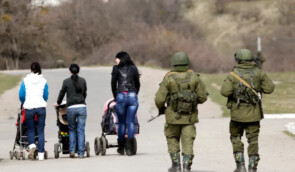
A presentation of the Shadow Report took place in Brussels with the participation of ZMINA and the support of the EU Project “Pravo-Justice”
In Brussels (Belgium), a Coalition of civil society organisations led by the Agency for Legislative Initiatives presented the Shadow Report on Chapter 23 “Justice and Fundamental Rights” and Chapter 24 “Justice, Freedom and Security” of the European Commission’s Report on Ukraine in 2024.
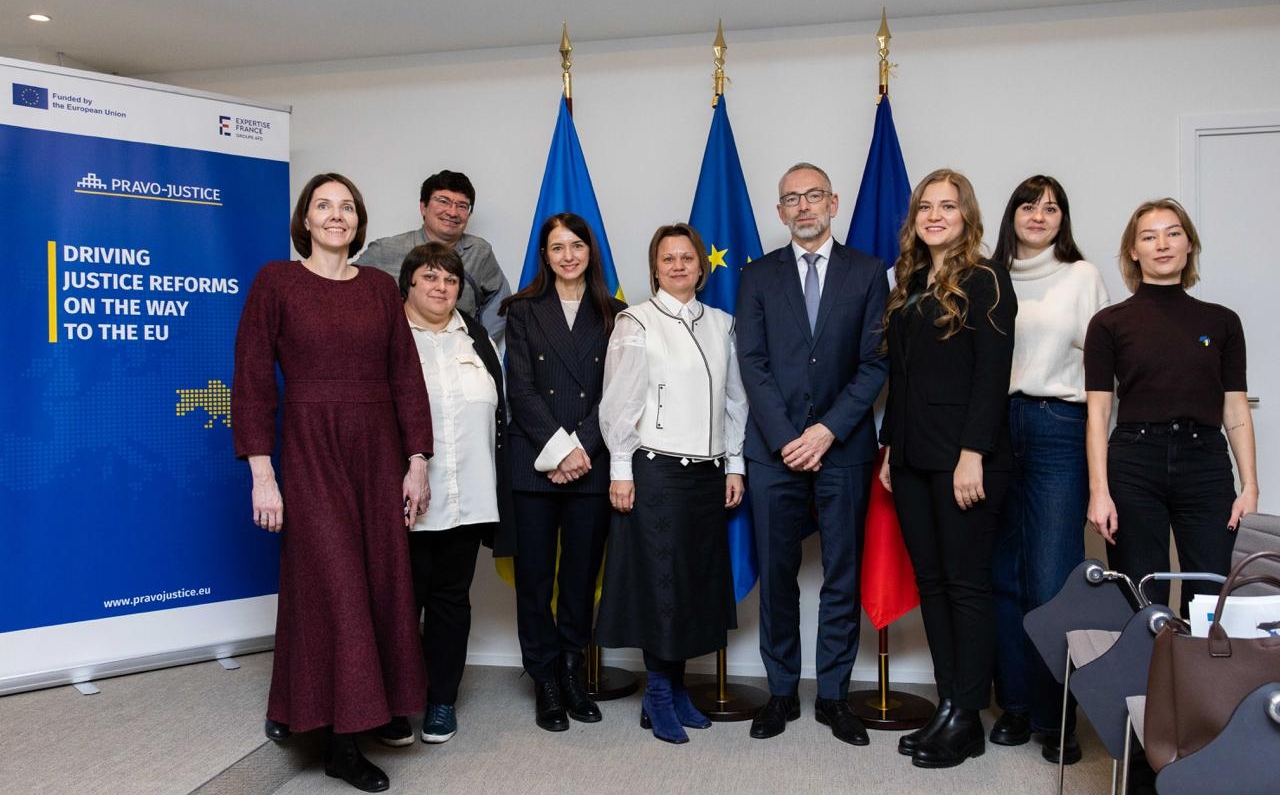
The event took place within the framework of the event “Justice and Ukraine’s Resilience: the Perspective of Civil Society and the Human Dimension of the Judiciary”, organised with the support of the EU project “Pravo-Justice”, implemented by Expertise France, at the Permanent Representation of France to the EU. It brought together representatives of Ukrainian civil society, the judiciary, EU institutions and the international expert community.
It should be noted that the Shadow Report focuses not only on Ukraine’s progress, but also on the challenges and problems faced by the state in the process of implementing European standards in the areas of the rule of law (courts, prosecutor’s office, bar, legal education), the fight against corruption and organised crime, the protection of fundamental human rights and freedoms, visa policy, migration, etc. In total, experts from relevant civil society organisations, including the Agency for Legislative Initiatives, Transparency International Ukraine, the Human Rights Centre ZMINA, Tomorrow’s Lawyer, Europe Without Barriers, and the Ukrainian Bar Association, issued more than 500 recommendations.
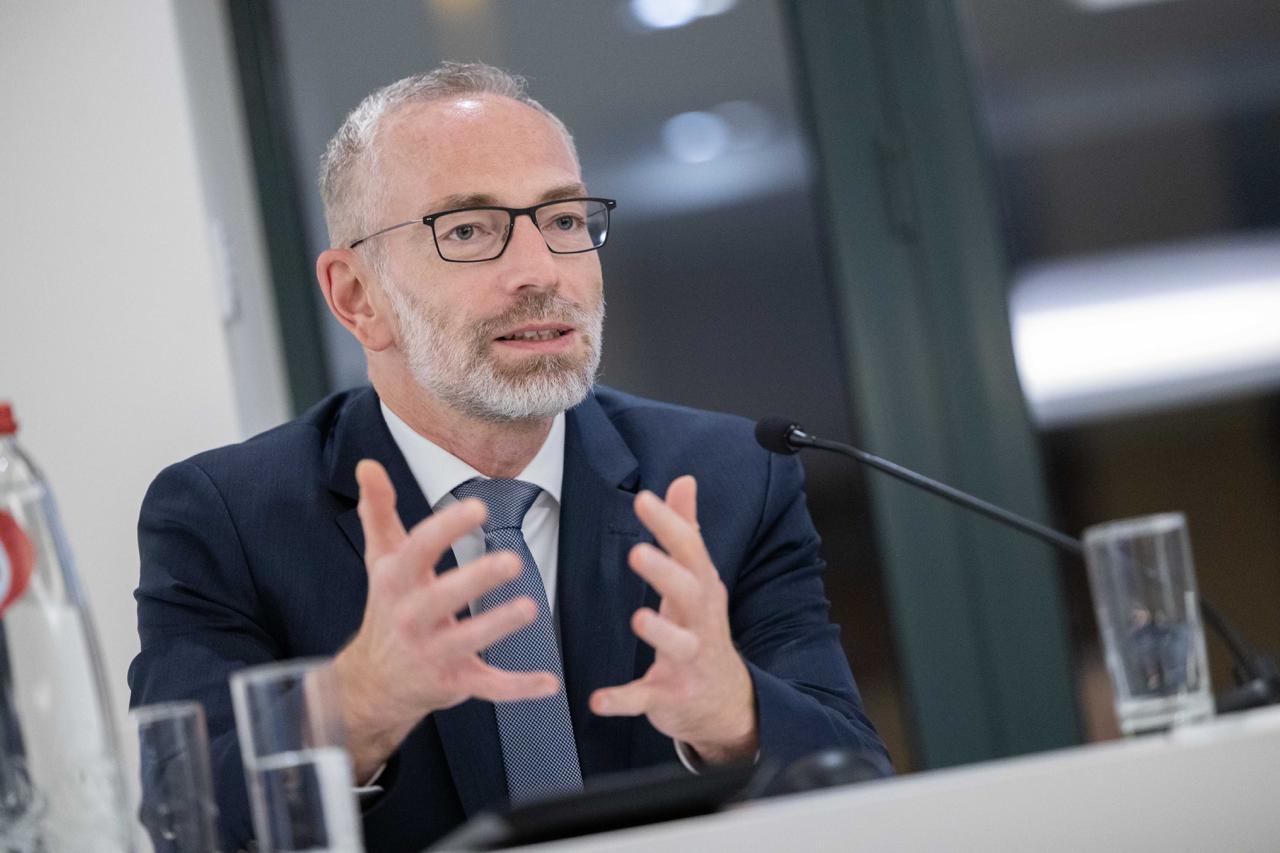
Wolfgang Nozar, Head of Unit for Rule of Law, Anti-Fraud and Financial Management at the European Commission’s Directorate-General for Neighbourhood and Enlargement Negotiations, said that the European path to membership is a choice that Ukraine has made for itself.
“The reforms that need to be implemented are extremely important. We fully support Ukraine’s efforts to carry out these reforms. However, Ukraine must take responsibility and set clear deadlines. It is important that these deadlines are both ambitious, as Ukraine seeks swift accession to the EU, and realistic, so that the reforms can be effectively implemented,” he noted.
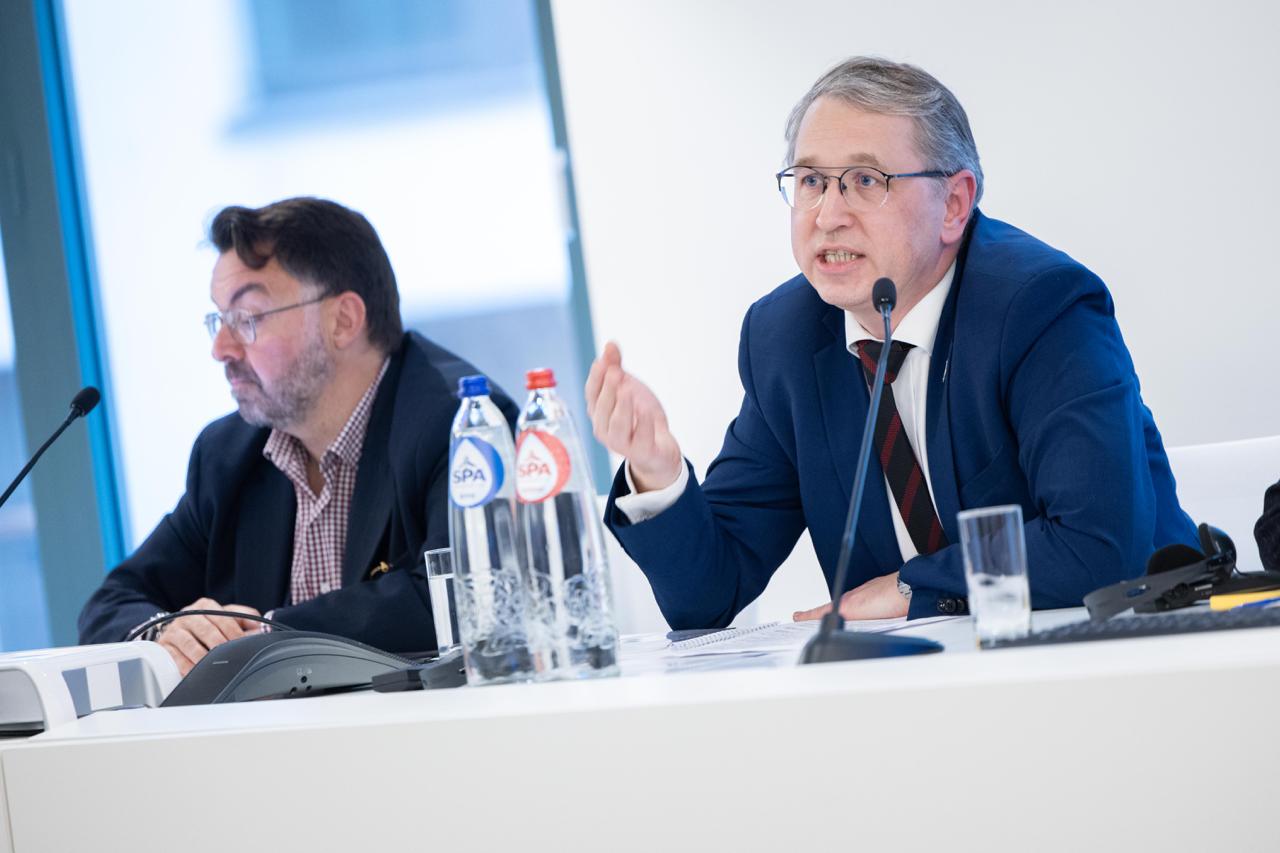
For his part, Serhii Tereshko, Deputy Representative of Ukraine to the EU, noted the contribution of civil society organisations to the preparation of the Shadow Report, which provides an alternative view on the development of the rule of law, the protection of human rights and the state of the judiciary in Ukraine. He also expressed his gratitude to the EU, in particular the Pravo-Justice Project, for supporting such initiatives.
“The Ukrainian government remains firmly and consistently committed to promoting the rule of law. We are well aware that without adherence to key European principles, progress towards EU membership is impossible,” he said.

Oksana Tsymbrivska, Team Leader of EU Project Pravo-Justice, noted that the most important aspect of the Shadow Report is its recommendations.
“This is precisely where the added value of civil society lies: it not only criticises or points out shortcomings, but also offers a vision of what needs to be done to address them. In wartime, its role becomes even more important, as its representatives are not only “watchdogs” but also a powerful source of expertise for the state. European integration can only be successful if this voice is heard and reforms are inclusive,” she emphasised.
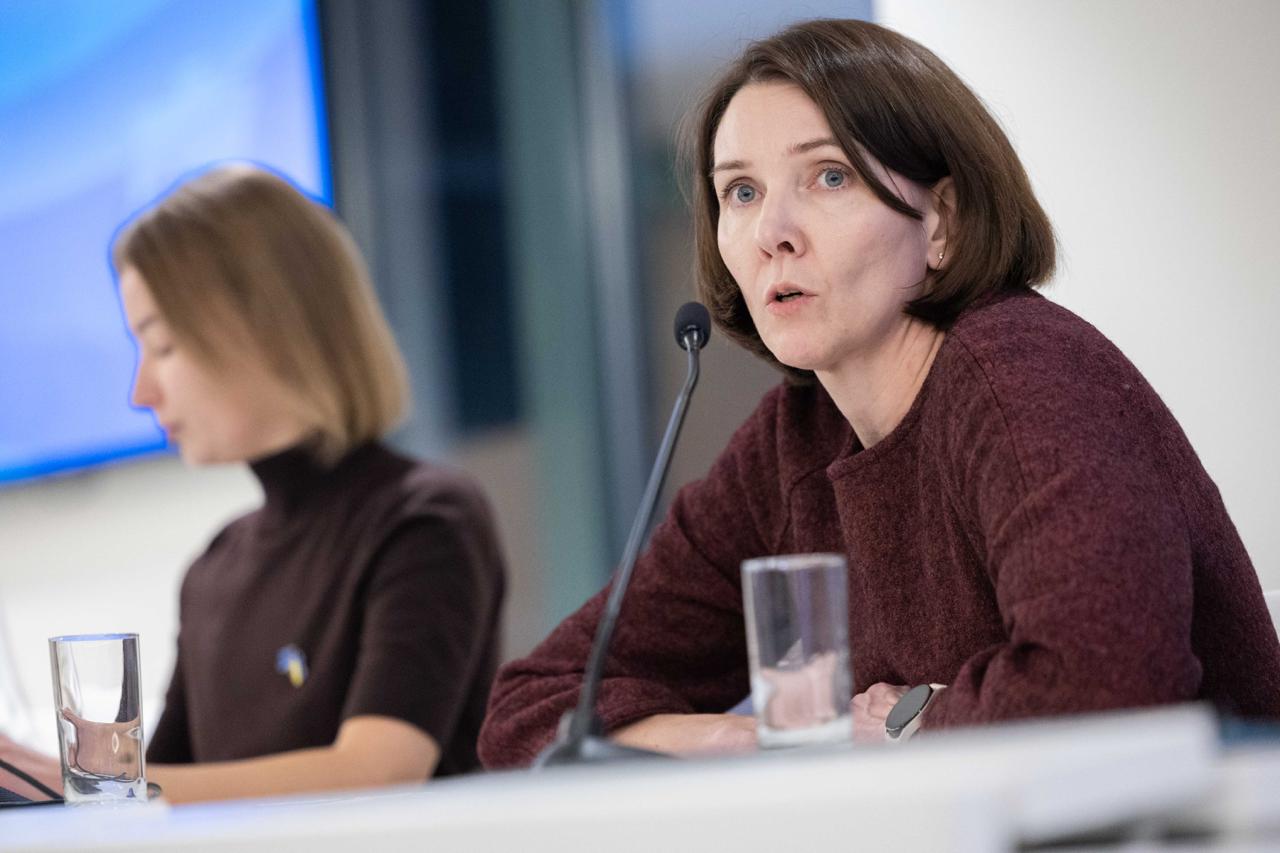
“The Shadow Report highlights Ukraine’s progress in reforms, while at the same time drawing attention to problems in the areas of the rule of law, the fight against corruption and organised crime, and others. It provides recommendations that will help to implement European standards across all areas. The next step must be to turn intentions into results. Ukraine can meet the critical benchmarks — complete its ‘homework’ from the EU and strengthen trust in key public institutions — if it follows this ‘roadmap’,” said Oleksandra Ehert, Deputy Executive Director for Operations and Project Coordination at the Laboratory for Legislative Initiatives.
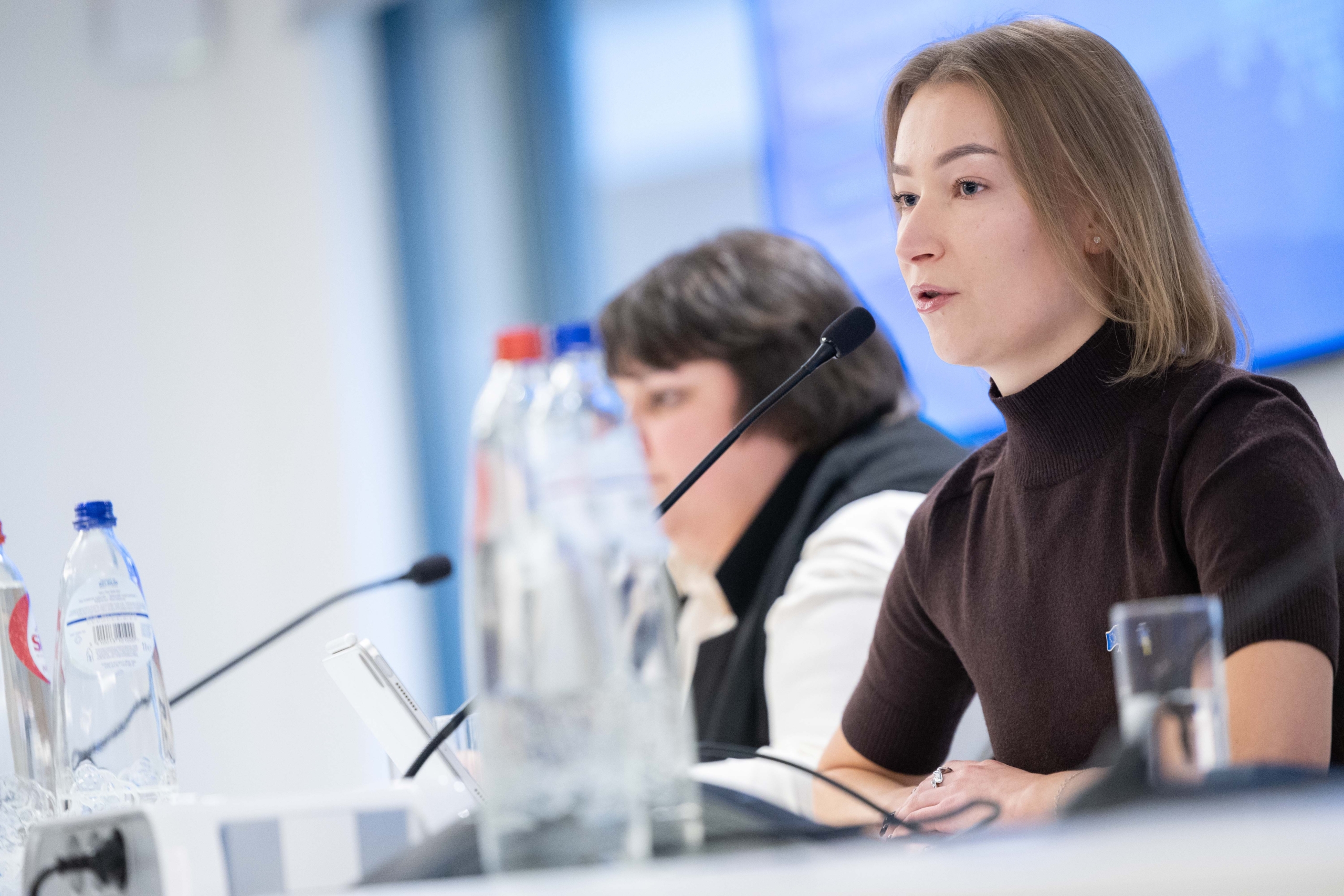
Anastasiia Datsiv, Advocacy Manager of the Human Rights Centre ZMINA, said: “Despite the war, Ukraine must maintain a balance between security and human rights, but progress in most areas of fundamental rights remains absent. Legislative changes regarding the Ombudsman do not meet international standards, the problem of torture in places of deprivation of liberty remains unresolved, and civil society activists continue to face pressure“.
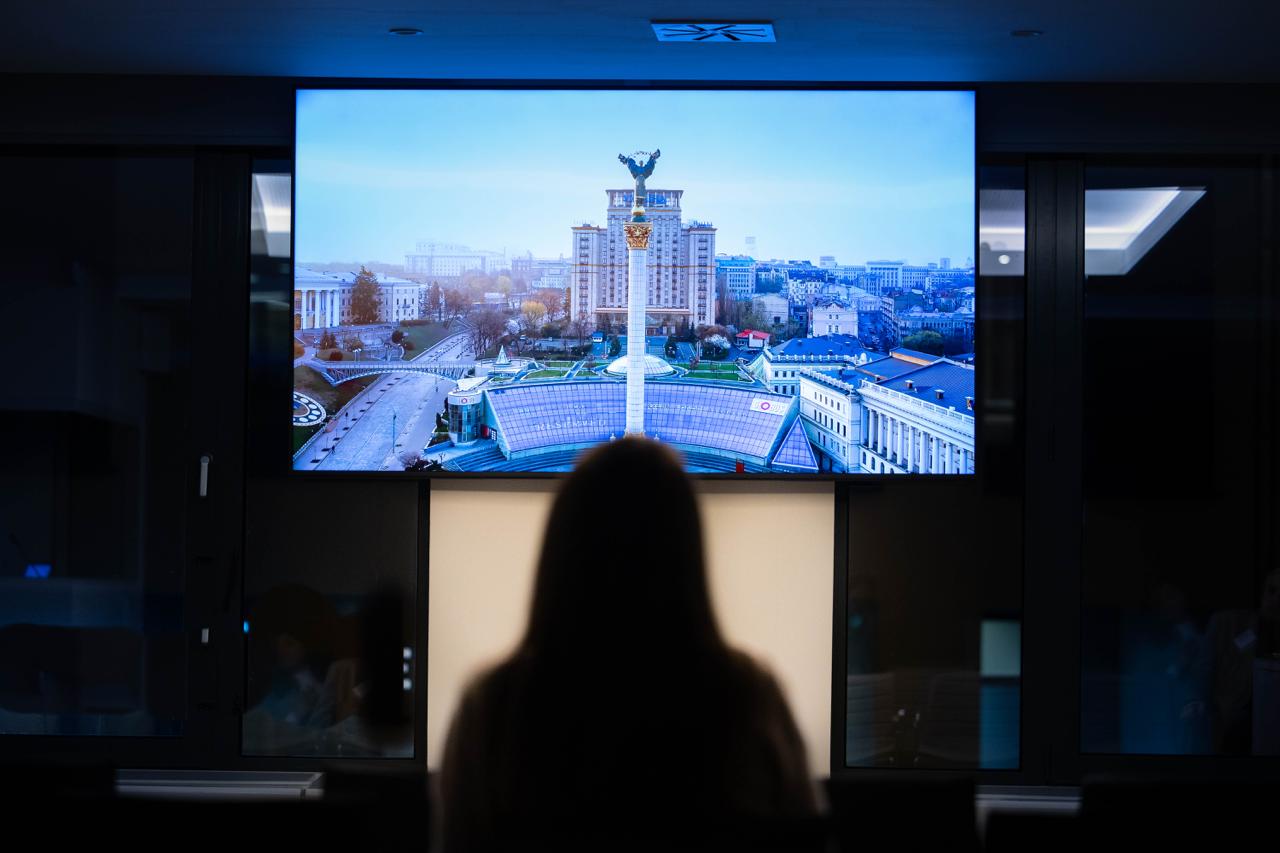
As part of the presentation, the EU Project “Pravo-Justice” showed the documentary film “In Your Name: Justice in Wartime”, which premiered on 18 September in Kyiv. It tells the story of the resilience of the Ukrainian judiciary during a full-scale war: of the judges who continue to administer justice despite shelling, forced displacement and destroyed court buildings, as well as those who joined the Defence Forces to protect the country.

Olena Kovbii, a member of the High Council of Justice and the protagonist of the film, also joined the screening. She shared her story and talked about the priorities of the High Council of Justice.
“I want European partners to see Ukrainian judges not only as bearers of the law, but as true defenders of democracy and human rights in the extreme conditions of wartime. This is also a message: even under fire and threats, we continue to serve justice — therefore, support for the judiciary is critical to establishing the rule of law in Ukraine,” emphasised Olena Kovbii.