Civil society in the fourth year of full-scale war: ZMINA presented the results of the study
On 10 December 2025, International Human Rights Day, the Human Rights Centre ZMINA presented the main conclusions and results of the sociological study “The Current State of Civil Society” and highlighted the challenges faced by human rights defenders in the fourth year of Russiaʼs full-scale invasion of Ukraine.
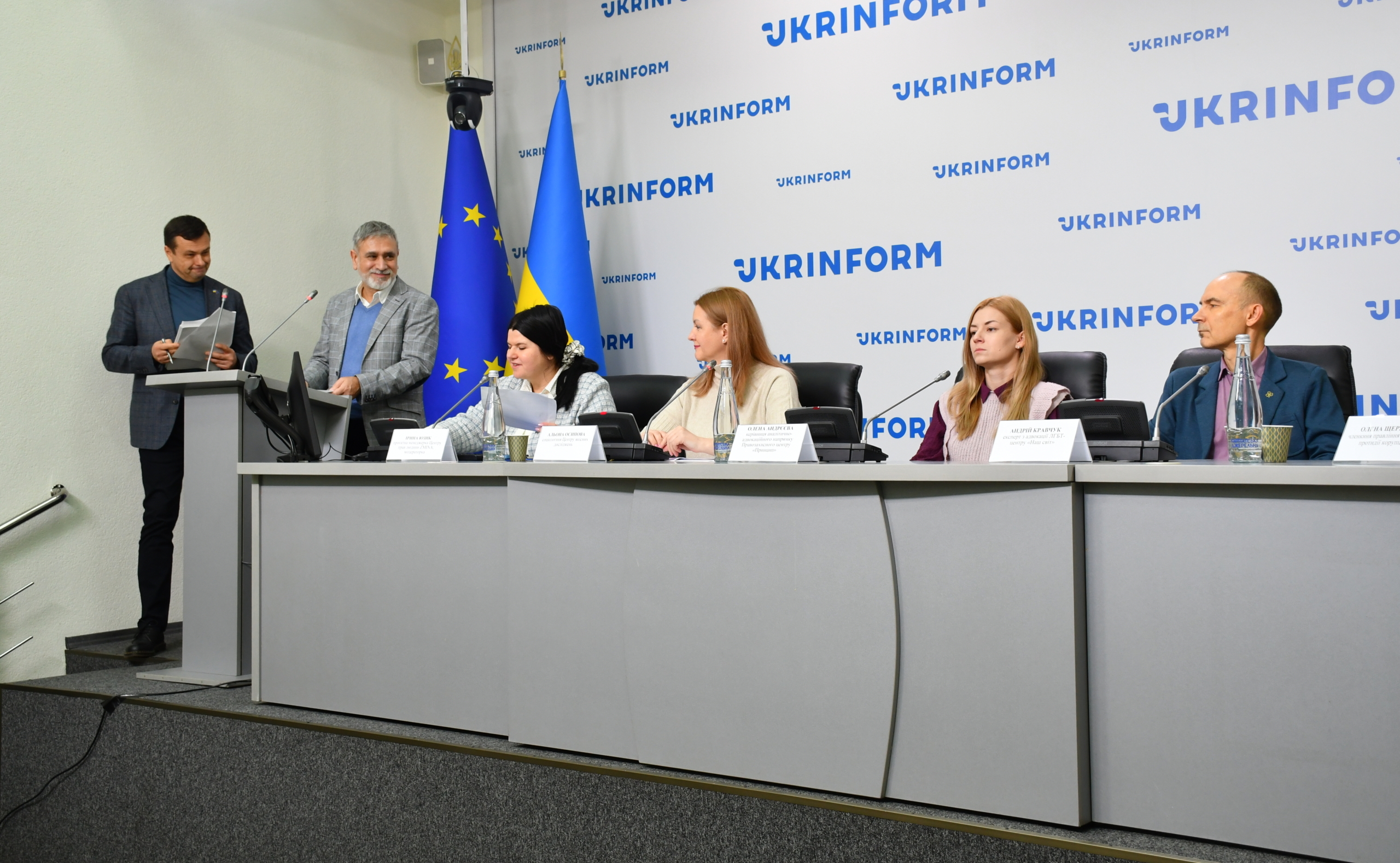
Asier Santillan, Head of the European Integration, Governance, Rule of Law and Civil Society Section at the European Union Delegation to Ukraine, noted that International Human Rights Day reminds us of a simple truth: human rights do not stop applying even during wartime. He also thanked civil society organisations that continue to work and defend human rights in Ukraine despite everything.
“This study provides a clear understanding of the state of civil society in Ukraine. Civil society organisations working in the areas of anti-corruption, veteransʼ policy, LGBTQI+ rights and support for vulnerable groups in communities are facing increasing difficulties in their work. But despite all this, civil society in Ukraine remains one of the most reliable and resilient institutions, continuing to provide vital services and defend rights. The EU is committed to supporting and promoting human rights in Ukraine by supporting organisations that promote human rights and democratic values,” said Asier Santillan.
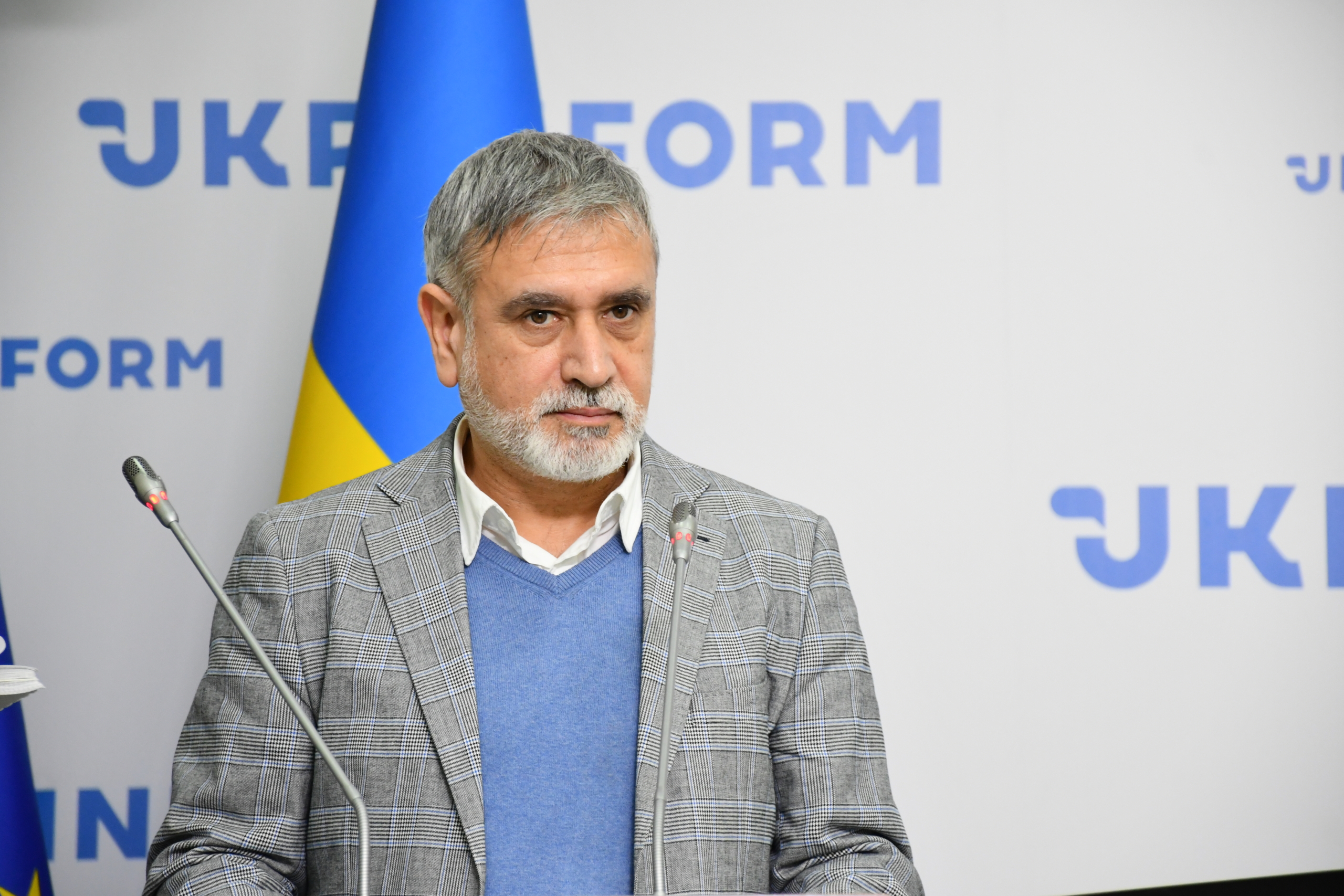 Asier Santillan
The study was conducted by the Centre for Qualitative Research on behalf of the Human Rights Centre ZMINA in May-August 2025 using expert triads and online surveys. A total of 156 activists from various fields participated in the study, including those working in anti-corruption, the LGBTQI+ community, veteran communities, protecting vulnerable groups in small communities, environmental protection, and combating illegal construction. Respondents represent all regions of Ukraine under the control of the Ukrainian government.
Alona Osypova, a sociologist at the Centre for Qualitative Research, provided more details about the results of the study. She noted that in the context of full-scale war in Ukraine, activists continue to face internal challenges and threats in their activities. Almost half of the respondents (44%) reported a high level of threats and obstacles to their activities. According to the activists surveyed, this situation has either remained unchanged or worsened over the past three years. 71% of civil society activists say they have encountered obstacles to their activities at least once. 20% face this regularly. Those who are most affected by harassment are those who are involved in anti-corruption activities. They are subjected to physical persecution, attacks on their reputation and online bullying. Those who are least affected are those who support vulnerable groups in small communities.
Respondents cited law enforcement agencies as one of the main sources of threats, with civil society activists in the capital complaining about them in particular. Law enforcement agencies most often put pressure on those engaged in anti-corruption activities. However, it is not only this group that feels oppressed by the police and the prosecutorʼs office. Respondents also pointed to a lack of dialogue and unwillingness to conduct investigations.
A third of respondents point to paid media and the yellow press as sources of threats. This group of respondents is more likely than others to encounter threats, hate speech and harassment on social media. Activists defending the rights of LGBTQI+ people are most often targeted by media harassment.
Officials at various levels — from mayors to representatives of regional state administrations — are also a source of obstacles. The main problem here is the lack of dialogue with NGO representatives and the unwillingness to understand existing problems and respond to appeals.
Andrii Kravchuk, an expert on LGBT advocacy of the Nash Svit (Our World) Centre, noted that far-right groups are the main threat to human rights defenders who protect the rights of LGBTQI+ people.
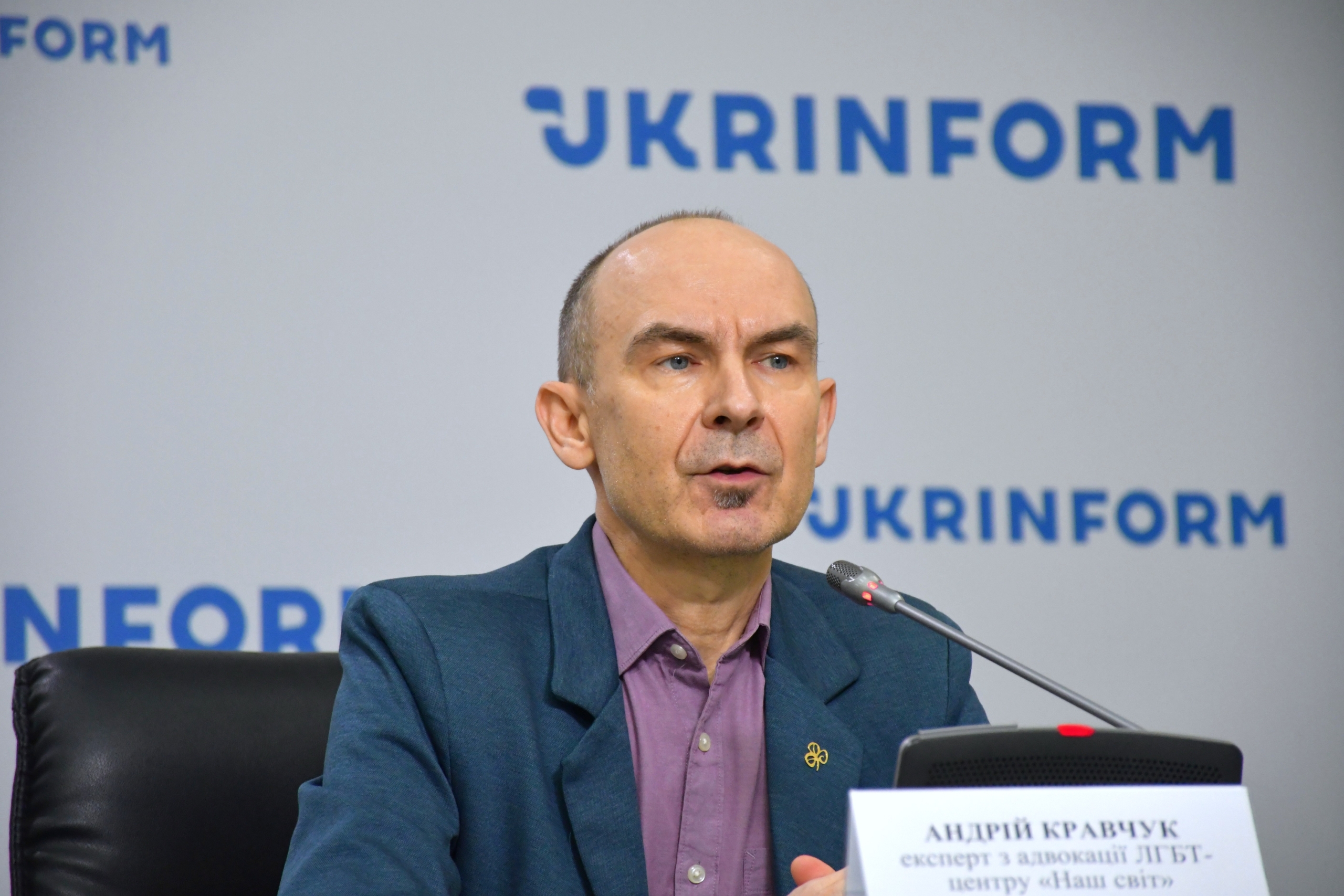 Andrii Kravchuk
“Soft” and reputational forms of pressure are most common today, and it is precisely these threats that can undermine trust in activists. This primarily involves manipulating public opinion, using martial law to impose restrictions, unwillingness to investigate incidents, as well as discrediting and spreading false information, noted sociologist Alona Osypova from the Centre for Qualitative Research: “Online attacks play a significant role today: the digital space has become one of the main platforms for pressure. In particular, 35% of the activists we surveyed have encountered online harassment (on Facebook and other social networks), and almost a third (29%) have faced intimidation or threats online“.
“At the beginning of the full-scale invasion, we saw society coming together. Now, unfortunately, we are seeing a return of online harassment and discrediting, as well as renewed persecution by the security forces, especially in the area of anti-corruption. Today, it is necessary to strengthen institutional protection for activists, create and maintain independent mechanisms for monitoring threats and responding to them. This is, in principle, what the civil sector does. The state should guarantee physical protection during public events, develop tools to counter online threats, ensure effective investigations of incidents and attacks, and stop the groundless persecution of anti-corruption activists,” said Iryna Yuzyk, Project Manager of the Human Rights Centre ZMINA.
According to Iryna Yuzyk, the study once again emphasises that international support must remain an important element in protecting the civil sector, and that the strategy for protecting civil society must continue to be based on transparency, solidarity and collective action. “This is what ensures the best results in countering threats,” she added.
Olena Shcherban, Member of the Board of the Anti-Corruption Action Centre, spoke about the persecution of anti-corruption activists and the increasing pressure on anti-corruption institutions, in particular the National Anti-Corruption Bureau of Ukraine (NABU).
“Over more than 10 years of work, we have encountered all kinds of pressure tactics and methods, from media discrediting to physical threats. But the most painful and unpleasant are attacks from law enforcement agencies. Over the years, these attacks have come in waves. The biggest waves of pressure are linked to electoral processes in our country, when we criticise the authorities. Attacks on us intensify when our investigations and criticism are most unpleasant for the authorities, when they can influence societyʼs assessment of the authorities. Now, during the period of martial law, such attempts have intensified, and they are related to the fact that criticism affects the rating of the authorities and the rating of the president personally. Therefore, the entire spectrum of these instruments has been used. The case against Vitalii Shabunin (Chairman of the Board of the Anti-Corruption Action Centre — Ed.) took place a week before the attack on the anti-corruption authorities,” said Olena Shcherban.
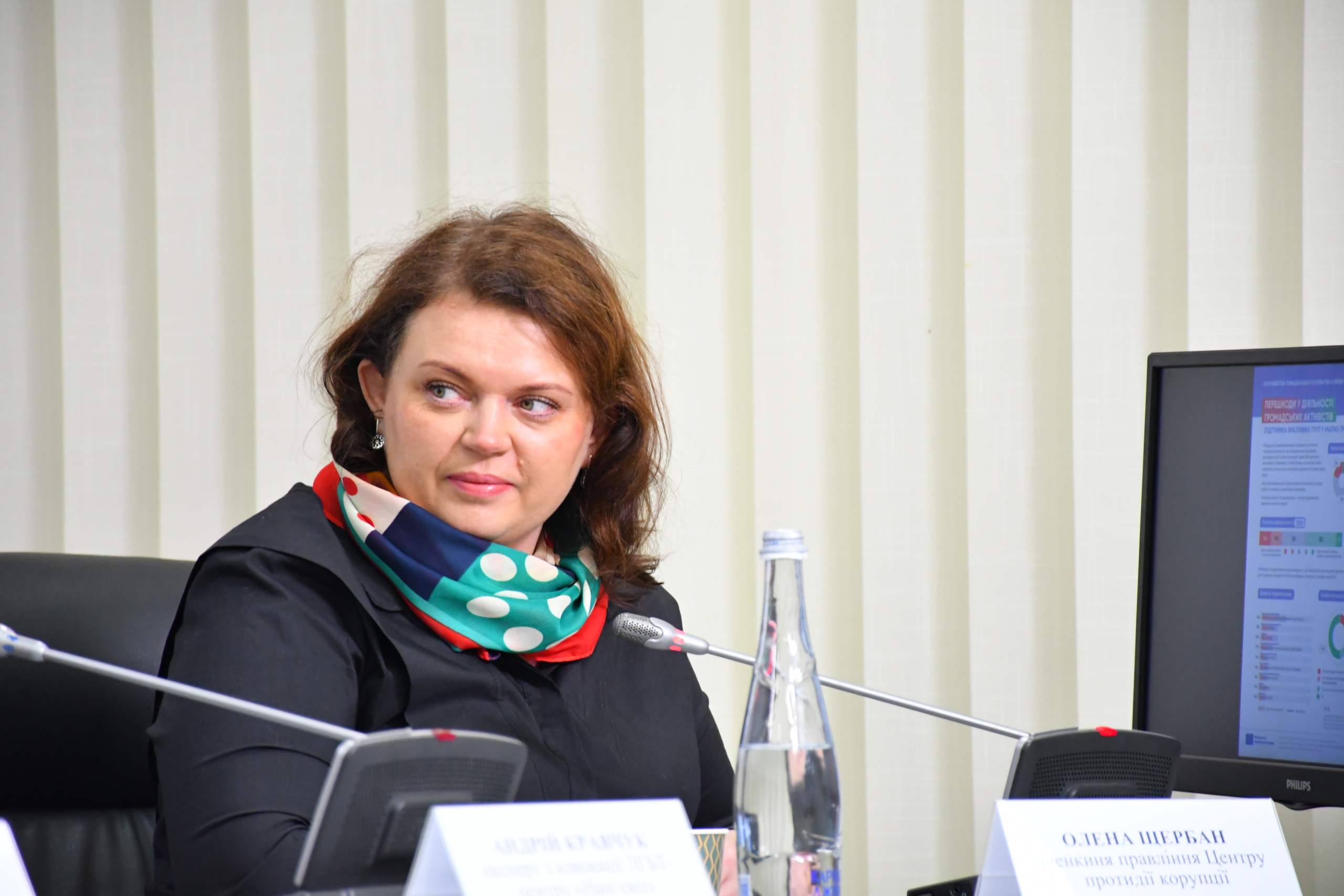 Olena Shcherban
You can find the results of the study here.
You can watch the recording of the broadcast here.
Photos from the press conference are available here.
The event was organised by the Human Rights Centre ZMINA with the funding of the European Union. Its contents are the sole responsibility of the Human Rights Centre ZMINA and do not necessarily reflect the views of the European Union.