The Prosecutor’s Office of Crimea has summed up five years of work: hundreds of indictments and court verdicts
On 9 December 2025, the reporting press conference of the Prosecutor’s Office of the Autonomous Republic of Crimea and the city of Sevastopol, “5 years of Prosecutor’s Office work: national and international dimensions. A vision for the future”, took place. The event was prepared in collaboration with ZMINA.
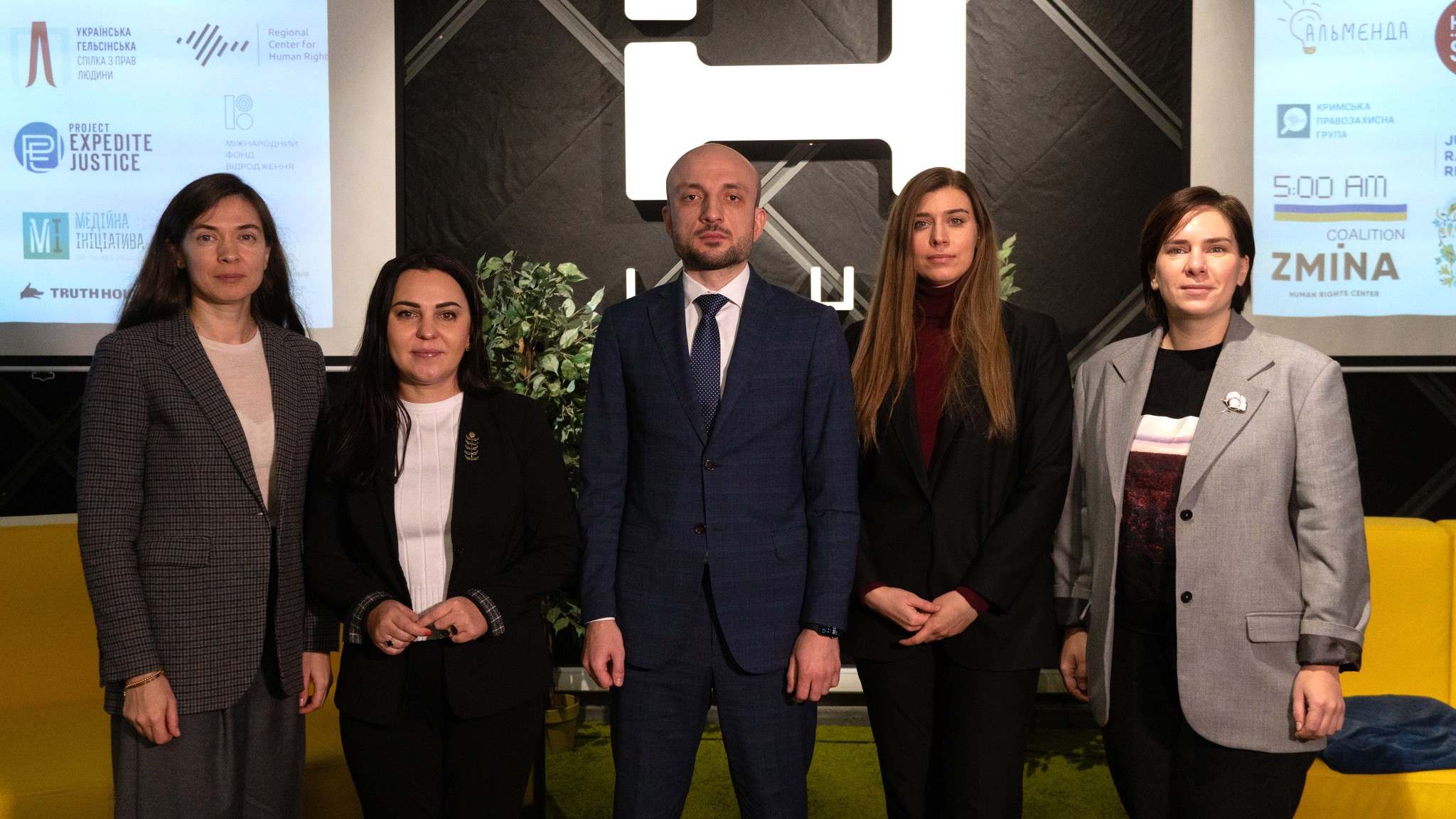 Daria Svyrydova, Tetiana Pechonchyk, Vitalii Sekretar, Marharyta Sokorenko, Olha Kuryshko
The event was attended by the acting Head of the Prosecutor’s Office of the Autonomous Republic of Crimea and the city of Sevastopol, Vitalii Sekretar, the Permanent Representative of the President of Ukraine in the Autonomous Republic of Crimea, Olha Kuryshko, the Commissioner for the European Court of Human Rights, Marharyta Sokorenko and human rights defender and partner of Azones Law Firm, Daria Svyrydova.
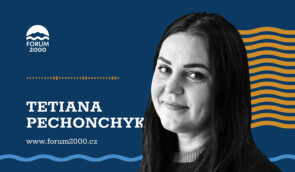
Tetiana Pechonchyk, Head of the Board of the Human Rights Centre ZMINA, moderated the event.
Vitalii Sekretar spoke in detail about the results of the Prosecutor’s Office’s activities over the past five years. He stressed that the main priorities remain crimes against national security and war crimes committed by the Russian Federation in Crimea.
“Between 2014 and 2021, the Prosecutor’s Office sent about 300 indictments to court. Over the past five years, this figure has almost tripled to 837. There have been 371 verdicts, which is ten times more than in the first five years of the occupation,” the Sekretar said.
He noted that the Prosecutor’s Office’s work is complicated by the lack of access to Crimea and the inability to directly contact victims or collect evidence. However, during this period, 230 former judges, prosecutors and law enforcement officers, more than 50 top officials and 458 people involved in collaborationism, volunteer support for the Russian Federation and propaganda were brought to justice.
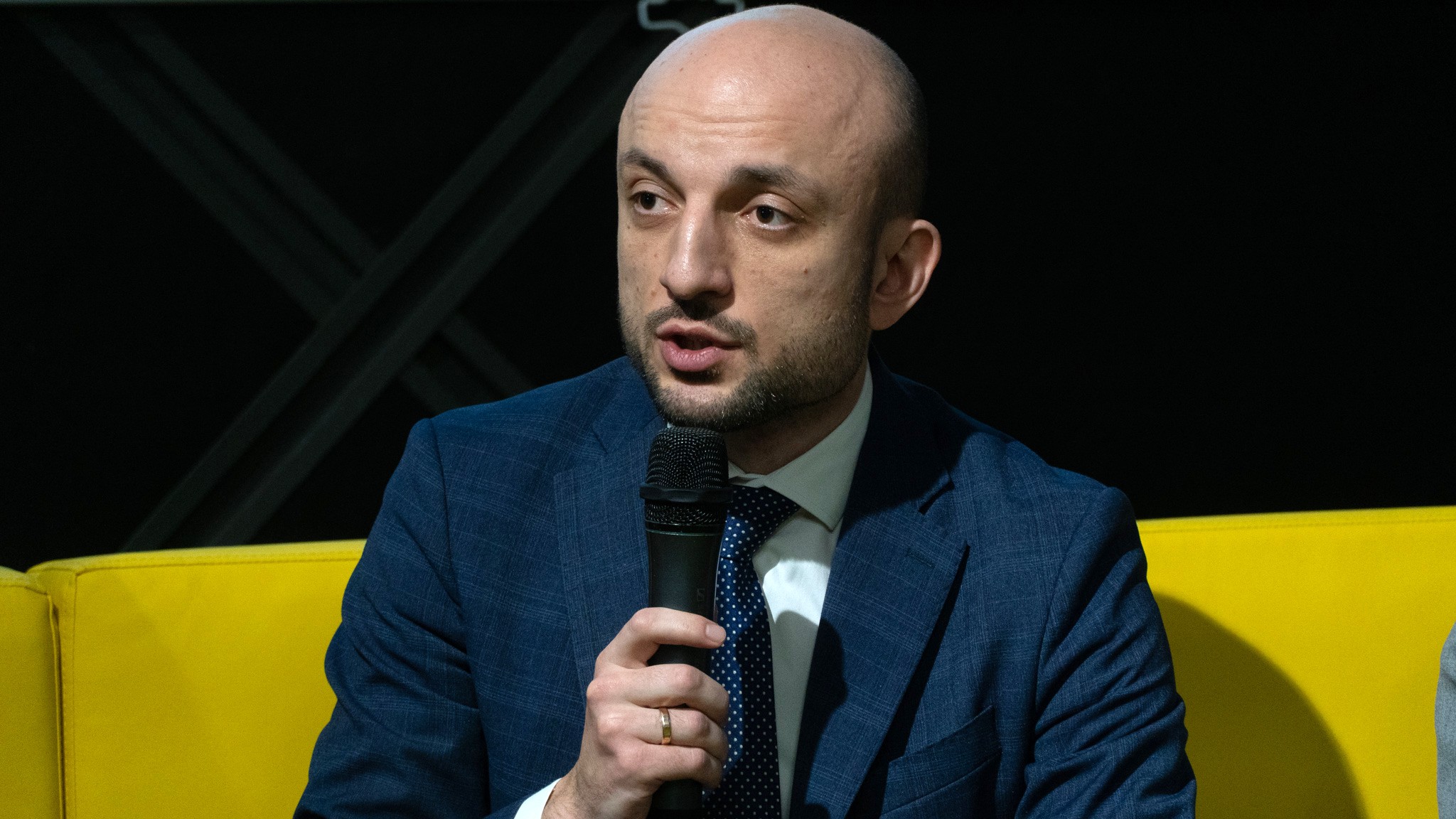 Vitalii Sekretar
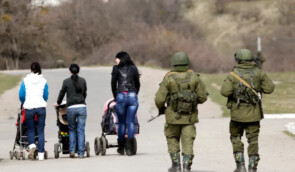
The Prosecutor’s Office pays particular attention to investigating war crimes: the deportation of more than 200,000 people, forced conscription into the Russian Armed Forces, the militarisation of children through the so-called “Yunarmiia” (Young Army) and military-patriotic clubs, as well as the illegal appropriation of property and protection of cultural heritage. The first verdict in Ukraine has already been handed down for the deportation of civilians from Crimea, and 11 occupation military commissars and seven individuals have been brought to justice for illegal archaeological excavations, including a Russian archaeologist from the Hermitage.
Olha Kuryshko stressed the importance of long-term and systematic cooperation between the Mission of the President of Ukraine in Crimea and the Crimean Prosecutor’s Office, which allows for an effective response to crimes committed by Russia in the temporarily occupied territory of Crimea. She noted joint initiatives, such as the “Svidchy” (Witnesses) and “Prokuror hromady” (Community Prosecutor) projects, aimed at explaining to people how crimes are documented and investigated, as well as at helping to record the occupiers’ violations.
“Today, it is extremely important to do everything possible to reach out to people who remain under occupation and show them that the state continues to work to protect them. In this context, it is important to have a partner such as the Prosecutor’s Office of the Autonomous Republic of Crimea and the city of Sevastopol, which, within its competence, contributes to the restoration of justice and bringing those responsible to justice,” said Kuryshko.
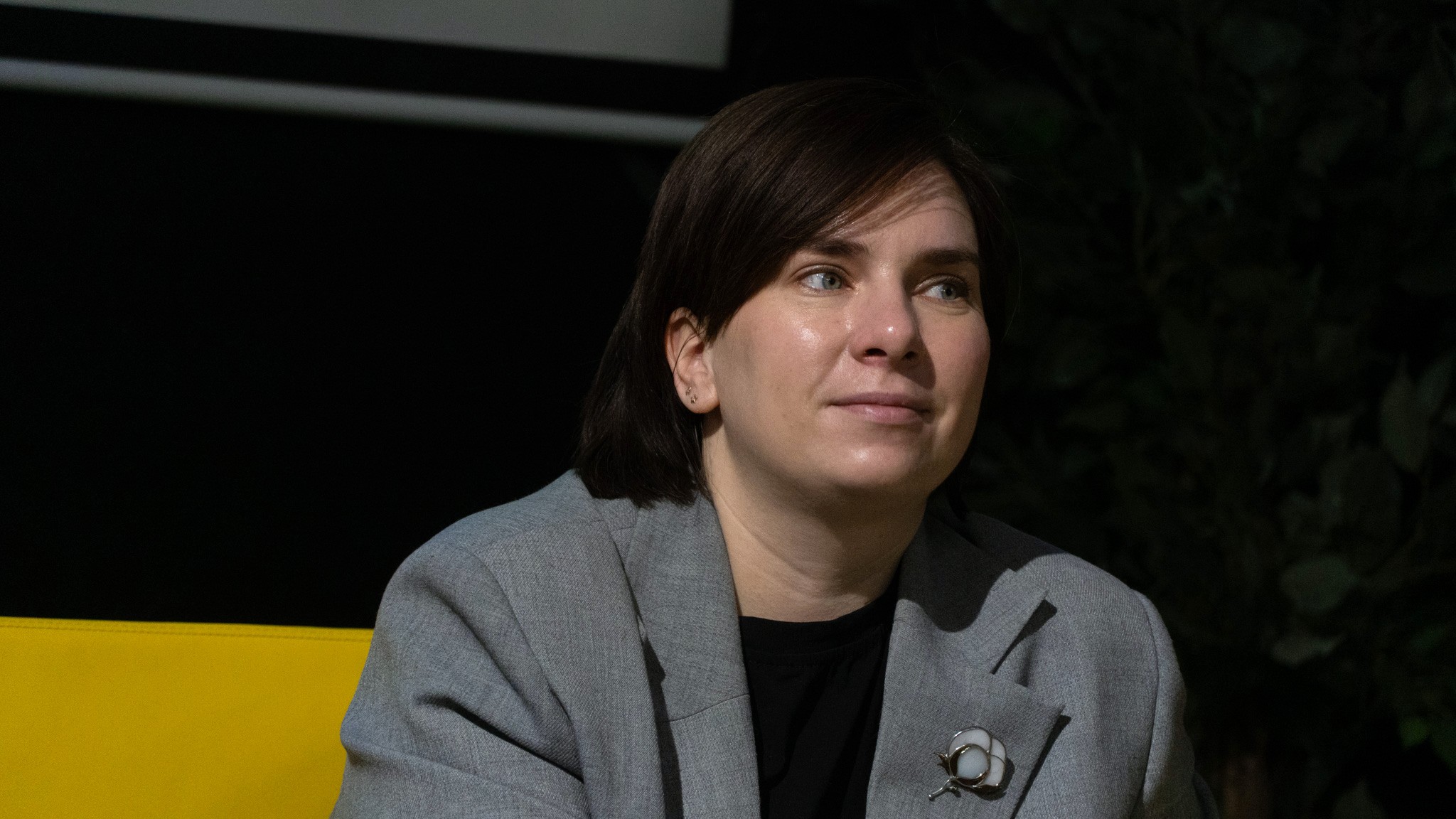 Olha Kuryshko
Marharyta Sokorenko emphasised the international dimension of this work and the significance of the evidence gathered by the Crimean Prosecutor’s Office: “The decision of the European Court of Human Rights in the case concerning Crimea was the first international confirmation of Russia’s responsibility for the occupation of the peninsula. Ukraine was able to prove systematic human rights violations despite obstacles from the aggressor state. This was made possible by many years of cooperation with the Prosecutor’s Office of the Autonomous Republic of Crimea and the city of Sevastopol, which, together with the Ministry of Justice, have been building a comprehensive evidence base since 2014“.
She emphasised that materials from Ukrainian law enforcement agencies had become key evidence in several ECtHR decisions — not only regarding the occupation of Crimea, but also in cases concerning violations in the east of Ukraine, forced displacement, disappearances and the illegal adoption of Ukrainian citizens.
“Our task was to gather information from various sources, to show the full picture of the occupation and the scale of the violations. And we did it — despite the resistance and manipulation of the Russian Federation,” said Sokorenko, adding that Ukraine’s legal battle continues, as the stage of implementing the ECtHR’s decisions has now begun.
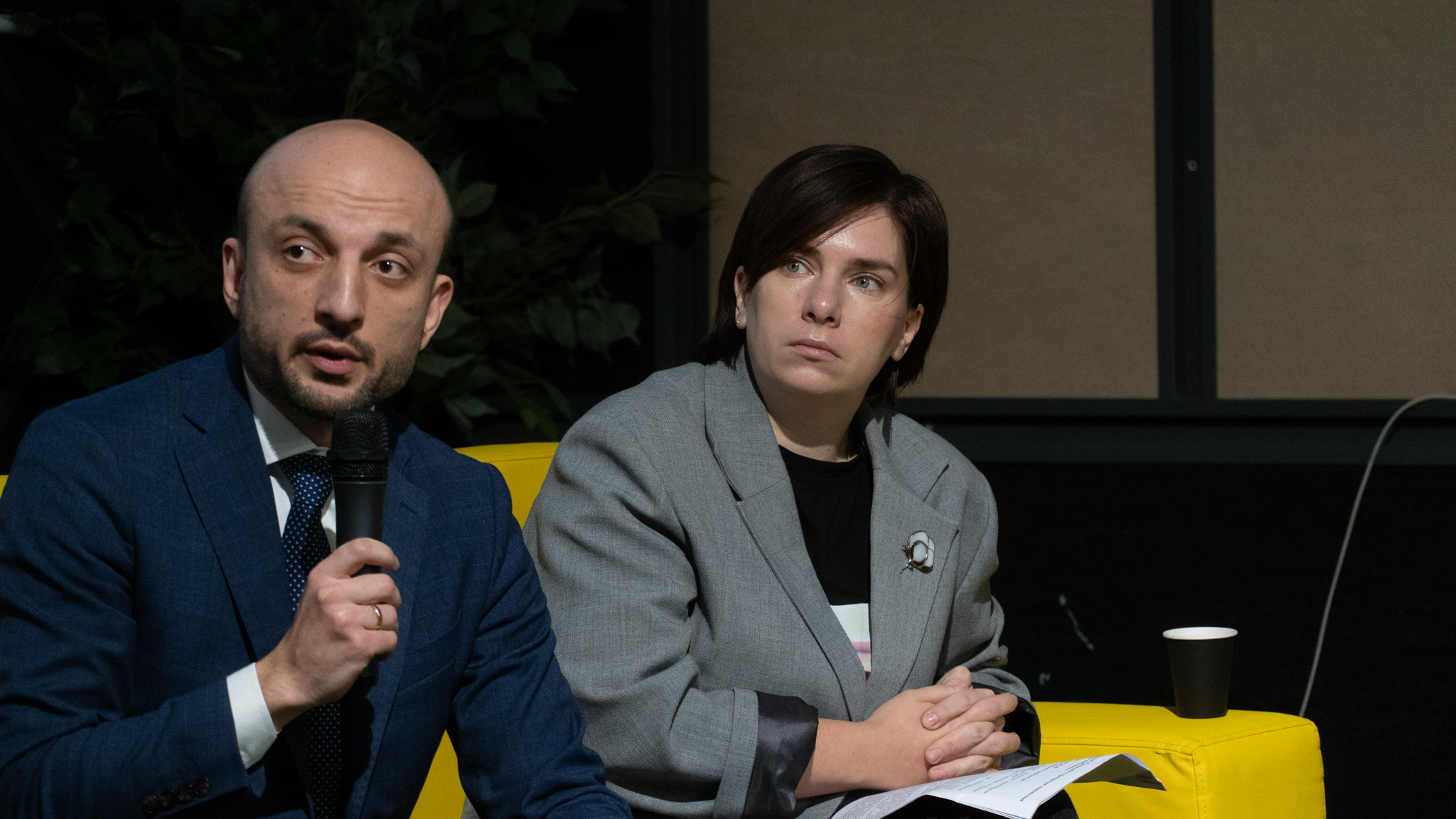 Vitalii Sekretar, Olha Kuryshko
Permanent Representative Olha Kuryshko summed up that joint work with the Prosecutor’s Office strengthens international advocacy, as the evidence gathered and proceedings become grounds for expanding sanctions policy and other pressure on the aggressor state, and the constant exchange of information allows for more effective protection of the rights of Crimeans in the occupied territories.
You can find more detailed information about the results of the work of the Prosecutor’s Office of the Autonomous Republic of Crimea and the city of Sevastopol here.