Abduction and militarisation of Ukrainian children — a threat to Europe: Onysiia Syniuk spoke on the sidelines of the Munich Conference
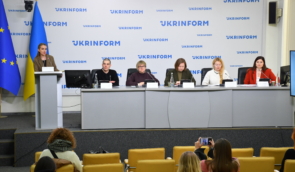
On 14 February 2026, Onysiia Syniuk, Head of Research Department of the Human Rights Centre ZMINA, joined a panel discussion “Children as Weapons: How Russia’s Abduction of Ukrainian Children Threatens European Security” at the Munich Security Conference. The event took place on the Liberty Stage at Ukraine House, a new separate conference venue created this year next to the main venue and entirely dedicated to Ukrainian issues, ranging from security and energy matters to human rights.
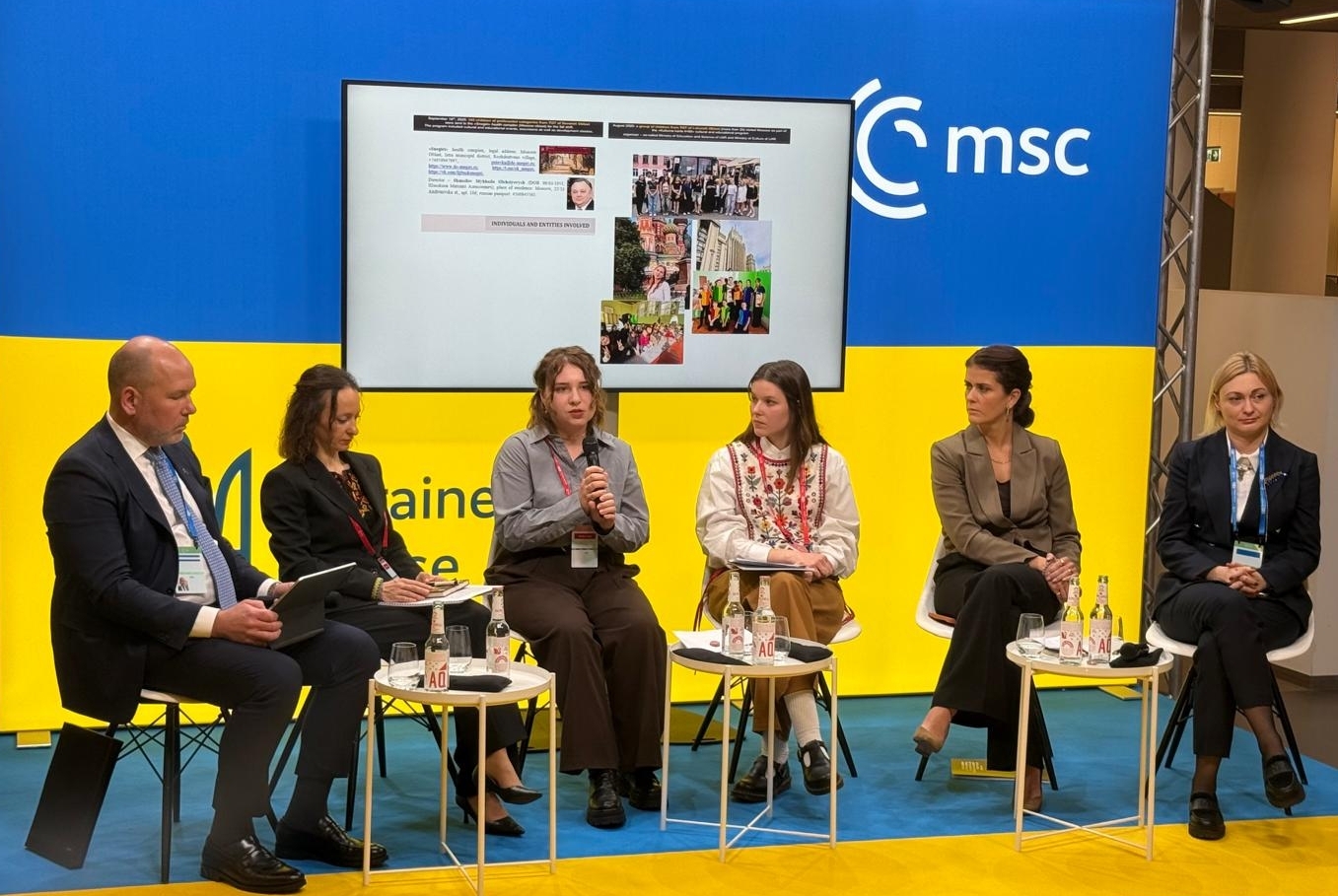
The panel on Ukrainian children drew the attention of the international security community to Russia’s systematic policy aimed at the abduction, forcible displacement, indoctrination and militarisation of Ukrainian children.
The discussion was moderated by Pavlo Grod, President of the Ukrainian World Congress. Other panelists included: Thordis Kolbrun Reykfjord Gylfadottir, Special Envoy of the Council of Europe on the Situation of Children in Ukraine, former Minister of Foreign Affairs of Iceland; Oksana Hinchuk, Advocacy Advisor for the Ukrainian Child Rights Network; Olha Monakh, Vice-President of the Franco-Ukrainian Association — Association Franco-Ukrainienne Côte d’Azur (AFUCA), Kids at Home UA; Yevheniia Kravchuk, Member of Parliament of Ukraine, Deputy Chair of the Verkhovna Rada Committee on Humanitarian and Information Policy.
During her speech, Onysiia Syniuk emphasised that the deportation of Ukrainian children is just one of the tools of Russia’s systematic and broader policy: “The deportation of children under the guise of “evacuation” or “trips to camps” is not the ultimate goal, but only a tool. Russia’s strategic goal is to erase the Ukrainian identity of children“.
According to her, to this end, the Russian Federation employs a comprehensive system of influence, which includes a Russian educational programme with narratives justifying aggression against Ukraine, meetings between children and Russian military personnel involved in armed aggression against Ukraine, and so-called veterans, a network of militarised youth organisations that foster loyalty to the aggressor state and train future military personnel.
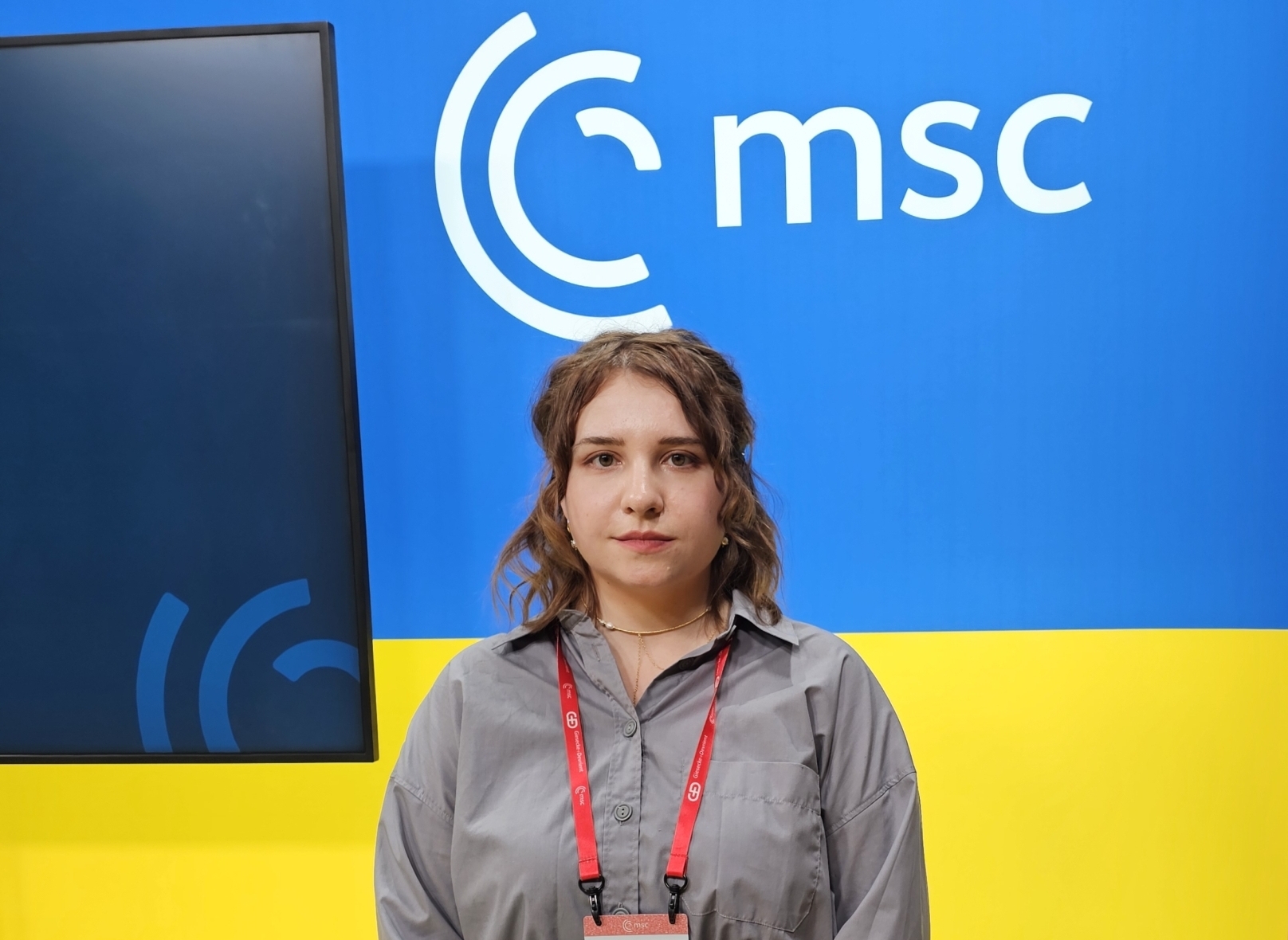 Photo: Onysiia Syniuk
Syniuk drew particular attention to forced passportisation: “In a very literal sense, Russia is changing the identity of children by imposing Russian citizenship on them and forcing them to swear allegiance to Russia. Passports are handed out to Ukrainian children publicly, in front of television cameras. The children are placed in the care of Russian families or put up for adoption“.
As the Head of Research Department of ZMINA noted, while deportation was one of the main tools used in the occupied territories in 2022, as of 2026, Russia has the ability to use all other mechanisms of influence without the need to physically relocate children. After holding illegal “referendums”, the Russian Federation extended its legislation, judicial system, law enforcement agencies, and administration to the occupied territories. As a result, all elements of policy — from education to passportisation — are applied directly to children who remain under occupation.
According to various estimates, there are currently around 1.6 million Ukrainian children in the temporarily occupied territories.
“Approximately 1.6 million Ukrainian children remain in the temporarily occupied territories today. They are growing up in an environment of Russian propaganda, militarisation and imposed identity. In fact, a generation is being formed that tomorrow any dictator will be able to use in their wars“, stated Yevheniia Kravchuk.
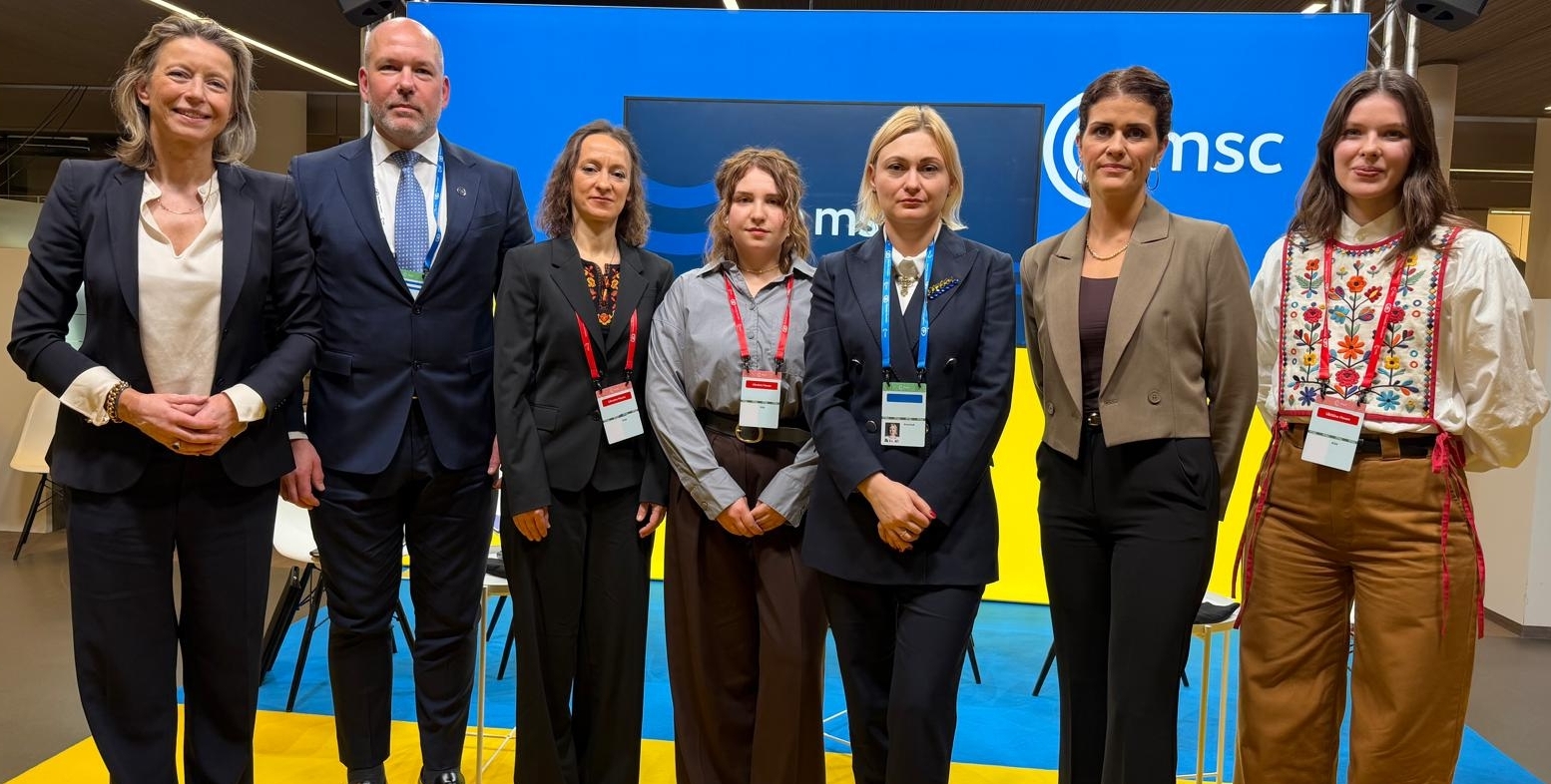
Onysiia Syniuk emphasised that this entire system of indoctrination and militarisation of Ukrainian children demonstrates Russia’s lack of intention to stop. She added that impunity only encourages the aggressor state to escalate its violations: “Russia does not feel the inevitability of accountability when arrest warrants issued by the International Criminal Court are not enforced. Greater international pressure is needed in response to deportation, militarisation, indoctrination, and passportisation as elements of a comprehensive system. Russia is trying to distort reality by presenting sporadic “family reunions” as a solution to the issue of returning Ukrainian children, while refusing to provide any information about children who have been forcibly displaced and deported. Those responsible for these crimes must be subject to sanctions and clearly understand that they will be held accountable. In the context of returning Ukrainian children, the creation of the International Coalition for the Return of Ukrainian Children and the UN General Assembly Resolution on the return of Ukrainian children are important steps in this direction. At the same time, it is important that the coalition has a clear action plan and that the provisions of the resolution are implemented in practice“.
The participants in the discussion stressed that this is not only a humanitarian problem, but also a long-term threat to the security of Ukraine and of Europe as a whole. The return of Ukrainian children and bringing those responsible to account must remain a priority of the international agenda and negotiations until every child is back home in Ukraine.
If you have found a spelling error, please, notify us by selecting that text and pressing Ctrl+Enter.