ZMINA discussed transatlantic relations at the Belgrade Security Conference
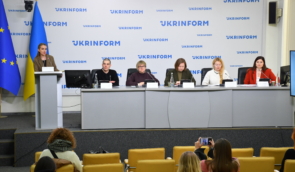
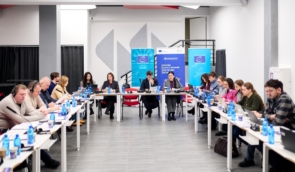
The second day of the Belgrade Security Conference “Pathways to Freedom” started with the roundtable discussion “Transatlantic Relations: Still a Pillar of International Order?”, moderated by Aleksandra Godfroid, Producer and Reporter at N1 Television. ZMINA’s Legal Analyst Diana Deputat joined it as a panelist.
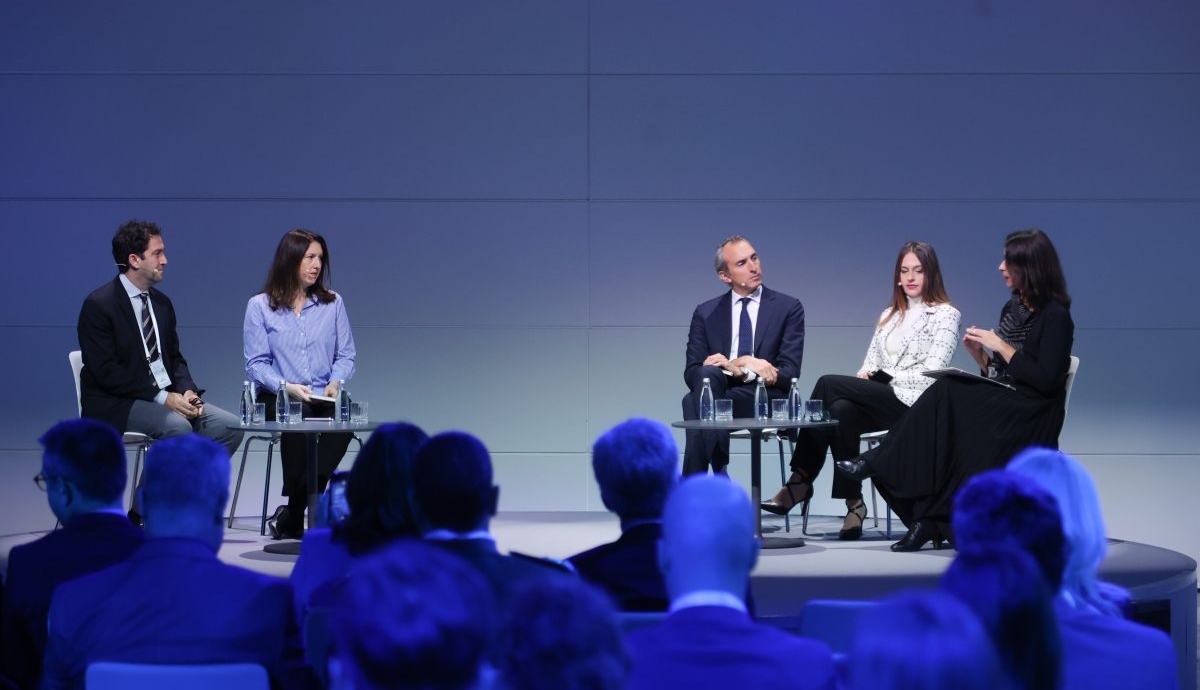 Photo credits: Belgrade Security Conference
The panelists agreed that transatlantic relations are undergoing a profound crisis, driven by the erosion of the values on which they were built and by an international order increasingly unable to respond to global challenges. Although the current US administration uses stronger language in transatlantic diplomacy, longstanding structural tensions between Washington and the EU persist, rooted largely in Europe’s deep dependence on American security and strategic leadership. The wars in Ukraine and Gaza, each in different ways, illustrate the consequences of this weakening transatlantic bond.
Rem Korteweg, Senior Research Fellow at the Clingendael Institute, highlighted two major factors reshaping the international order: the US retreat from multilateral institutions and the ongoing transition from a unipolar world to one that is bipolar, multipolar, or still undefined. He emphasised that global stability rests on a strong EU–US partnership, noting that while Europe can build credible conventional defence capabilities, it remains entirely dependent on the American nuclear umbrella. Korteweg described this imbalance as unhealthy, arguing that it limits the EU’s ability to pursue an independent foreign policy. On the war in Ukraine, he cautioned that any externally imposed ceasefire would be unsustainable and must take into account what he termed Russia’s “original sin” of violating a fundamental principle of international relations.
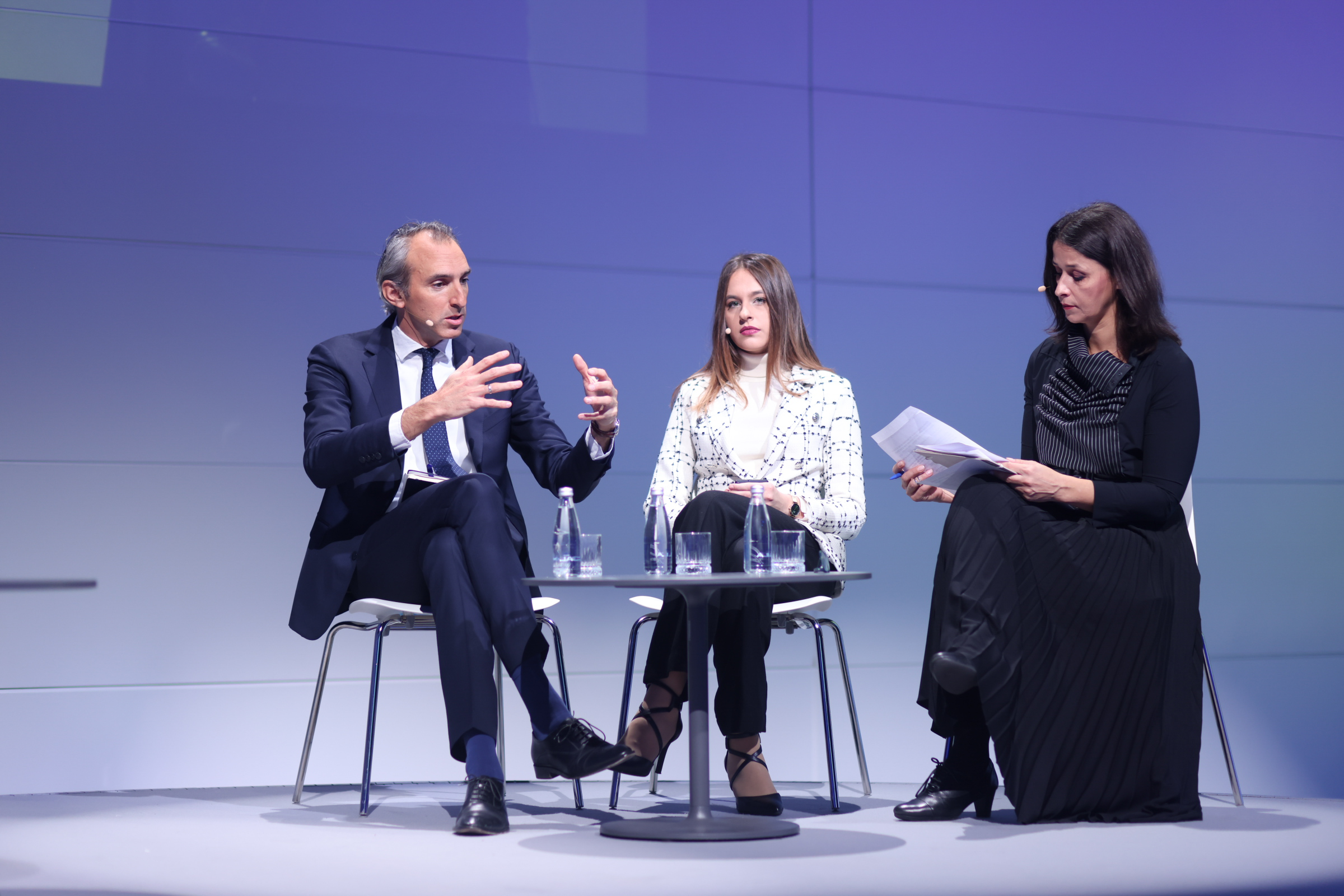 Photo credits: Belgrade Security Conference
Kristen Harkness, Director of the Institute for the Study of War and Strategy at the University of St Andrews, underlined the need for the EU to develop a coherent approach to its collective defence. She argued that Donald Trump’s personality and rhetoric currently shape the debate on transatlantic relations, weakening deterrence and creating uncertainty about US commitments. She also observed that the United States has used Europe’s strategic dependence to secure economic advantages in Ukraine, including agreements on mineral extraction. Harkness described Ukraine as a democratic and prosperous state that Putin views as a direct threat to his regime, stressing that any peace settlement must ensure Russia cannot launch another invasion.
Omid Memarian, Journalist and Senior Iran Analyst at DAWN, discussed how shifts in US and EU policy reverberate across the Middle East. He noted that the weakening of democratic norms internationally empowers authoritarian regimes and marginalises local civil society organisations. Responding to a question from moderator Aleksandra Godfroid, he argued that the EU should champion the values the United States has deprioritised – particularly democracy and human rights. As an example of constructive, albeit symbolic, European engagement, he cited France’s and the UK’s recognition of Palestinian statehood. Memarian also explained that many Arab states fear Israel and therefore seek security guarantees from Washington, despite limited public support for such policies within the United States.
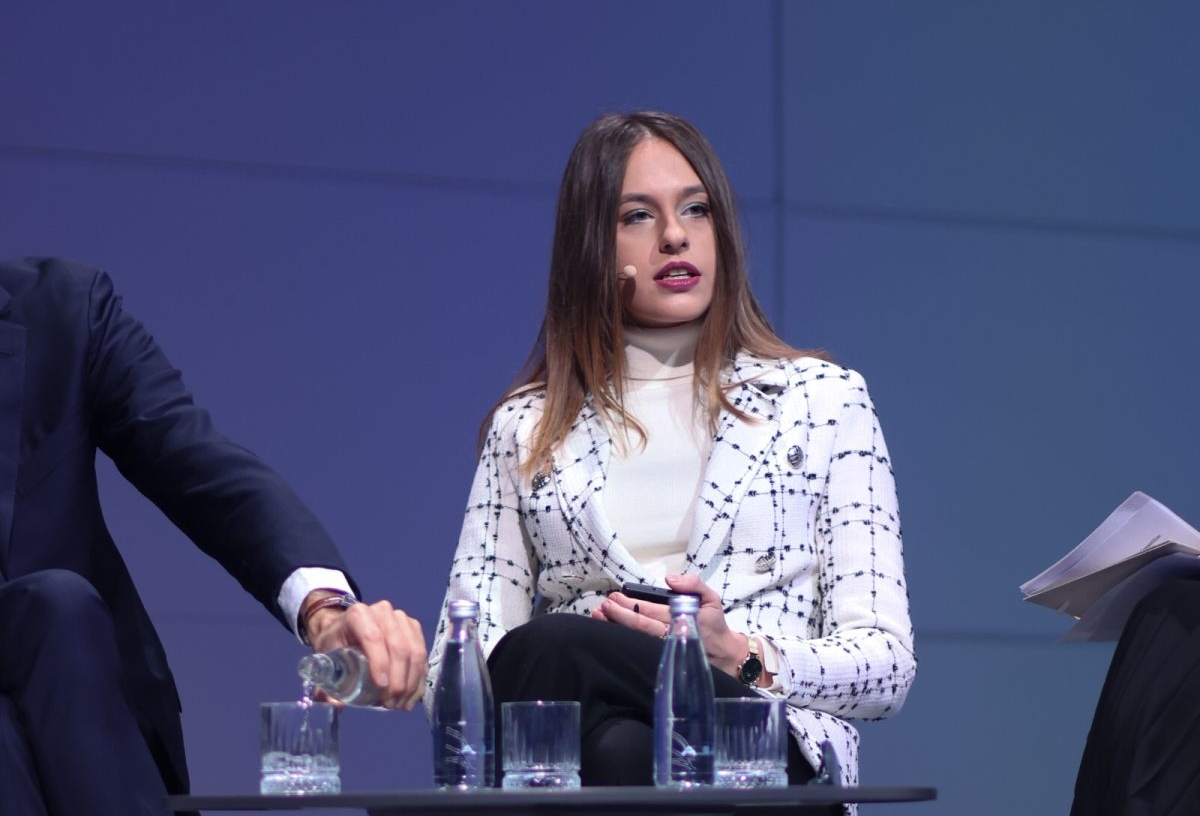 Photo credits: Belgrade Security Conference
Diana Deputat, Legal Analyst at the Human Rights Centre ZMINA, expressed concern about what she perceives as a shift away from previously unwavering Western – particularly American – support for Ukraine. She argued that Ukraine requires sustained assistance to halt the war, and that tensions within the transatlantic partnership directly weaken the country’s military position. Deputat stressed that the proximity of the threat to the EU explains why the wars in Ukraine and Gaza are treated differently on the global stage. If Ukraine falls, she warned, Europe could be next, as Russia will not abandon its ambition to dominate the continent. “Allowing us not to have justice will allow for new injustice,” she said, adding that such an outcome could even threaten the cohesion of the EU itself.
This material is republished from the Belgrade Security Conference.
Original source: Transatlantic Relations: Still the Cornerstone of the International System?
If you have found a spelling error, please, notify us by selecting that text and pressing Ctrl+Enter.