War, challenges and the path to resilience: ZMINA’s forum brought together women researchers, journalists and activists
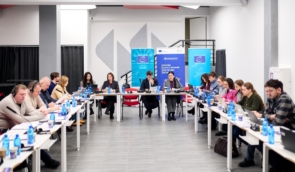
On 28 November 2025, the forum “Women in Human Rights: War, Challenges and the Path to Resilience” was held in Kyiv, organised by the Human Rights Centre ZMINA. The event brought together 50 women researchers, journalists, activists and human rights defenders to discuss issues that are usually ignored: pressure, danger and burnout, but also new forms of solidarity and support.
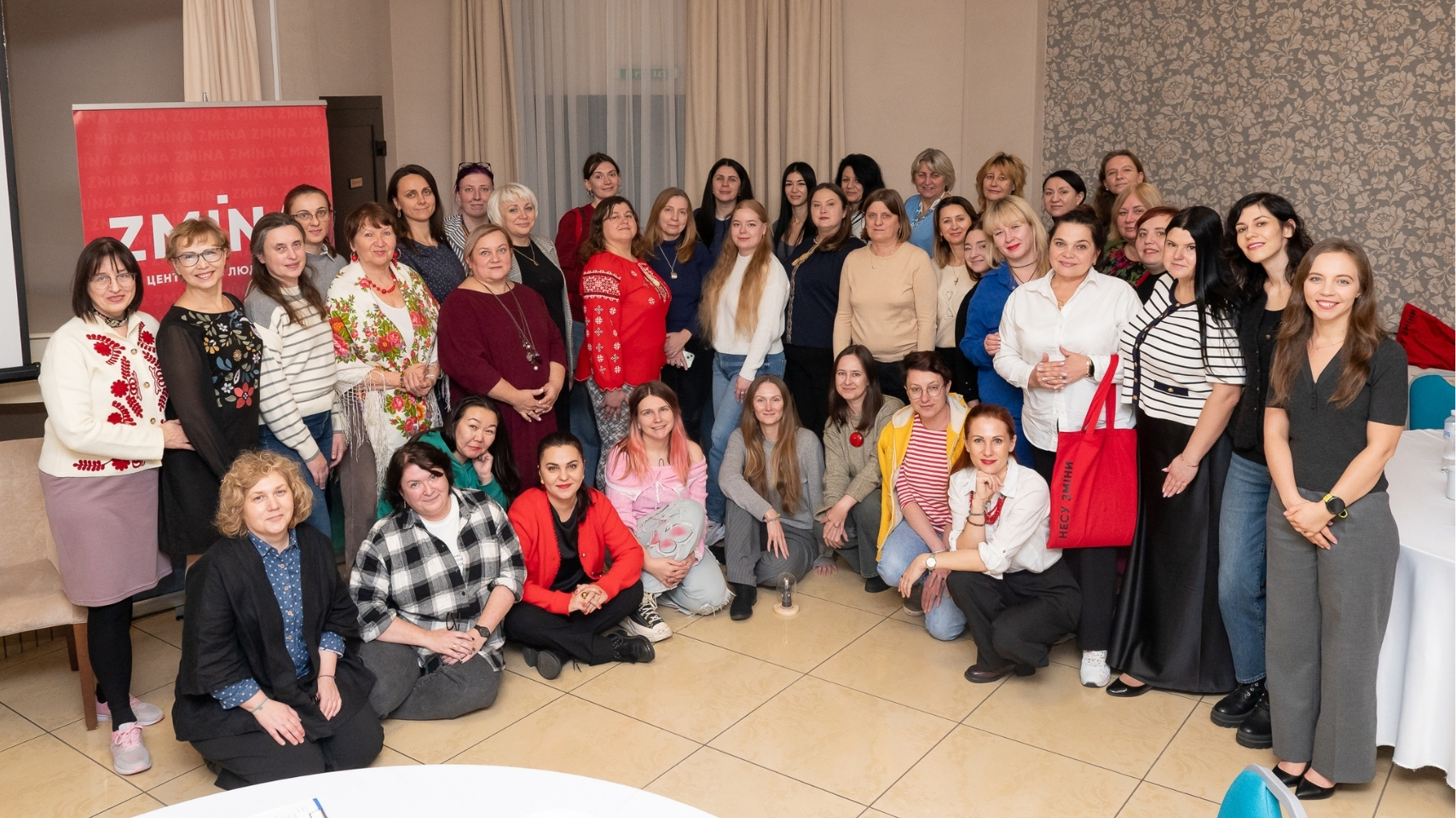
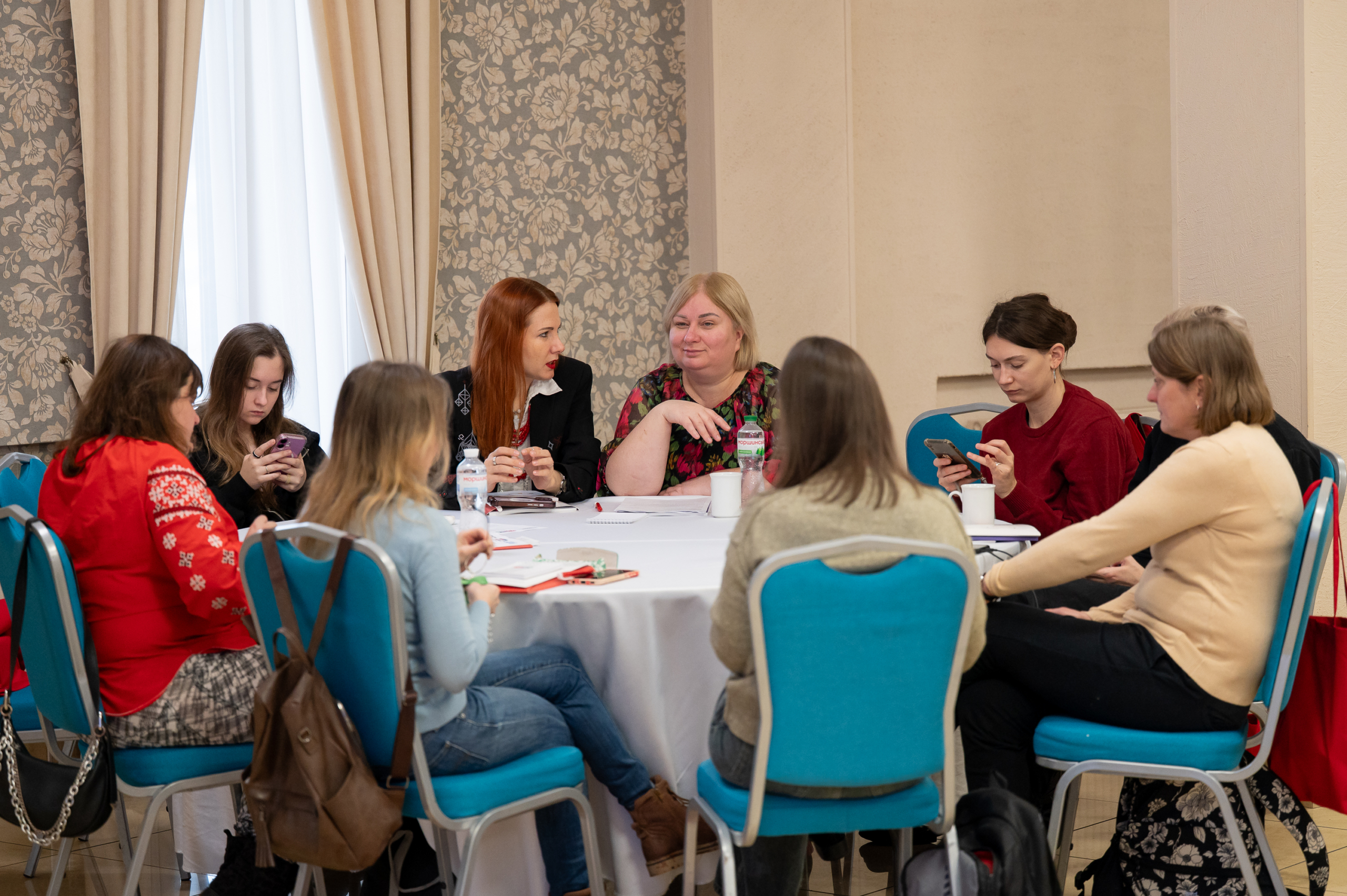
In the morning, women from different regions and professional fields gathered in a spacious hall. They exchanged brief introductions and work-related comments. All participants share a common experience — they work in wartime conditions, where every professional decision involves additional risks and personal safety issues.
Tetiana Pechonchyk, Head of the Board of the Human Rights Centre ZMINA, opened the forum by saying that the war has changed not only the rules of work for women human rights defenders, but also the very nature of threats. At a time when danger never disappears, women in the field of human rights remain at the very centre of events — in the information field, in courts, and in the media. And they often do so with almost no support.
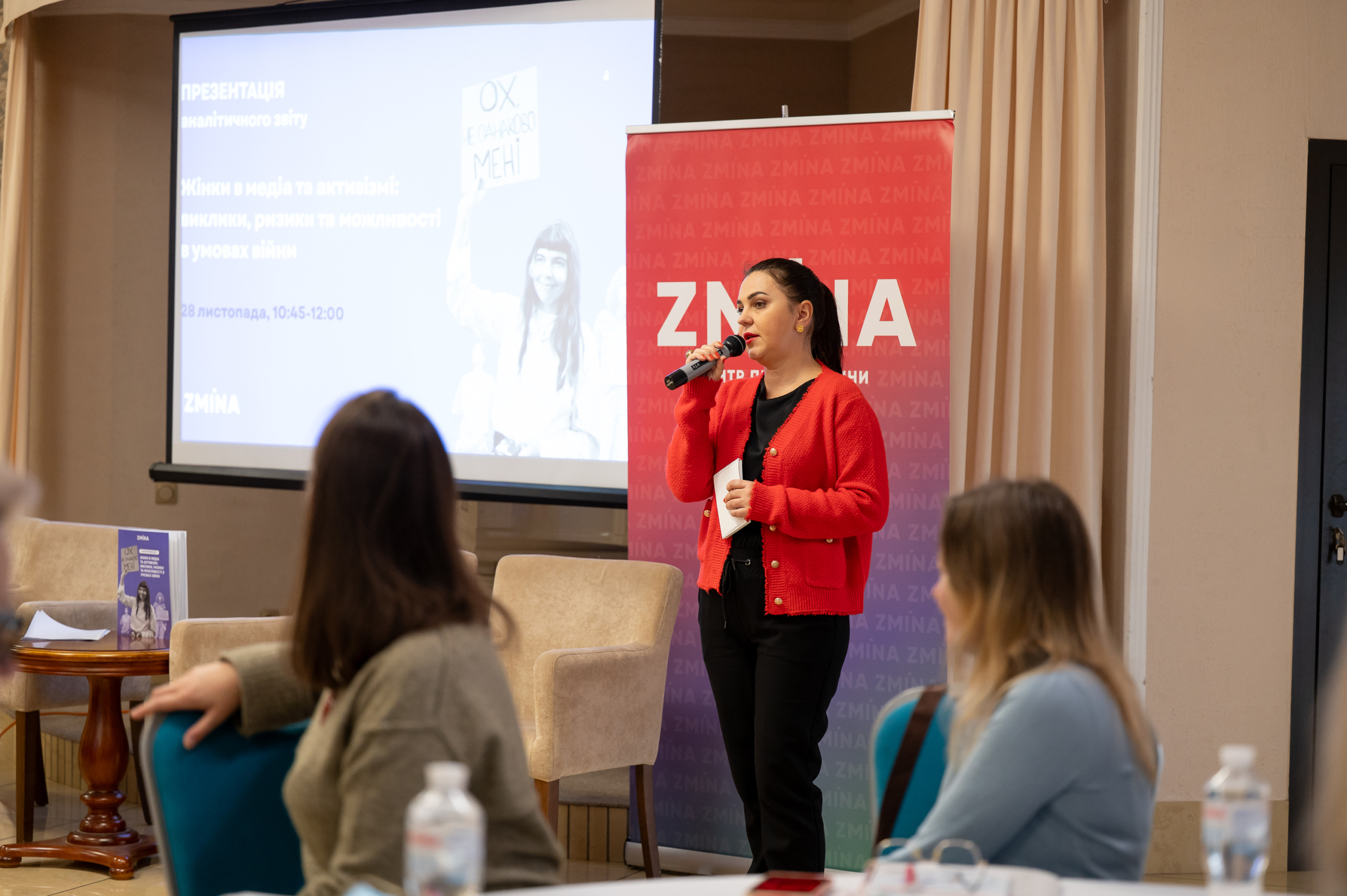 Photo: Tetiana Pechonchyk
Women in media and activism: how to work when the country is at war
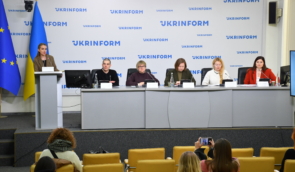
The substantive part of the event began with a presentation of ZMINA’s analytical report on the situation of women in the media and civic sector and a discussion of key trends that emerged during the full-scale war. Iryna Yuzyk, a project manager of ZMINA, explained how the idea for the study came about. She explained that the full-scale invasion had drastically changed the working conditions of women journalists, activists and human rights defenders: today, their work requires not only professional skills, but also psychological resilience and the ability to operate under pressure from state structures, in situations of reputational attacks or under constant online threats. According to her, it was these circumstances that prompted the team to conduct a comprehensive analysis of what women in the sector face and what forms of support they need.
Sociologist Tamara Martseniuk, who has been researching women’s participation in the human rights movement for many years, emphasised that women have always been a central force in social initiatives — from the Revolution of Dignity to the volunteer and advocacy projects that emerged after 2014. She stressed that the report’s findings confirm two parallel trends: on the one hand, the growing visibility of women in human rights protection, and on the other, the emergence of new risks, among which digital violence and cyberstalking are growing particularly rapidly. The researcher noted that these threats are changing almost as rapidly as technology, and the state does not yet provide sufficient protection or effective response mechanisms.
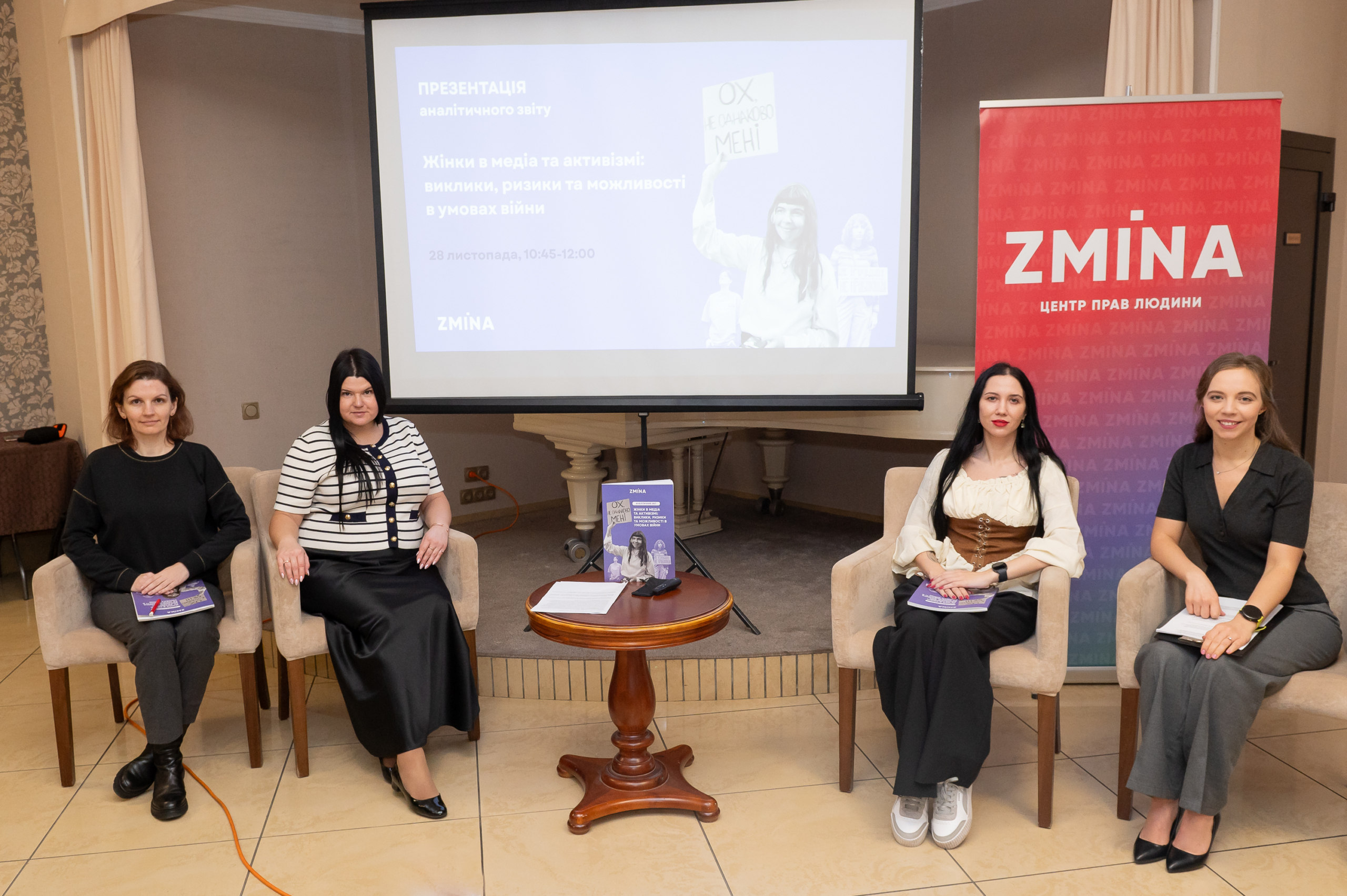 Photo: Tamara Martseniuk, Iryna Yuzyk, Alla Bieloshenko, Liudmyla Tiahnyriadno
Then, Alla Bieloshenko, an analyst at the Democratic Initiatives Foundation, presented the sociological results, which were one of the key sections of the report. According to her, every activist surveyed had experienced persecution, ranging from psychological pressure to physical and gender-motivated attacks. Such pressure often manifests itself in mixed forms; for example, physical threats are almost always preceded or accompanied by psychological intimidation. She drew particular attention to a new layer of risks associated with artificial intelligence and digital technologies: deepfakes, bot farms, mass information campaigns and fakes, which complicate work and exacerbate reputational threats. Bieloshenko emphasised that despite these conditions, women continue to do their work and do not reduce their activity, with mutual support and networking becoming a key source of support for them.
The discussion was moderated by ZMINA journalist and Ukrainian Radio host Liudmyla Tiahnyriadno. She guided the conversation towards finding answers to the questions of what exactly helps women remain resilient and how the civil society sector, the state, and international partners can strengthen their security in wartime.
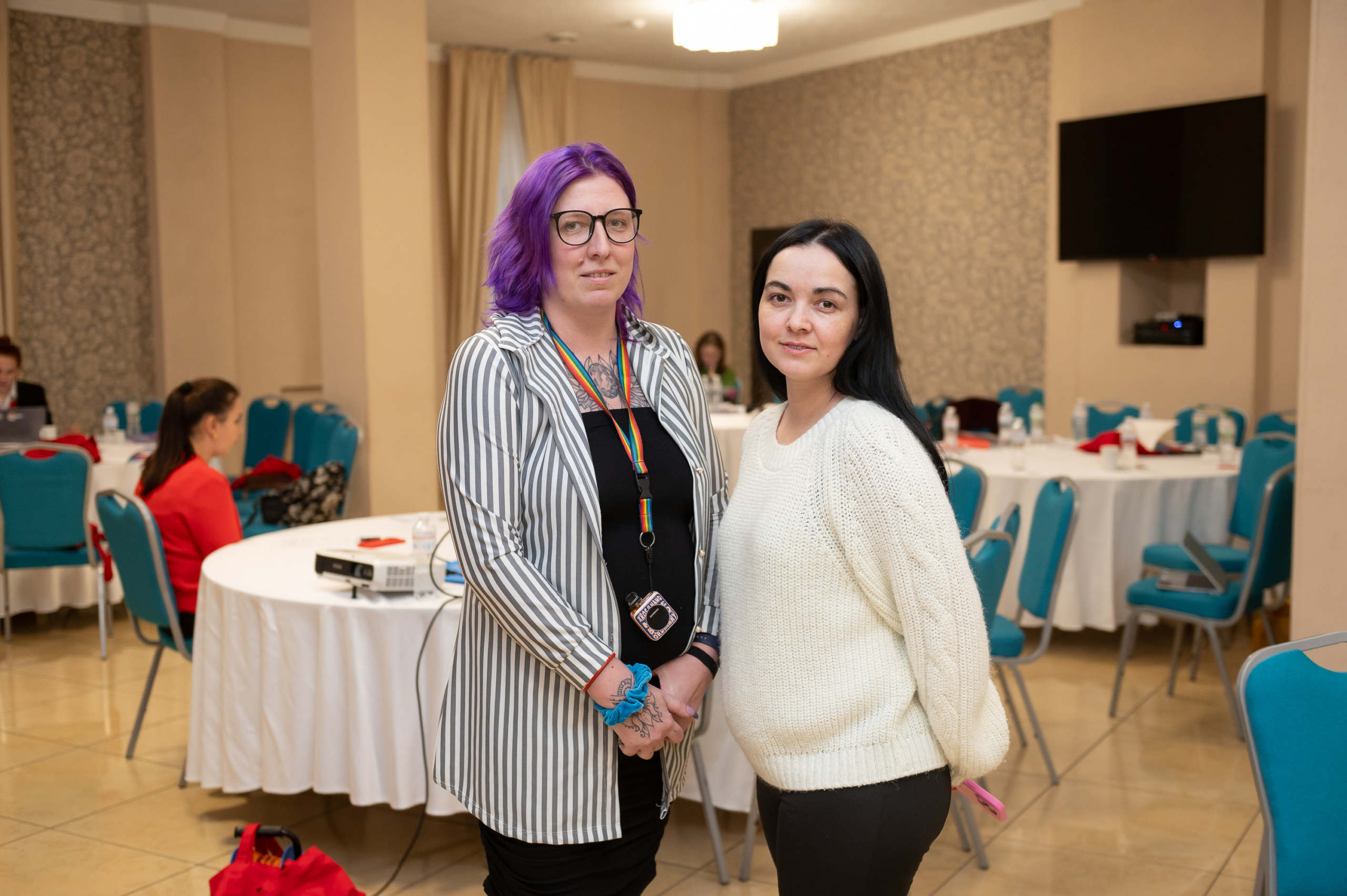
In the crosshairs: persecution of women defending the environment
The second panel brought the audience to another important issue — attacks and pressure on women who protect the environment. What usually remains behind the scenes was spoken about openly here: protecting the environment in Ukraine increasingly means confronting not only illegal construction, but also information attacks, lawsuits and physical threats.
Researcher and environmental expert Oksana Stankevych-Volosianchuk said that any attempt to stop the development of the high mountain ranges of the Carpathians turns into a fight for her personal safety. She spoke about attempts to hack her accounts, mass fakes, waves of anonymous accusations, and cyberattacks on the Ecosphere organisation. Her story is an example of how quickly “green” energy in the hands of certain companies becomes a smokescreen behind which protected areas are destroyed, and those who stand in the way are persecuted.
Investigative journalist Olena Mudra shared another dimension of this problem — the media. According to her, as soon as material about illegal work in the highlands is published, threats, information campaigns, photo manipulation, publication of personal data and even lawsuits immediately begin.
Environmental activist Nataliia Vyshnevska described what resistance looks like on the ground. Her movement against deforestation and the illegal installation of infrastructure for wind farms in the Carpathians has attracted not only community support but also outright hostility. The culmination came when animal remains and blood were left at the door of Nataliia’s relatives, and threats were painted on the walls of the entrance hall. She emphasised that today, activists have to think not only about preserving the forest, but also about basic physical safety.
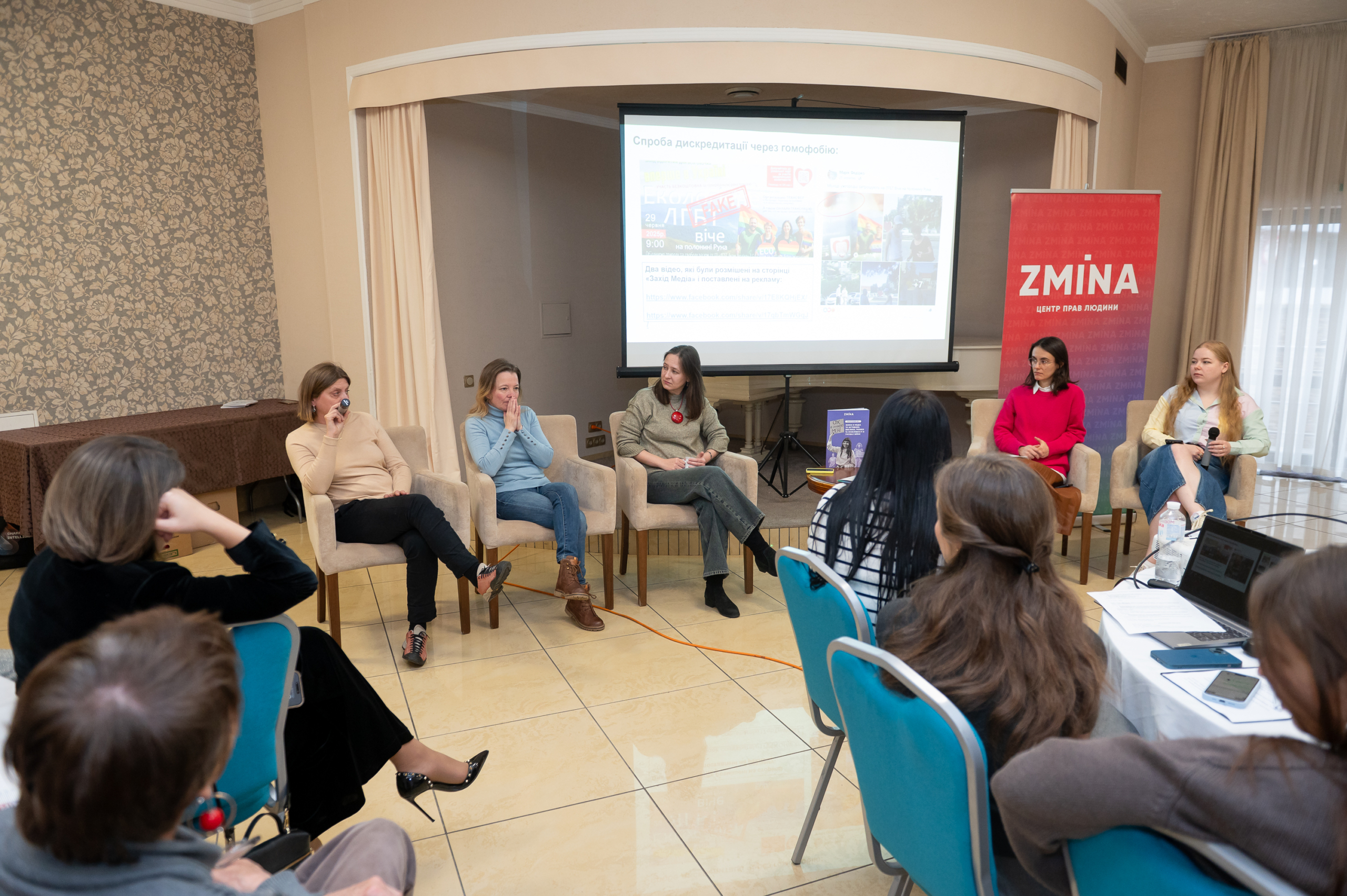
Lawyer Olha Veretilnyk shifted the conversation to the legal sphere, explaining why legal protection in such situations is almost ineffective: websites that spread fake news are often anonymous, quickly transfer content, and change owners. Even if the source can be identified, the damage to reputation has already been done by the time the case goes to court. Olha stressed the importance of rapid response: filing complaints with platforms, recording evidence, reporting to the police, and working with the media to ensure that the counter-narrative is stronger than the imposed fake news.
The panel was moderated by journalist and Editor-in-Chief of ZMINA, Yana Radchenko. This panel reminded us that the fight for the environment is a fight for the right to speak the truth and remain safe.
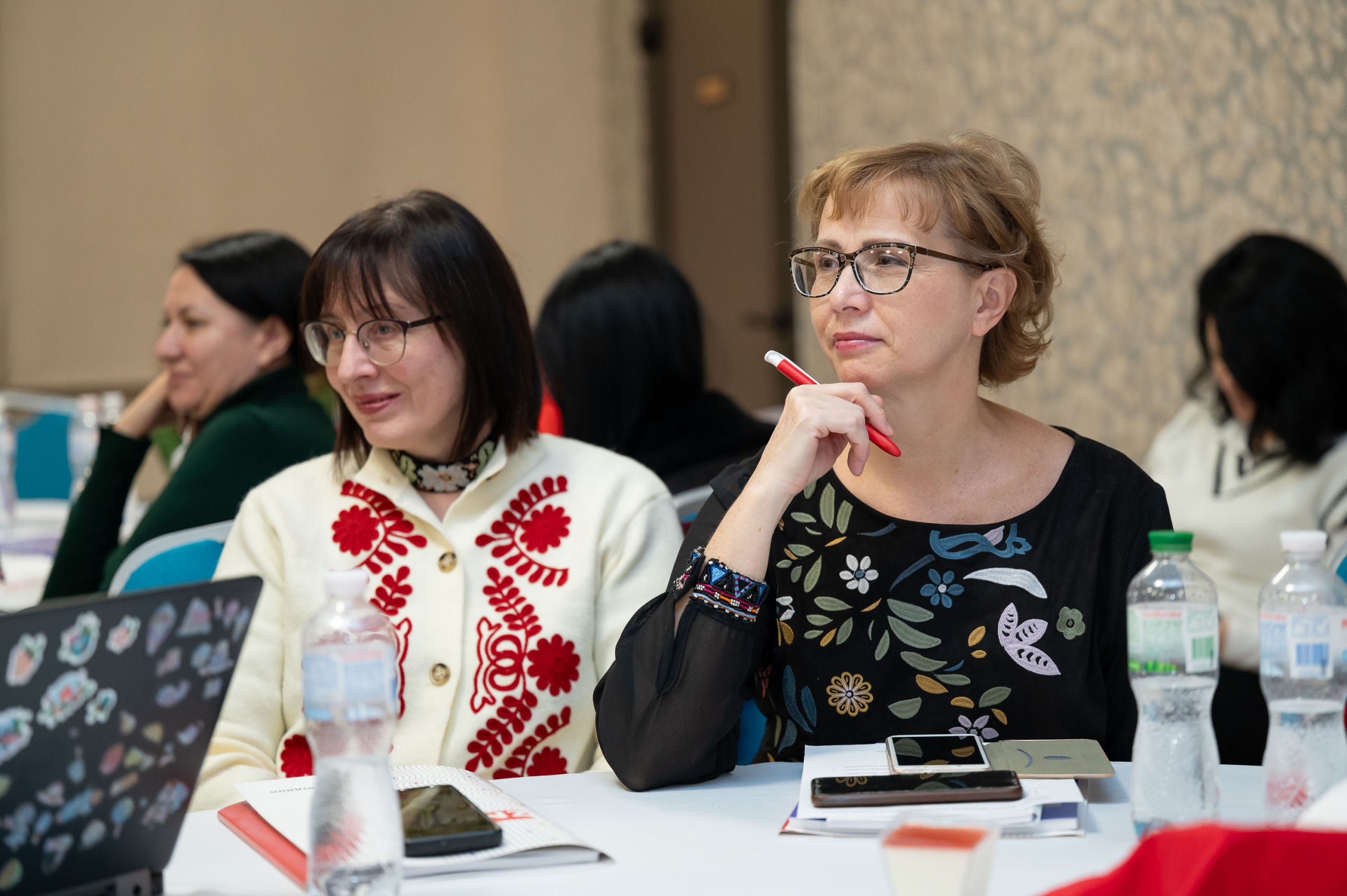
Women in the media during wartime: how to hold the line
After lunch, they discussed the work of women journalists in the regions and at the national level. The editor-in-chief of Kolo, Tetiana Tsyrulnyk, shared her experience: in February 2023, she filed a lawsuit against the then secretary of the Poltava City Council, Andrii Karpov. The journalist demanded protection of her honour, dignity and professional reputation due to Karpov’s posts on social media, which, in her opinion, contained false information about her and provoked a wave of cyberbullying. The case, which has been going on for more than two years, shows that it is extremely difficult to prove cases of online bullying in Ukraine.
Wonderzine founder Anna Khaietska is convinced that the feminist agenda remains extremely important in wartime. She herself has faced doxing: after the publication on 30 October 2023 of the article “Soldiers of the 3rd Separate Assault Brigade resorted to sexism. They were asked about women’s work in the army”, in which Wonderzine journalists examined sexist statements made by military personnel on the YouTube show of the 3rd Assault Brigade, she began to receive threats and offensive messages, and unknown individuals obtained her personal phone number.

This case clearly shows how dangerous and personally targeted online attacks on women journalists can be, and highlights the importance of systematic protection for the media and its employees.
Representative of the public organisation Women in Media, Olena Kushchenko, recalled that this summer, their team prepared a guide “What an editorial office should do in the first 24 hours after an online attack on a journalist”. The document helps the media to act in critical situations and covers the following steps: acknowledging the attack and supporting the journalist, assessing the level of threat, ensuring cyber protection, providing access to psychological support, documenting the incident, involving a lawyer, determining the need for a public response, and warning the editorial office.
The guide also reveals types of threats, manipulation and disinformation, and contains contact details for support services and algorithms for action. The main idea is that an attack on a journalist is always an attack on the entire editorial office, so the media must support and protect their colleagues.
The discussion was moderated by Liudmyla Tiahnyriadno, who focused the conversation on the topics of censorship, persecution, and self-defence in the information field.
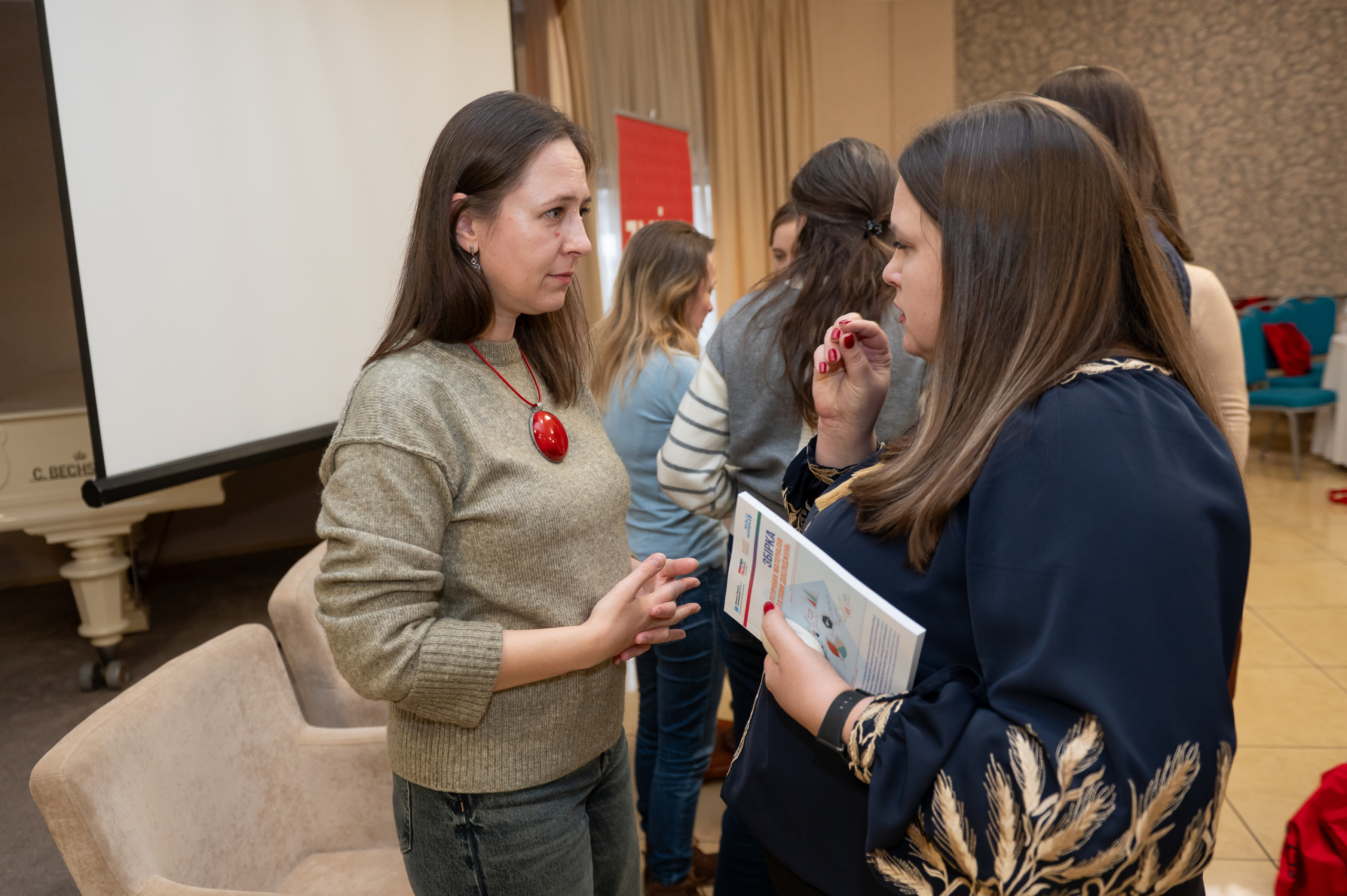
Why do we need gender analysis?
In the evening, participants switched to a more practical topic — the use of gender analysis tools in the work of organisations. The team from the non-governmental organisation Bureau of Gender Strategy and Budgeting — Yuliia Khatsanovska, Nataliia Dmytruk and Yelyzaveta Dubynka — explained that gender analysis is a systematic approach to assessing how policies, programmes, budgets or projects affect different groups of people depending on their gender. It helps to identify hidden inequalities, stereotypes and discriminatory practices that may be embedded at the planning or data collection stage. Thanks to this tool, organisations can make more equitable decisions, avoid unconsciously reinforcing gender gaps and direct resources to where they are really needed.
The participants of the session emphasised that without high-quality data, clear analytical methods and a systematic approach, reforms risk remaining superficial or formal. At the same time, the use of gender analysis not only improves the effectiveness of organisations, but also helps to create a more inclusive society where decisions take into account the needs of all citizens, not just those who traditionally have more influence. The discussion was moderated by Iryna Yuzyk, who asked the representatives of the organisation about practical cases and examples from real programmes where analysis had identified unfair approaches and proposed specific changes to eliminate them.
A forum that has become a space for mutual support
After the official sessions, the forum ended with an open mic session. Women shared their stories, talked about their fears and exhaustion, as well as their courage, humour and the tremendous power of community.
“For me, this event is about love. It combines intelligence, professionalism, and girls who are extremely interesting to talk to. Discussions, research, expert debates — all of this is incredibly valuable, and we will definitely make use of this experience. But for me, it is also an opportunity to be together, to see women who are looking in the same direction, standing side by side and moving in the same direction,” said Olena Nabokova, founder of the Ukrainian Women’s Association.
 Photo: Olena Nabokova
Thus, Women in Human Rights became not only a platform for discussion, but also a place where each participant could see that she was not working in isolation, but in an environment that was ready to support her. And that even during wartime, a space of solidarity can be created with one’s own hands.
The event was concluded by Tetiana Pechonchyk, Head of the organisation, who emphasised: “Even when Russia is trying to destroy our country, and we have no one to rely on, we can always rely on each other. I sincerely thank you all. I already know many of you — I read your posts on social media, follow your cases, research, and articles on the website. Today, I had the opportunity to meet many of you in person. Thank you for coming, because I know how difficult it is to find the time and travel to Kyiv. But we are all here together today, and I am sincerely grateful to you for that“.
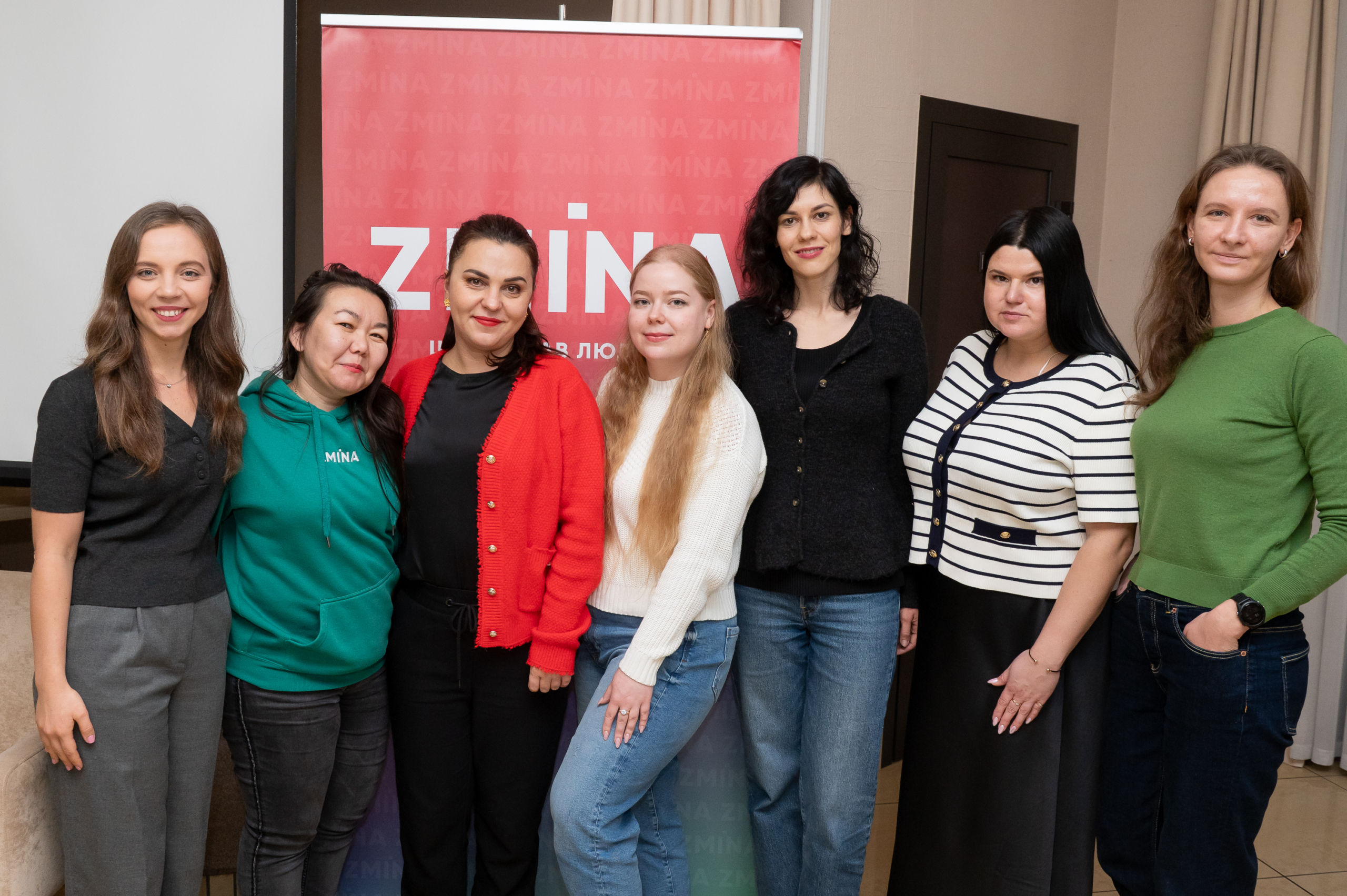
Photo credit: Valeriia Mezentseva
If you have found a spelling error, please, notify us by selecting that text and pressing Ctrl+Enter.