What the state should do in 2026: human rights defenders presented 17 steps to protect the rights of people affected by the war
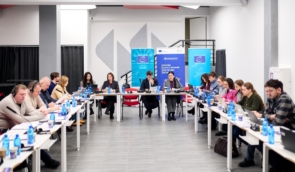
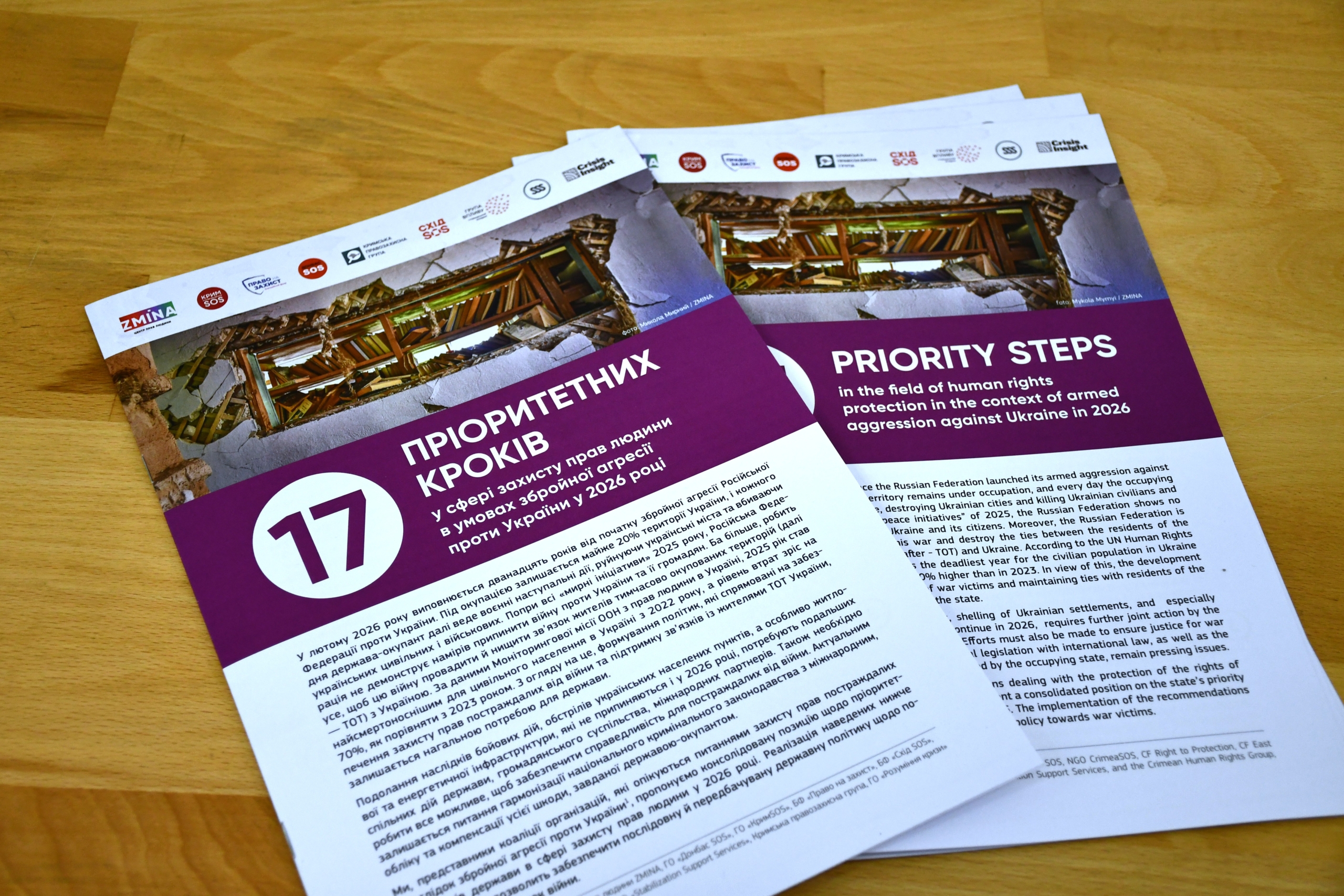
On 3 February 2026, at the Ukrinform news agency, a Coalition of organisations dealing with the protection of the rights of victims of armed aggression against Ukraine presented a roadmap of draft laws and 17 priority steps for the state to take in 2026 in the field of human rights protection in the context of war. The document constitutes a package of recommendations addressed to the President of Ukraine, the Government and Parliament, aimed at strengthening state policy on the protection of the rights of the affected population, as well as at maintaining ties with residents of the temporarily occupied territories.
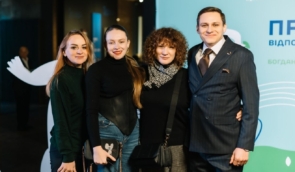
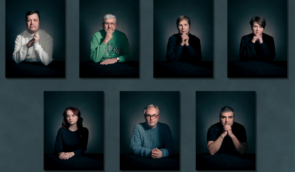
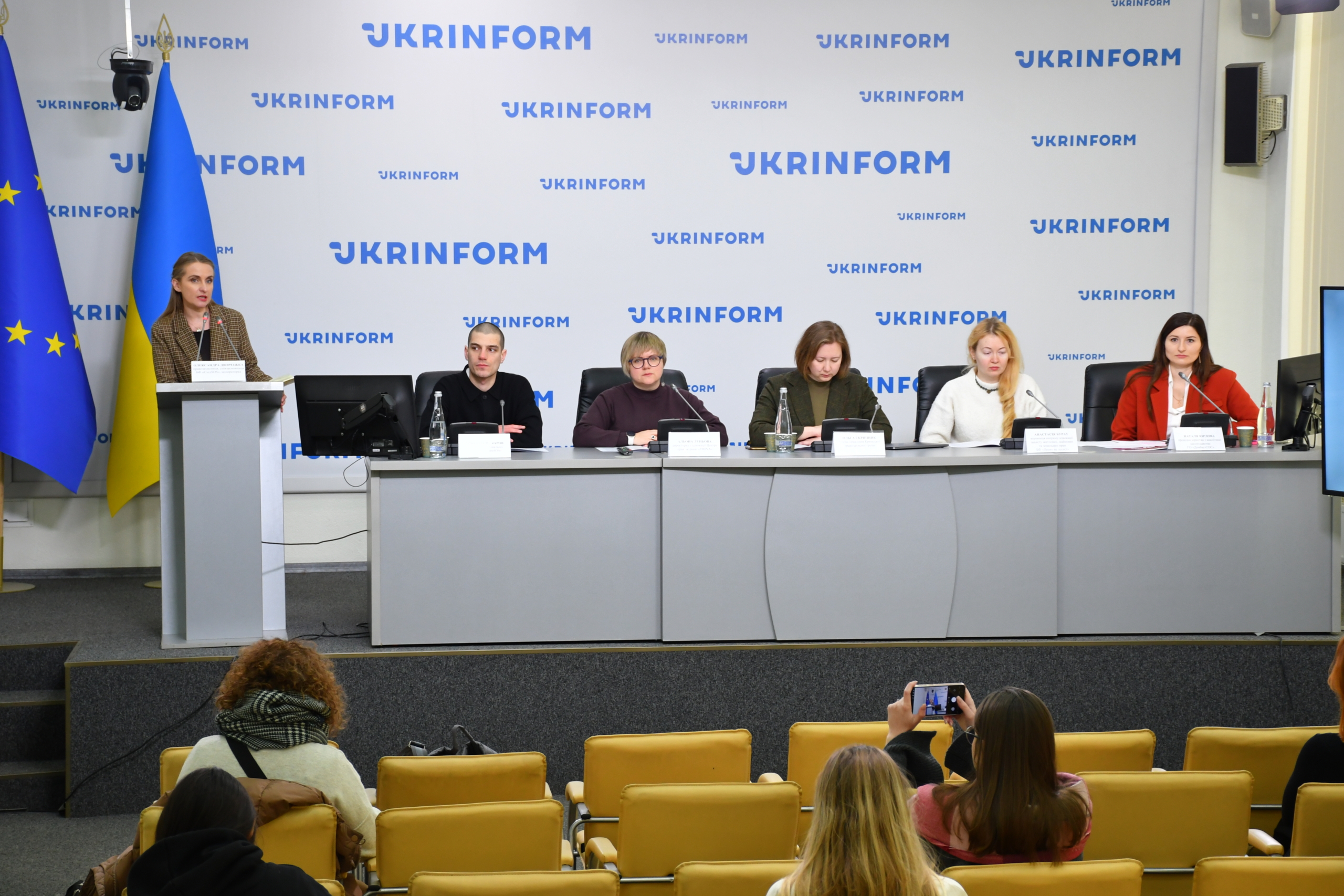 Photo: Oleksandra Dvoretska, Dmytro Spafarov, Alena Lunova, Olha Skrypnyk, Anastasiia Burau, Natalia Yurlova
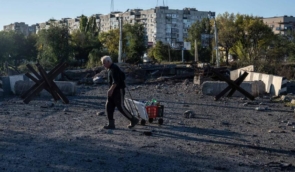
February 2026 marks 12 years since the start of the Russian Federation’s armed aggression against Ukraine. Almost 20% of Ukraine’s territory remains under occupation, hostilities continue on a daily basis, and millions of people have suffered human rights violations as a result of the war. Despite the “peace initiatives” of 2025, the Russian Federation shows no willingness to end its aggression and continues its policy of isolating the residents of the temporarily occupied territories from Ukraine.
The participants of the event emphasised that, under such conditions, the formation and implementation of a comprehensive state policy to protect the rights of people affected by the war remains a critically important task. At the same time, as of early 2026, there is no single entity within the government responsible for developing and implementing such a policy, and the Verkhovna Rada of Ukraine is not ensuring the proper pace of legislative decisions aimed at supporting those affected.
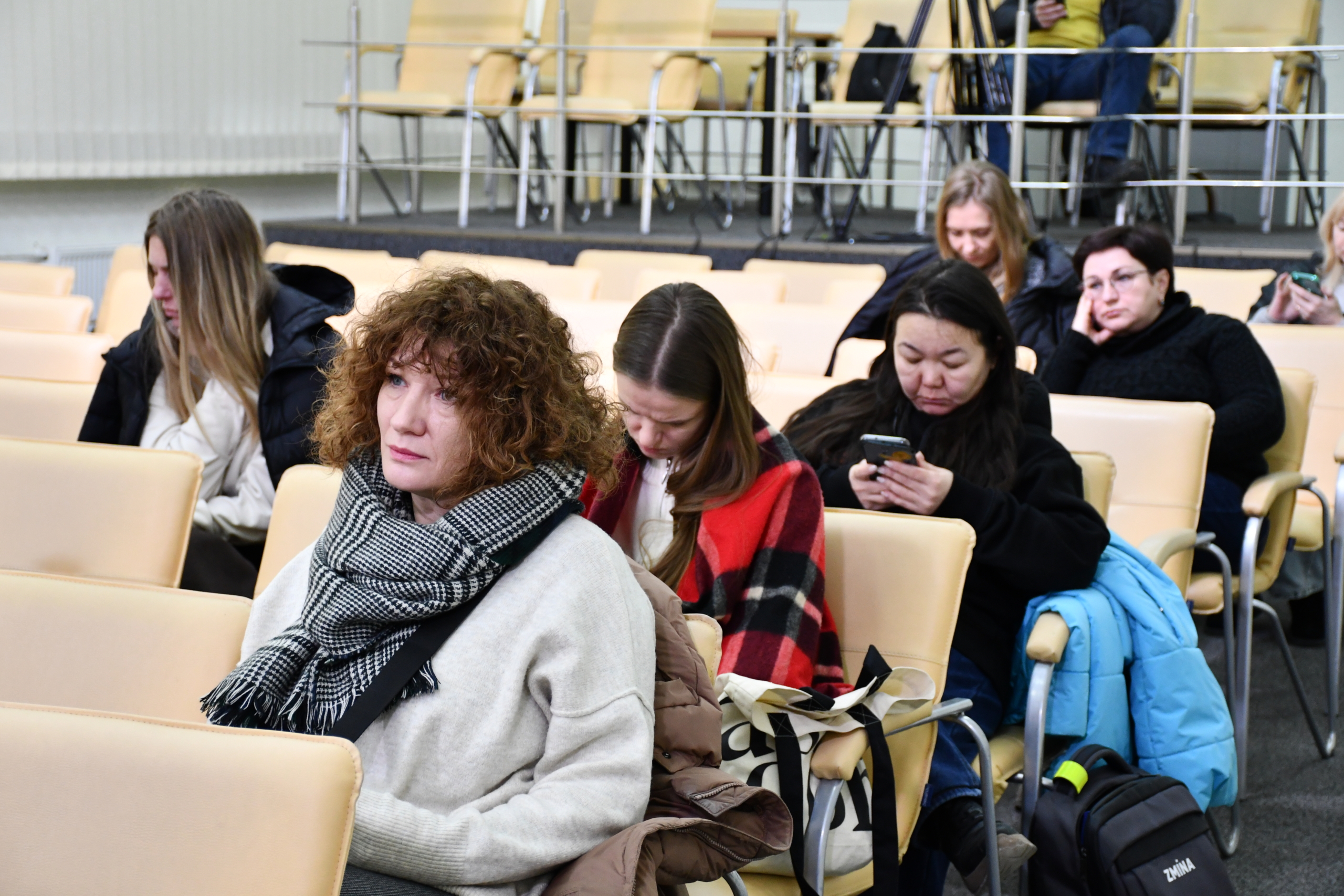
Human rights defenders discussed expectations for 2026 in the field of protecting the rights of people affected by the war, identified legislative initiatives that are a priority for adoption, and drew attention to draft laws that could pose a threat to the rights of victims.
The event was moderated by Oleksandra Dvoretska, human rights defender and Co-founder of the CF East SOS. She noted that the documents presented are the result of joint work by a coalition of organisations that have been working systematically with people affected by the war for over 10 years: “They ensure continuity of approaches, are based on the real needs and experiences of people, and offer a human-centred vision of public policy based on human rights. This is an example of civil society forming strategic guidelines in an area where there is no single state centre of responsibility“.
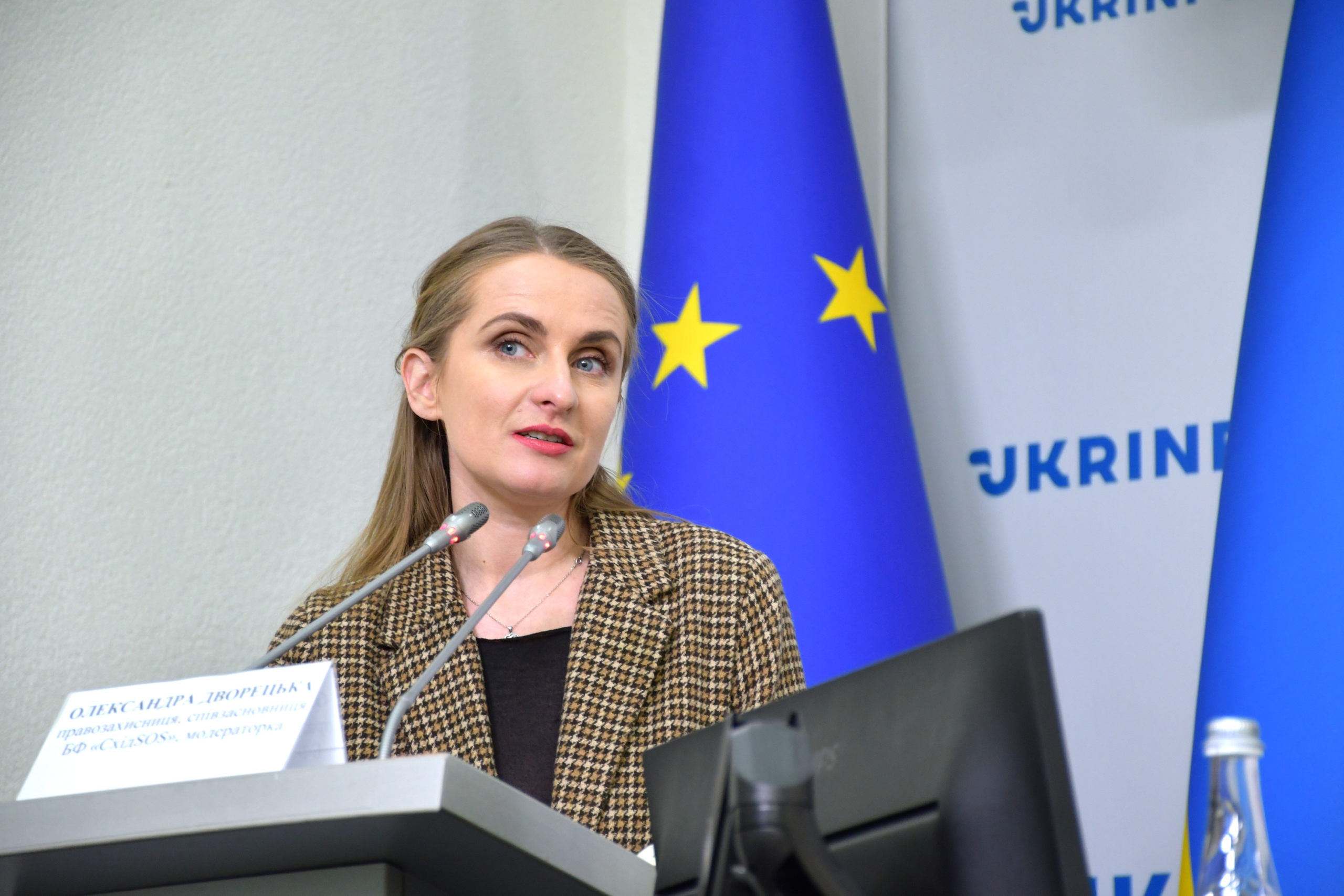 Photo: Oleksandra Dvoretska
Alena Lunova, Advocacy Director of the Human Rights Centre ZMINA, emphasised that the President of Ukraine appeared in the coalition’s list of recommendations for the first time this year: “We believe that this year we should address some of the recommendations specifically to the President, because these issues fall within his sphere of responsibility. For example, this includes protecting the rights of war victims in the peace negotiation process and developing a balanced security strategy for residents of the occupied territories. We are also convinced that it is the President of Ukraine who should communicate and coordinate issues related to the departure of children and youth from the occupied territories. A comprehensive support system at the government level should be created for this category of victims“.
Lunova also noted that human rights defenders expect the President of Ukraine to pay attention to appointing a government official responsible for developing and implementing state policy regarding people affected by the war. Almost a year without a single entity responsible for this policy area highlights the negative consequences of the decision to liquidate the Ministry of Reintegration of the Temporarily Occupied Territories.
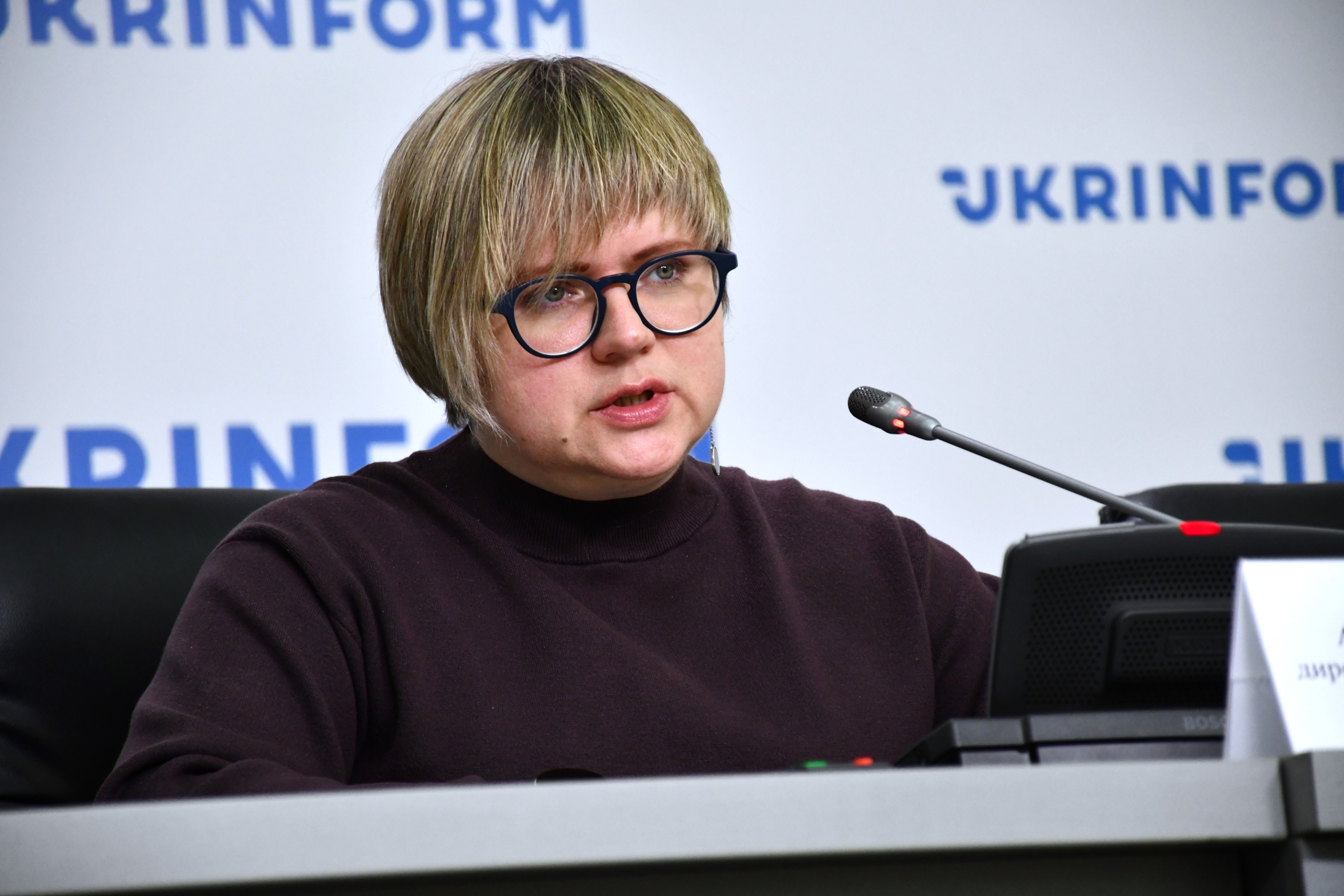 Photo: Alena Lunova
The Chair of the Crimean Human Rights Group, Olha Skrypnyk, focused on what the state needs to do to support people affected by armed aggression, including international crimes committed by Russians against civilians.
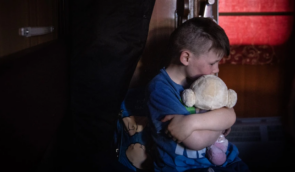
“Hundreds of thousands of civilians have suffered from unlawful deprivation of liberty, torture, enforced disappearances, and sexual violence. Russians continue to commit serious crimes against civilians. At the same time, the state lacks a comprehensive and consistent system of state support for victims, including civilians who have been arbitrarily deprived of their liberty. Therefore, our organisations insist on the introduction of a basic support system for all persons whose lives or health have been harmed by Russian crimes, including civilians who are currently unable to prove the fact of their deprivation of liberty in accordance with the established procedure“, the human rights defender stressed.
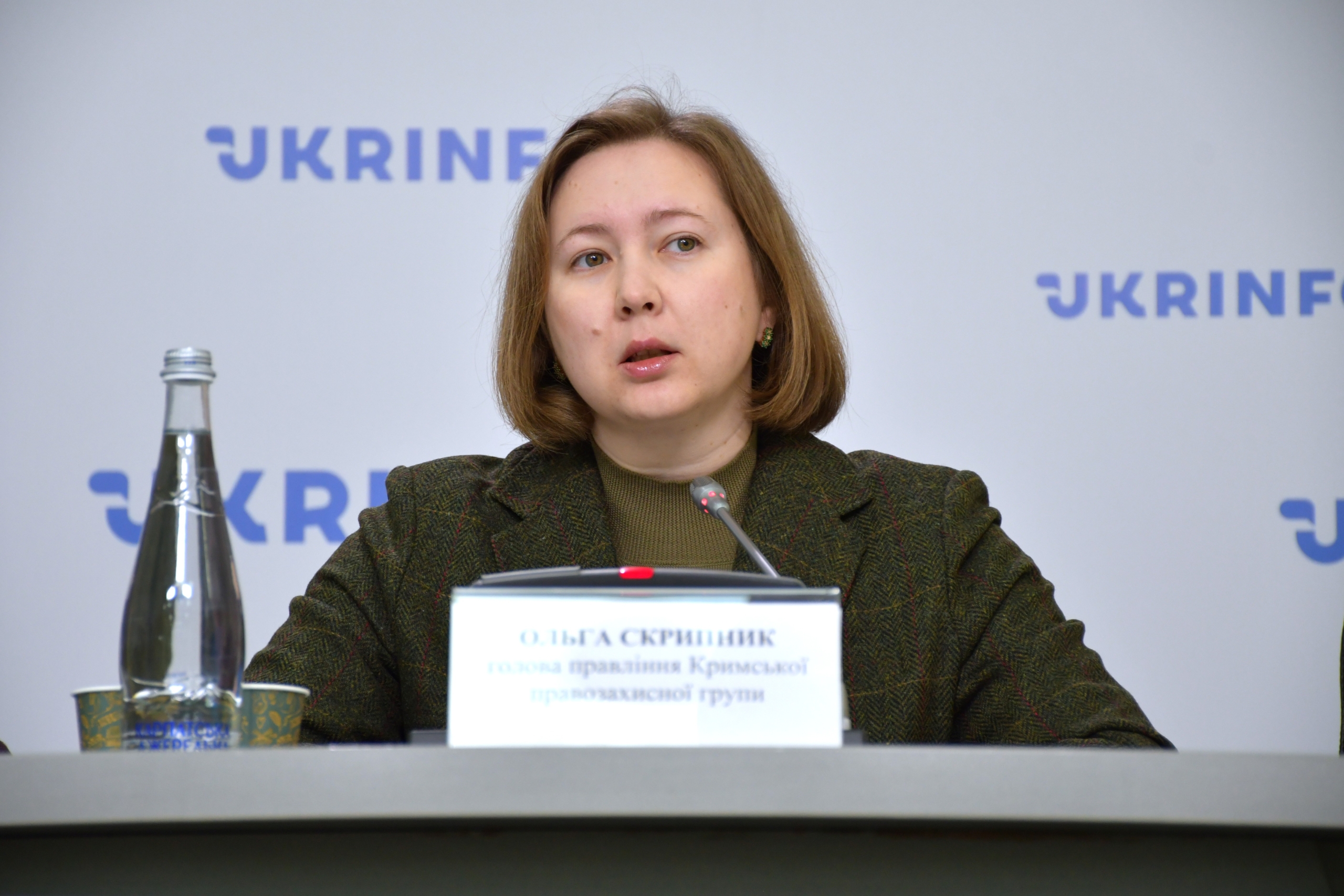 Photo: Olha Skrypnyk
Anastasiia Burau, Head of Advocacy for Housing, Property and Land Rights of the CF Right to Protection, emphasised the need for additional efforts to ensure the proper functioning of the national mechanism for providing compensation for housing destroyed and damaged as a result of armed aggression against Ukraine: “Last year brought a number of important improvements in the regulation of the national compensation mechanism, in particular the establishment of a procedure for remote inspection of destroyed housing and the introduction of a mechanism to assist certain categories of internally displaced persons from the temporarily occupied territories using housing vouchers. However, the latter critically needs to be expanded in terms of the recipients of such assistance. However, these steps are currently insufficient to eliminate the existing systemic gaps and barriers to accessing the compensation mechanism for many victims. As before, this mechanism remains inaccessible to those whose homes were destroyed or damaged before the start of the full-scale invasion or were located in the temporarily occupied territories as of 24 February 2022. Ensuring adequate protection of the rights of such persons will require additional efforts on the part of legislators“.
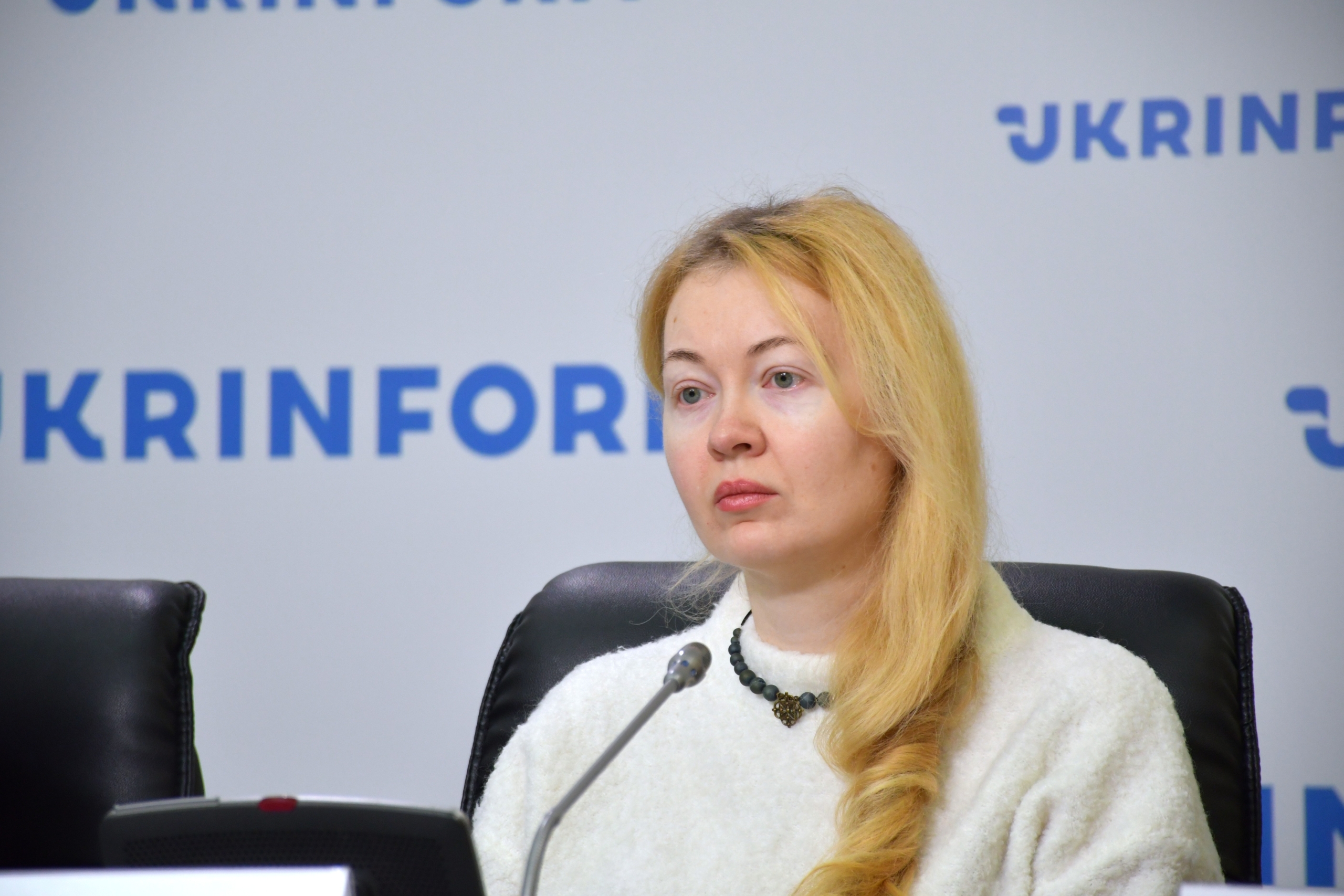 Photo: Anastasiia Burau
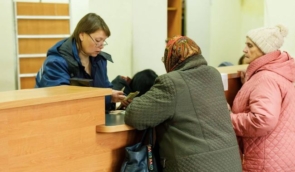
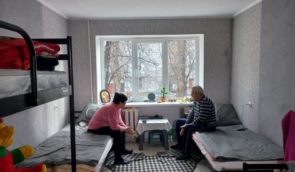
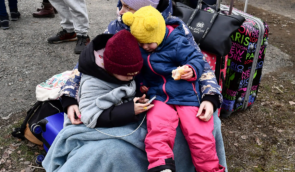
Natalia Yurlova, Senior Legal Analyst of the NGO Donbas SOS, emphasised that as of the end of 2025, there were 4.62 million IDPs registered in Ukraine. However, the number of IDPs continues to grow every day. For these people, internal displacement is not a temporary episode, but a new reality of life.
“The continuity and consistency of state policy on IDPs should be an important priority for the state. The previous Strategy of State Policy on Internal Displacement for the period up to 2025 has expired. At the same time, the updated strategy has not yet been publicly presented, discussed and approved. We hope that in 2026, the government will approve an updated strategic framework on IDP policy and ensure clear inter-agency coordination, which will include clear procedures and digital solutions. The key tool here should be the “IDP Pathway” as an integrated and digitalised model for supporting people at all stages of displacement: from the moment a decision to evacuate is taken through to integration and adaptation at the new place of residence“, Yurlova noted.
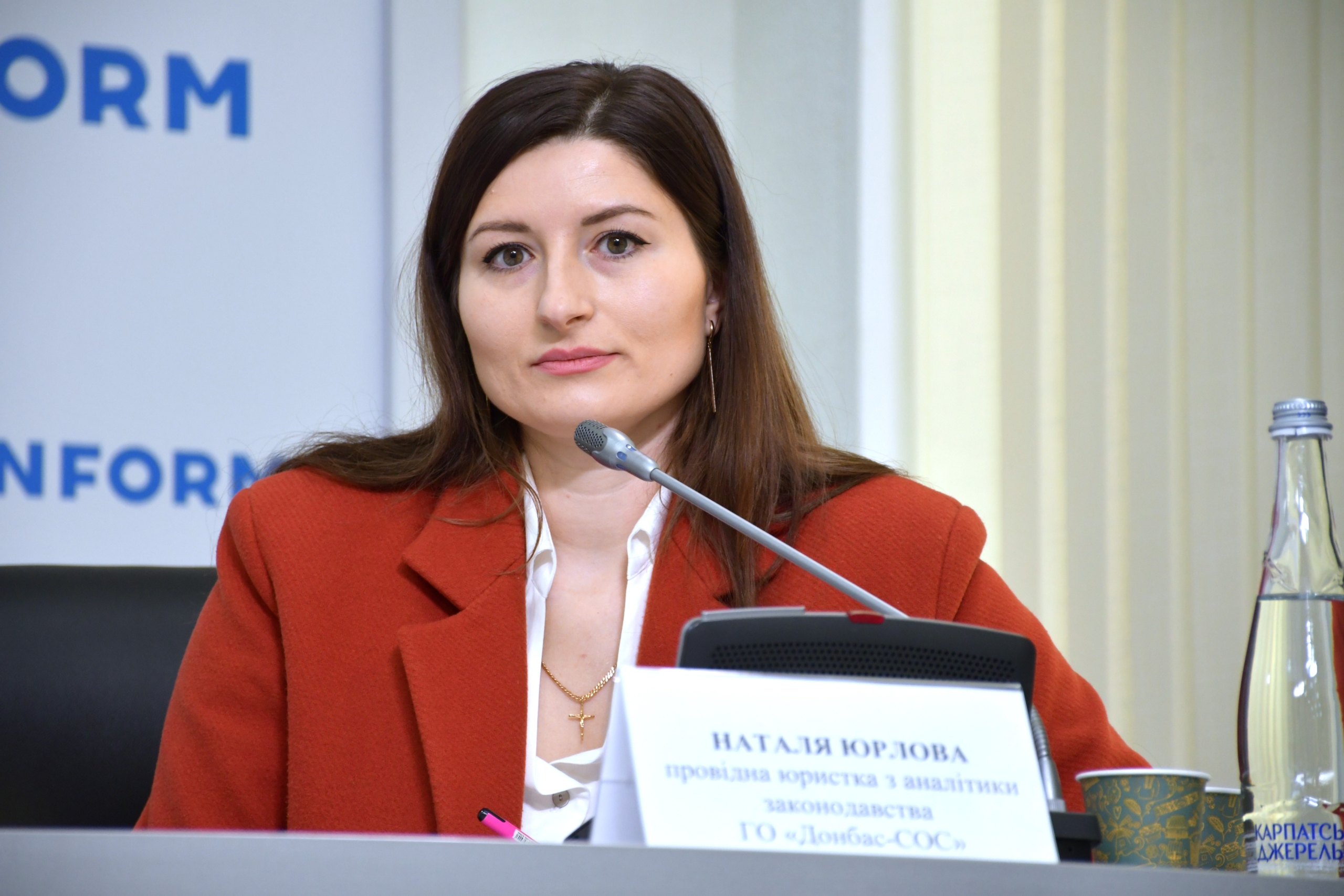 Photo: Natalia Yurlova
Dmytro Spafarov, National Advocacy Specialist of Crimea SOS, noted that despite periodic messages from the state that we must maintain contact with our citizens residing under occupation, actual actions often do not correspond to these messages.
The expert draws attention to a systemic problem in the state’s approach to the temporarily occupied territories and Ukrainian citizens residing there: “As of early 2026, there is no systematic, consistent and clear state policy on the TOT and Ukrainian citizens residing there that would meet the goal of reintegrating the TOT and ensure a balance between national security and the rights and legitimate interests of citizens. The current approach does not allow citizens of Ukraine from the TOT to fully exercise their rights and puts them in a vulnerable position, and therefore it needs to be changed, taking into account the objective reality of the prolonged occupation and residence of Ukrainian citizens in the TOT“.
Spafarov considers the situation with paperwork to be the most acute, particularly for young people leaving the temporarily occupied territories for the government-controlled territory of Ukraine: “The most critical situation, requiring urgent changes, is that of obtaining a Ukrainian passport for the first time. In particular, young people who leave the TOT for the territory of Ukraine controlled by the government (and obtain an identity card for return to Ukraine), as the current procedure does not take into account the specifics of long-term residence of persons in the TOT and the absence of a digital trace of such persons in the registers of Ukraine, as well as the state’s approach to documents issued under occupation, in terms of complete non-recognition of such documents (except for documents confirming the fact of birth, death, registration and divorce) and the impossibility of using the information contained within them. This approach requires revision by developing a procedure for using information from documents issued in the TOT to avoid discrimination against Ukrainian citizens from the TOT and to remove obstacles to obtaining Ukrainian state documents and, as a result, to the exercise of citizens’ rights“.
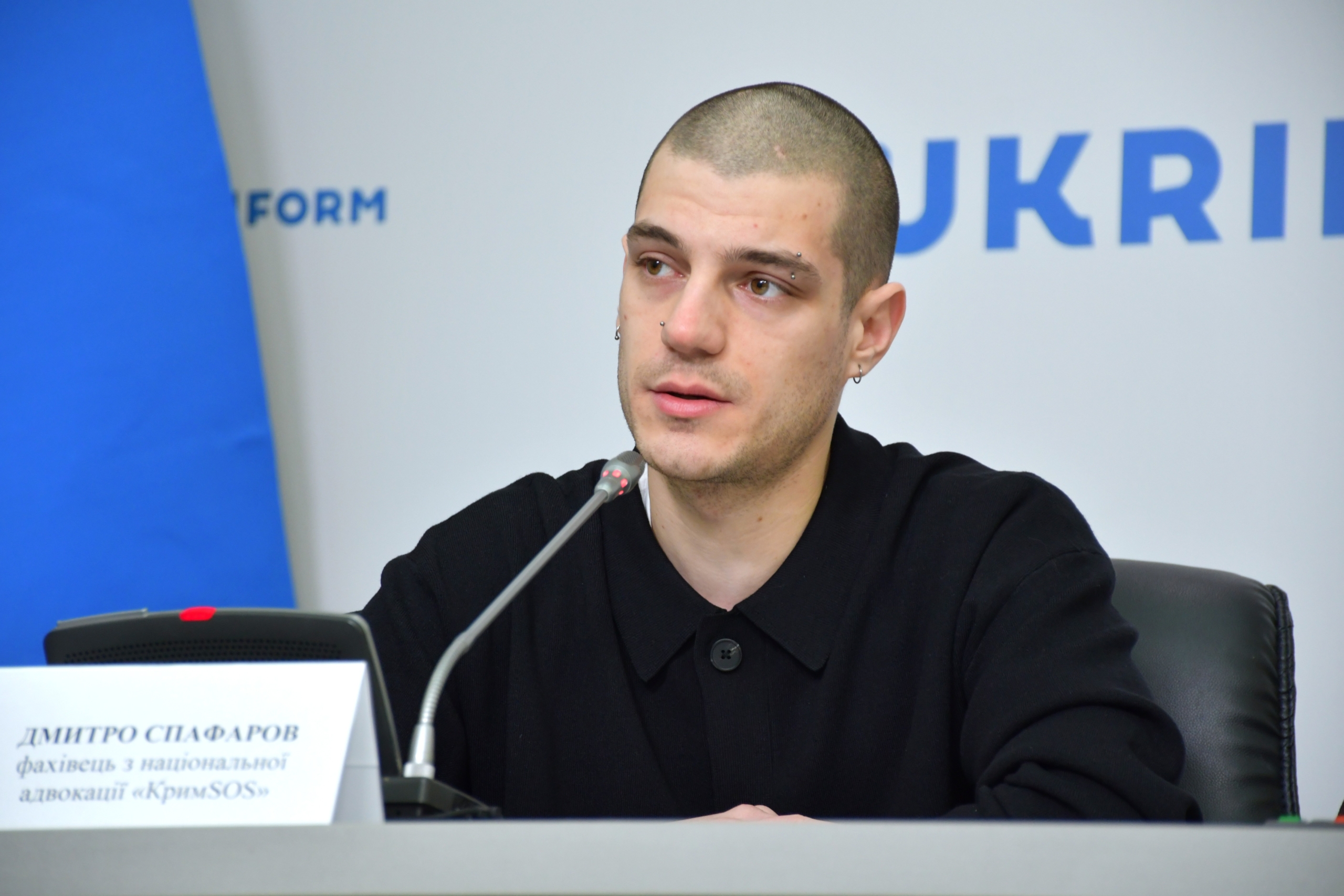 Photo: Dmytro Spafarov
For reference
The Coalition of organisations dealing with the protection of the rights of victims of armed aggression against Ukraine includes: the Human Rights Centre ZMINA, NGO Donbas SOS, NGO Crimea SOS, CF Right to Protection, CF East SOS, Civil holding GROUP OF INFLUENCE, CF Stabilization Support Services, the Crimean Human Rights Group, and NGO Crisis Insight.
More information on the 17 priority steps for the authorities in 2026 is available on the website of the Human Rights Centre ZMINA.
The Roadmap of draft laws is available at this link.
A video recording of the event is available on the website and YouTube channel of Ukrinform in Ukrainian and English.
If you have found a spelling error, please, notify us by selecting that text and pressing Ctrl+Enter.