CRIMEA: the home we are fighting for: outcomes of the forum dedicated to the Day of Resistance to the Occupation with the participation of ZMINA
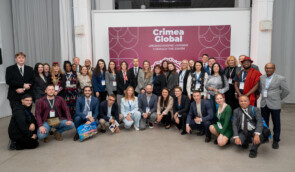
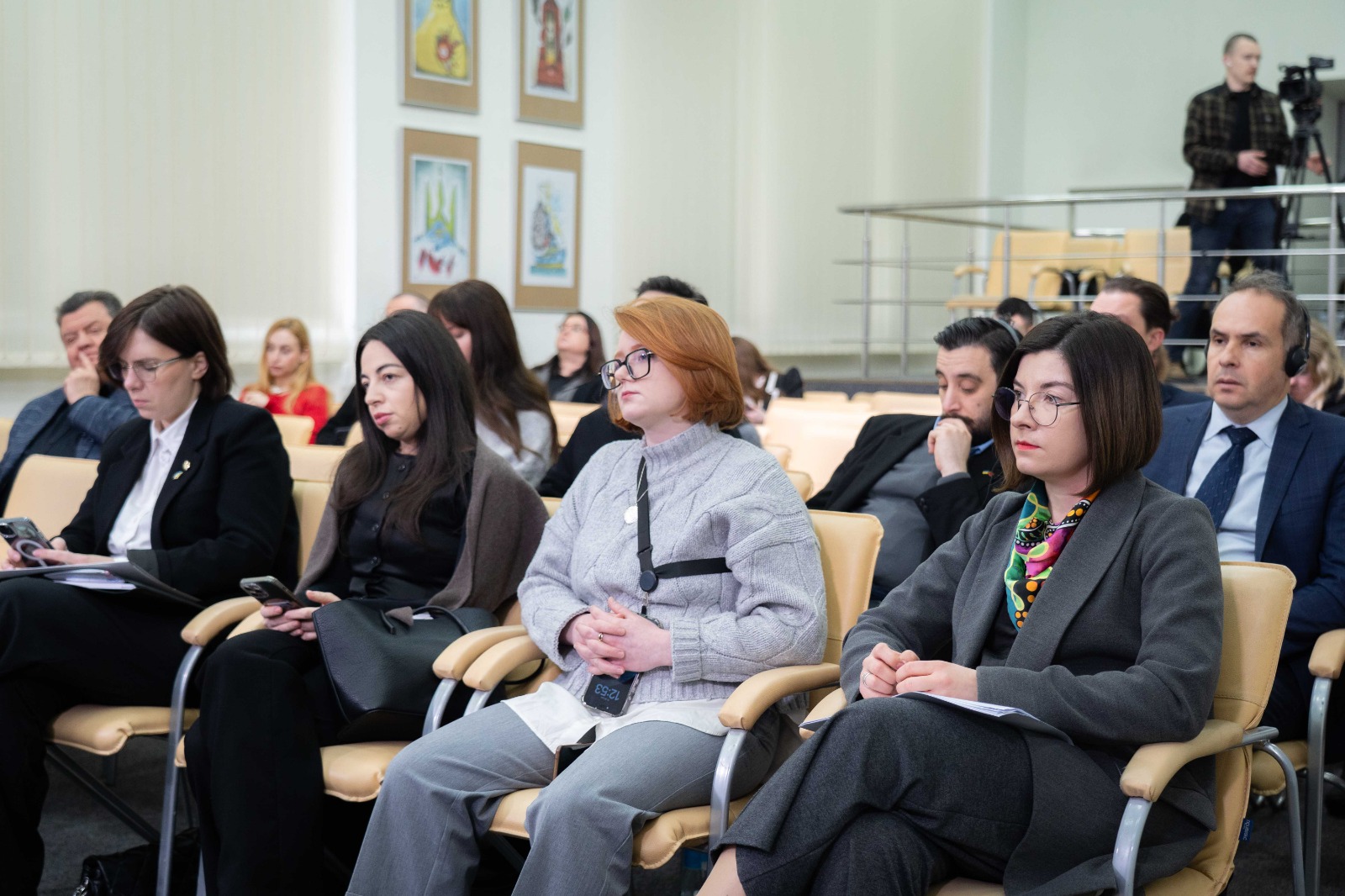
On 26 February 2026, Kyiv hosted the forum “CRIMEA: the home we are fighting for”, dedicated to the Day of Resistance to the Occupation of Crimea. The event brought together representatives of state authorities, human rights organisations, the diplomatic corps, and Ukrainian and international experts to discuss key challenges related to the ongoing occupation of the peninsula, human rights violations, and the security situation in the Black Sea region.
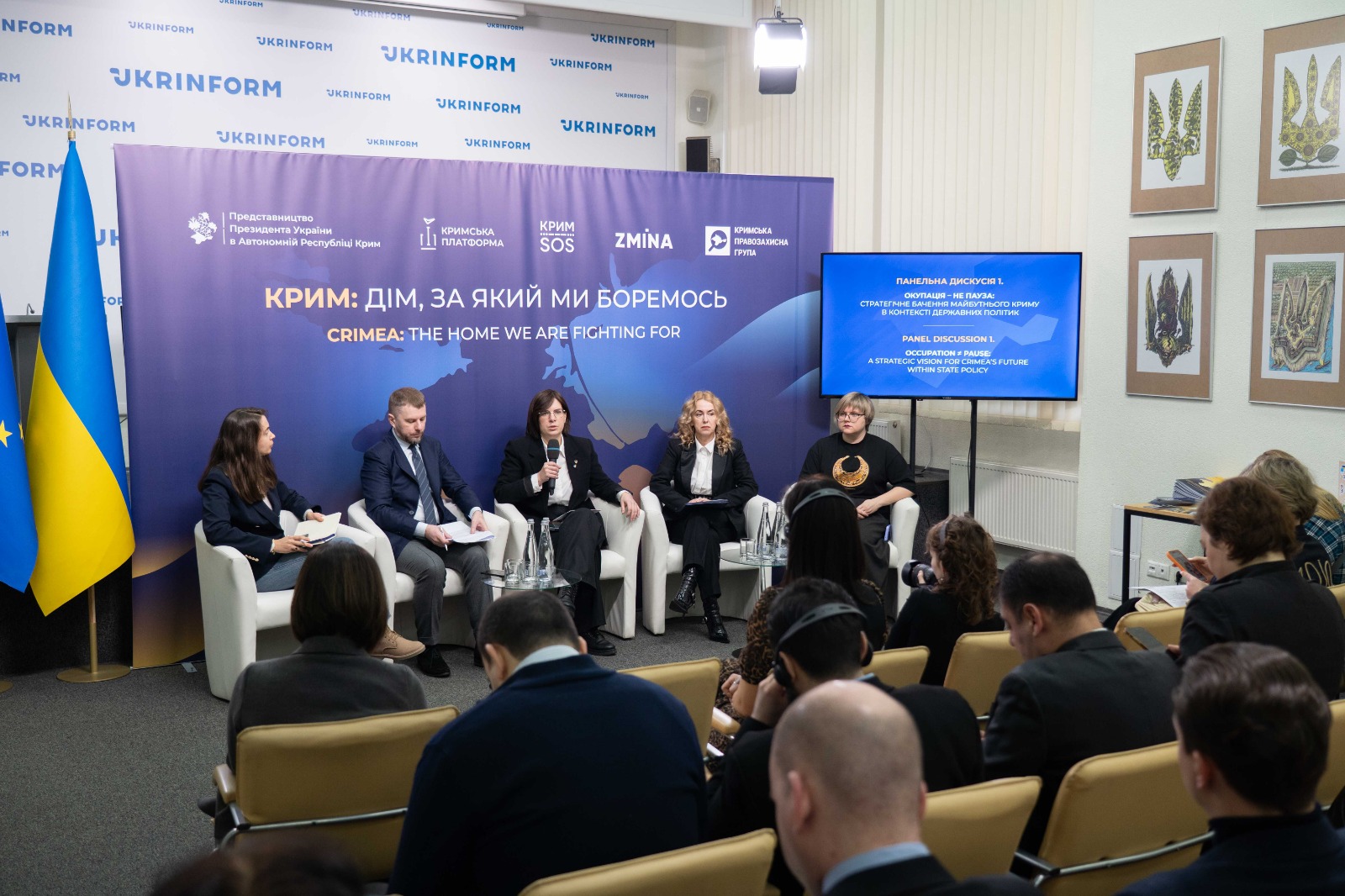
The forum was co-organised by the Mission of the President of Ukraine in the Autonomous Republic of Crimea / Office of the Crimean Platform, the Crimean Human Rights Group, the Human Rights Centre ZMINA, and CrimeaSOS. The event was hosted by Iryna Slavinska, Executive Producer of Radio Kultura.
Opening of the forum: 12 years of resistance
The forum was opened by Olha Kuryshko, Permanent Representative of the President of Ukraine in the Autonomous Republic of Crimea. She emphasised that for Ukraine, the war began with the occupation of Crimea in 2014, and that during 12 years of temporary occupation, repression has only intensified. Currently, more than 280 people are being persecuted by Russia for resisting the occupation.
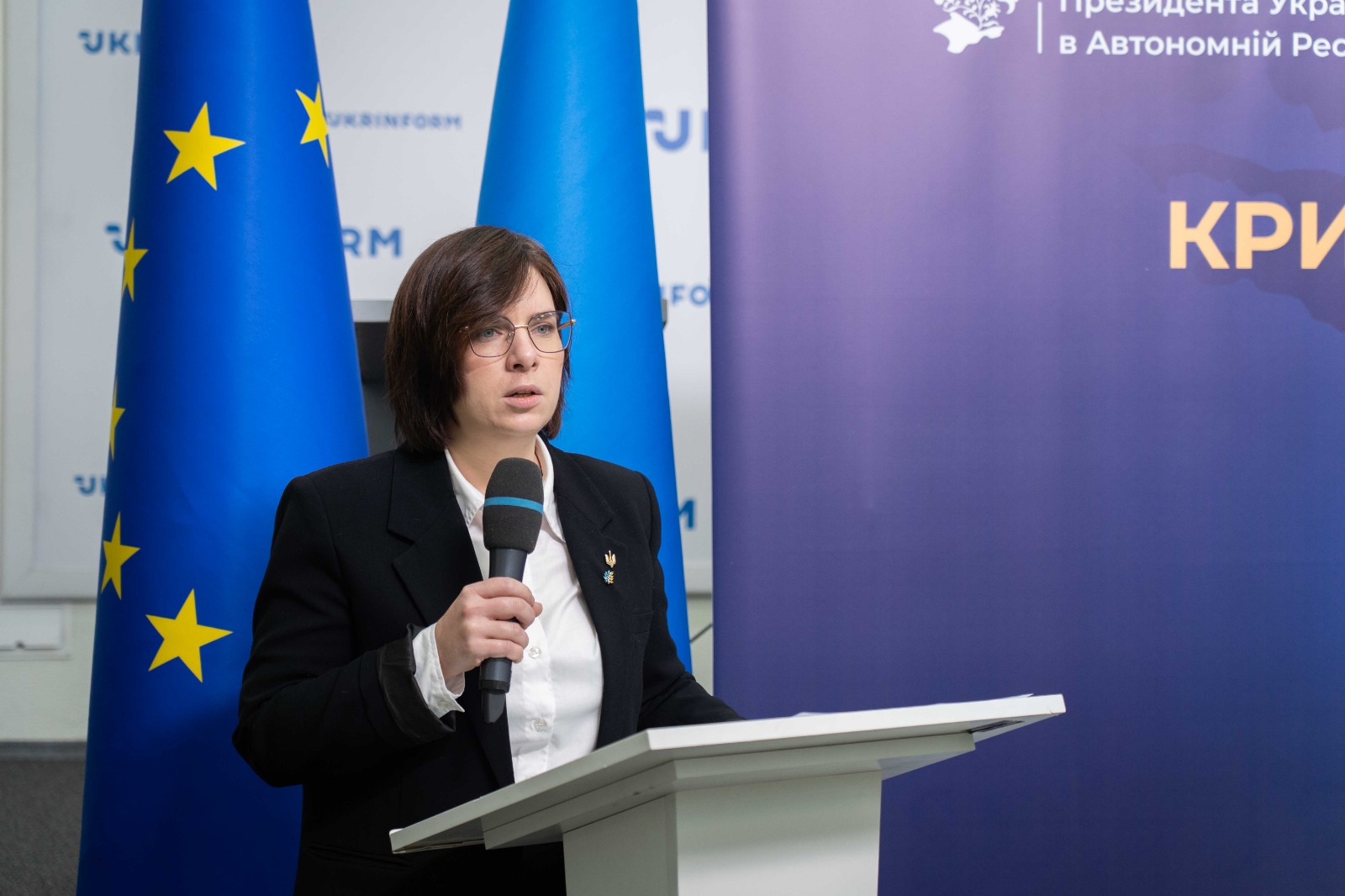 Photo: Olha Kuryshko
Kuryshko emphasised that the practice of illegally transferring Ukrainian children began in Crimea, and that the occupying authorities had turned the peninsula into a military base for attacks against mainland Ukraine. She also stressed the need to consolidate international efforts to de-occupy the peninsula.
Oleksandr Korniienko, First Deputy Chair of the Verkhovna Rada of Ukraine, joined the event online. He emphasised that Crimea is Ukraine’s longest-occupied territory and that the state has no right to allow the world to forget this: “The war began in Crimea, and everything that has happened there over the last 12 years has spread to the whole of Ukraine“.
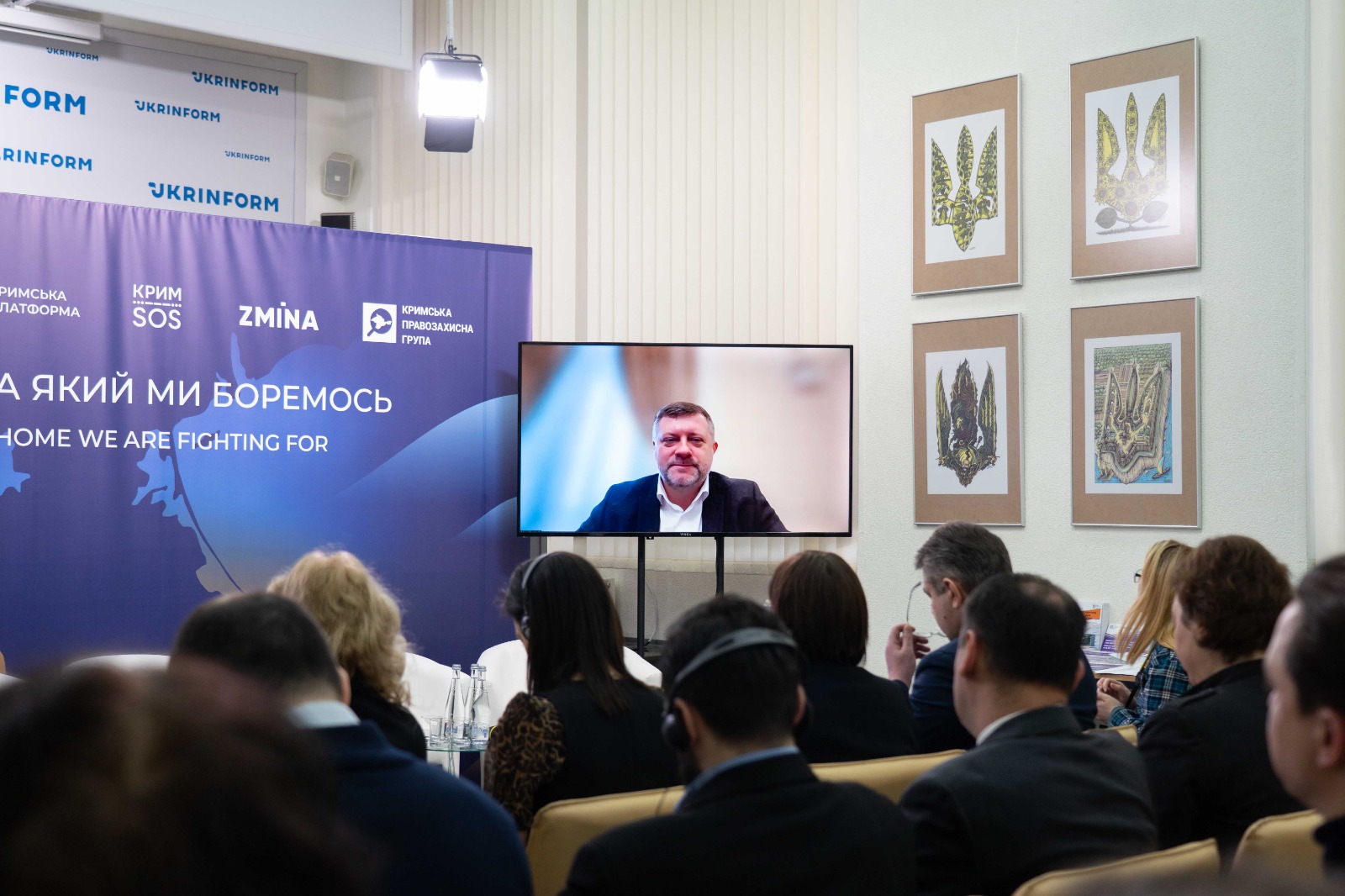 Photo: Oleksandr Korniienko
Yevhen Perebyinis, Deputy Minister of Foreign Affairs of Ukraine, emphasised that in 2014, the international community perceived the events in Crimea as a local crisis, without realising the scale of the threat to international order.
“Russia’s attack on Ukraine and the international order began with the occupation of Crimea. At the same time, this is when the resistance also started“, he noted.
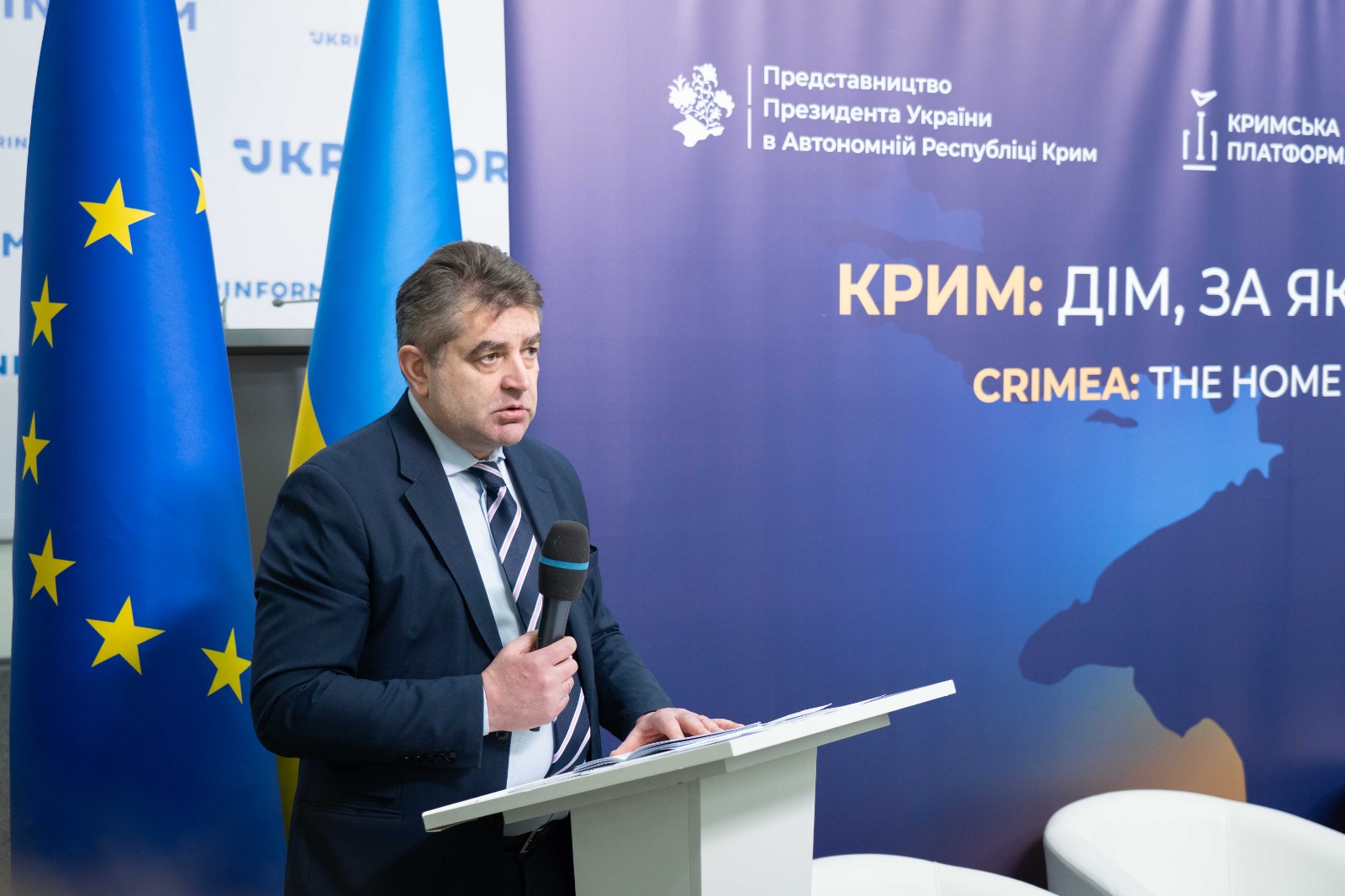 Photo: Yevhen Perebyinis
The event concluded with an online address by Petra Bayr, President of the Parliamentary Assembly of the Council of Europe and mentor to political prisoner Iryna Danylovych.
“As a mentor to political prisoner Iryna Danylovych, I have heard first-hand accounts of occupation, persecution and other gross human rights violations. But Iryna, like many others, is an example of the resilience and courage of the Ukrainian people. We will always know that Crimea is Ukraine. Our support for Ukraine’s territorial integrity and for all political prisoners remains unwavering“, Petra Bayr emphasised.
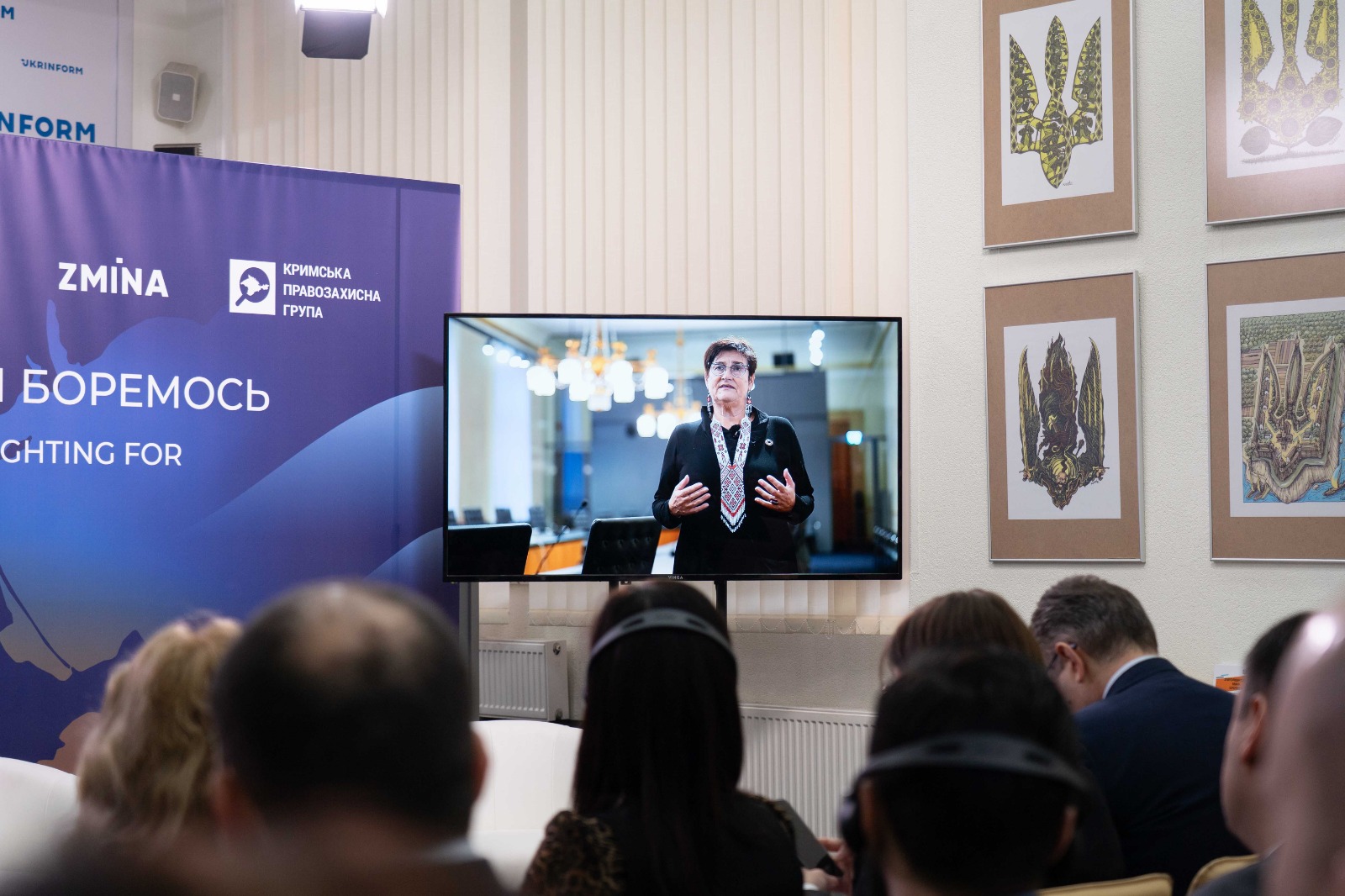 Photo: Petra Bayr
First Panel: Reintegration strategy and support for citizens
The first panel, “Occupation ≠ Pause: A Strategic Vision for Crimea’s Future Within State Policy“, was devoted to the challenges of 12 years of occupation and the instruments of state policy for reintegration.
The discussion was attended by Olha Kuryshko, Permanent Representative; Oleksii Riabykin, Deputy Minister for Development of Communities and Territories of Ukraine; Nataliia Hontarenko, Acting Head of the Department for the Promotion of Ukrainian National and Civic Identity at the Ministry of Youth and Sports; and Alena Lunova, Advocacy Director of the Human Rights Centre ZMINA. The panel was moderated by Daria Svyrydova, Lawyer and Partner of AZONES Law Firm.
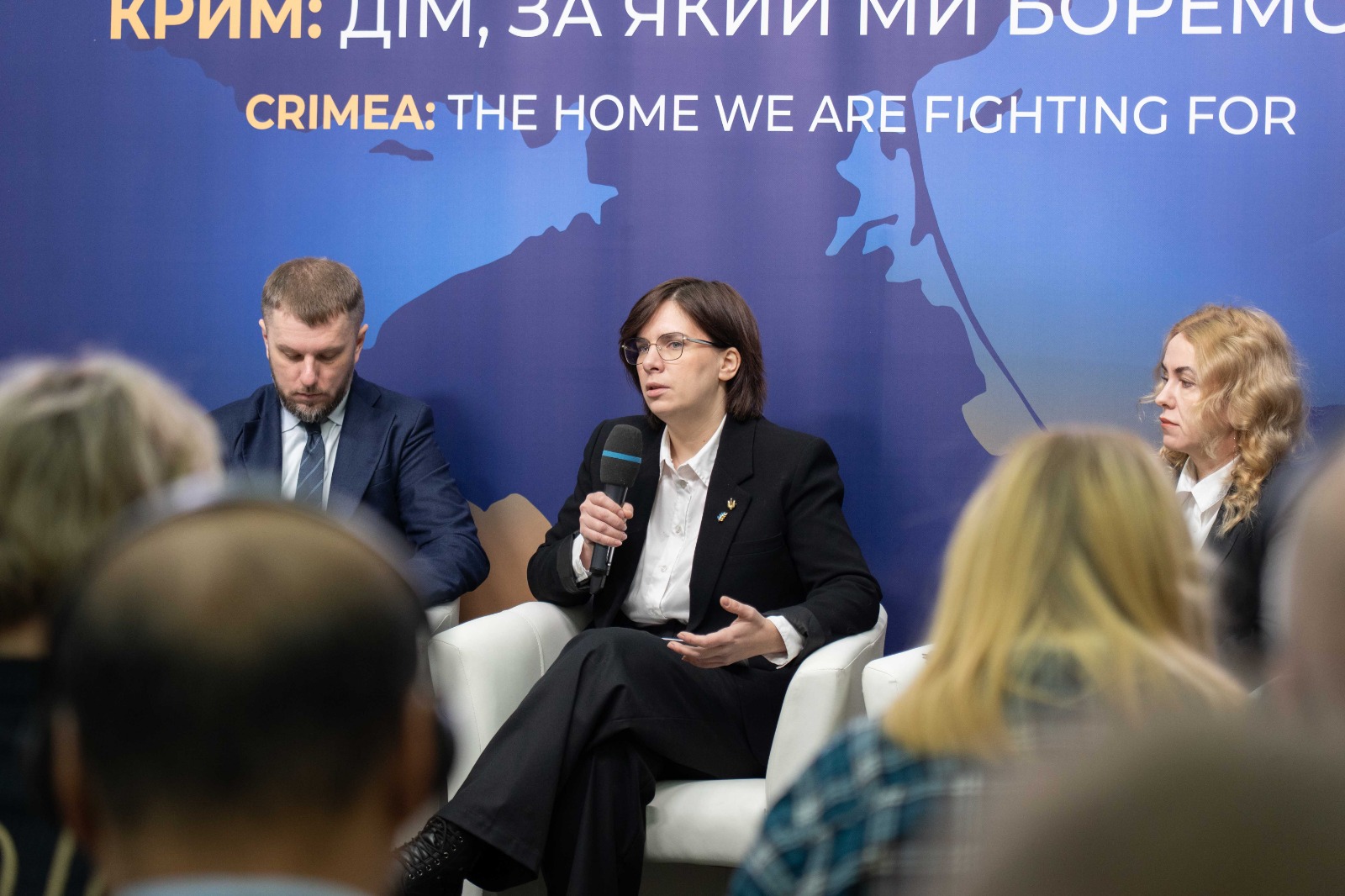 Photo: Olha Kuryshko
Olha Kuryshko spoke about the Mission’s work on reintegrations policy, transitional justice mechanisms, and documenting crimes committed by the Russian Federation, in particular the deportation of children and the militarisation of the peninsula. She emphasised that behind every strategy there are real people with their own stories of persecution and convictions for supporting Ukraine: “Behind every strategy and every law there are people. Today, thousands of people in occupied Crimea are being persecuted under administrative and criminal charges. This is not abstract statistics. These are specific names, specific families, specific sentences — often for supporting Ukraine or for posting on social media against the war. Only the liberation of Crimea will restore freedom to the peninsula“.
Olha Kuryshko also emphasised the situation of Ukraine’s indigenous peoples, noting that in occupied Crimea they are subjected to systematic persecution by the occupying administration.
Alena Lunova focused on the attitude towards Ukrainian citizens who remain under occupation or have left it. She emphasised that occupation is not a pause, but it should not become a “sentence” for people, and living under the control of the occupying power does not make them “not ours”.
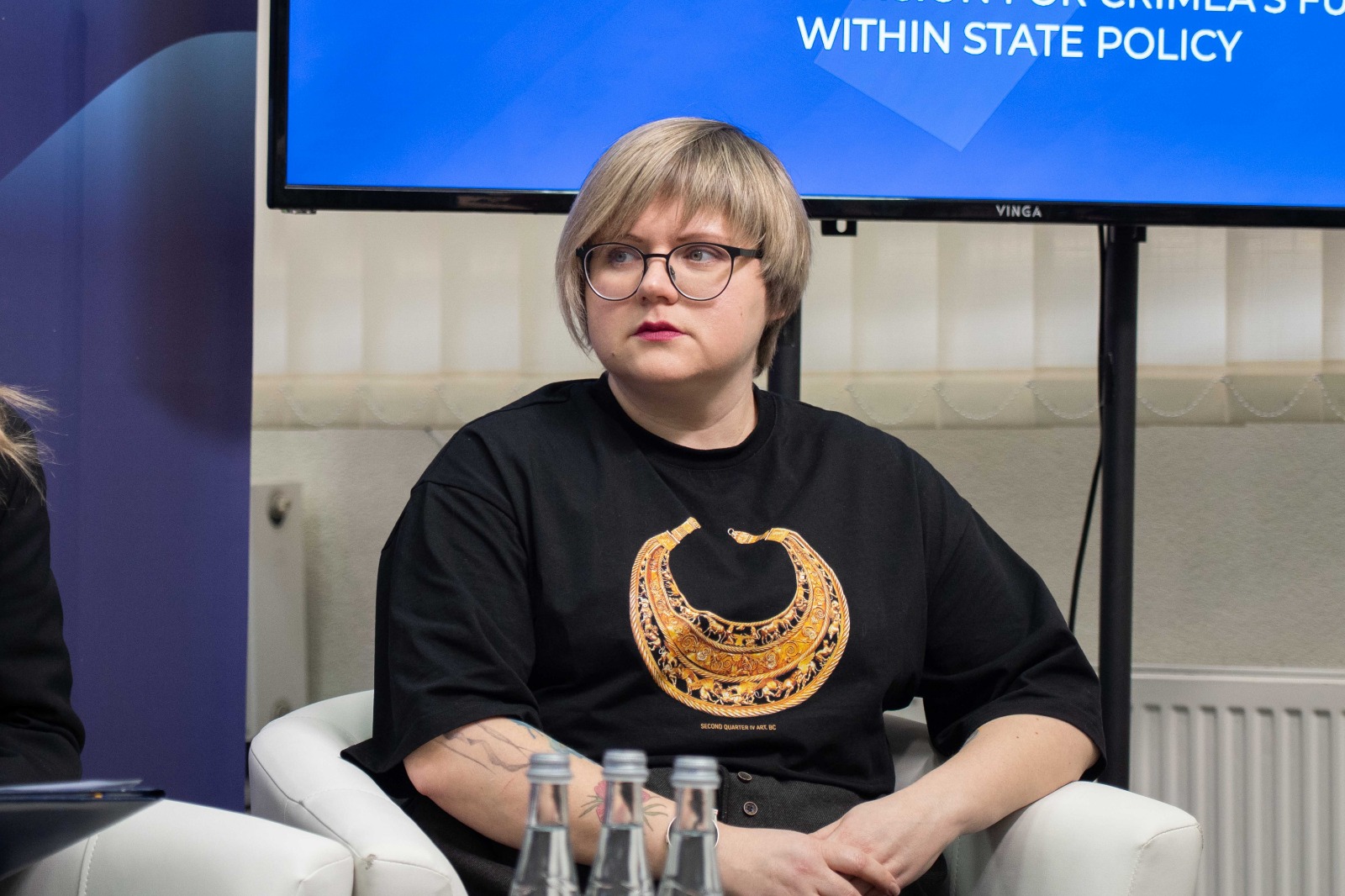 Photo: Alena Lunova
Lunova drew attention to dangerous narratives that are increasingly heard in public and expert circles — about the alleged “cognitive deformation” of people under occupation or that they pose a risk to the state. She stressed that the vast majority of citizens in the occupied territories are hostages of Russia’s armed aggression.
“We must not forget the people living under occupation, because by continuing their lives there, preserving their Ukrainian identity and their belonging to Ukrainian citizenship, they are already resisting“, she emphasised
Oleksii Riabykin spoke about a document on priority areas of state policy in the field of de-occupation and reintegration of the temporarily occupied territories, including Crimea. According to him, this document should strengthen coordination between state bodies.
“We need to understand the condition of the territory in order to have a clear plan for its reintegration and restoration after de-occupation. But ultimately, it’s all about people“, he emphasised.
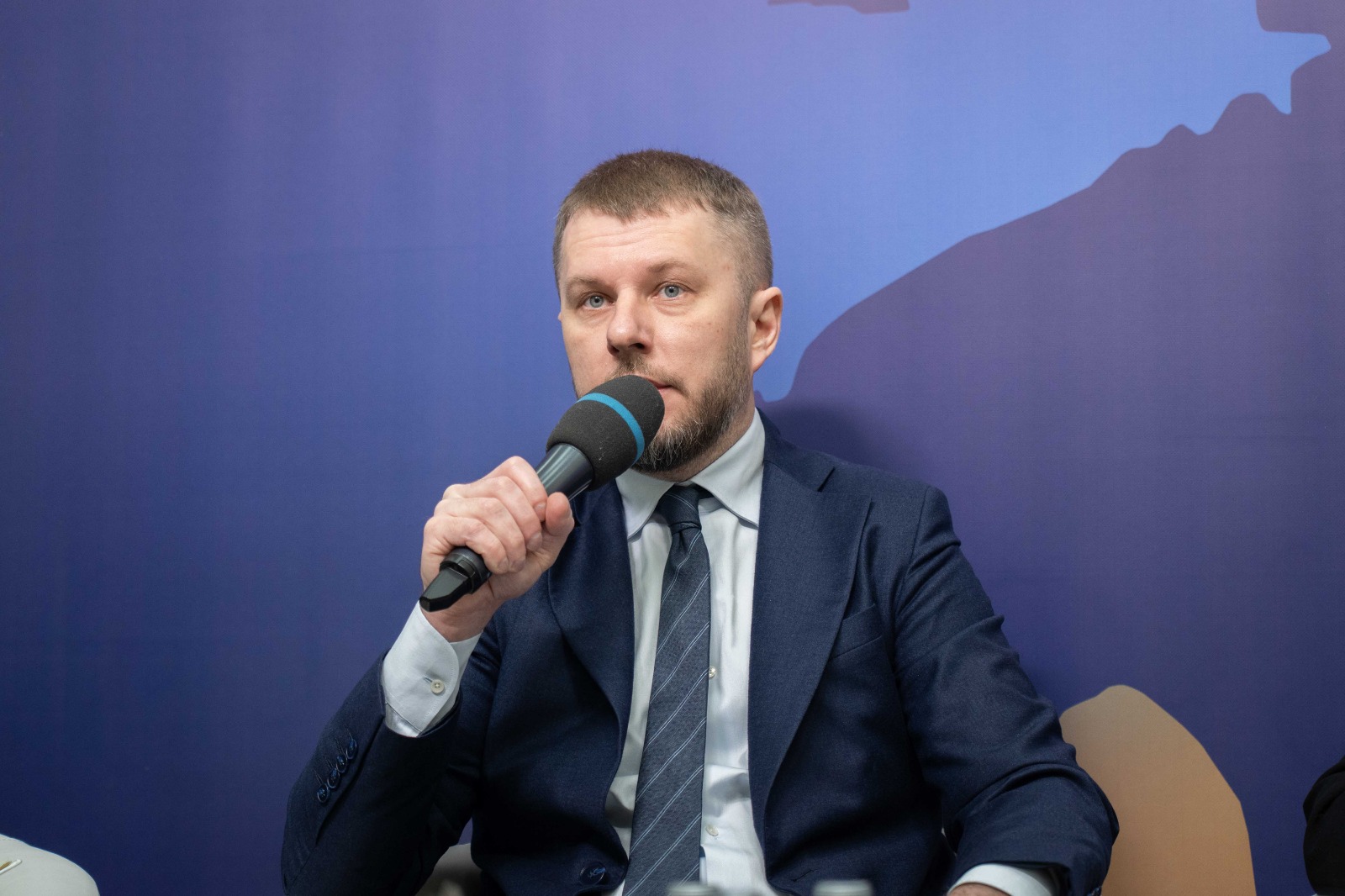 Photo: Oleksii Riabykin
Second panel: Crimea as a Laboratory for New Warfare
The second panel, “Crimea as a Laboratory for New Warfare: From Regional Occupation to Global Maritime Crisis“, focused on the militarisation of the peninsula and the impact of Russia’s actions on security in the Black Sea.
The discussion was joined by Illia Pavlenko, Major General and former Deputy Head of the Main Directorate of Intelligence of the Ministry of Defence of Ukraine; Mykhailo Honchar, President of the Centre for Global Studies “Strategy XXI”; Pier Carlo Sandei, Senior Programme Officer of the United Nations Environment Programme (UNEP) in Ukraine; and, online, – Pavlo Goldin, Doctor of Biological Sciences, Professor, Leading Researcher at the I. I. Schmalhausen Institute of Zoology of the National Academy of Sciences of Ukraine. The panel was moderated by Alina Frolova, Deputy Chair of the Board of the Centre for Defence Strategies.
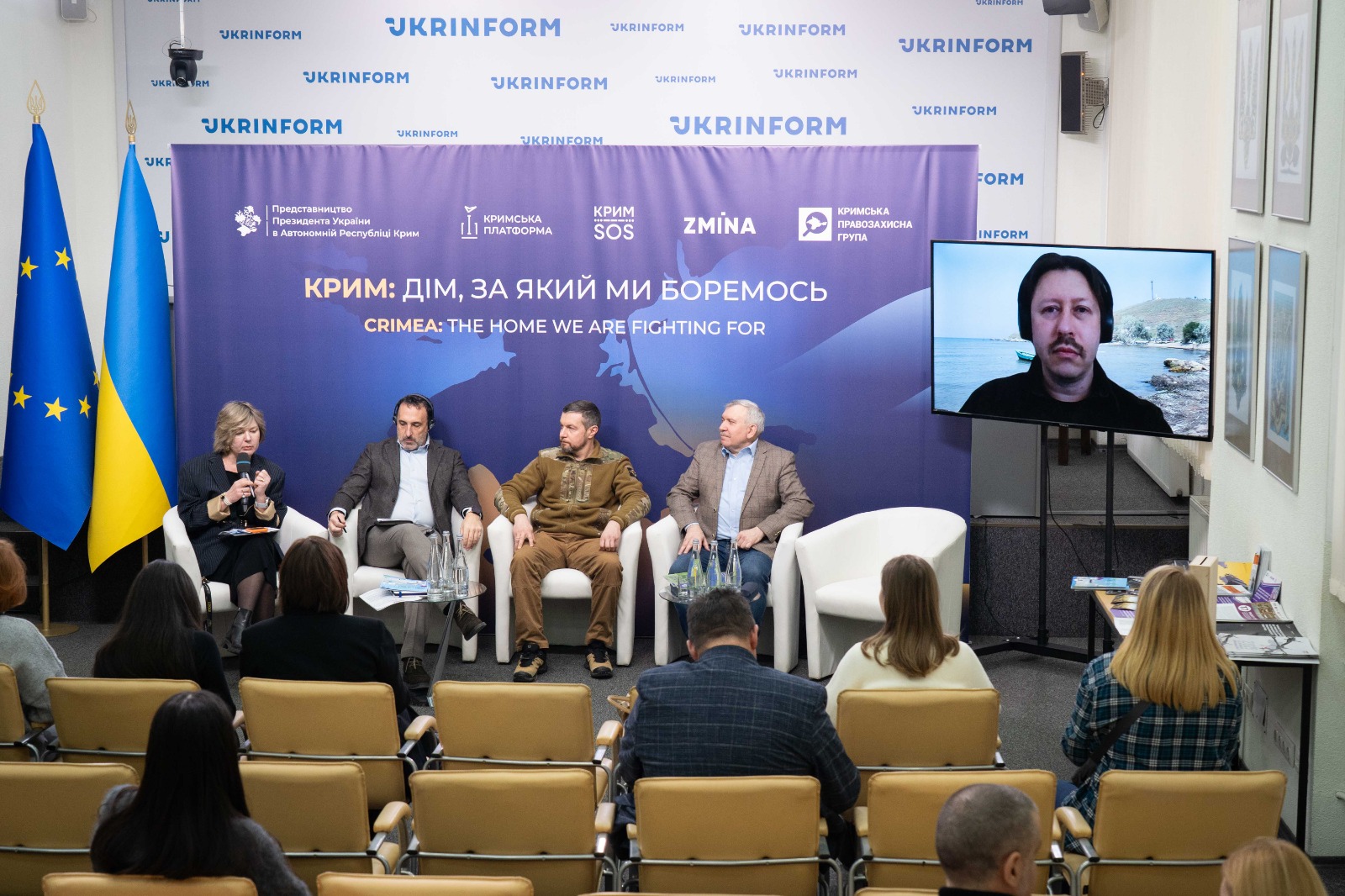
The speakers noted that the threats originating from Crimea have both regional and global dimensions, and that without clear international mechanisms to ensure Russia’s accountability, the risk of the “normalisation” of the occupation will only increase.
Mykhailo Honchar stressed that existing mechanisms for international response to Russian aggression are not producing the desired results. According to him, without clear coordination of actions and new accountability mechanisms for Russia, it will be impossible to prevent the normalisation of its aggressive practices – action is needed not only in the Black Sea but also more broadly, in other maritime areas.
Illia Pavlenko stressed that Russia’s Black Sea Fleet has transformed from a conventional naval force into an instrument of pressure and terror: blocking maritime routes, restricting exports, and employing hybrid tactics.
“The threat lies in the fact that Russia is counting on the world becoming accustomed to its practices and everything gradually being “normalised”. This must not be allowed“, he stressed.
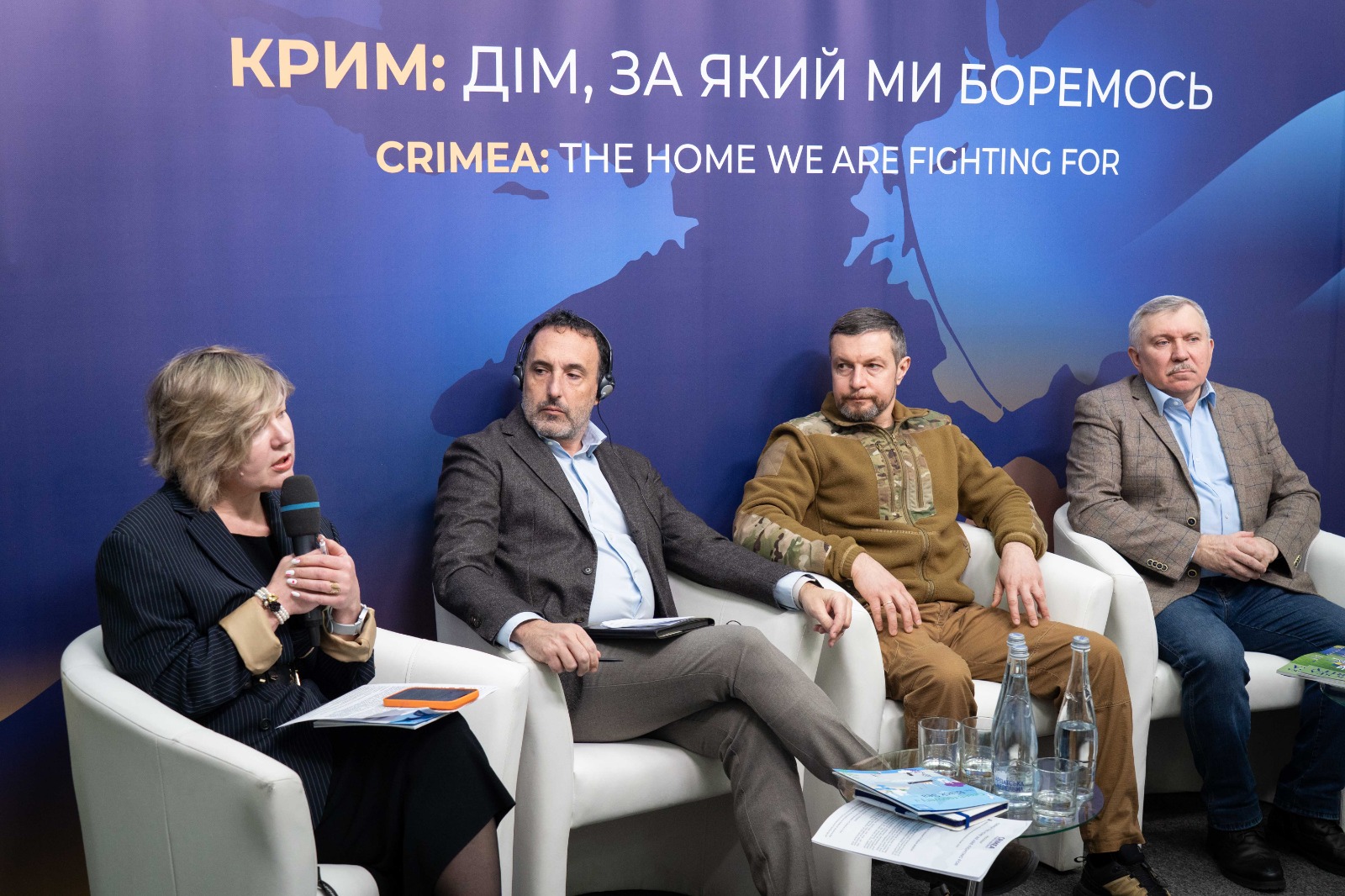 Photo: Alina Frolova, Pier Carlo Sandei, Illia Pavlenko, Mykhailo Honchar
Pavlo Goldin drew attention to the environmental dimension of the occupation. Over the past 12 years, the risks of chemical and biological contamination of the water area have increased significantly, in particular due to the activities of the Russian fleet, mining and ship accidents. He also recalled the persecution of Ukrainian scientists in Crimea.
Pier Carlo Sandei emphasised that the environmental costs of war are often impossible to assess accurately. Some ecosystems are irreversible, and limited access to the occupied territories makes it impossible to fully record the extent of the damage. At the same time, the consequences of the pollution of the Black Sea extend far beyond Ukraine, giving the war a distinct regional and global dimension.
Third panel: human rights violations and documenting crimes
The third panel, “Human Rights Violations in Crimea: Scale, National and International Response“, focused on mechanisms for holding the occupying state accountable.
The conversation was joined by Marharyta Sokorenko, Representative of the European Court of Human Rights (ECtHR); Vitalii Sekretar, First Deputy Head of the Prosecutor’s Office of the Autonomous Republic of Crimea and Sevastopol; Elvin Kadyrov, Representative of the Commissioner for the Rights of Residents of the Autonomous Republic of Crimea and Sevastopol; Alina Grigoras, Head of the Occupied Territories Unit of the UN Human Rights Monitoring Mission, and Olha Skrypnyk, Chair of the Crimean Human Rights Group. The panel was moderated by Sevgil Musaieva, Editor-in-Chief of Ukrainska Pravda.
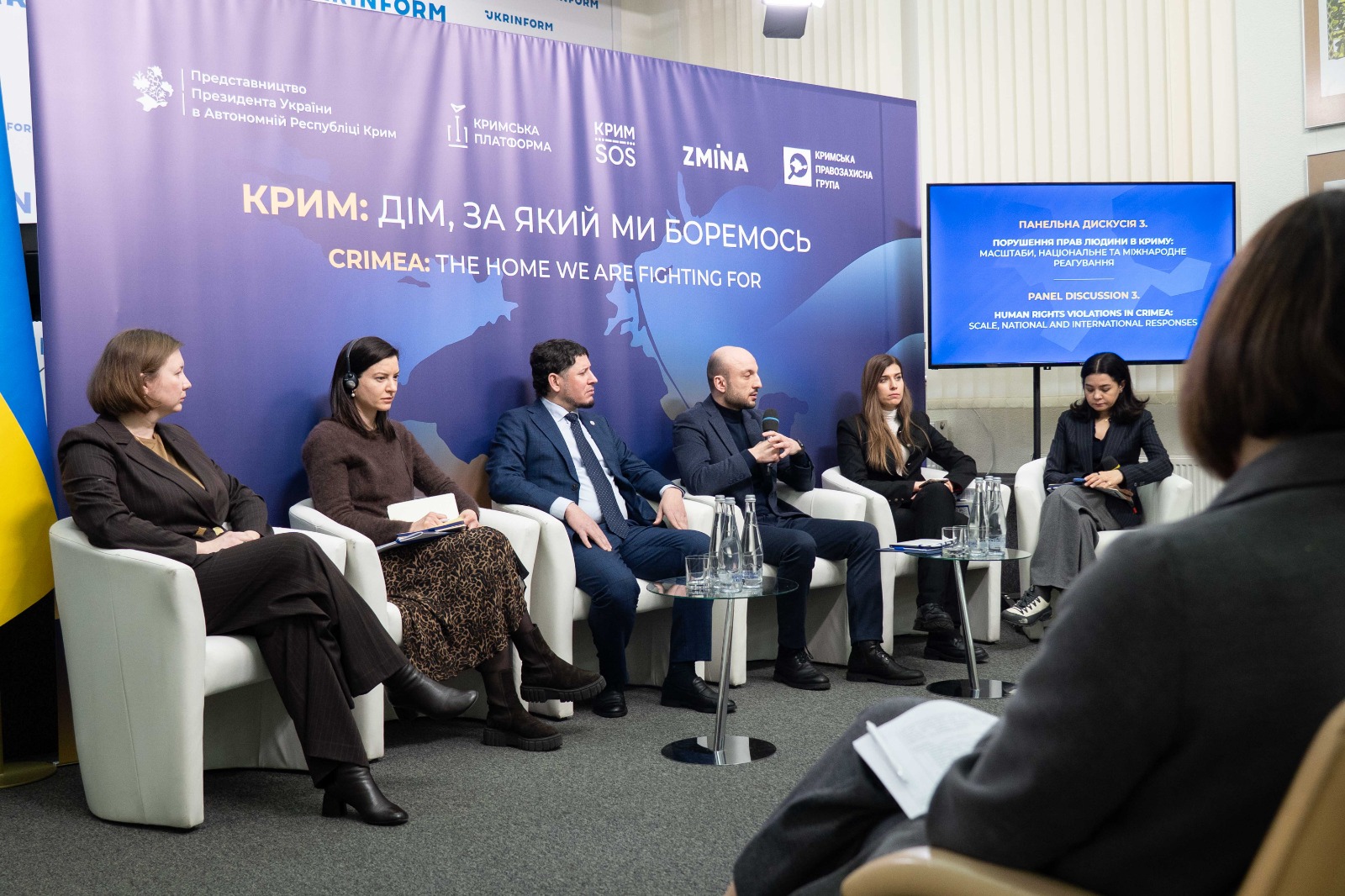
Olha Skrypnyk emphasised that since 2014, Ukraine has been developing a systematic model for documenting crimes, which has already become the basis for national and international proceedings.
“The practice of suppressing resistance was designed from the very beginning to be scalable. Russia intended to occupy not only Crimea – and this was evident from the start“, she noted.
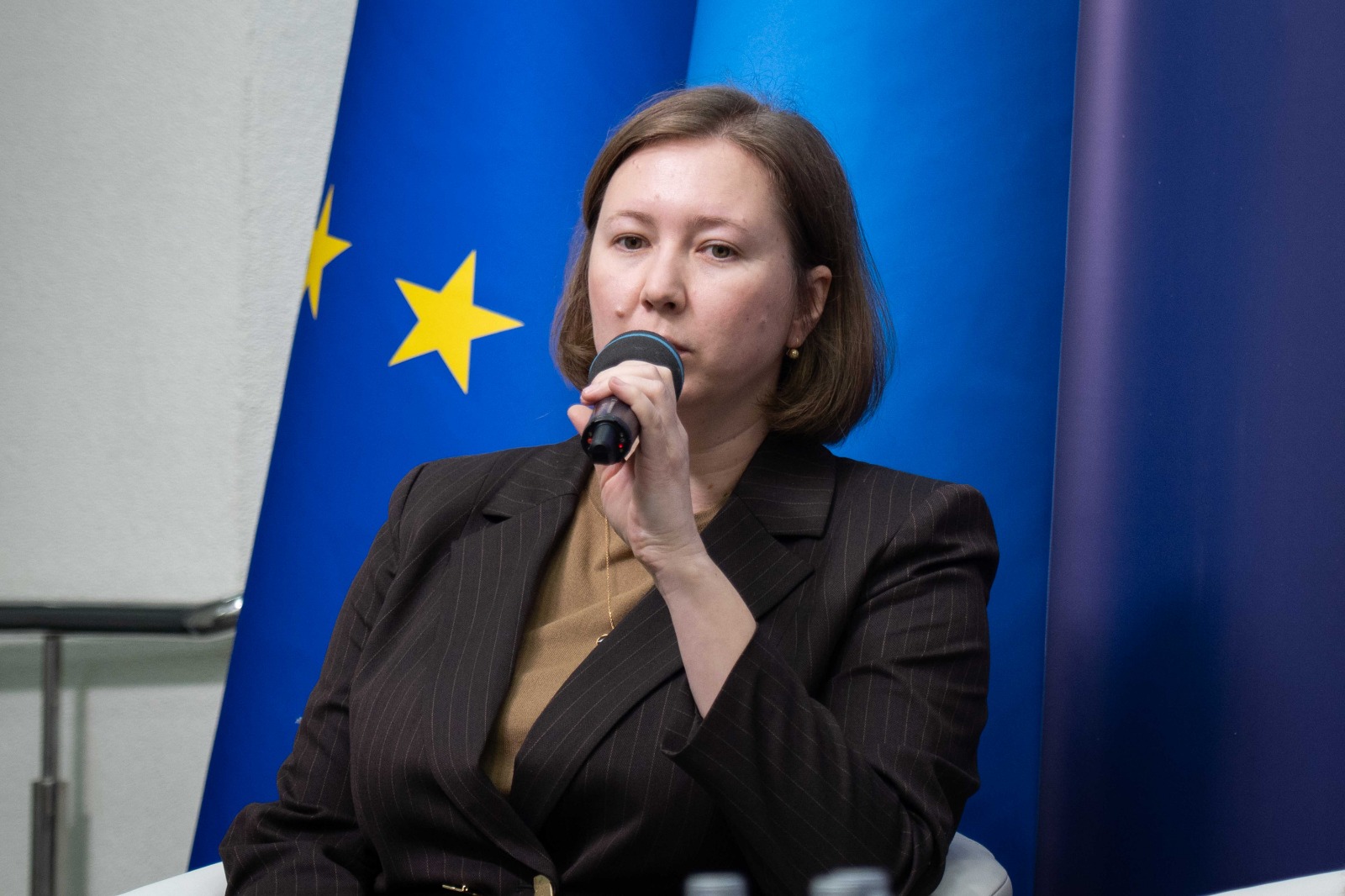 Photo: Olha Skrypnyk
Alina Grigoras stressed that Russia is systematically introducing its own criminal norms and legislation in the occupied territories for pro-Ukrainian positions: persecution for language, symbols or public statements. According to her, for residents of Crimea, even sharing information about the real situation can be grounds for imprisonment, and after leaving the peninsula a safe return is almost impossible.
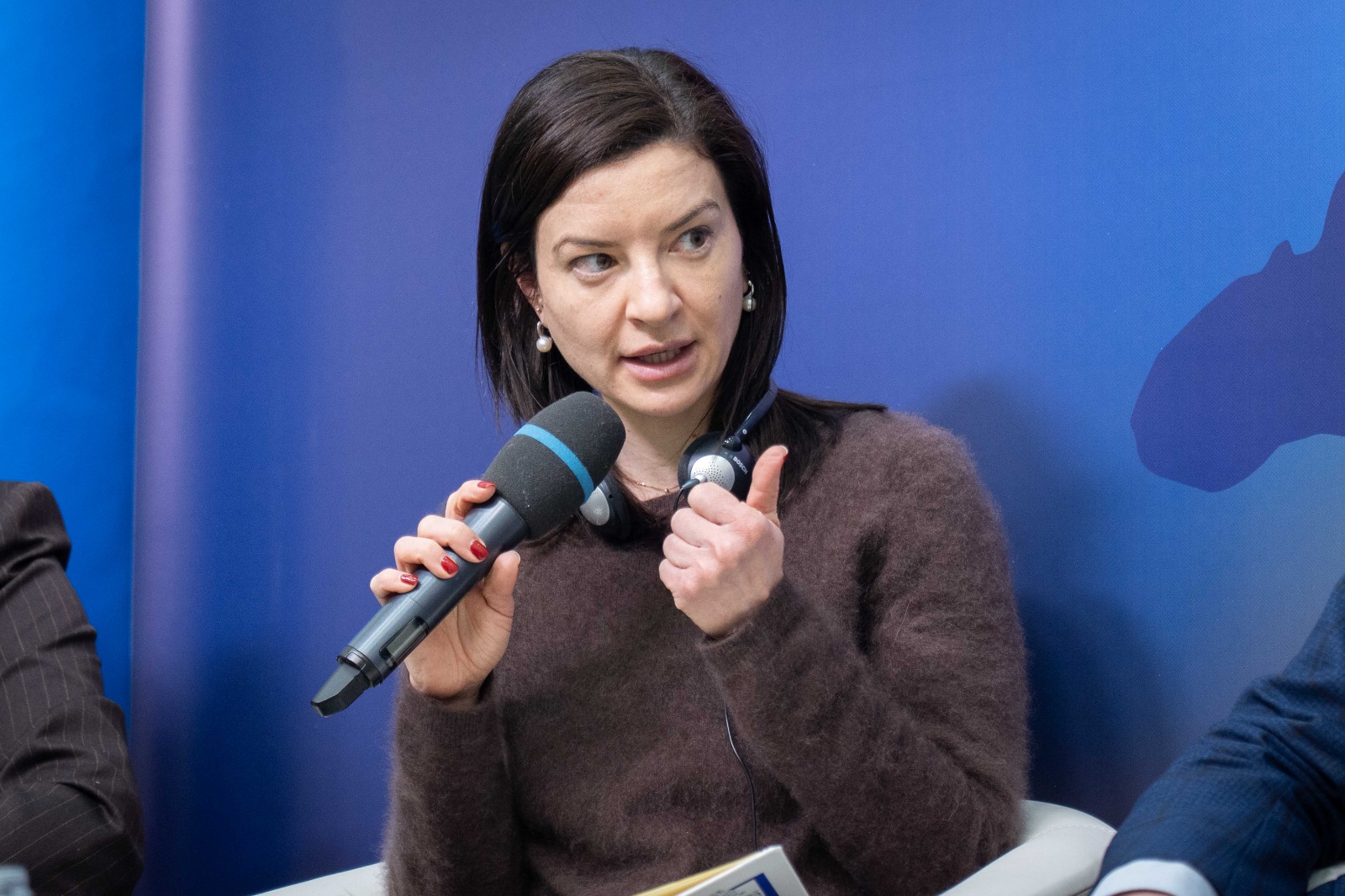 Photo: Alina Grigoras
Vitalii Sekretar reported on the results of the Prosecutor’s Office’s work. In particular, he noted that the Prosecutor’s Office had initiated 1,110 criminal proceedings, secured more than 400 verdicts, and held 11 Russian military commissars accountable for organising conscription and mobilisation in the occupied Crimea.
Marharyta Sokorenko noted that the pressure tactics used in Crimea were scaled up during the full-scale invasion.
“The policy that developed in Crimea escalated horrifically during the full-scale invasion: the deportation of children, repression and crimes against humanity are only intensifying“, she emphasised.
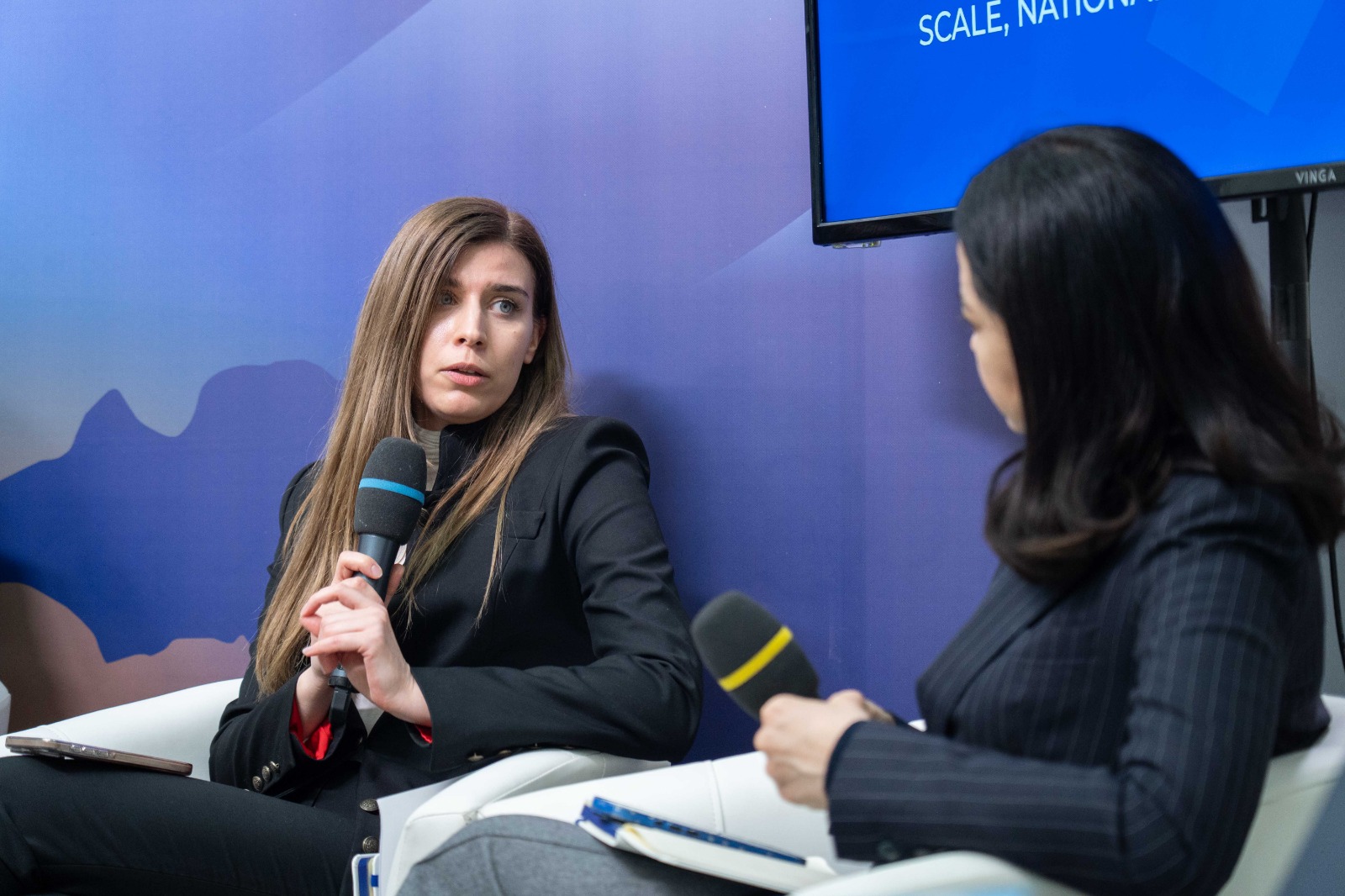 Photo: Marharyta Sokorenko
Elvin Kadyrov highlighted the systemic torture of Crimean political prisoners, the denial of medical care, and the critical health condition of many unlawfully detained individuals.
“The world still lacks effective mechanisms to influence Russia – and they must be developed“, he concluded.
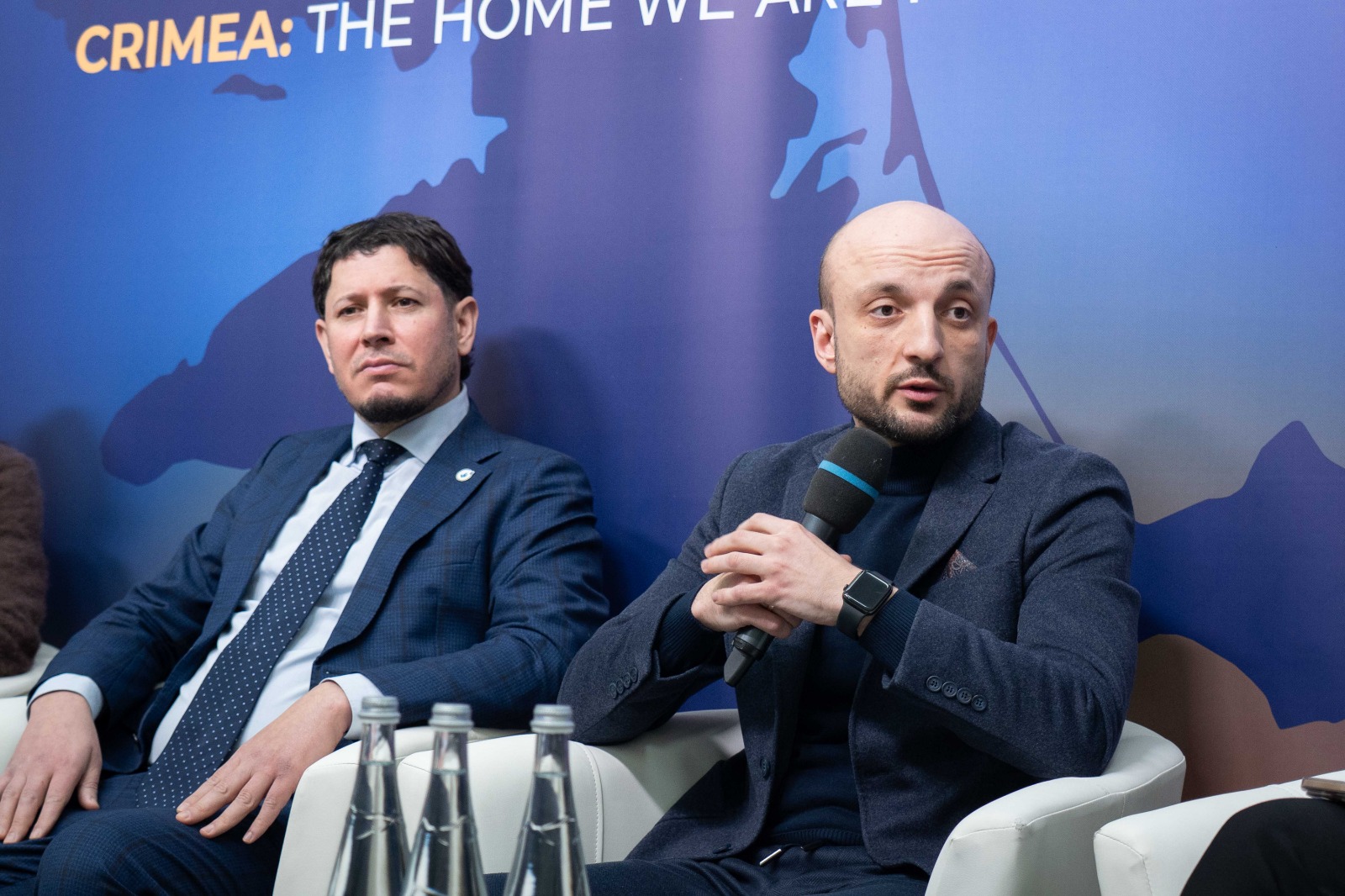 Photo: Elvin Kadyrov, Vitalii Sekretar
The discussion demonstrated that the crimes committed by Russia in Crimea since 2014 have become a pattern for actions in other occupied territories. At the same time, systematic work on documentation and international advocacy is creating the groundwork for future accountability.
The forum “CRIMEA: the home we are fighting for” became an important platform for coordinating the positions of the state, the human rights community and international partners. For the Human Rights Centre ZMINA, as a co-organiser, the event was an opportunity to emphasise once again that the issue of Crimea is first and foremost a question of people, their rights, dignity and future.
On 26 February, the Human Rights Centre ZMINA, together with other human rights organisations, published a Manifesto for the Protection of Ukrainians under Occupation. The document emphasises the need to develop a comprehensive state policy regarding citizens who remain in the temporarily occupied territories, to prevent their stigmatisation and to ensure their rights – both during the occupation and after de-occupation.