Growing up waiting for their fathers: photo exhibition on children of Crimean Tatar political prisoners opens in Berlin
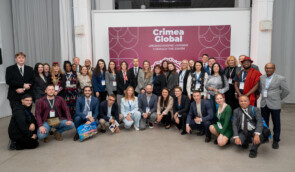
In Berlin, the exhibition “Growing up waiting for their fathers” has opened at the Berlin Wall Museum at Checkpoint Charlie (Mauermuseum am Checkpoint Charlie), focusing on the children of Crimean Tatar political prisoners who are growing up without their fathers, detained by Russia on fabricated charges.
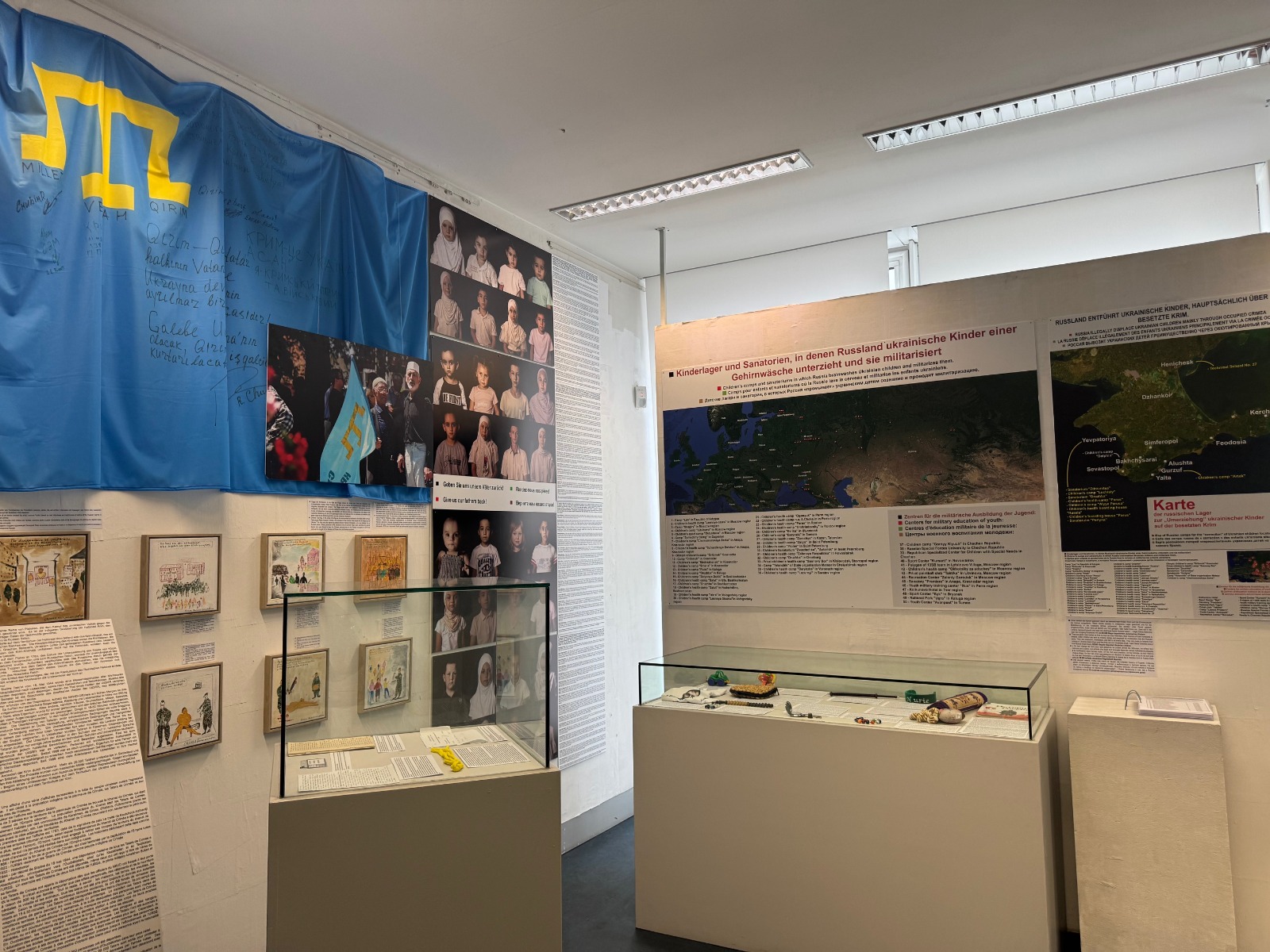
The exhibition tells the stories of 16 children from Crimea who have lived apart from their fathers for years. Through photos, personal belongings and letters, it documents their coming of age amid waiting, occupation, uncertainty and constant anxiety.
The exhibition brings together photos from 2020 and 2025, along with children’s messages to their fathers – sincere yet painful testimonies of lost time. The 2020 photos were first presented as part of Emine Dzheppar’s exhibition project “Being true to yourself is not a crime”, dedicated to the persecution of Crimean Tatars in temporarily occupied Crimea. The new exhibition was presented in Ukraine on 21 October 2025 in Kyiv – the photo exhibition “The Childhood They Never Had” ran until 5 November at the Museum of Outstanding Figures of Ukrainian Culture.
Personal belongings occupy a special place in the exhibition. Among them is a rosary made from bread, crafted by Crimean political prisoner Server Mustafaiev for his son. Such items become symbols of a bond that endures despite years of separation.
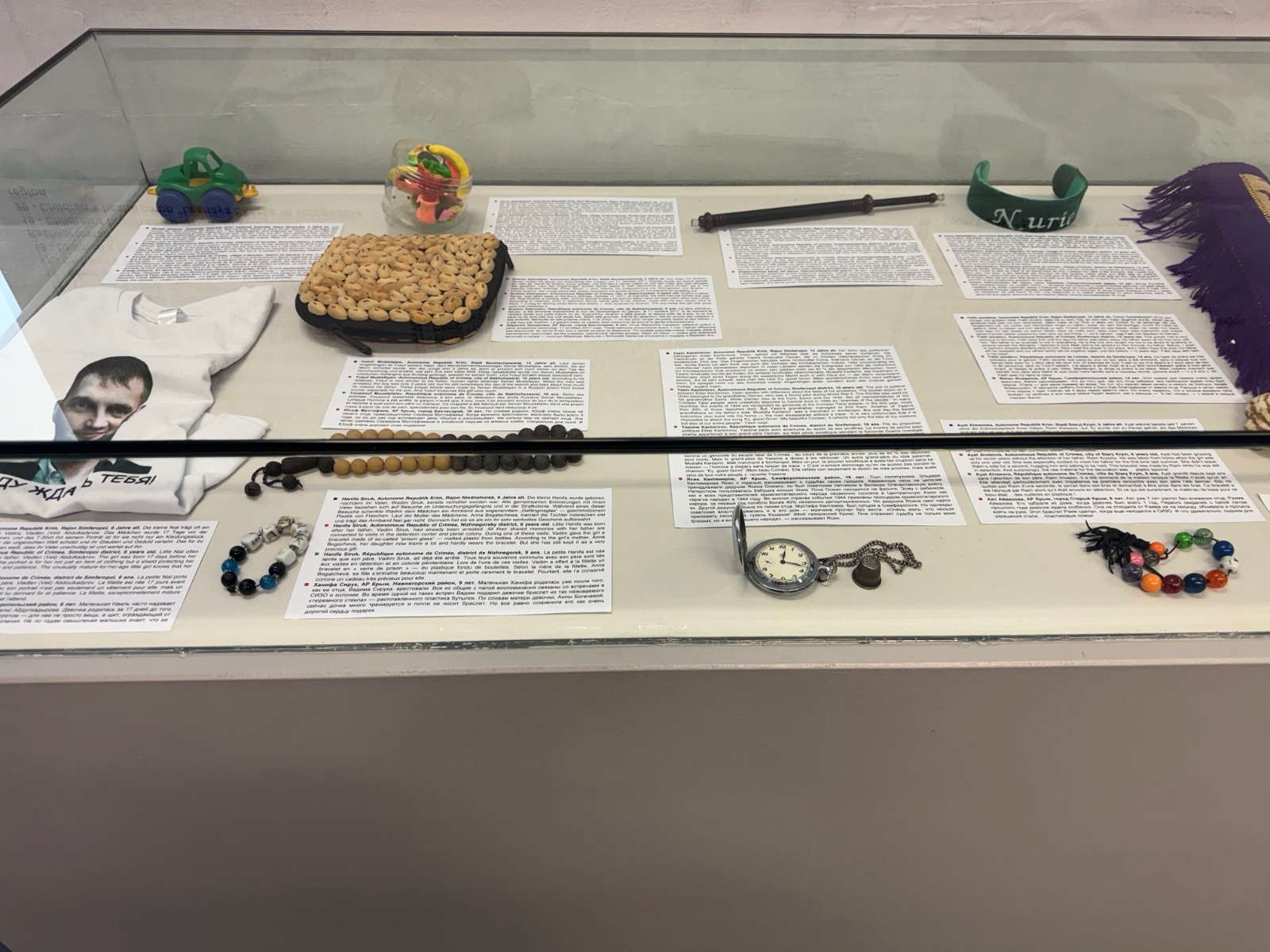
Through letters, the children address their fathers, describing life without them. In one of them, the son of Emir-Usein Kuku, a Crimean political prisoner, human rights defender, and member of the “Crimean Human Rights Movement” and the “Crimean Human Rights Contact Group”, writes: “Dad… It has been 10 years since you were behind bars. These years without you have been very difficult… You are always in my prayers and in my heart“. Emir-Usein Kuku was sentenced to 12 years in a strict-regime penal colony.
In the twelfth year of the temporary occupation of Crimea, 367 children have been left without their fathers, including 246 minors. For many of them, searches and arrests have led to neuroses, depression, stuttering and heart conditions. Their childhood has turned into waiting for court hearings, where they may be lucky enough to catch a glimpse of their father’s smile for a few seconds, into rare phone calls from penal colonies or letters written in a familiar hand thousands of kilometres from home.
It is hard to imagine the suffering endured by the families of political prisoners and the efforts their wives make to raise children alone under occupation, and how these children live for so many years without their fathers’ love and care.
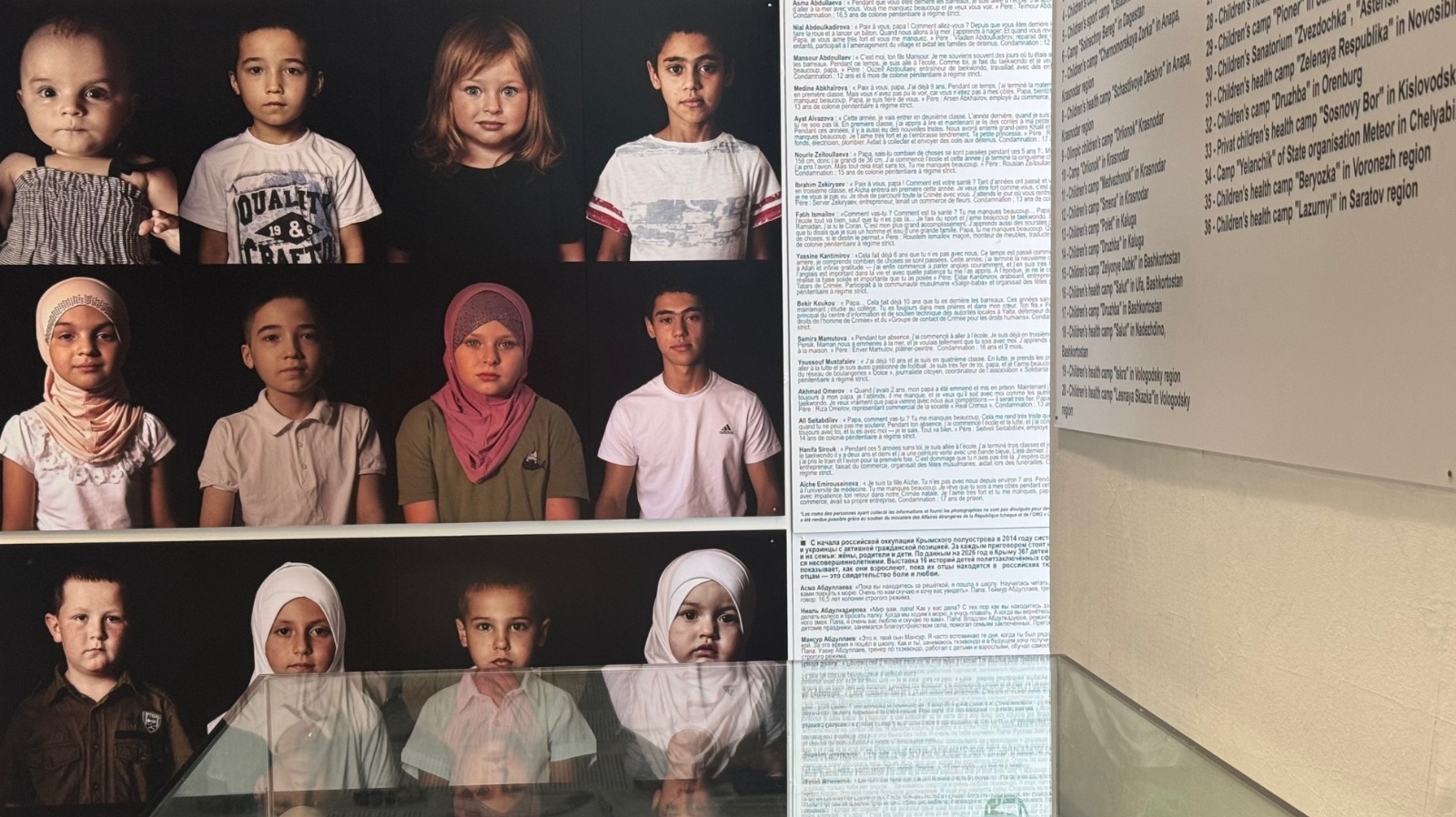
The choice of venue for the exhibition is particularly significant. The Berlin Wall Museum at Checkpoint Charlie is known not only as a historic site but also as an institution that has documented the struggle for freedom and supported human rights for decades.
This is the first project of its kind in Europe, open to visitors during the museum’s regular opening hours. The museum is open daily and consistently ranks among Berlin’s most important historical sites and the city’s top 10 most visited attractions.
International coverage of the consequences of the occupation through the personal stories of Crimean political prisoners and their families is critically important, as such testimonies make it possible to see not abstract violations but the real impact of the Russian occupation on people’s lives, including children growing up without their fathers, as well as entire families living apart for years. This helps build an understanding of the cost of impunity and the need for a systematic international response to hold Russia accountable.
The exhibition has been prepared with the support of the Ministry of Foreign Affairs of the Czech Republic.
The exhibition is open to visitors daily during the museum’s regular opening hours.
Address: 10969 Berlin, Friedrichstrasse 43–45.
Opening hours: daily, 10:00 to 20:00.
Up-to-date information on tickets and prices can be found on the museum’s website via this link.