
ZMINA conducted a series of training sessions on international human rights standards in places of detention
On 28-29 April 2026, the Human Rights Centre ZMINA held online training sessions on international human rights standards in places of detention and on the use of international mechanisms for their protection. More than 60 participants took part in the events, including representatives of the Ombudsman’s Office, staff of the penitentiary system, civil monitors of the National Preventive Mechanism (NPM), human rights defenders, journalists, experts, and other professionals working in the field of human rights protection.
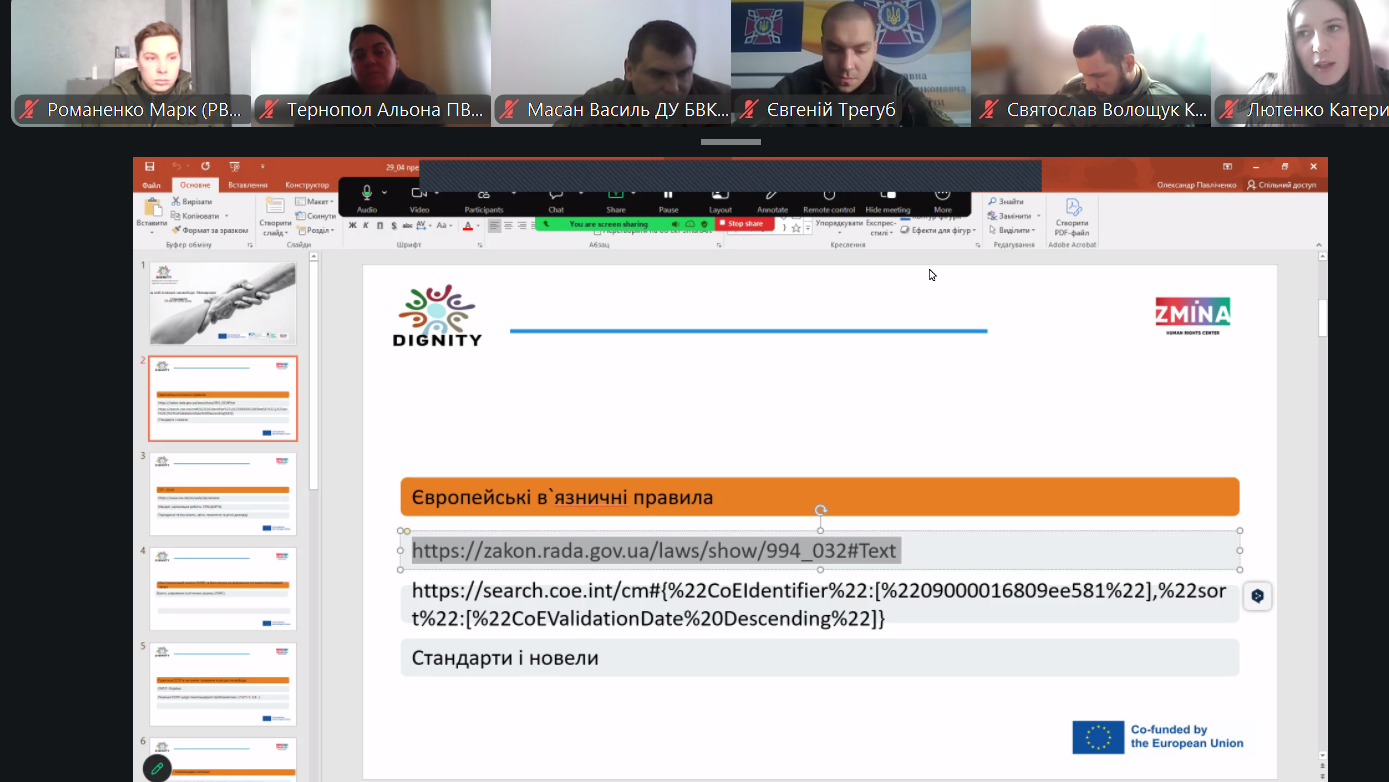
The training sessions were tailored to different audiences and levels of experience. On 28 April, they were held for NPM monitors, Ombudsman’s Office staff and civil society representatives. A separate session on 29 April was organised for senior inspectors overseeing human rights compliance in penal colonies and pre-trial detention centres.
The aim was to strengthen participants’ understanding of international human rights standards in places of detention, and to build practical skills in using international mechanisms to identify, document and protect the rights of people in detention.
The sessions were led by Oleksandr Pavlichenko, Executive Director of the Ukrainian Helsinki Human Rights Union.
Participants explored European human rights standards in detail, including the case law of the European Court of Human Rights, the work of the European Committee for the Prevention of Torture, the provisions of the European Convention on Human Rights, and international mechanisms for monitoring the rights of people in places of detention.
Particular attention was paid to national mechanisms for protecting the rights of prisoners, including the work of the Ukrainian Parliament Commissioner for Human Rights, the system of free legal aid, and the possibilities for judicial protection of people held in custody.
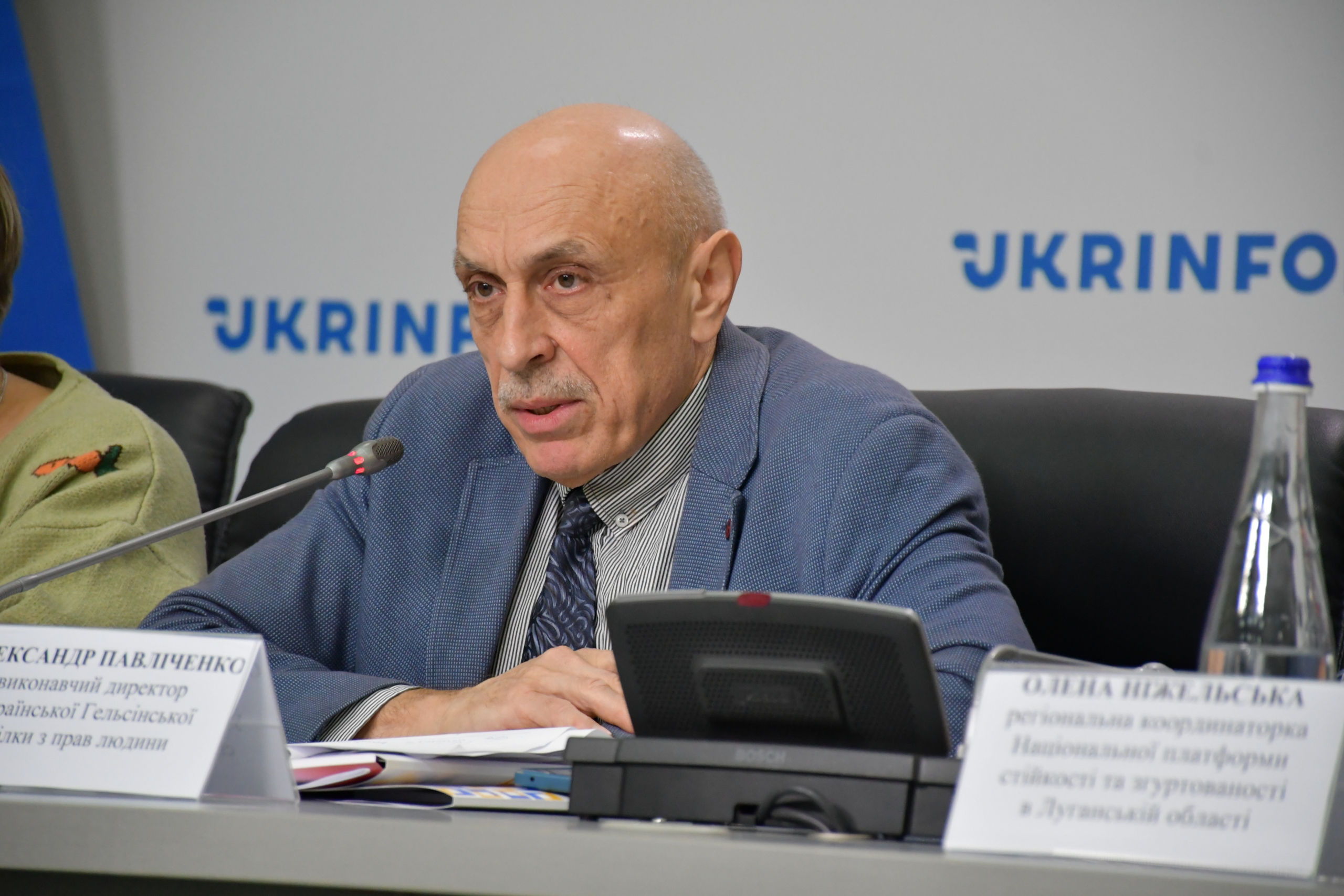 Photo: Oleksandr Pavlichenko
The practical part of the training included case studies, group work and discussions of common human rights violations in places of detention. Participants examined issues such as the prohibition of torture and ill-treatment, the right to life, the right to privacy and the right to an effective remedy. They also looked at categories of cases under Article 3 of the European Convention on Human Rights, including those related to conditions of detention, medical care, physical integrity, the rights of women in detention and the treatment of prisoners serving life sentences.
According to the results of an anonymous survey, participants gave positive feedback on both the content and the practical component of the training, highlighting the relevance of the topics, the interactive format, the group work, and the need for similar training in the future.
ZMINA previously held an online training session on 21 April 2026 “European standards for the prevention of ill-treatment in the penitentiary system”. A total of 58 participants took part, including human rights professionals, representatives of state institutions such as the Ombudsman’s Office and the State Criminal-Executive Service, civil monitors of the National Preventive Mechanism (NPM), as well as human rights defenders and experts.
The training sessions were held as part of the project “DIGNITY: bridging views for a rights-based approach to pre-trial detention”, implemented with the support of the European Commission in cooperation with the Themistocles and Dimitris Tsatsos Foundation – the Centre for European Constitutional Law (CECL) and the European Prison Litigation Network (EPLN).