178 cases of pressure and persecution: ZMINA presented a report on the situation of human rights defenders and civil activists in 2025
On 30 April 2026 in Kyiv, ZMINA presented the analytical report “The situation of human rights defenders and civil activists in Ukraine in 2025”. The event brought together over 80 participants. During the event, human rights defenders, researchers, representatives of state authorities and international institutions discussed key trends in the development of civil society, risks to its activities, as well as security challenges faced by activists, journalists and human rights defenders in the context of the war.
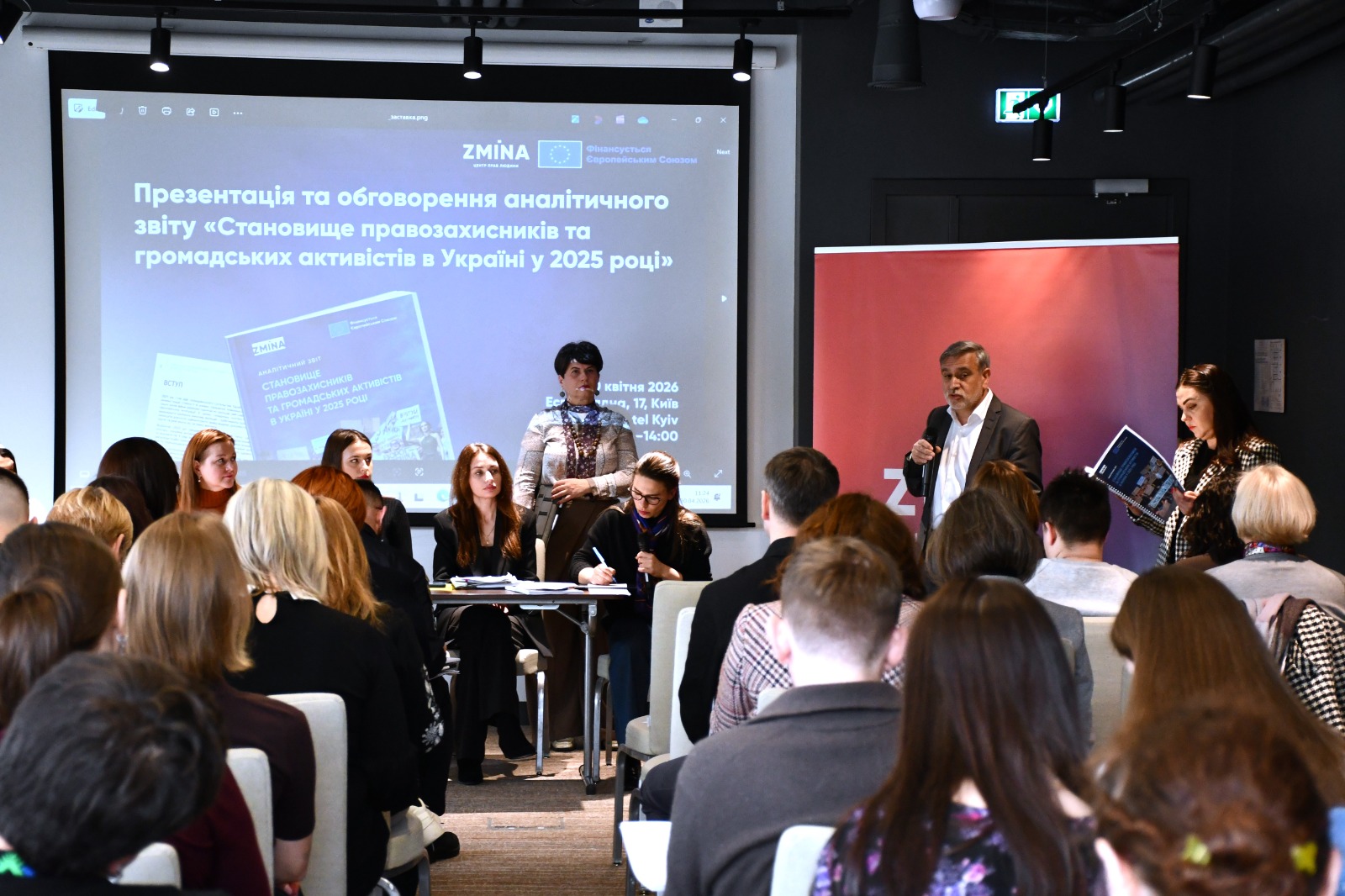
Opening the event, Tetiana Pechonchyk, Head of the Board of the Human Rights Centre ZMINA, emphasised the importance of systematically documenting cases of pressure on civil society and protecting the democratic space even in the context of the full-scale war.
Asier Santillan, Head of the European Integration, Governance, Rule of Law, and Civil Society section of the EU Delegation to Ukraine, delivered welcoming remarks. He thanked the Human Rights Centre ZMINA for its systematic work in protecting civil society and documenting cases of persecution of activists. Santillan stressed that support for an independent civil society, freedom of expression and human rights work is an integral part of European values and Ukraine’s European integration process. He added that, even in the context of the war, maintaining democratic standards, openness and space for civic activity remains critically important for Ukraine’s future as part of the European community.
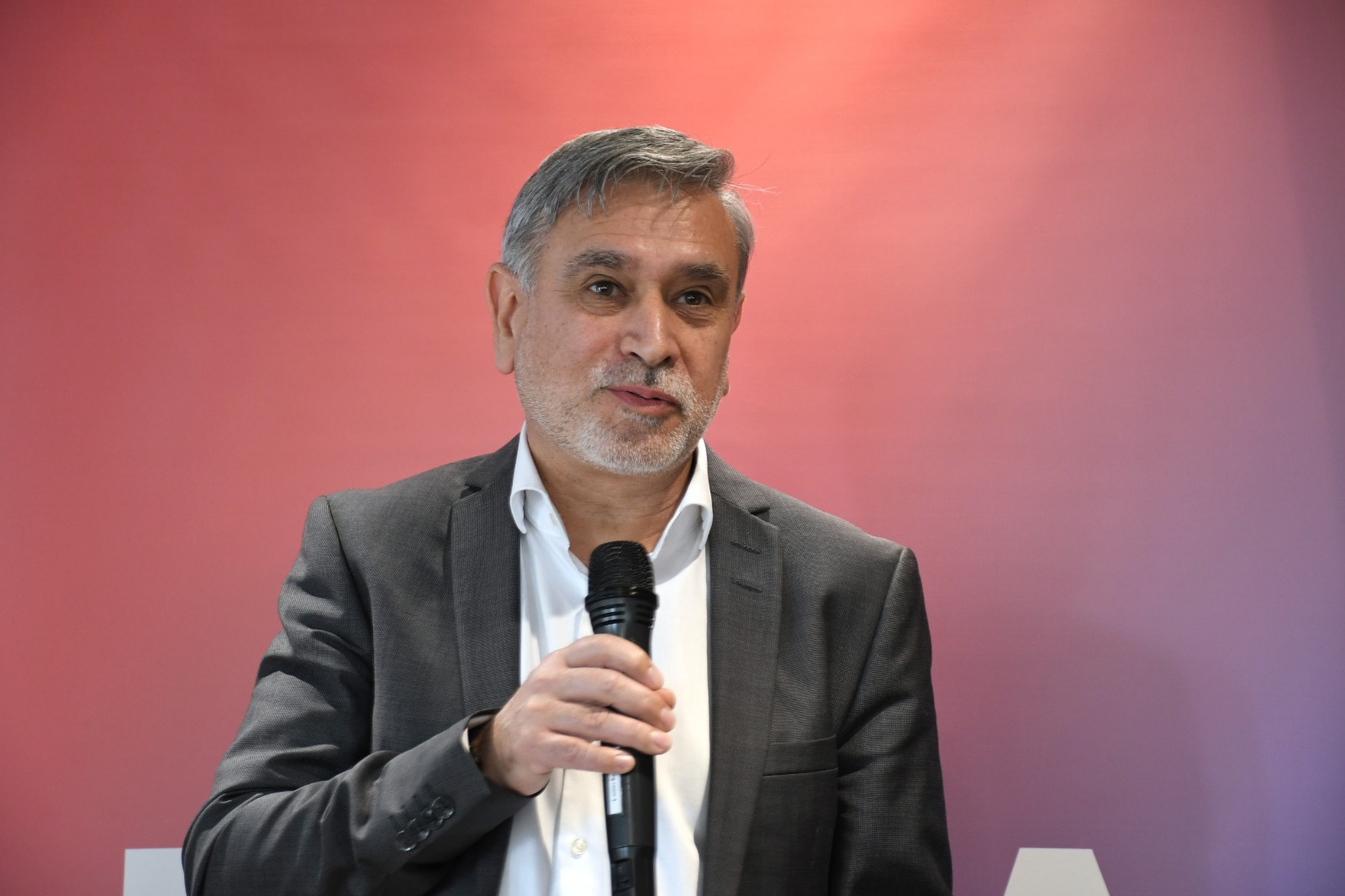 Photo: Asier Santillan
In the report, ZMINA documented 178 cases of persecution, attacks, pressure and losses affecting civil society representatives in 2025. More than 60% of these cases stemmed from Russian aggression, including shelling, attacks on volunteer centres, media outlets and humanitarian infrastructure, as well as targeted persecution of activists.
“The war remains a systemic factor weakening the civil society sector — through the loss of human potential, material resources and constant psychological pressure“, said Iryna Yuzyk, Project Manager at the Human Rights Centre ZMINA.
At the same time, 66 cases of persecution were not directly linked to hostilities. The Human Rights Centre ZMINA emphasises that these cases involved pressure from state authorities, local authorities, law enforcement agencies or non-state actors.
During the first panel, “Civil society in 2025: key trends, context and sociological assessments”, Iryna Yuzyk presented the key trends of the year. She noted that in 2025 pressure increased on anti-corruption activists, environmental defenders and women in the media. Despite the growing visibility of LGBTIQ+ initiatives, systemic threats to their safety remain.
“We observed a large-scale attack on the Anti-Corruption Action Centre. Civil society responded by consolidating efforts, disseminating information and providing legal protection“, she said.
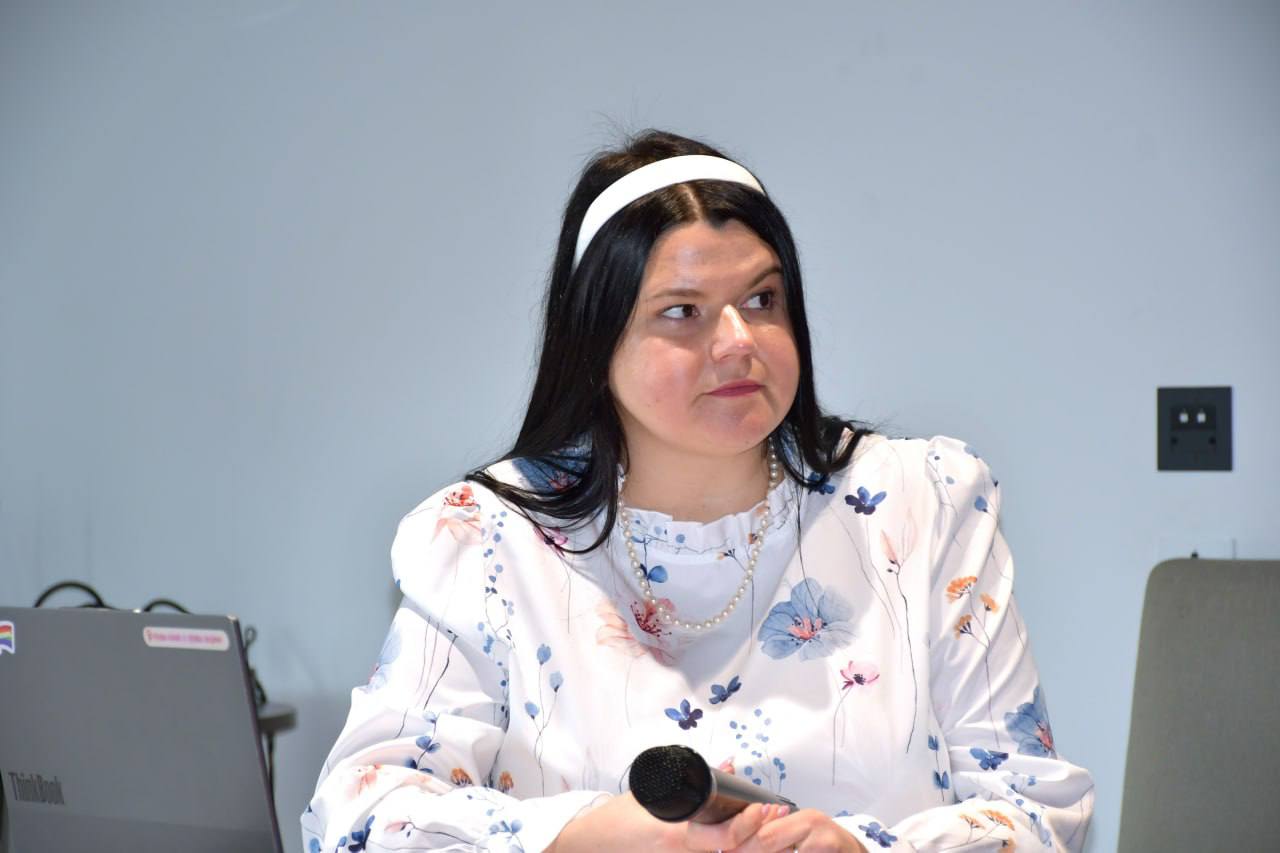 Photo: Iryna Yuzyk
The report devotes particular attention to gender-based online violence against women journalists. The Human Rights Centre ZMINA notes that this has already become a systemic threat to freedom of expression in Ukraine. “Women journalists live under pressure, threats and persecution because of their professional activities“, Iryna Yuzyk emphasised.
According to the study, more than one third of activists faced online harassment, and nearly one third received direct threats. The most common forms of pressure included intimidation, online threats, surveillance, smear campaigns and politically motivated proceedings.
Diana Deputat, Legal Analyst at the Human Rights Centre ZMINA, presented an analysis of legislative initiatives that may pose risks to civil society. In particular, she addressed a law restricting access to data in public registers, new rules for the verification of humanitarian organisations, a draft law on the “identification of a lawyer with their client”, amendments to the Civil Code, and initiatives to restrict access to court decisions.
“We see risks of a chilling effect on the media and civil society organisations. Due to vague wording, journalists and human rights defenders may fear legal liability“, Deputat noted.
The human rights defender also stressed that some of the legislative changes may negatively affect transparency, investigative journalism, anti-corruption monitoring and public oversight.
Alona Osypova, Analyst at the Centre for Qualitative Research, presented the sociological part of the study. The research took place in May–August 2025 at the request of the Human Rights Centre ZMINA and covered 156 activists from all regions of Ukraine. The respondents included anti-corruption activists, human rights defenders, environmental activists, LGBTIQ+ activists, representatives of veterans’ communities and other vulnerable groups.
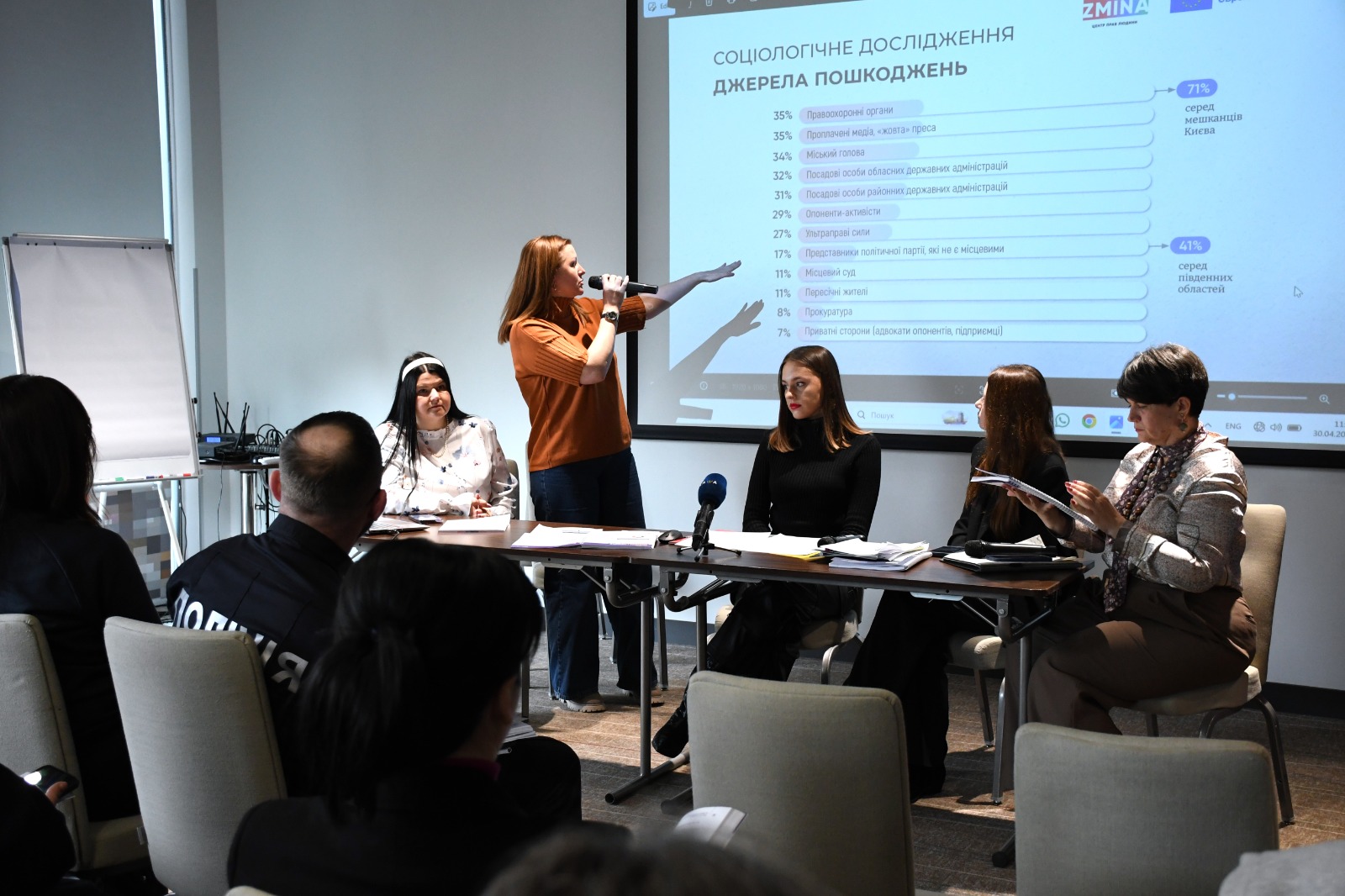
The results showed that nearly three quarters of respondents had encountered obstacles in their activities at least once, while one in five experiences pressure on a regular basis. Among the most common forms of threats were actions by law enforcement agencies, which activists – particularly in the anti-corruption field and in large cities — most frequently reported. Respondents also highlighted the lack of dialogue with the police and an unwillingness to effectively investigate complaints.
Reputational and “soft” forms of pressure account for a significant share of threats: around one third of respondents point to the influence of “paid-for media” and the “tabloid press”, while 26% cite restrictions on freedom of expression. At the same time, digital attacks constitute one of the key channels of pressure: 35% of activists have faced online harassment on social media, and 29% – threats or intimidation.
Nearly one third of respondents reported administrative barriers, indicating systemic difficulties in interaction with state institutions. At the same time, physical attacks occur less frequently but remain the most dangerous.
Activists consider solidarity and horizontal networks to be the most effective protection tools: 72% cited partnerships with other organisations, 63% — personal contacts, and 62% — public coverage of issues in the media and on social media. Around half also turn to formal institutions, although overall they rely more on informal protection mechanisms and public visibility.
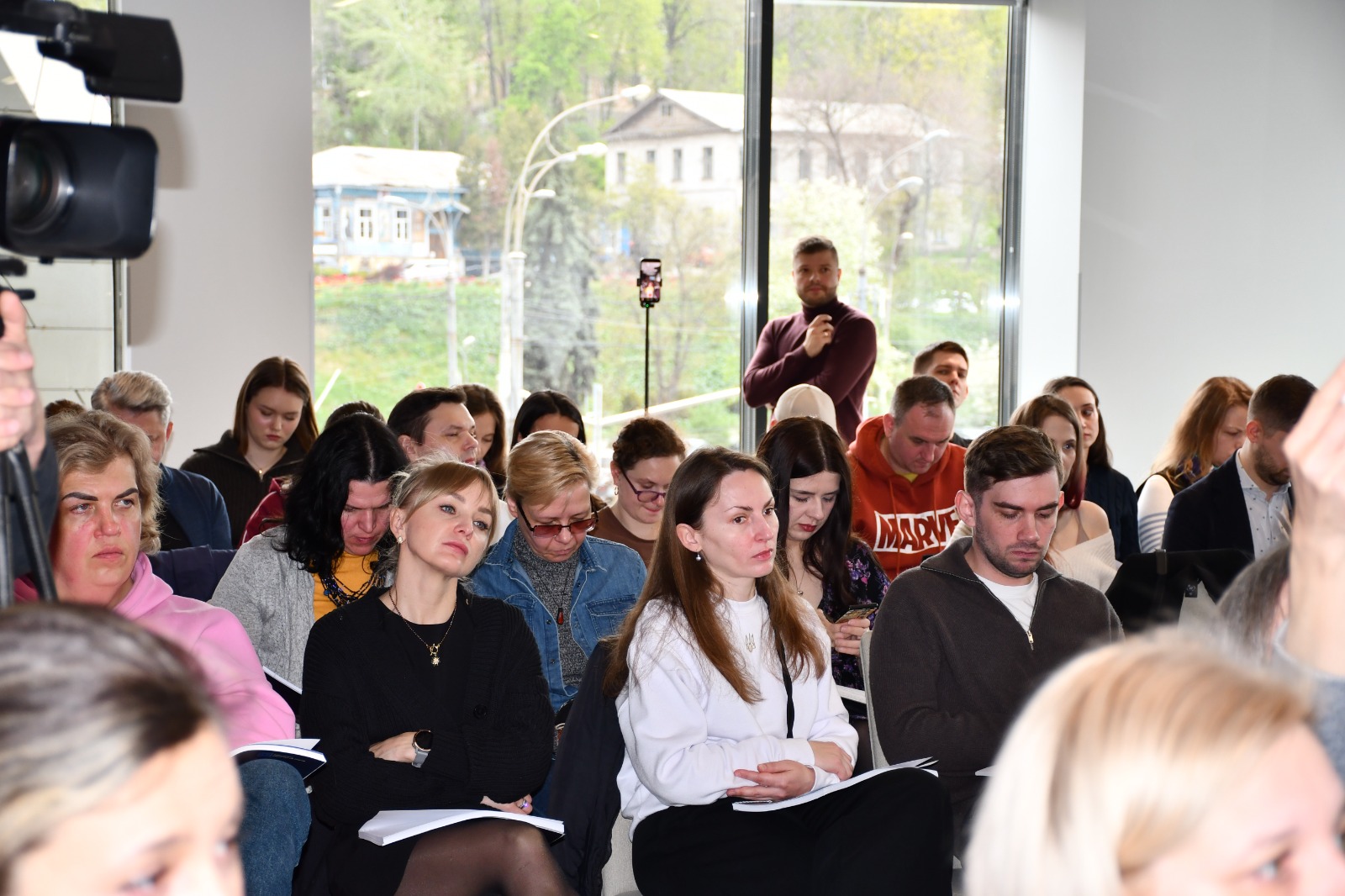
Nataliia Sobkalova, Deputy Head of the Department for Citizenship and Political Rights at the Office of the Ombudsman, reported that the number of appeals by journalists to the Ukrainian Parliament Commissioner for Human Rights increases each year. “There were 163 appeals in 2022, 316 in 2023, 319 in 2024, and already 354 in 2025“, she said.
Sobkalova noted that journalists and environmental activists regularly report threats, inaction by law enforcement agencies and the failure to register complaints in the URPI. She also reported that in 2025 a working group was initiated under the Verkhovna Rada Committee on Freedom of Speech to prepare legislation to counter SLAPP lawsuits – unfounded court proceedings against activists and journalists.
The second panel focused on the safety of civil society activists and practices for countering pressure. Participants included Khrystyna Roman, Documentation Specialist at the Human Rights Centre ZMINA, Antonina Korniienko, activist and Head of the NGO “Stvoreni Diia Ty”, Velyka Dymerka, Kyiv region, Maksym Shumakov, member of the student trade union “Priama Diia”, Ivan Franko National University of Lviv, Olena Mudra, investigative journalist, founder and Head of the NGO “Code 21”, Uzhhorod, Yakiv Lavrynets, co-organiser of KyivPride and KharkivPride, and Sviatoslav Bilan, Head of the Media Monitoring and Public Communication Unit of the Department of Communications of the Ministry of Internal Affairs of Ukraine.
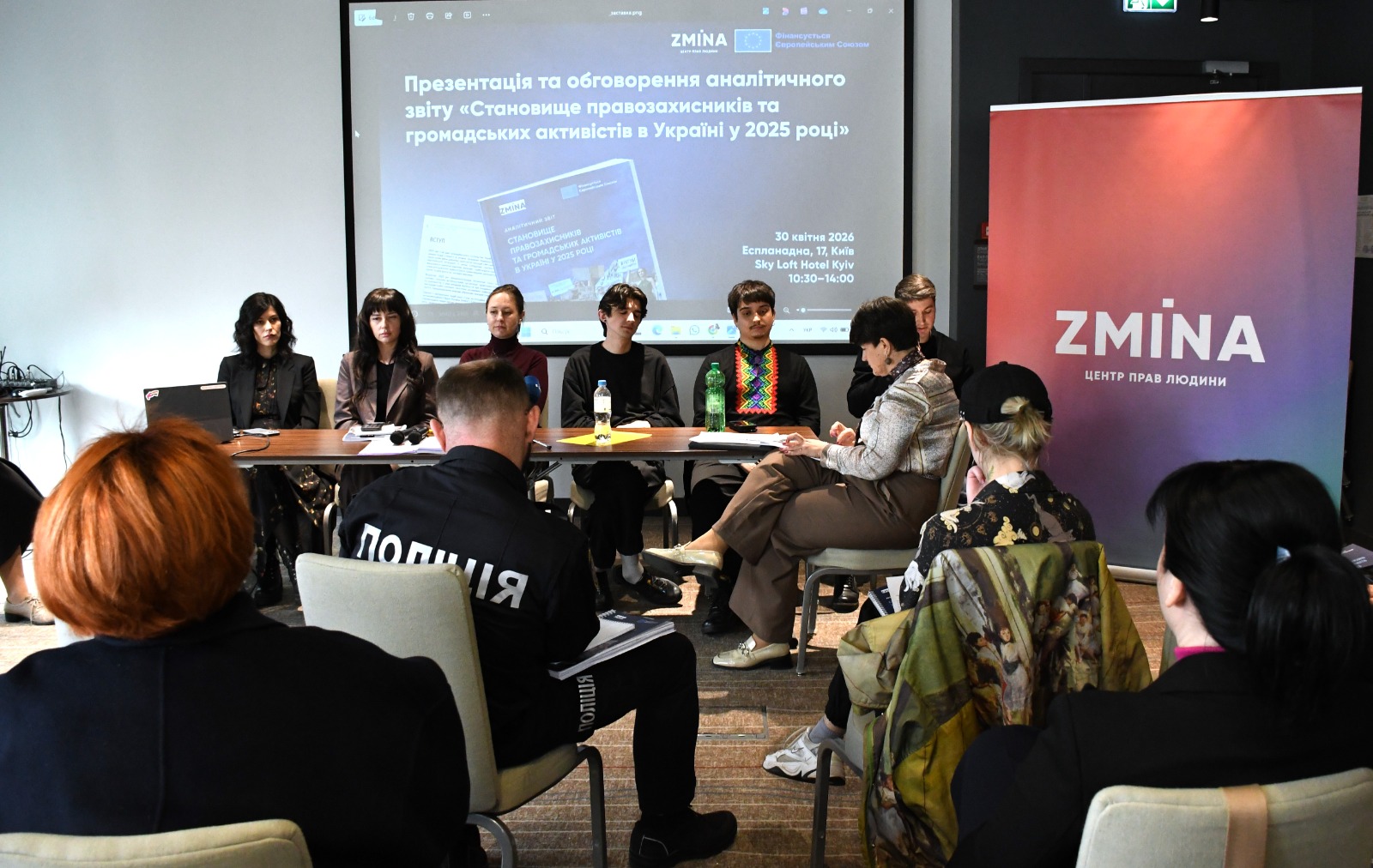
Participants shared their experiences and specific cases of persecution, obstruction of civic activities, pressure on LGBTIQ+ events, and targeting of environmental activists and journalists in the regions.
Maksym Shumakov outlined the challenges faced by student activists, particularly in connection with their participation in campaigns to defend students’ rights and academic freedoms.
Yakiv Lavrynets spoke about security risks for LGBTIQ+ activists and attempts to disrupt human rights and awareness-raising events. Panel participants noted that even closed events for small communities often become targets for aggressive groups that seek to obstruct the events or resort to threats.
Olena Mudra described the pressure faced by environmental activists and journalists in Zakarpattia due to investigations into illegal construction, deforestation and corruption schemes in the region. The Human Rights Centre ZMINA report cites her case as an example of systemic pressure on regional journalists and civil society activists working on anti-corruption and environmental issues.
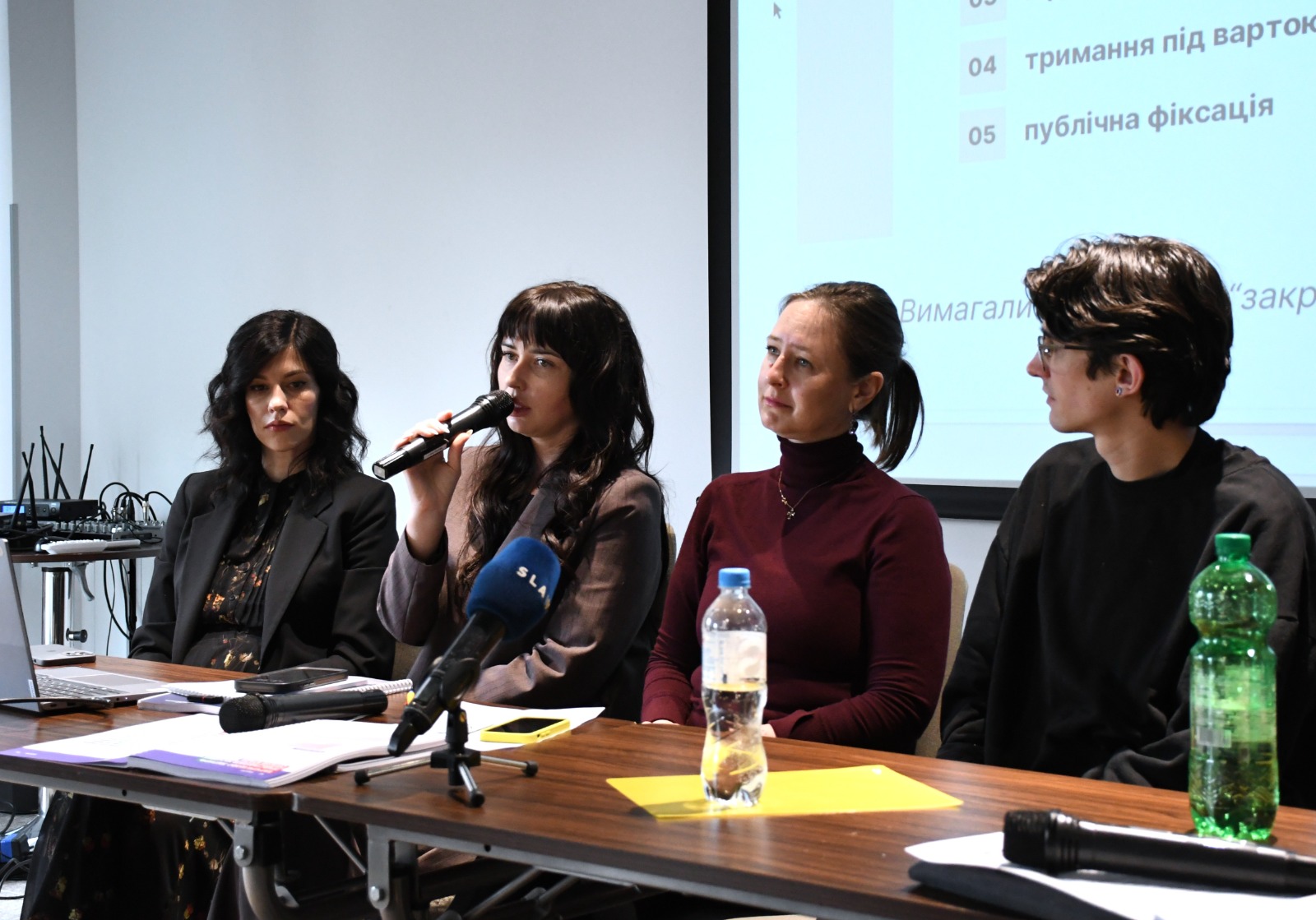 Photo: Khrystyna Roman, Antonina Korniienko, Olena Mudra, Maksym Shumakov
The discussion also addressed the case of environmental activist Mykhailo Berchuk, who has documented environmental violations and fought environmental pollution in Kirovohrad region for many years. The report’s authors note that his work has repeatedly exposed him to pressure, and that recently a SLAPP lawsuit for UAH 5 million was filed against him – a legal action that human rights defenders view as an attempt to intimidate the activist and restrict his public activities.
Antonina Korniienko shared her experience of civil society work in communities in Kyiv region and highlighted the importance of local solidarity in countering corruption, pressure and intimidation of activists.
Sviatoslav Bilan, Head of the Media Monitoring and Public Communication Unit of the Department of Communications of the Ministry of Internal Affairs of Ukraine, emphasised the importance of dialogue between civil society and law enforcement agencies.
“One of the main challenges is the lack of meaningful dialogue between civil society and authorities at various levels, including law enforcement agencies. But dialogue is a process that requires attention and effort from both sides“, he said.
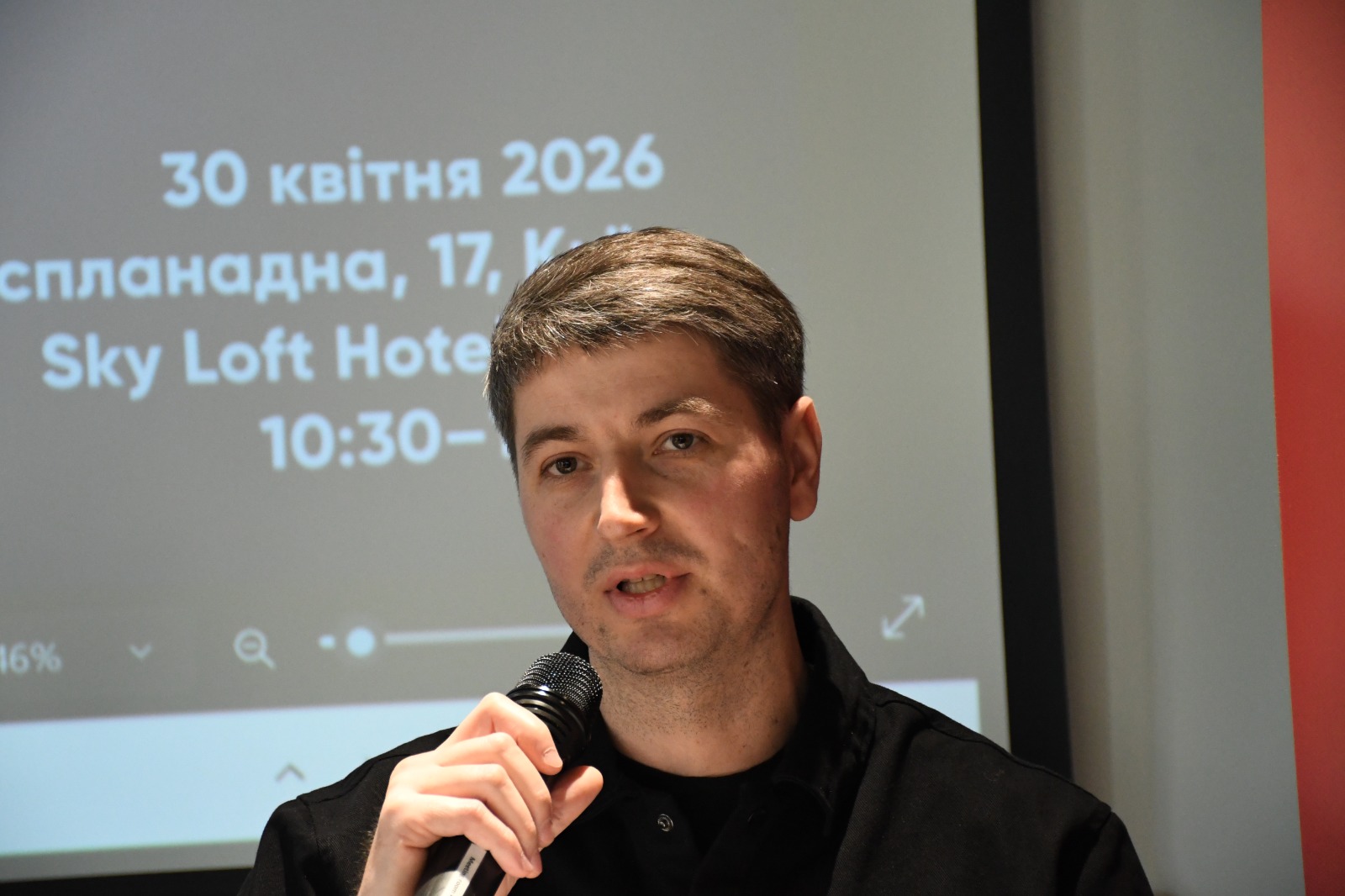 Photo: Sviatoslav Bilan
The Human Rights Centre ZMINA stresses that, despite the war and security challenges, civil society in Ukraine remains resilient and continues to perform a critically important function in protecting human rights, ensuring democratic oversight, and supporting those affected by the war.
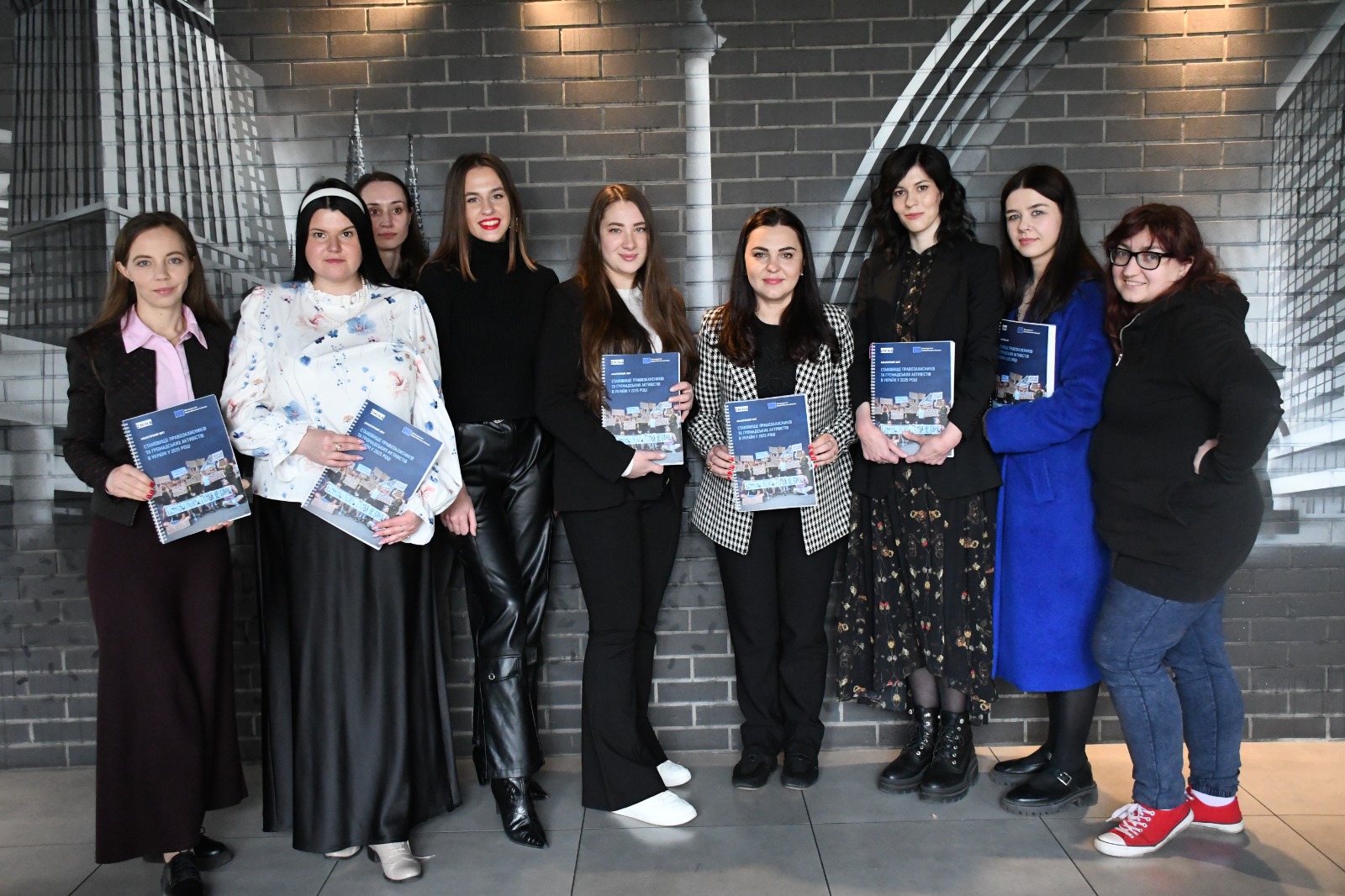
The Human Rights Centre ZMINA organised the event with financial support from the European Union. The content is the sole responsibility of the Human Rights Centre ZMINA and does not necessarily reflect the position of the European Union.