ZMINA took part in the Bring Kids Back UA Expert Day and submitted a civil society statement to the international coalition
On 30 April 2026, the Civil Society & Expert Day took place in Kyiv as part of the Bring Kids Back UA initiative, bringing together representatives of civil society, state institutions and international partners to discuss mechanisms for the return of Ukrainian children unlawfully deported or forcibly transferred by Russia.
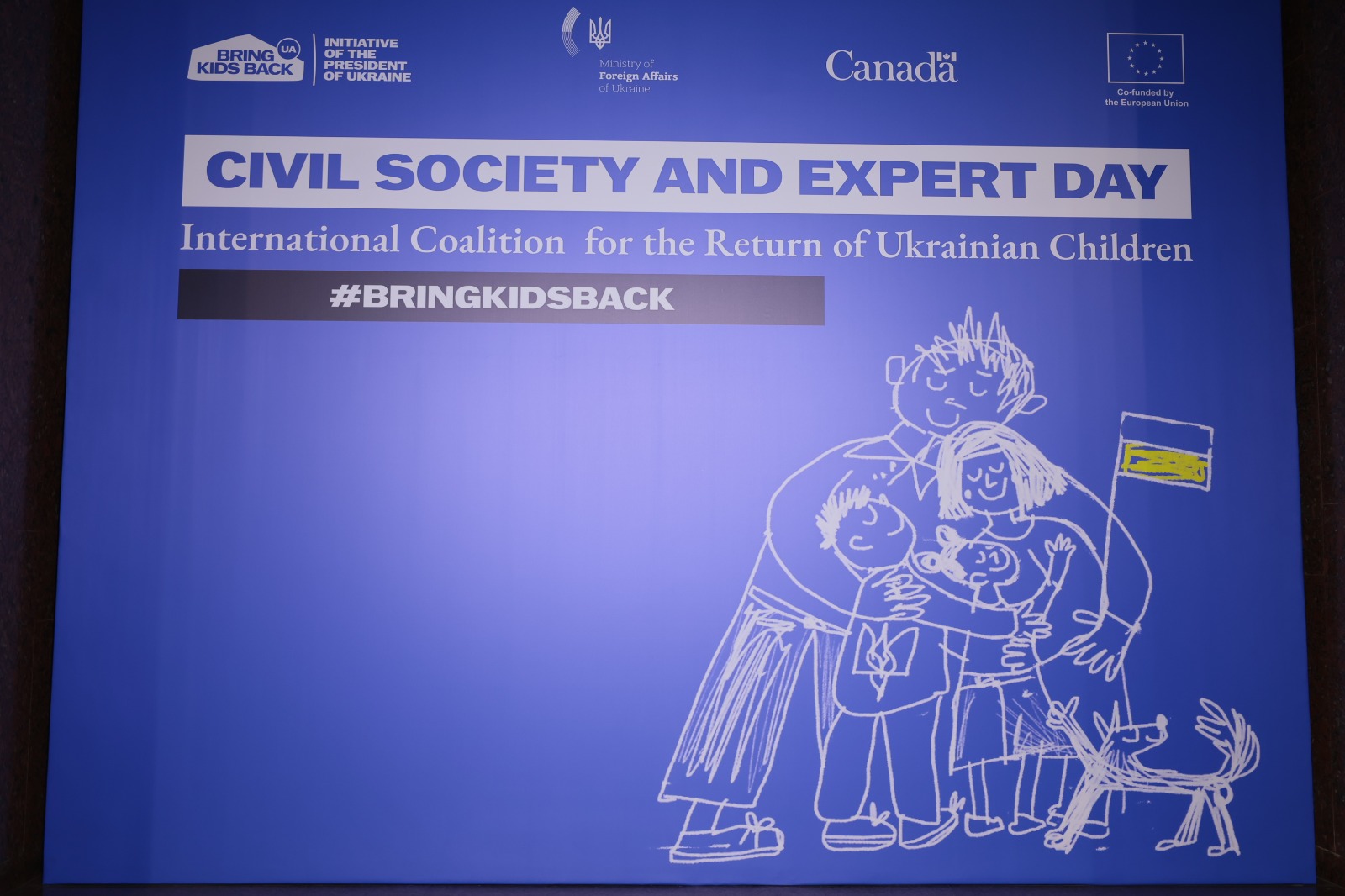
Children who had been successfully returned from the temporarily occupied territories and Russia also attended the event, alongside organisations documenting crimes and working on the return and reintegration of children. Representatives of the Human Rights Centre ZMINA also took part – Alena Lunova, Advocacy Director and Onysiia Syniuk, Head of the Research Department.
During the discussions, participants stressed that the deportation and forced transfer of Ukrainian children is not only a humanitarian issue but also forms part of Russia’s systematic policy aimed at erasing Ukrainian identity.
Alena Lunova, Advocacy Director at the Human Rights Centre ZMINA, stressed that no political compromises are acceptable when it comes to returning children.
“Children cannot be used as bargaining pawns. There must be no conditions on their return“, she emphasised.
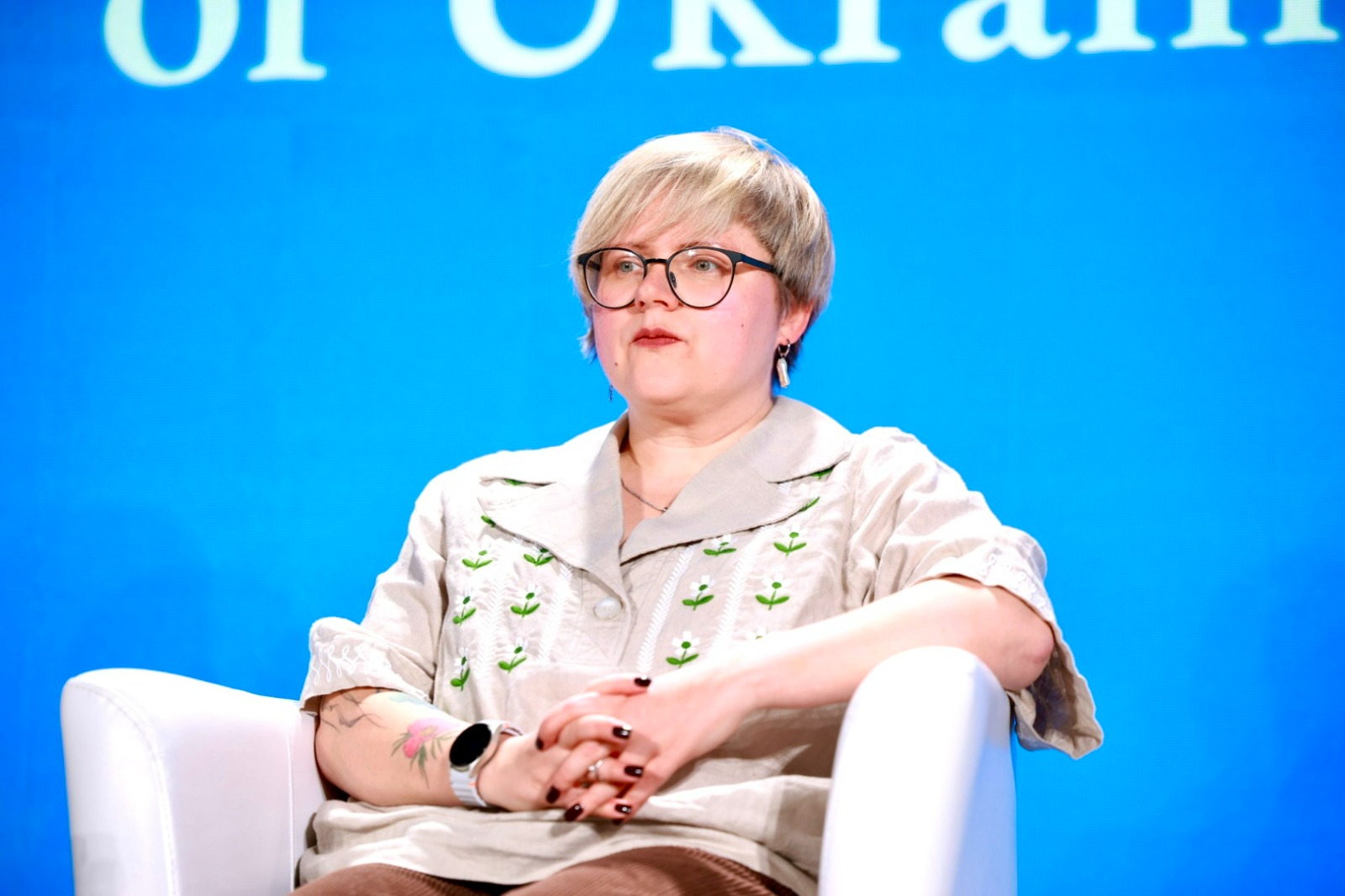 Photo: Alena Lunova
According to Alena Lunova, the problem goes far beyond the deportations themselves, as Russia has already established an infrastructure of indoctrination and militarisation of Ukrainian children in the temporarily occupied territories of Ukraine, where their identity is being altered even without physical transfer.
“It is crucial during negotiations to pay attention to potential procedural “pitfalls” in the implementation of a peace agreement. This primarily concerns how to identify Ukrainian children, what to do about the Russian citizenship imposed on them, and how to address cases of children who have reached the age of 18“, Advocacy Director, stressed.
A separate part of the event was the submission of a joint statement by Ukrainian civil society organisations to the International Coalition for the Return of Ukrainian Children. Onysiia Syniuk, Head of the Research Department at the ZMINA, handed the document to Andrii Sybiha, Minister of Foreign Affairs of Ukraine.
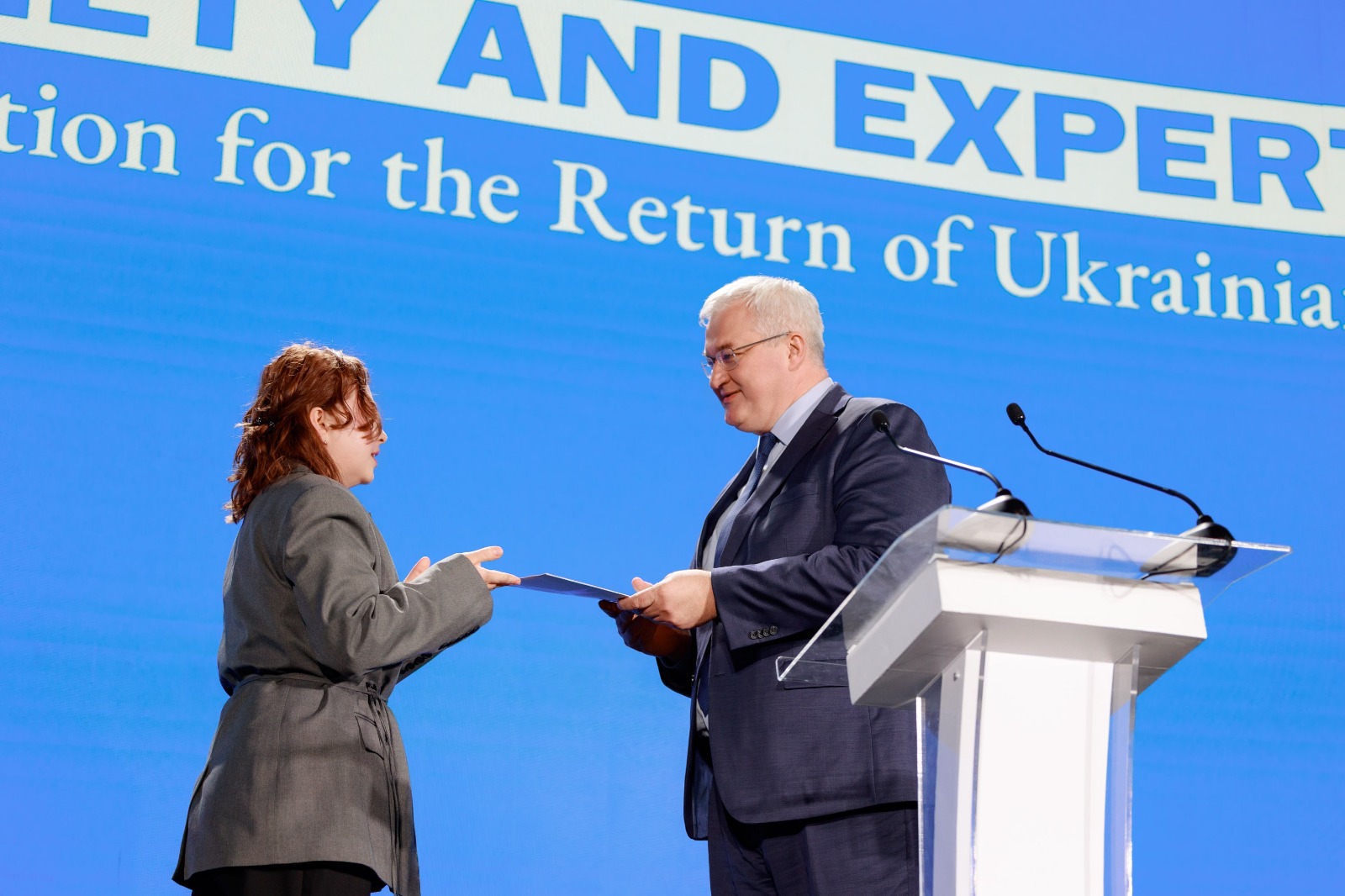 Photo: Onysiia Syniuk, Andrii Sybiha
More than 40 Ukrainian civil society organisations signed the statement. The document sets out specific recommendations for coalition member states ahead of the summit in Brussels, scheduled for 11 May.
As Onysiia Syniuk noted, the statement was developed based on many years of experience of Ukrainian organisations in documenting crimes, returning children and supporting their rehabilitation.
“This statement was shaped by the understanding that, in the fourth year of the full-scale invasion and the twelfth year of the armed aggression of the Russian Federation against Ukraine, we had already accumulated experience in documenting, returning and rehabilitating children that must be taken into account. At the same time, the challenges have also evolved. This is precisely what we sought to reflect“, she said during her speech.
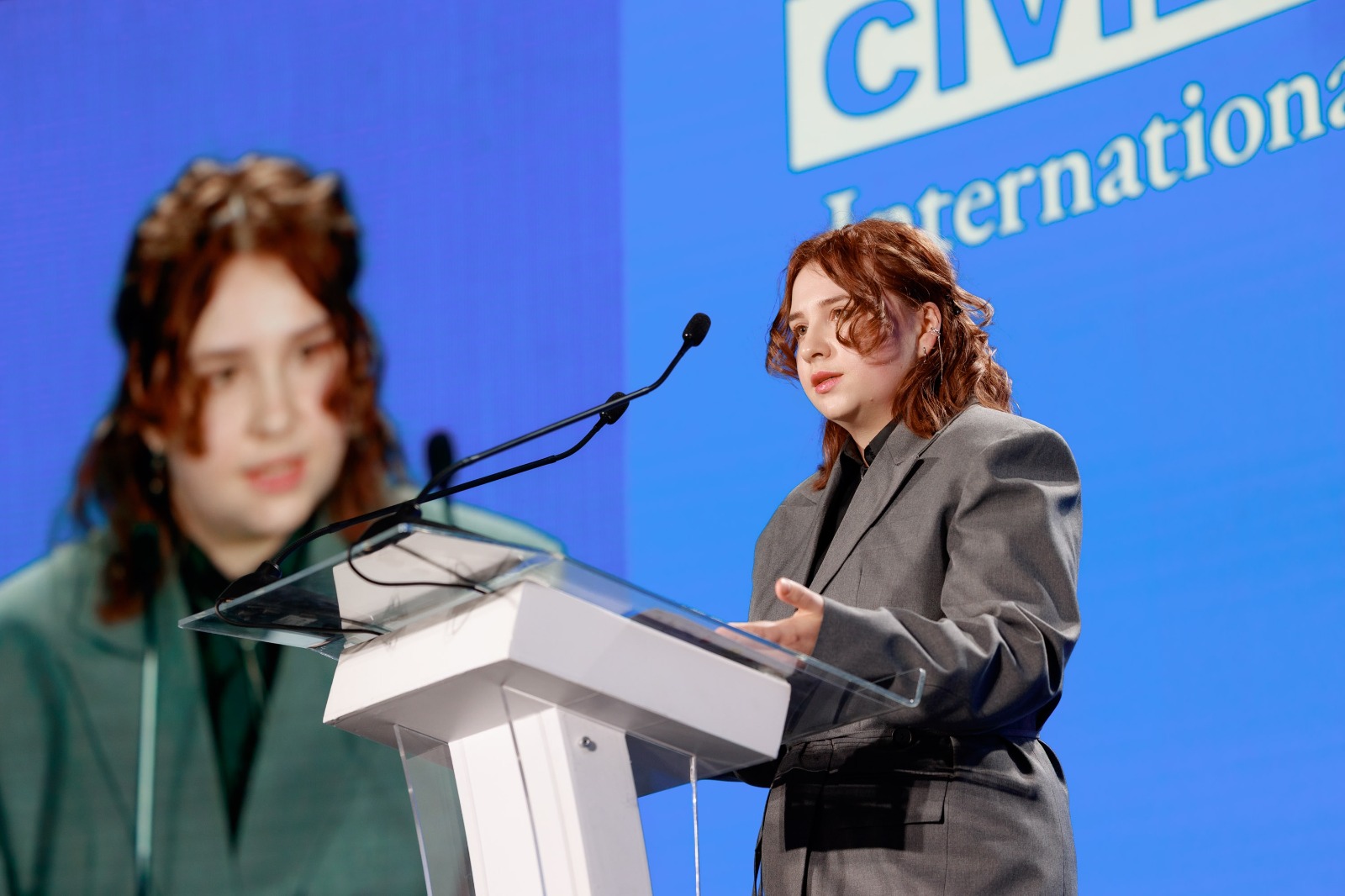 Photo: Onysiia Syniuk
In the statement, civil society organisations call on coalition member states to increase pressure on Russia to stop the deportation, forced transfer, imposition of citizenship on Ukrainian children and their indoctrination. Particular emphasis is placed on the need to obtain information to identify the children and to coordinate sanctions policy against those responsible for these crimes.
The document also highlights the need to support the work of the International Criminal Court, to enforce the arrest warrants for Vladimir Putin and Maria Lvova-Belova, and to ensure the implementation of the UN General Assembly resolution on the return of Ukrainian children.
Andrii Sybiha, after receiving the statement, emphasised the significance of the results achieved in the process of returning Ukrainian children, while acknowledging that the scale of the Russian Federation’s crime requires incomparably greater efforts. He stressed that returning children must include not only their physical return home, but also the restoration of their identity and the return of their childhood.
“Returning a child to Ukraine is not always the most difficult stage, as it is often necessary afterwards to return Ukraine to the child – in essence, to restore their identity. The main challenge, however, is always to return childhood to the child“, the minister noted.
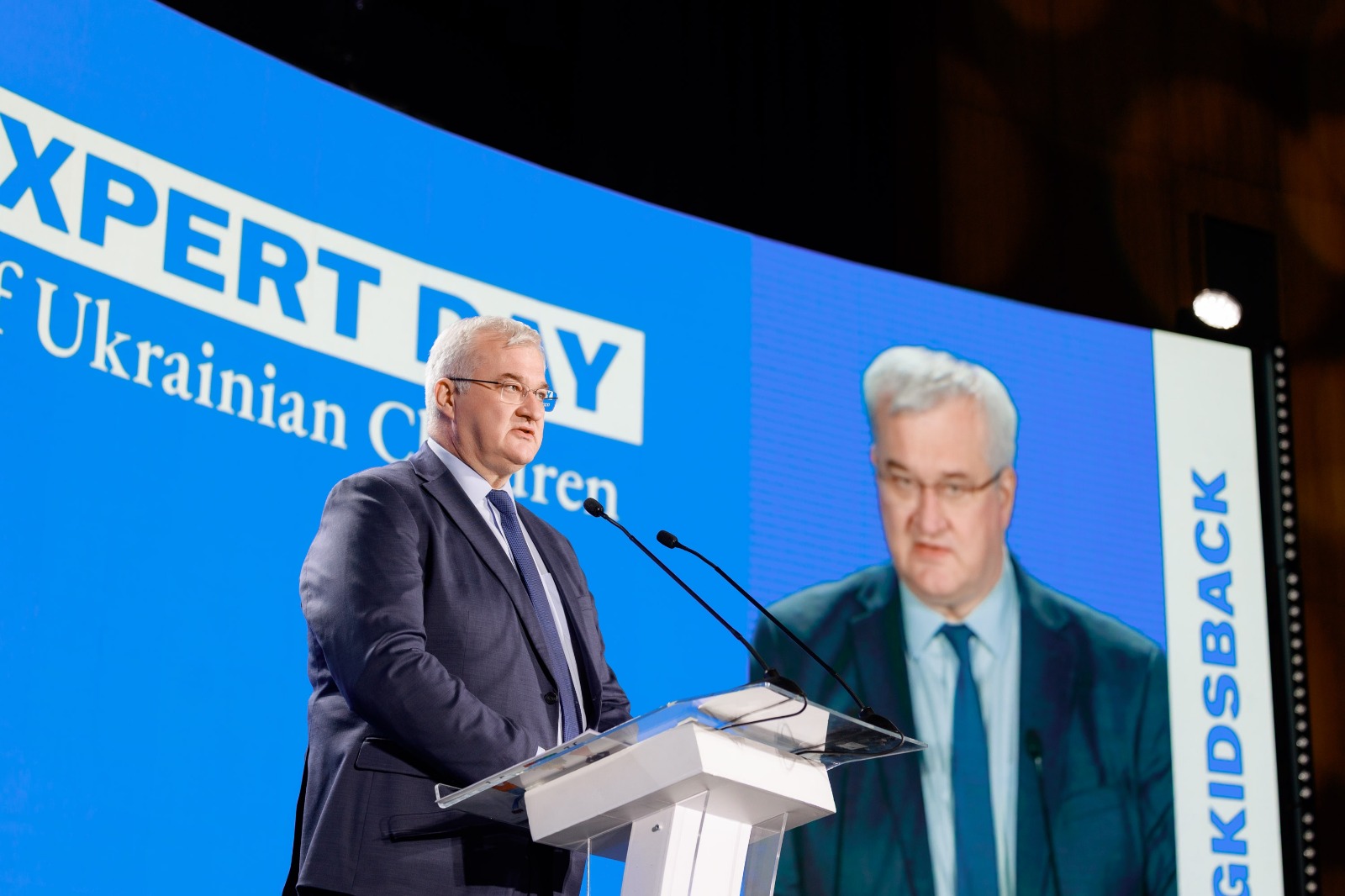 Photo: Andrii Sybiha
Andrii Sybiha also stressed the importance of Ukraine attending the International Coalition summit in Brussels with a position shaped and supported by civil society. He noted that the joint statement by Ukrainian organisations is expected to help shape further international decisions and strengthen coordination of efforts to return Ukrainian children and hold those responsible to account.
The Civil Society & Expert Day served as a preparatory stage for the meeting of the International Coalition for the Return of Ukrainian Children, scheduled for 11 May in Brussels. Participants stressed that the issue of returning Ukrainian children is not only a humanitarian issue, but also a matter of international law, justice and accountability for war crimes.
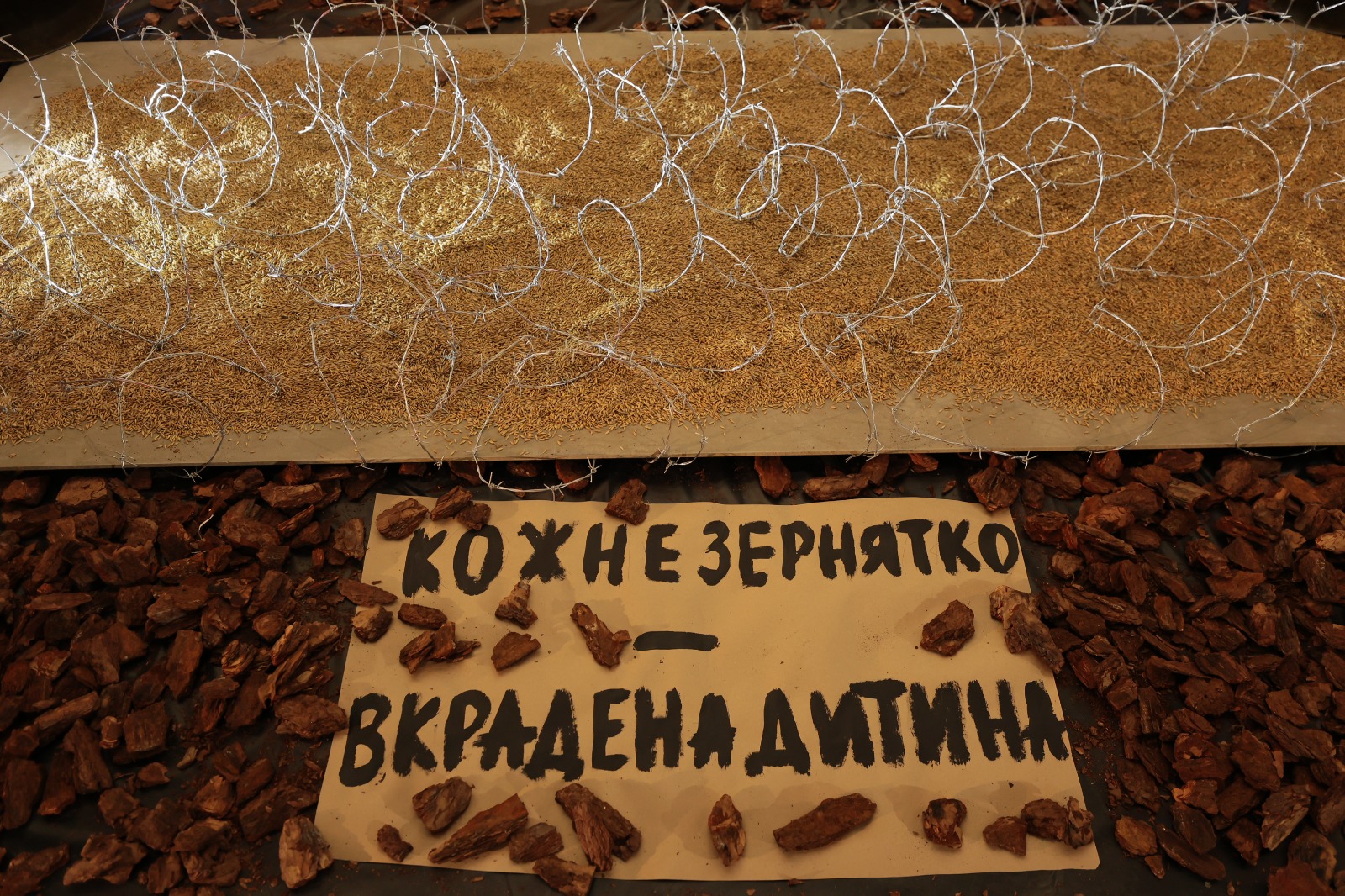
Photo credit: Bring Kids Back UA