Consequences of the Russian occupation for children and the civilian population: ZMINA co-organised an event at the UN Headquarters
On 2 December, the UN Headquarters in New York hosted a thematic event “Eleven Years of Russian Occupation in Ukraine: Consequences of Human Rights Violations for Civilians and Children”, organised by the Permanent Missions of Ukraine and Lithuania as well as member organisations of the Crimean Human Rights House, including ZMINA, with the support of the Human Rights House Foundation and Human Rights First.
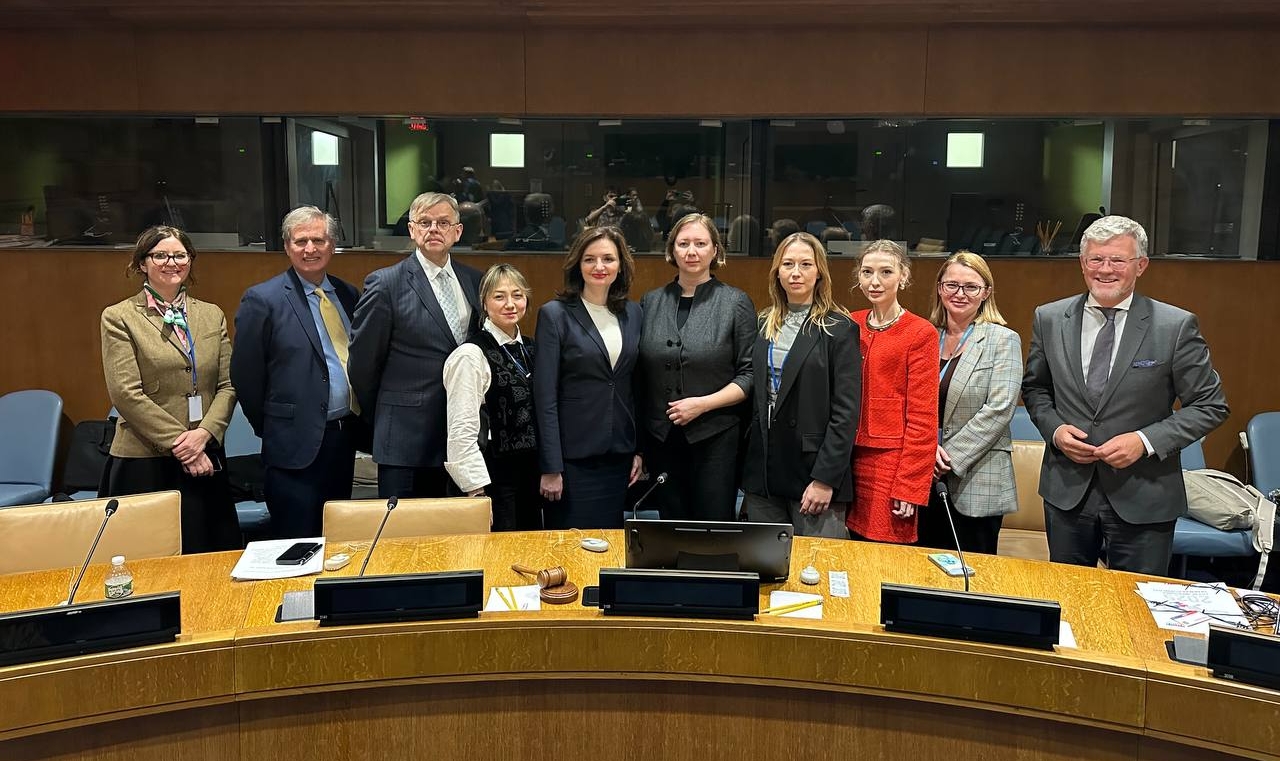 Photo credit: Permanent Mission of Ukraine to the United Nations
Deputy Minister of Foreign Affairs of Ukraine Mariana Betsa opened the event by emphasising the scale and systematic nature of the crimes committed by the Russian occupying authorities against the civilian population. She stressed that Ukrainian children cannot be the subject of bargaining or political manipulation, and that the return of every illegally abducted child is not only a humanitarian necessity but also an absolute moral obligation of the international community.
The international community must unanimously and persistently demand that Russia return every Ukrainian child that has been illegally taken away, emphasised Permanent Representative of Lithuania to the UN, Rytis Paulauskas. According to him, despite Russia’s statements to the contrary, “numerous authoritative sources have documented the illegal deportation and forced displacement of Ukrainian children by Russia“.
 Photo credit: ZMINA
Kateryna Rashevska from the Regional Center for Human Rights emphasised that the Russian Federation is systematically misleading the world on the issue of returning children. Since March 2025, Russia has returned only 20 Ukrainian children, while thousands of others remain under full state control in boarding schools or Russian foster families. At the same time, Russian Ombudsman Tetiana Moskalkova continues to claim that there are allegedly 730,000 “evacuated” Ukrainian children in Russia.
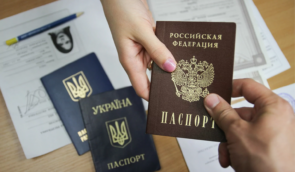
“Russia has failed to fulfil any of its obligations as a state responsible for evacuation: no list, no periodic assessment of the grounds for continued stay, no voluntary repatriation. Instead, there has been deportation, imposition of Russian citizenship, adoption and Russification,” Rashevska emphasised.
 Photo credit: Permanent Mission of Ukraine to the United Nations
Special attention was paid to the systematic policy of persecution of the civilian population in the occupied territories. Tetiana Zhukova, Senior International Advocacy Manager of the Human Rights Centre ZMINA, presented the analysed cases: Russia targets residents with pro-Ukrainian positions, representatives of government structures, educational institutions, legal institutions and religious centres who are not inclined to cooperate with the occupiers. The Russians are also persecuting active layers of the population, such as volunteers, human rights defenders and journalists.
“As of today, we know of at least 26 imprisoned journalists. The only crime these people have committed is trying to show the world the true face of the Russian occupation. They wrote about the realities faced by residents of the occupied territories, such as Iryna Danylovych, who was abducted, tortured and sentenced to almost seven years in prison for telling the truth,” Zhukova said.
Tetiana called on delegations to “become the voice of those who are persecuted“, make public statements, send letters to political prisoners, and join international coalitions, particularly those aimed at returning civilian hostages, working with the Register of Damages, and establishing a tribunal for the crime of aggression.
 Photo credit: Permanent Mission of Ukraine to the United Nations
Sabina Ilias from Crimea SOS focused on the repression against the Crimean Tatar people, who have been subjected to targeted persecution since the beginning of the occupation of Crimea: “With their distinct national identity, they pose a threat to Russia’s plans in Crimea. Crimean Tatars, who made up about 13% of the peninsula’s population before the invasion, suffer disproportionately from the repressive policies of the occupiers. The persecution of the indigenous people of Crimea has been a constant policy since Soviet times, which Russia continues to pursue“.
The human rights defender noted that Russia continues to carry out a hybrid deportation of Crimean Tatars from the occupied peninsula, transporting victims of politically motivated persecution from Crimea to the Russian Federation or creating conditions under which representatives of the indigenous people are forced to leave their homeland.
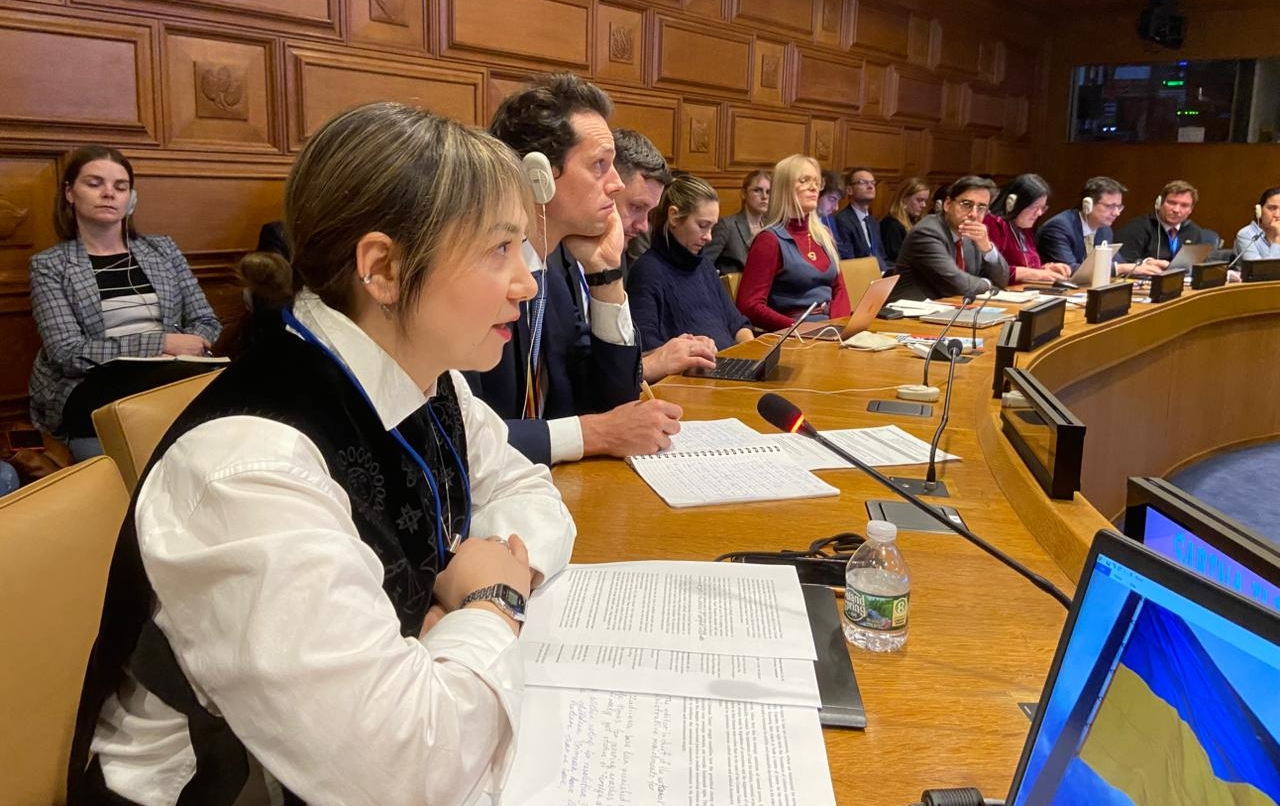 Photo credit: ZMINA
“Russian media also constantly use hate speech against Crimean Tatars, as well as Ukrainian activists, human rights defenders and journalists. In the case of Crimean Tatars, this hate speech comes down to accusations of terrorism, and in the case of Ukrainians, espionage, sabotage and extremism,” added Olha Skrypnyk, Head of the Crimean Human Rights Group.
Skrypnyk emphasised that there are reasonable grounds to believe that Russian propagandists are accomplices to crimes against humanity and war crimes. In particular, Russian politician Andrii Hurulov and TV hosts Volodymyr Soloviov and Serhii Mikhieiev incited and facilitated these crimes by calling for strikes against Ukrainian civilians and civilian infrastructure, encouraging such attacks and justifying them to their multi-million audience.
 Photo credit: Permanent Mission of Ukraine to the United Nations
Participants of the event confirmed their common goal — to ensure that all illegally and forcibly displaced children and detained civilians are released and returned home, and that those responsible for crimes are held accountable under international law.
Summing up the discussion, Permanent Representative of Ukraine to the UN Andrii Melnyk stressed that the deportation of Ukrainian children is a crime against humanity, and that systematic human rights violations in the occupied regions require continuous and impartial international monitoring. He emphasised that every statement of solidarity and every voice of support is important for establishing justice.
Scott Busby from Human Rights First moderated the event.
 Photo: Tetiana Zhukova. Photo credit: ZMINA
The event took place on the eve of the 11th emergency special session of the UN General Assembly, during which member states voted on a resolution initiated by Ukraine, Canada and the European Union, “Return of Ukrainian children“. The resolution was adopted on 3 December, with 91 countries voting in favour, 12 against and 57 abstaining. In a few weeks, another resolution is planned to be adopted on human rights in the temporarily occupied territories, particularly in Crimea.
If you have found a spelling error, please, notify us by selecting that text and pressing Ctrl+Enter.