Resistance to the occupation: experts discussed policy on the temporarily occupied territories and a long-term reintegration strategy
The issue of maintaining ties with residents of Ukraine’s temporarily occupied territories (TOT) and the long-term strategy for their reintegration remain extremely relevant even 12 years after the occupation of Crimea.
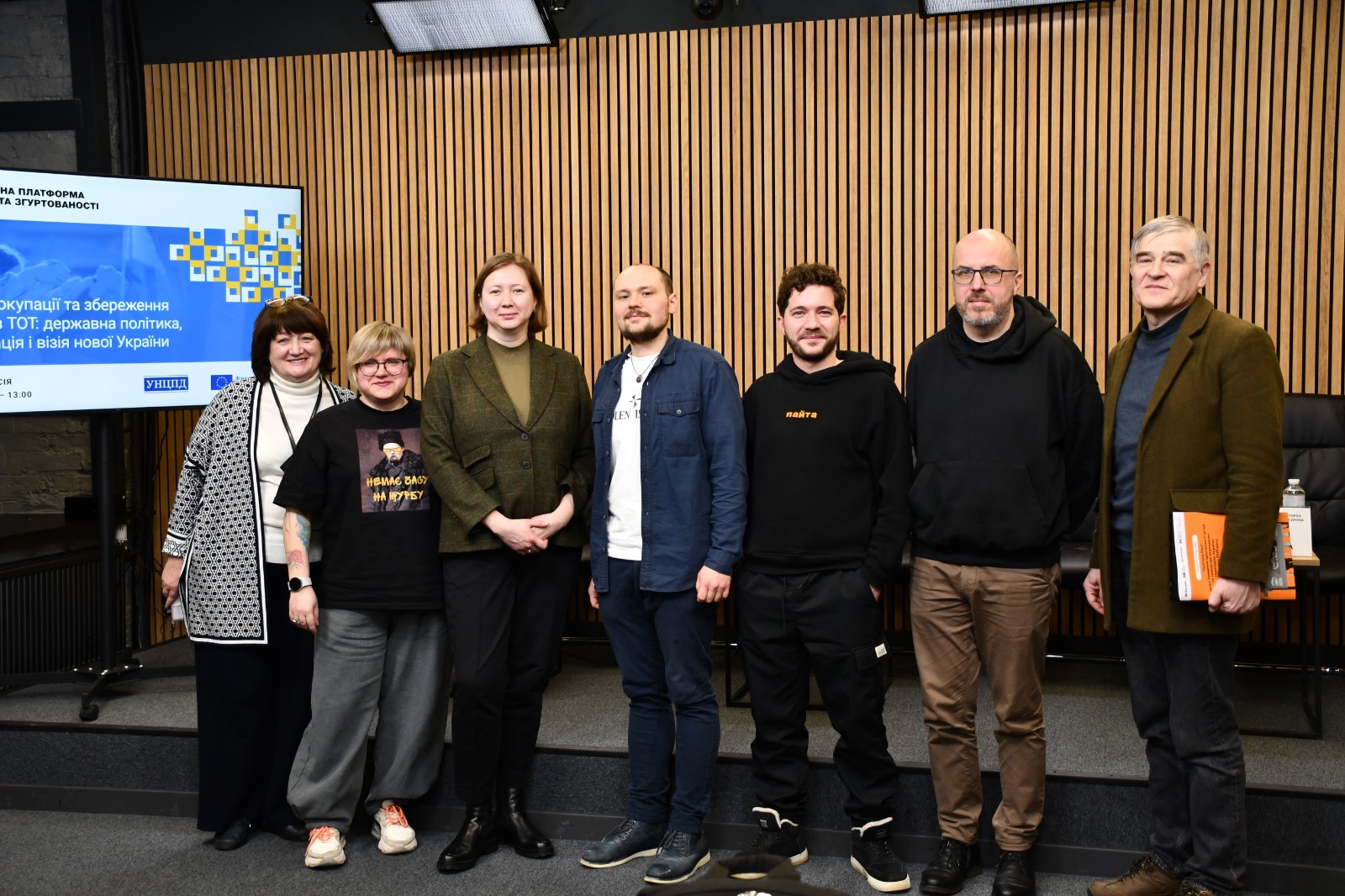 Photo: Valentyna Potapova, Alena Lunova, Olha Skrypnyk, Yevhen Bondarenko, Oleh Saakian, Denys Chystikov, Volodymyr Lupatsii
On 27 February 2026, a public discussion was held at the Kyivinform press centre on the topic: “Resistance to occupation and maintaining ties with the TOT: state policy, reintegration and the vision of a new Ukraine”. The event was organised by the National Platform for Resilience and Social Cohesion and the Ukrainian Center for Independent Political Research (UCIPR).
Leading experts and human rights defenders joined the discussion: Alena Lunova, Advocacy Director of the Human Rights Centre ZMINA, Valentyna Potapova, Head of National Advocacy of the NGO the Centre of civil education “Almenda”, Olha Skrypnyk, Head of the Board, Crimean Human Rights Group, Volodymyr Lupatsii and Oleh Saakian, co-founders of the National Platform for Resilience and Social Cohesion, Dementii Bilyi, regional coordinator of the National Platform in the Kherson region, Andrii Romanenko, regional coordinator of the National Platform in the Donetsk region, and Denys Chystikov, Deputy Permanent Representative of the President of Ukraine in the Autonomous Republic of Crimea. The event was moderated by Yevhen Bondarenko.
During the discussion, experts emphasised that despite years of occupation, Russia has failed to achieve complete political loyalty from the population in the TOT.
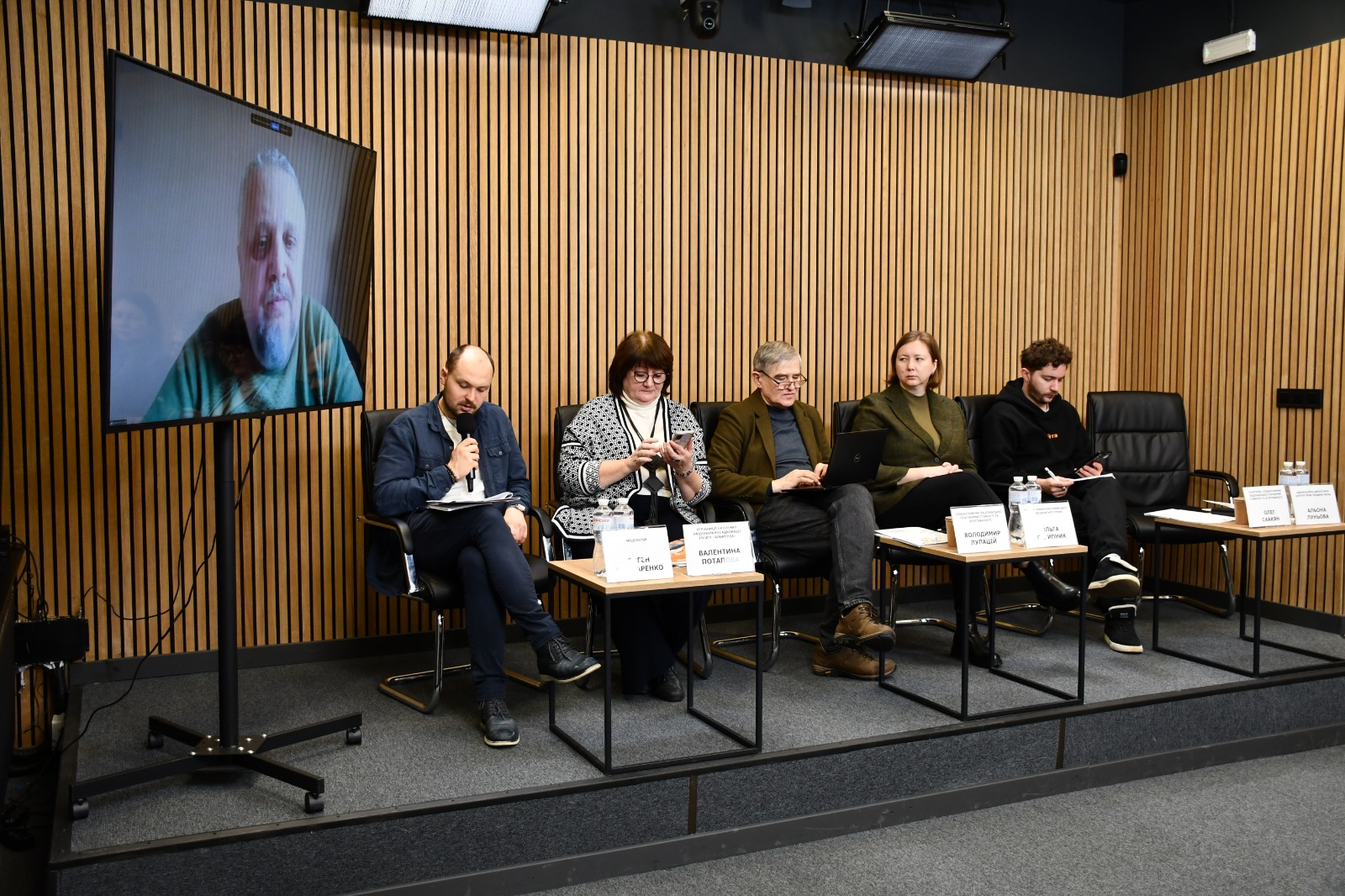
Dementii Bilyi noted that the situation on the left bank of Kherson region is much more complicated than it appears in the media: hostilities continue along the Dnipro River, the civilian population is effectively blocked, and the occupied part of the region is undergoing systematic transformation. These include the criminal prosecution of civilians, forced integration into the Russian education system, demographic replacement, re-registration of property, social bribery of the elderly, and the creation of a controlled “civil society”.
At the same time, in February 2026, Volodymyr Saldo, the head of the occupation administration of Kherson region appointed by the Russian Federation, admitted that complete political loyalty had not been achieved. According to experts, this explains the occupiers’ focus on “working with youth” and demographic programmes to replace the population.
Andrii Romanenko emphasised that similar processes are taking place in Donetsk region, which has experienced all forms of Russian aggression — from hybrid warfare to the full-scale destruction of cities.
“The Russians are entirely comfortable with the occupation taking place without a population. They do not need to ensure its survival. This makes it easier to replace the indigenous population with people from Russia“, he said.
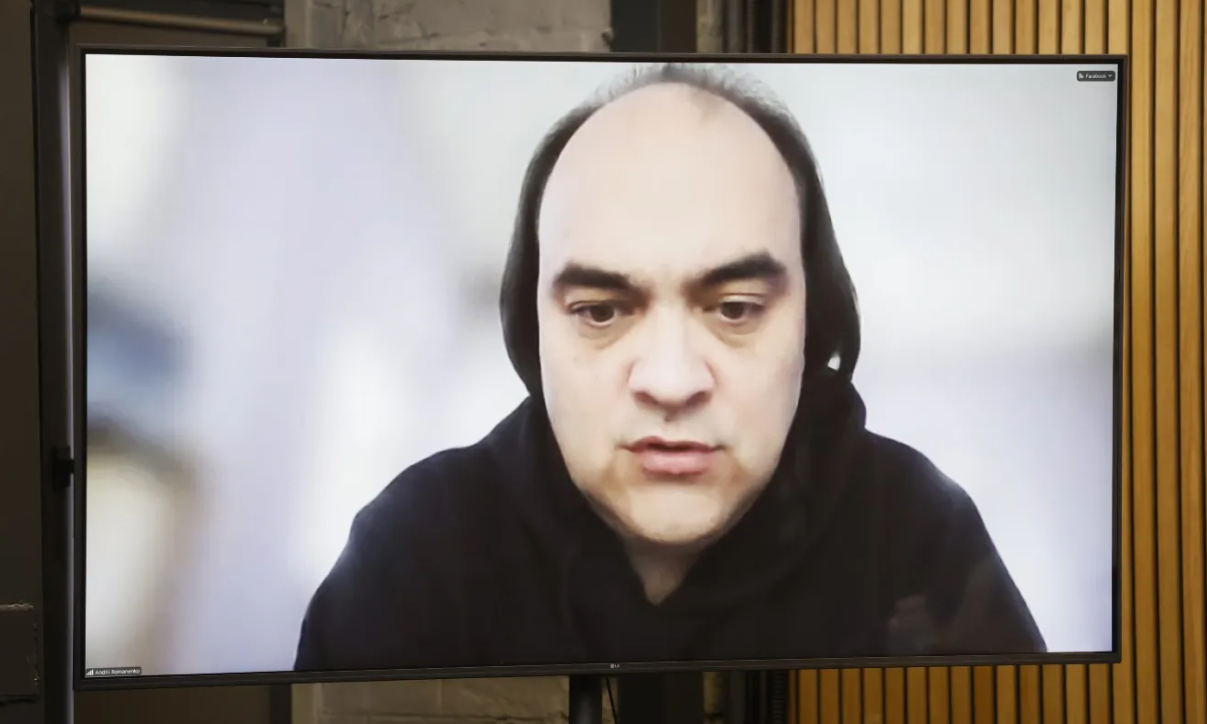 Photo: Andrii Romanenko
The regional coordinator of the National Platform in Donetsk region also drew attention to the lack of verified data on the population in the TOT and stressed the need for a clear state policy regarding accountability, property rights, the status of documents and education: “One cannot simultaneously claim that everyone under occupation is Ukrainian while at the same time threatening them all with criminal prosecution“.
Valentyna Potapova drew attention to the systematic political indoctrination of children and youth.
“The idea underpinning everything that is happening with youth under occupation is the so-called “Russkiy Mir” (“Russian world”). This is reinforced through history textbooks, symbolism and the creation of myths“, she noted.
According to her, since 2022 Ukraine has been portrayed as an enemy in educational and public discourse in the occupied territories, while youth are being conditioned to be ready to participate in the war. Potapova noted that a new element is the strengthening of the religious component in education. From 2026, there are plans to introduce a compulsory subject in the occupied territories called “spiritual and moral culture of Russia”, based on religious norms.
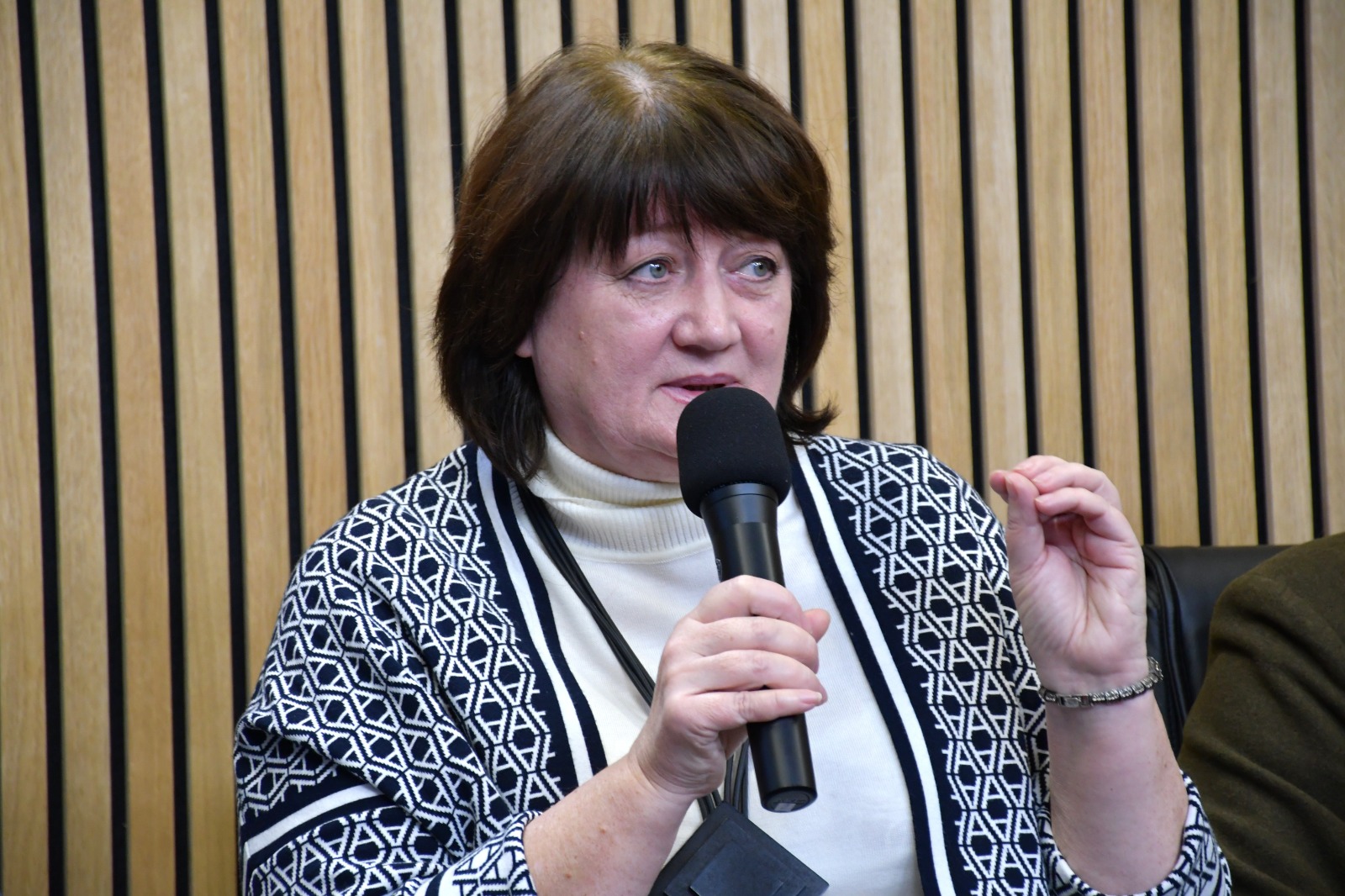 Photo: Valentyna Potapova
Olha Skrypnyk outlined systemic human rights violations in occupied Crimea — from political persecution to torture and enforced disappearances.
She noted that the denial of medical care to political prisoners, including Iryna Danylovych, is part of a broader problem: people with serious medical conditions are held in circumstances that worsen their state of health, while the pressure and inhuman treatment they endure can amount to torture.
Skrypnyk also highlighted the increase in cases brought on “terrorism” charges, where court proceedings are often conducted under a “classified” designation, without the possibility of public oversight.
She stressed that the mass violations of human rights in Crimea and the newly occupied territories after 2022 are part of a deliberate policy of the Russian Federation. The first wave of enforced disappearances and torture in 2014 became a model that was later scaled up to the Kherson and Zaporizhzhia regions.
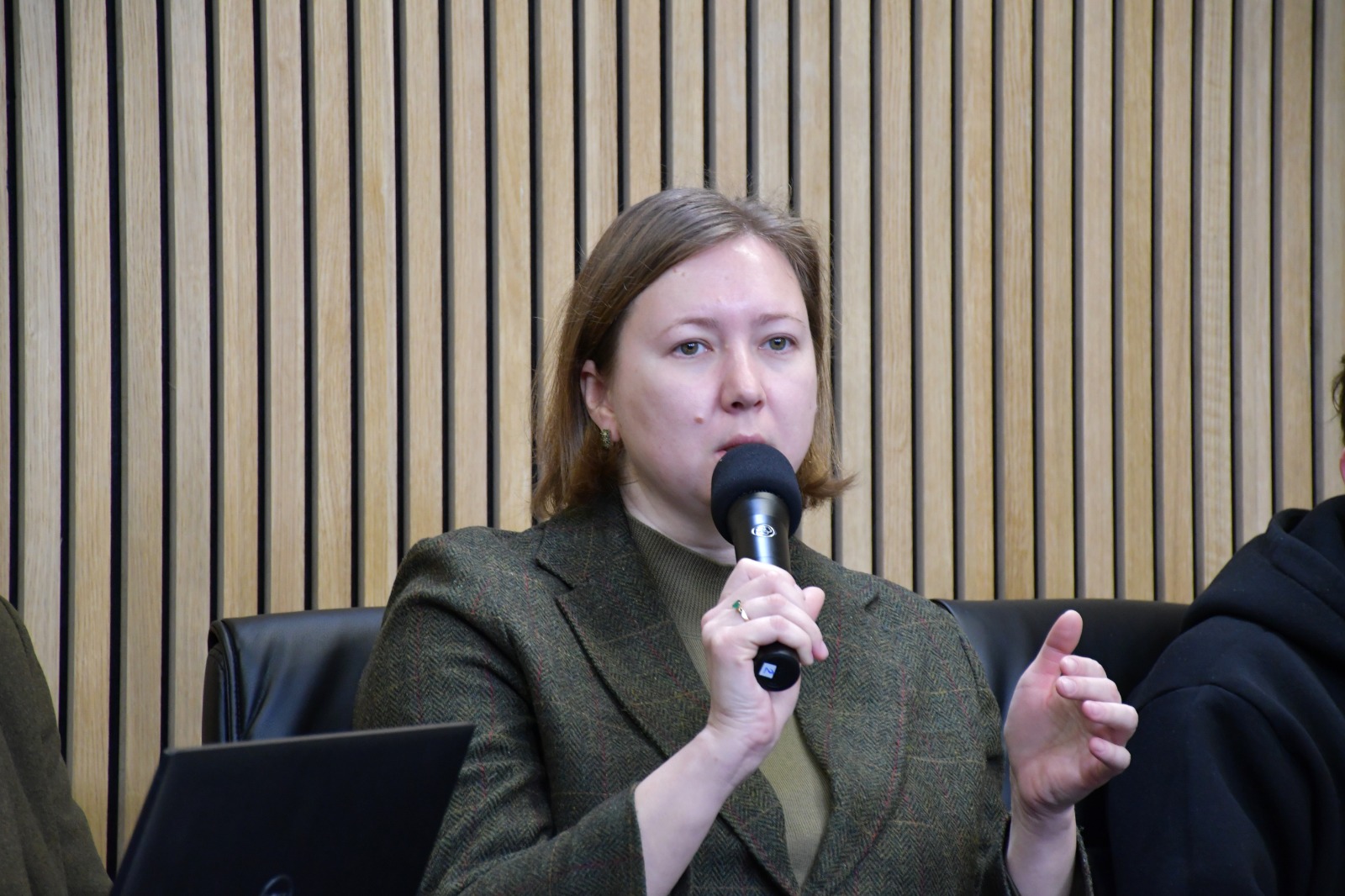 Photo: Olha Skrypnyk
Volodymyr Lupatsii noted that formally, state policy on the TOT is based on the principle of human-centredness, but in fact, key decisions are postponed “until after de-occupation”: “It is clear that there needs to be a public discussion about priorities. They cannot be determined once every 12 years“.
In addition, Lupatsii emphasised that access for international humanitarian organisations to the occupied territories must become a primary item on the agenda of any negotiations.
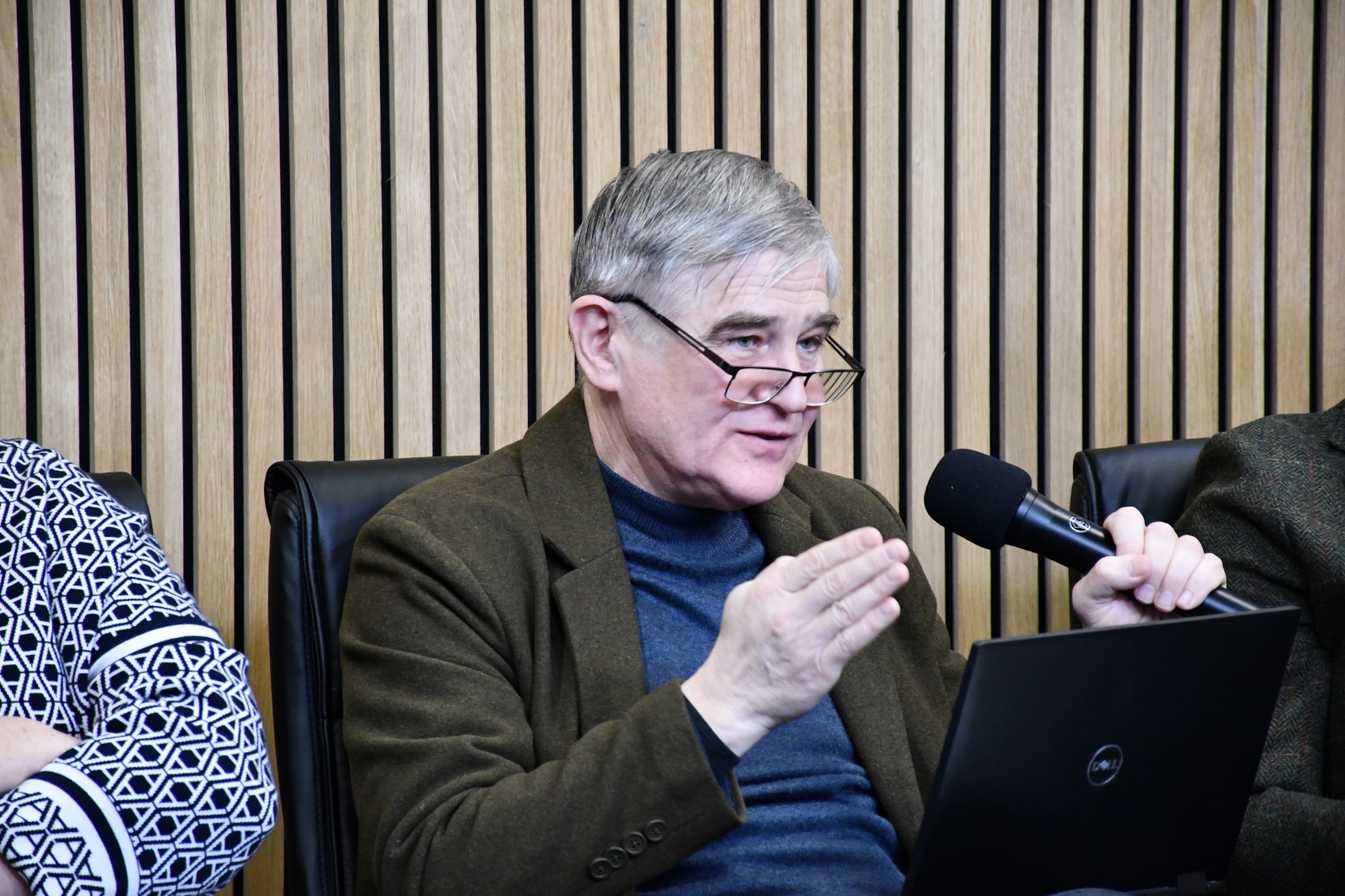 Photo: Volodymyr Lupatsii
Alena Lunova focused in more detail on assessing the state’s approach to policy on the TOT. According to her, it is currently reduced largely to a security-focused dimension, accompanied by elements of stigmatisation of residents of the occupied territories.
“We hear that people from the occupied territories are more exposed to propaganda, so they pose a threat. This is a common, stereotypical and unfounded belief“, said Lunova.
As an example, she cited government initiatives to conduct polygraph tests in connection with obtaining Russian passports: “The emergence of such an initiative is a signal that we have no safeguard in the government that would say: why are you proposing such measures against people from the occupied territories?“.
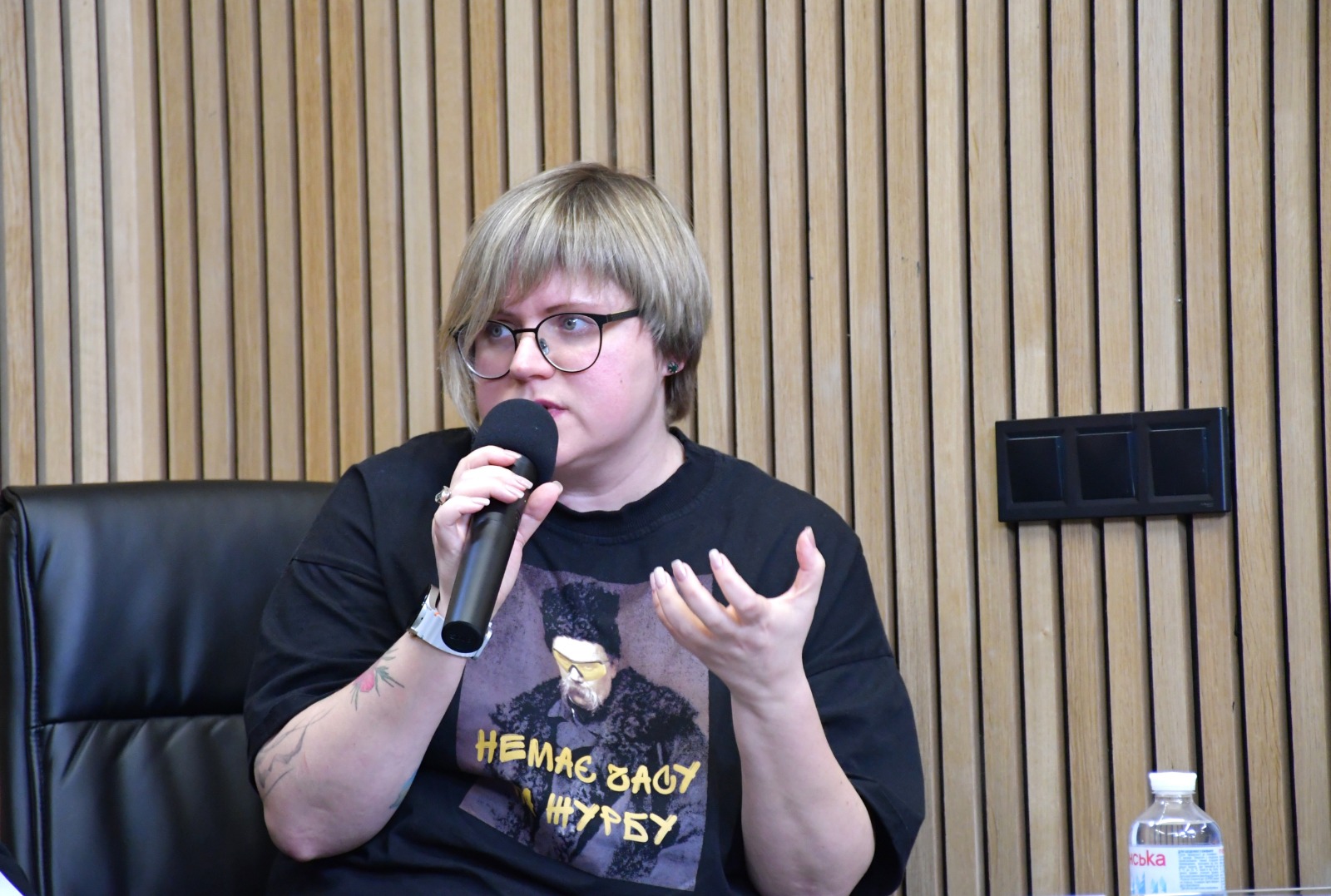 Photo: Alena Lunova
Lunova emphasised the need to update the state’s vision regarding the temporarily occupied territories, and consequently the legislation, as well as to define the infrastructure within the Government that is capable of ensuring that the consequences of the occupation are properly addressed and overcome across all spheres of public life.
Oleh Saakian stressed that the reintegration policy should be enshrined in a separate doctrinal document for at least 10 years: “The state must have a clear doctrinal document stating that we will restore control over the territories by all available means. Only then do both the task-setting and a certain strategic vision emerge“.
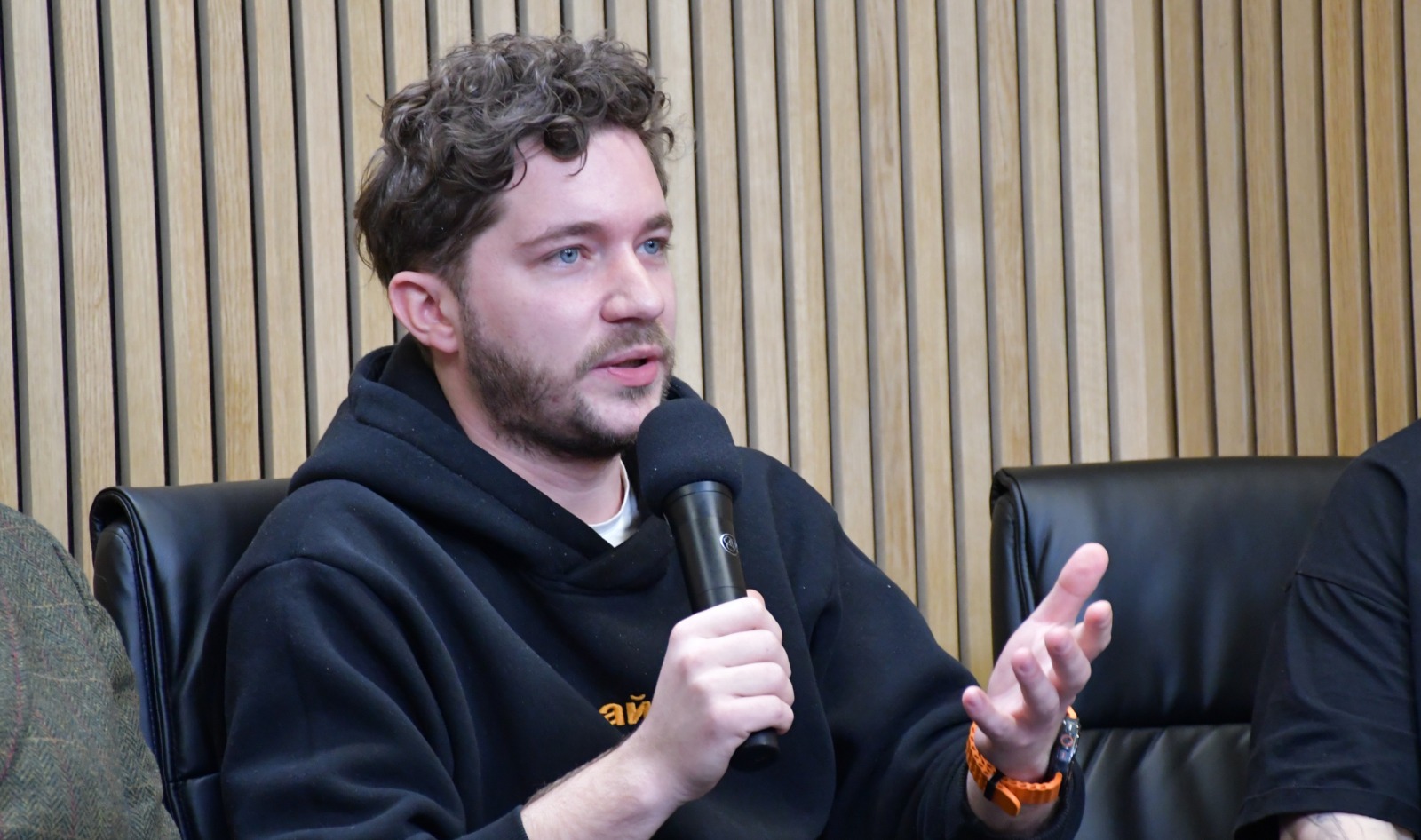 Photo: Oleh Saakian
The co-founder of the National Platform for Resilience and Social Cohesion noted that the occupied territories and their residents must be integrated into the nationwide media and public discourse space. Saakian emphasised the need for a coherent information policy in which the temporarily occupied territories constitute an integral part of the public agenda.
Denys Chystikov added that the Mission of the President of Ukraine in the Autonomous Republic of Crimea is currently focusing primarily on people — both in the occupied territories and in the territory controlled by Ukraine — as the prolonged occupation is gradually erasing the issue of the TOT from public memory.
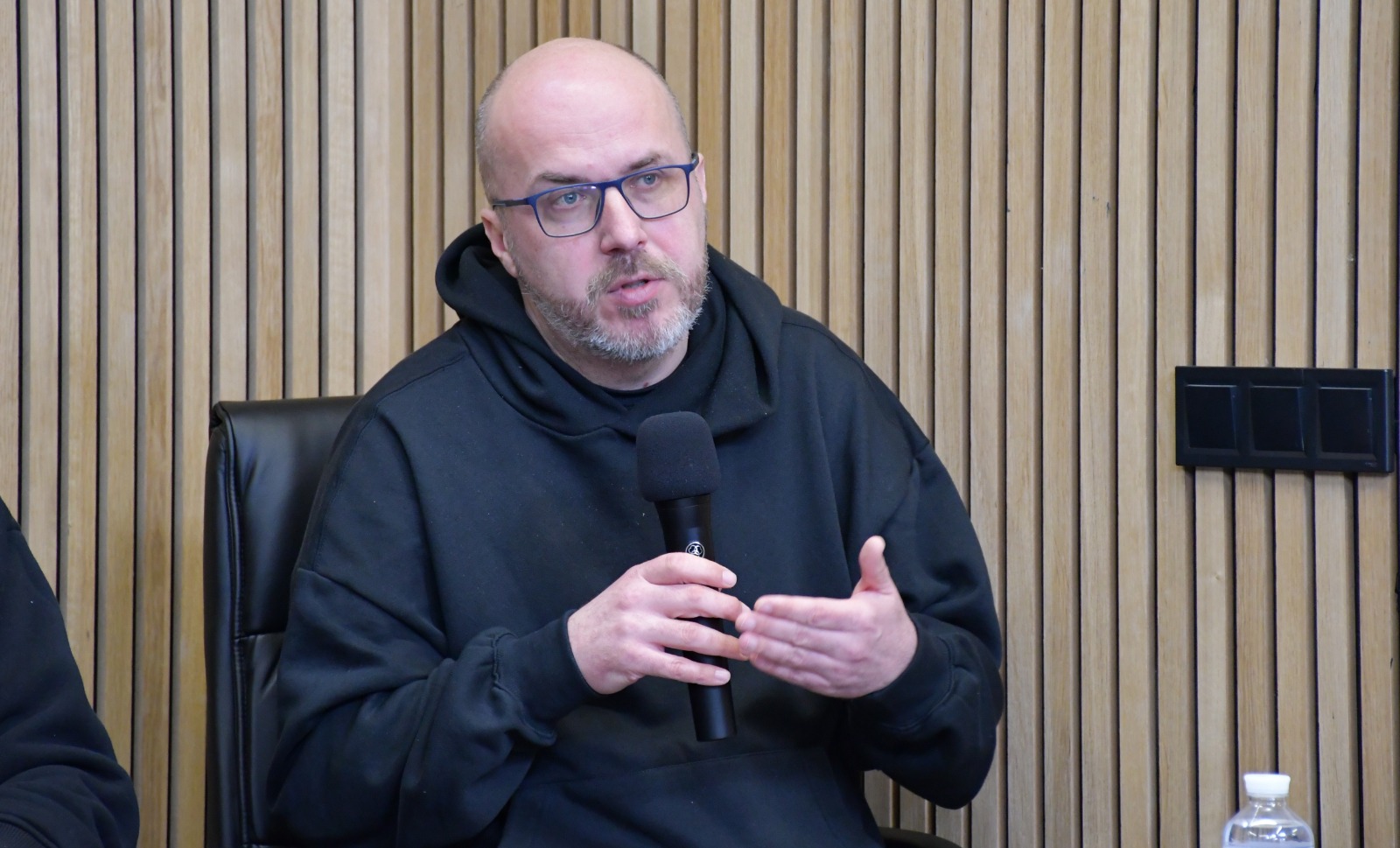 Photo: Denys Chystikov
On 26 February 2026, on the Day of Resistance to the Occupation, a forum “CRIMEA: The Home We Are Fighting For” was held in Kyiv, dedicated to the Day of Resistance to the Occupation of Crimea. The event brought together representatives of state authorities, human rights organisations, the diplomatic corps, Ukrainian and international experts to discuss key challenges related to the ongoing occupation of the peninsula, human rights violations and the security situation in the Black Sea region.
If you have found a spelling error, please, notify us by selecting that text and pressing Ctrl+Enter.