ZMINA addressed the situation of freedom of expression under occupation at Cafe Kyiv 2026 in Berlin
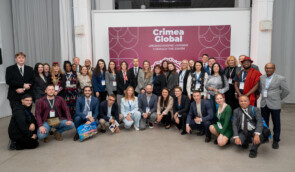
As part of the international conference Cafe Kyiv 2026 in Berlin, a discussion titled “The Names of Us: Stories of National Communities Affected by the War” was held on 23 February. The event focused on the experiences of Ukraine’s indigenous peoples and national minorities who have suffered as a result of the Russian invasion. Throughout the day, a parallel photo exhibition titled “Crimea Through the Eyes of Citizen Journalists” was on display, presenting through photographs the reality of life under occupation and the price paid for freedom of speech.
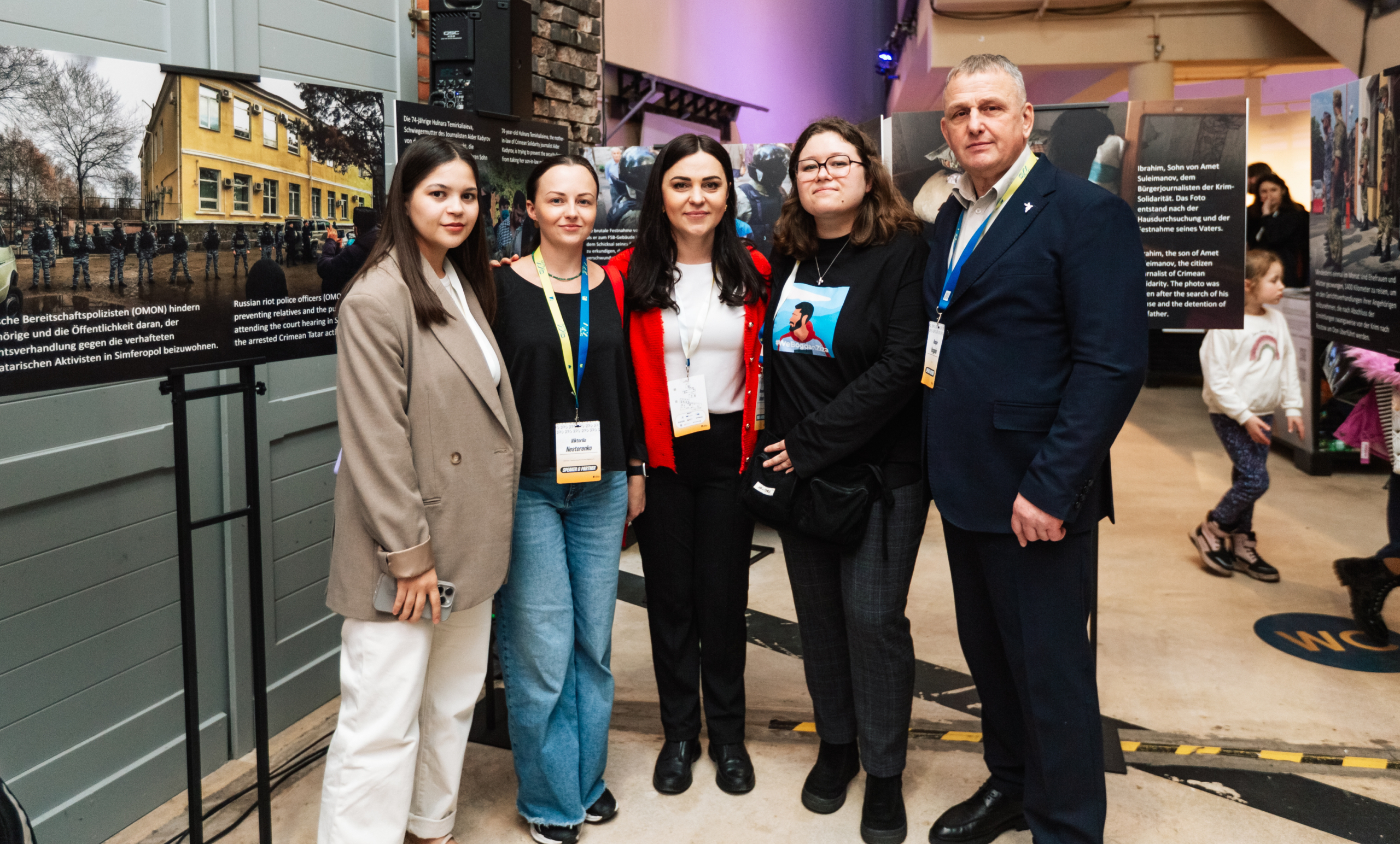 Photo: Cafe Kyiv 2026; Photo credit: Libereco
The discussion focused on how the war is destroying Ukraine’s ethnic landscape and causing irreparable damage to the multinational structure of society. Due to the hostilities and occupation, entire communities have been forced to leave their homes: Meskhetian Turks from Vasiukivka near Bakhmut, Roma from Toretsk in Donetsk region, Swedes from Zmiivka in Kherson region, North Azovian Greeks from Mariupol, Jews from Kharkiv, and Crimean Tatars from Crimea. Despite their dispersal, these communities continue to support one another, establishing new centres to preserve their language, culture and identity.
The event was organised by the German-Ukrainian Society and INDEX: Institute for Documentation and Exchange. Speakers at the event included journalist and Programme Curator at Index Lviv, Olesia Yaremchuk; Co-founder of the NGO North Azovian Greeks: Urums & Roumeans, Olha Tsuprykova; and Project Manager at the Human Rights Centre ZMINA, Viktoriia Nesterenko. The discussion was moderated by Franziska Davies, Co-president of the German-Ukrainian Society and historian based in Potsdam.
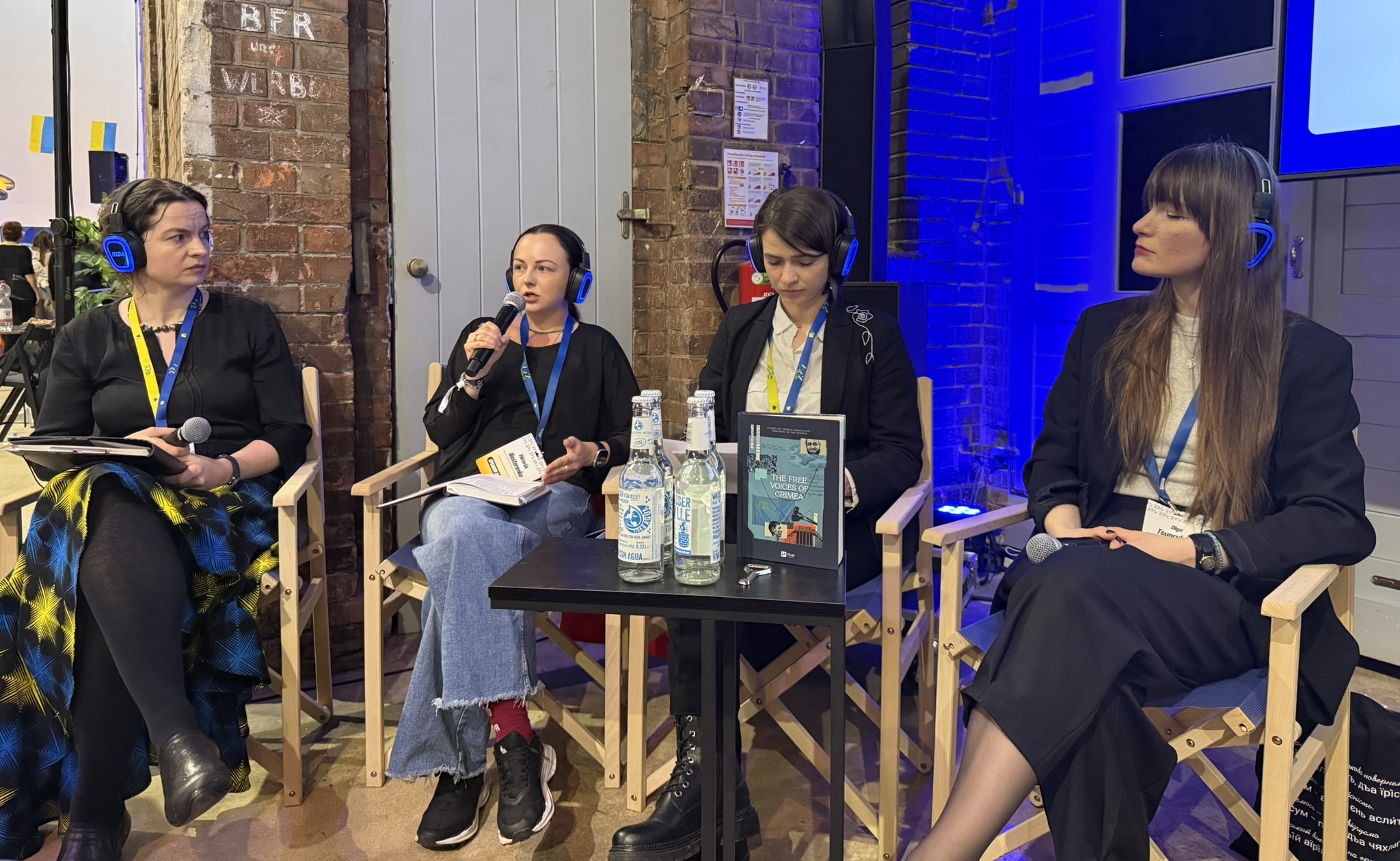 Photo: Event “The Names of Us: Stories of National Communities Affected by the War”
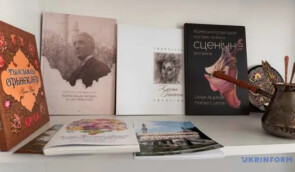
Olesia Yaremchuk emphasised the negative impact of Russian aggression on national minorities and presented the book Free Voices of Crimea, which tells the stories of 16 Crimean journalists. The publication brings together the testimonies of former prisoners, as well as the families of journalists and activists who are still in captivity.
Viktoriia Nesterenko focused in detail on the consequences of the occupation of Crimea and the human rights situation on the peninsula. She highlighted the destruction of independent media and the mass political persecution of journalists, activists and Crimean Tatars. According to available information, at least 240 people are Crimean political prisoners, including 17 journalists.
“Since the beginning of the occupation of Crimea, Russia has, first and foremost, destroyed the professional media to establish control over the information space and spread its own propaganda on the peninsula. In response to this, a movement of citizen journalists emerged, who have been documenting everything that happens in occupied Crimea ever since,” Nesterenko noted.
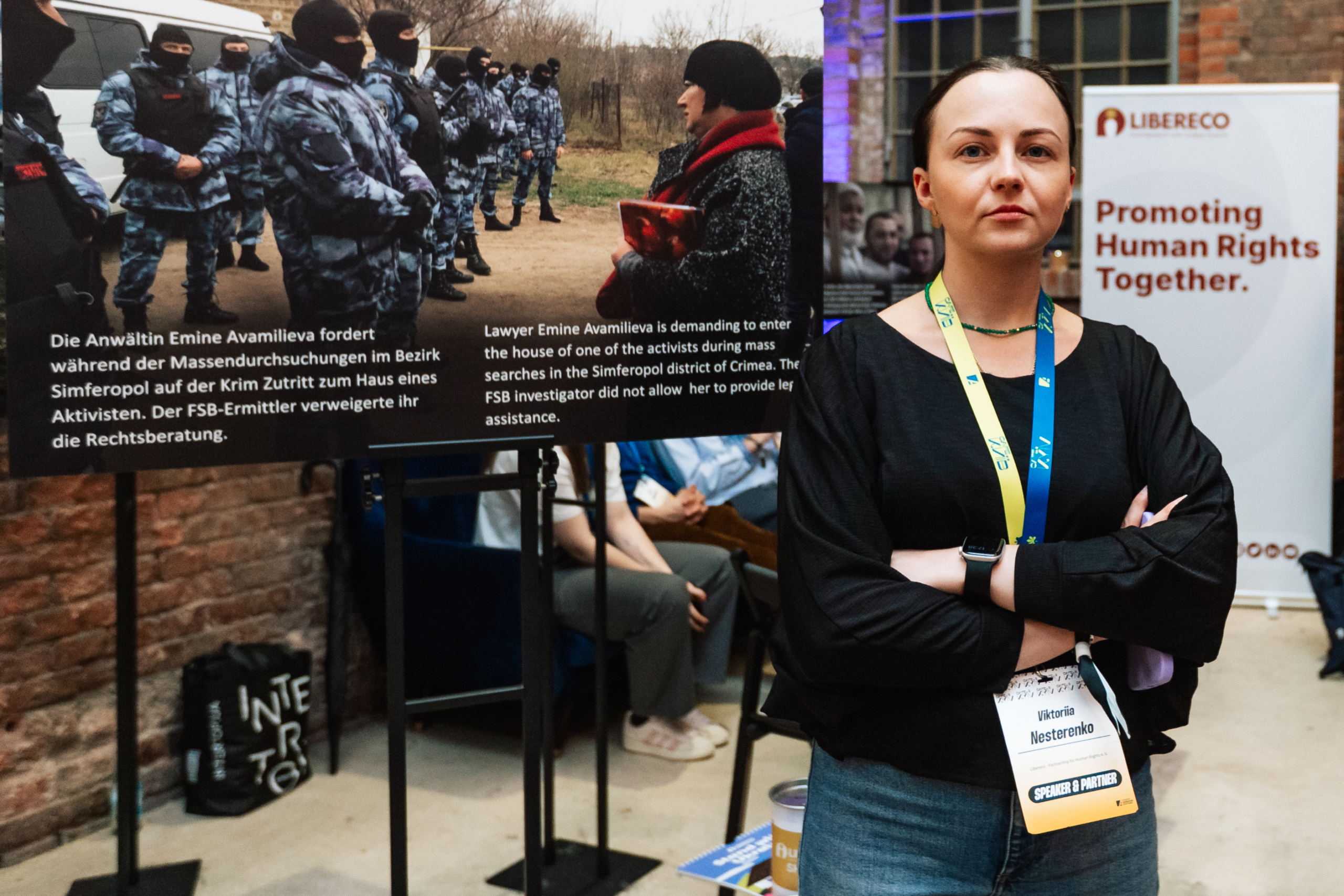 Photo: Viktoriia Nesterenko; Photo credit: Libereco
In addition, Cafe Kyiv was attended by Vladyslav Yesypenko, a journalist at Radio Liberty, who was detained in occupied Crimea in 2021 and convicted on fabricated charges. His case has become one of the symbols of the persecution of independent journalists on the peninsula. He expressed his support for the conference, which is one of the largest civic platforms about Ukraine in Europe and gives a voice to those unlawfully imprisoned, supporting their fight for freedom.
“This event pays considerable attention to political prisoners, including journalists who are being held in Russian prisons. I believe that the more attention they receive, the sooner they will be able to return home,” Vladyslav Yesypenko shared.
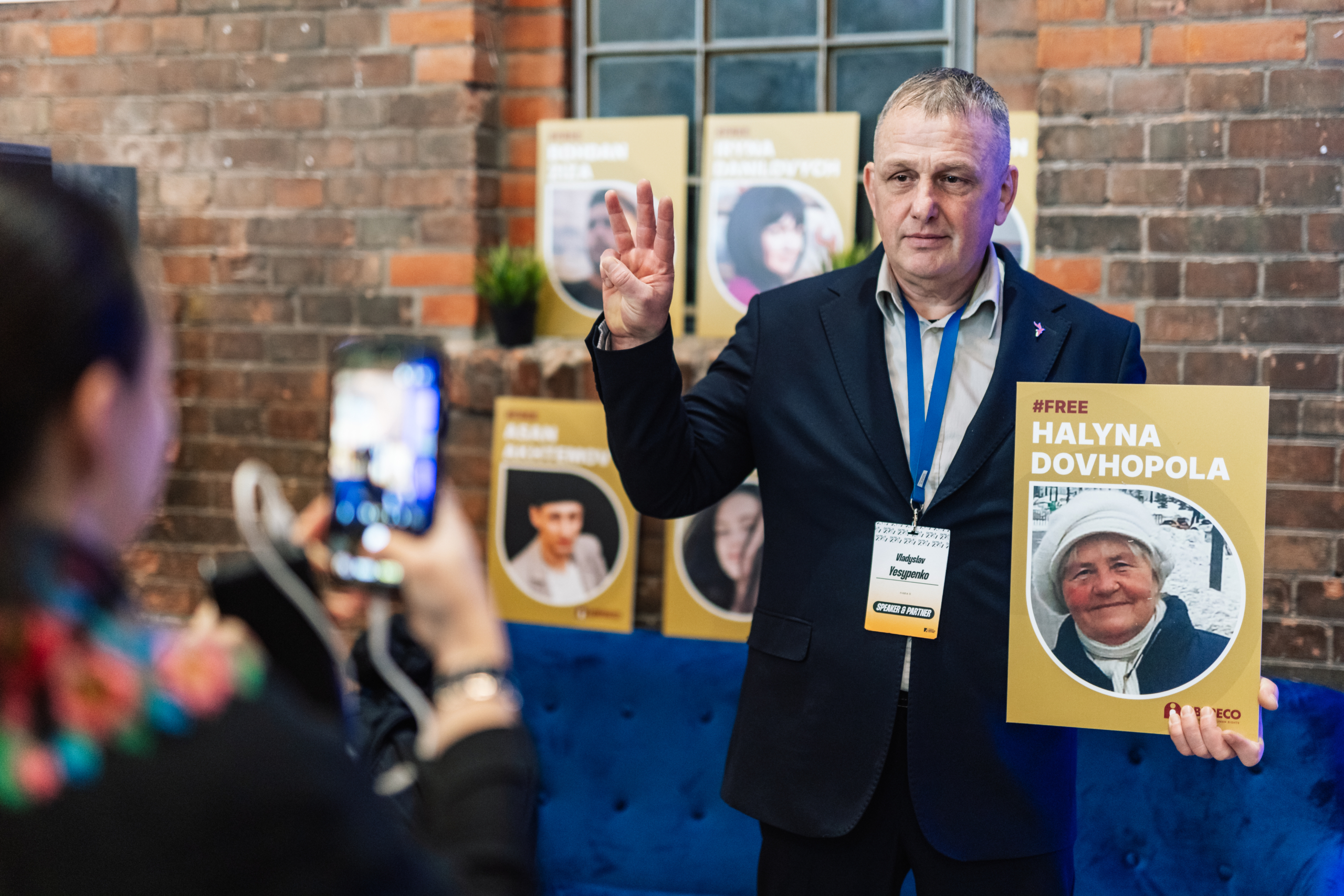 Photo: Vladyslav Yesypenko; Photo credit: Libereco
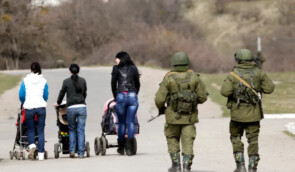
In addition to the panel discussion, Cafe Kyiv hosted a photo exhibition entitled “Crimea Through the Eyes of Citizen Journalists”, organised by Libereco in partnership with the Human Rights Centre ZMINA. The exhibition showed life under Russian occupation in Crimea, documenting repression, arrests and the human cost of the occupation.
“This exhibition features photographs of searches in the homes of Crimean Tatars, scenes outside courthouses, as well as photographs of the political prisoners themselves and their families,” said Viktoriia Nesterenko.
During the day, visitors also had the opportunity to write letters to Ukrainian political prisoners.
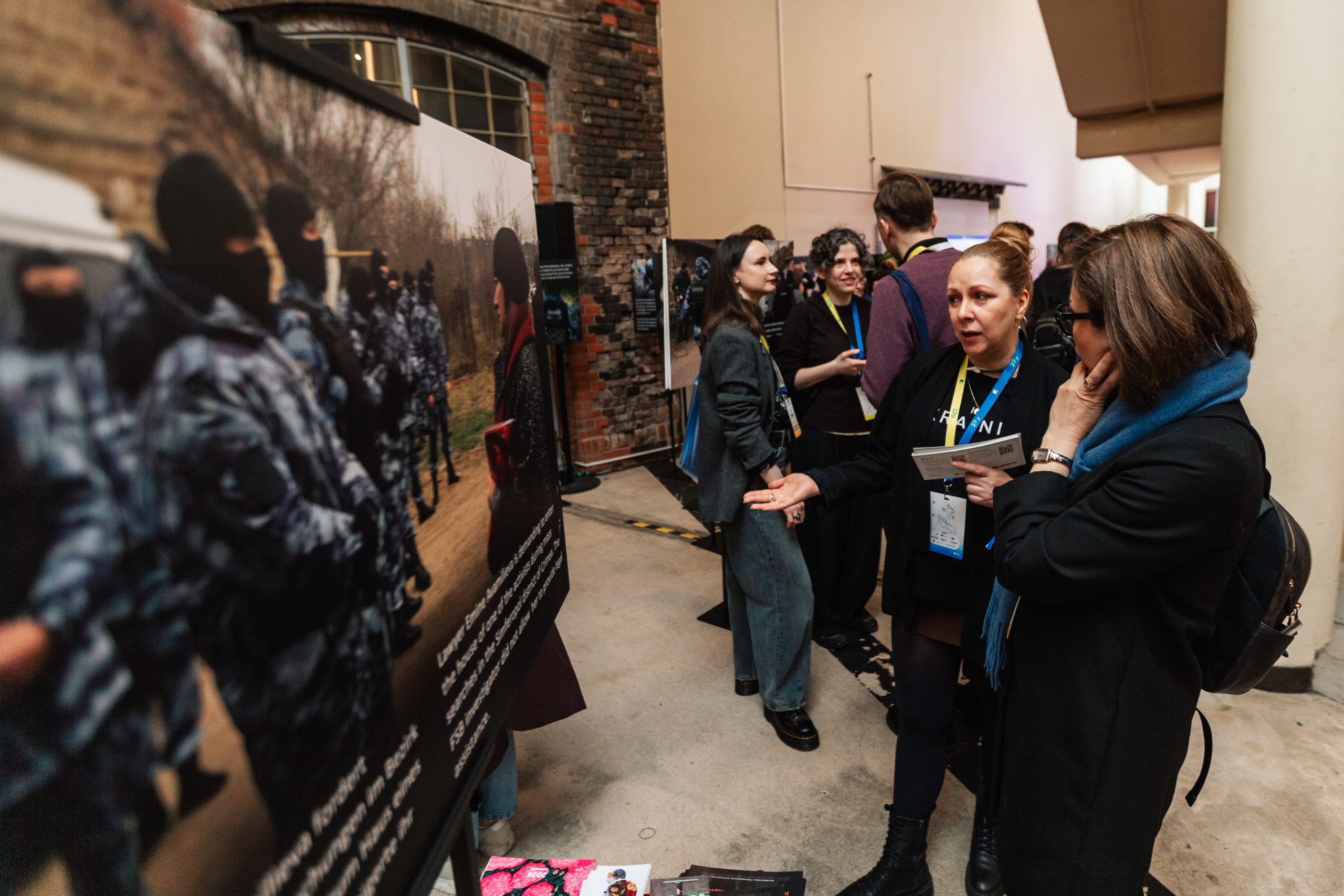 Photo: Exhibition “Crimea through the eyes of citizen journalists: 10 years in captivity”; Photo credit: Libereco
Participants emphasised the importance of international solidarity and intensified efforts to secure the release of those unlawfully imprisoned and to preserve Ukraine’s cultural diversity.
For reference: Cafe Kyiv is an international platform that brings together politicians, experts, cultural figures and civil society activists to discuss issues of security, freedom, democracy and the future of Ukraine. Each year, dozens of events are held at the conference in Berlin, including panel discussions, exhibitions, film screenings, concerts, and educational sessions. Past events have attracted around 5,000 participants, more than 130-170 partner organisations, and around 200 speakers, providing an international dialogue and platform for the exchange of views and ideas.