Rubio’s Deputy met with human rights defenders during his visit to Kyiv
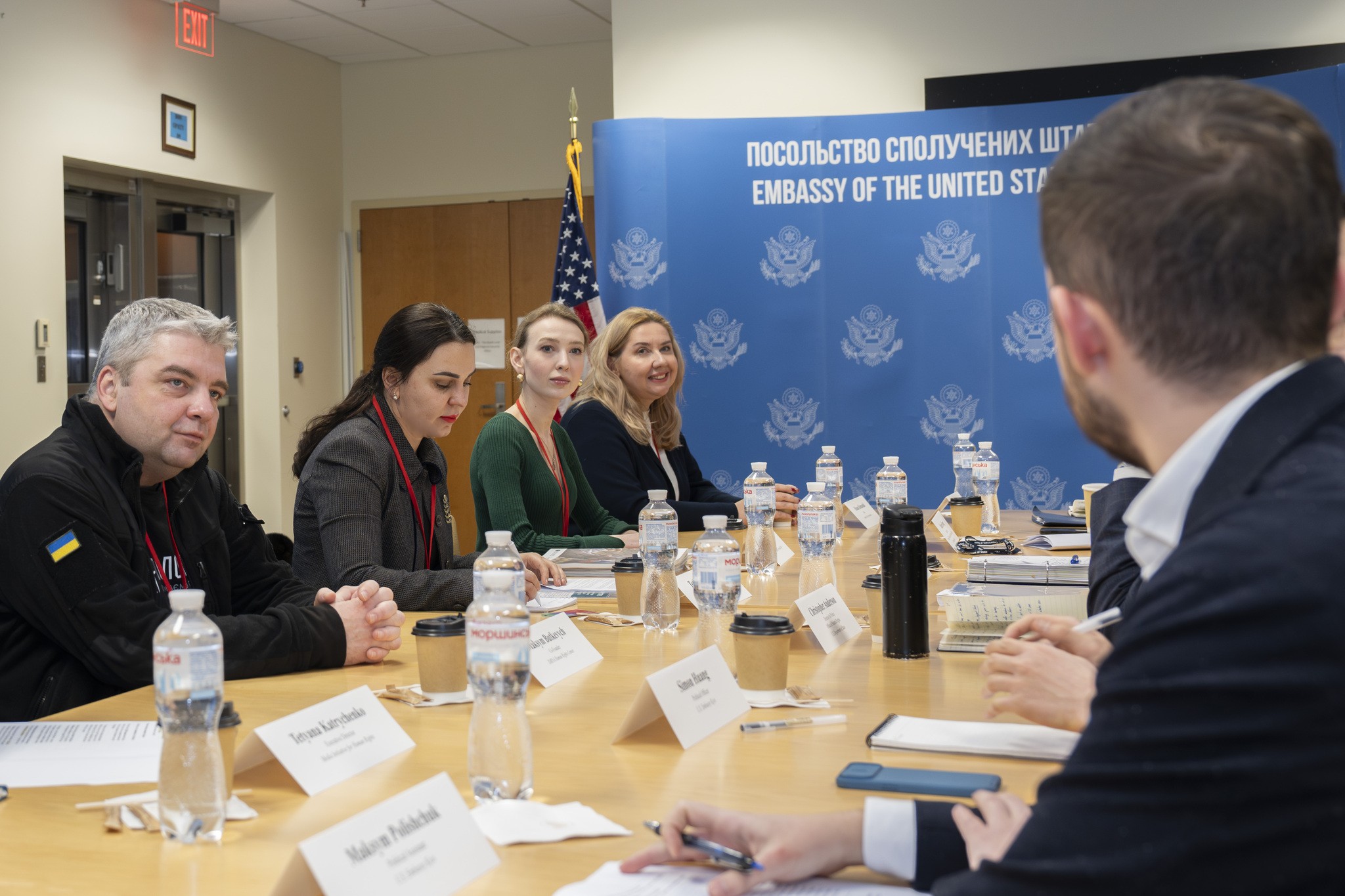
US Assistant Secretary of State for Democracy, Human Rights and Labour Riley Barnes met with representatives of human rights organisations during his visit to Kyiv to discuss the situation with human rights and media freedom.
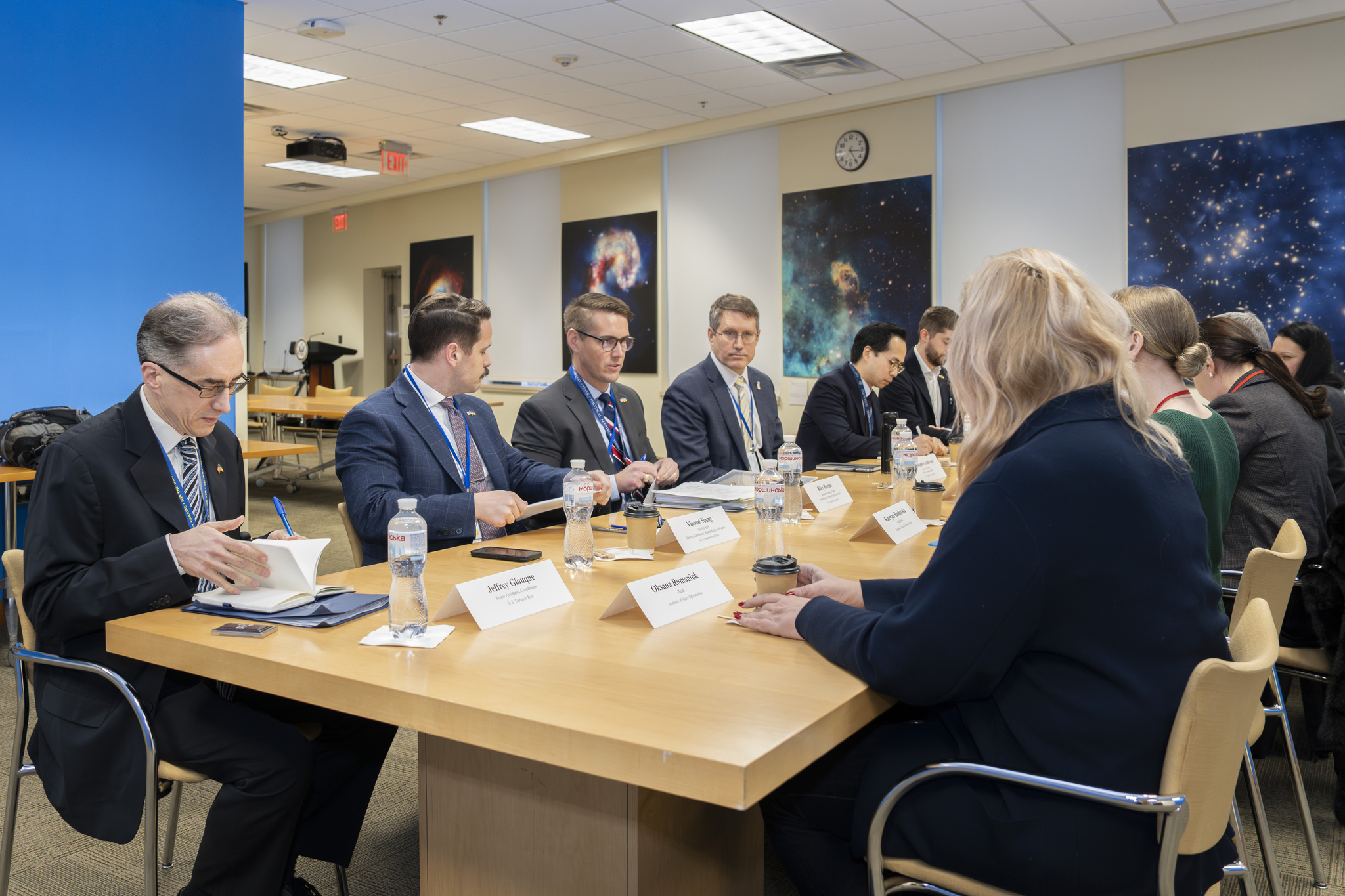
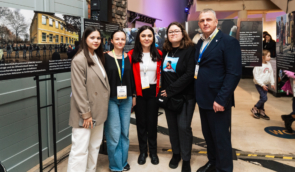
The meeting was attended by Tetiana Pechonchyk, Head of the Human Rights Centre ZMINA, Kateryna Rashevska, an expert of the Regional Center for Human Rights (RCHR), Maksym Butkevych, Co-coordinator of the human rights organisation the Principle of Hope, Tetiana Katrychenko, Executive Director of the Media Initiative for Human Rights (MIHR), and Oksana Romaniuk, Executive Director of the Institute of Mass Information.
Accompanying Riley Barnes to Kyiv were Christopher Anderson, Director for Eurasia and Europe at the Bureau of Democracy, Human Rights and Labour (DRL), and Vincent Young, Advisor to DRL.
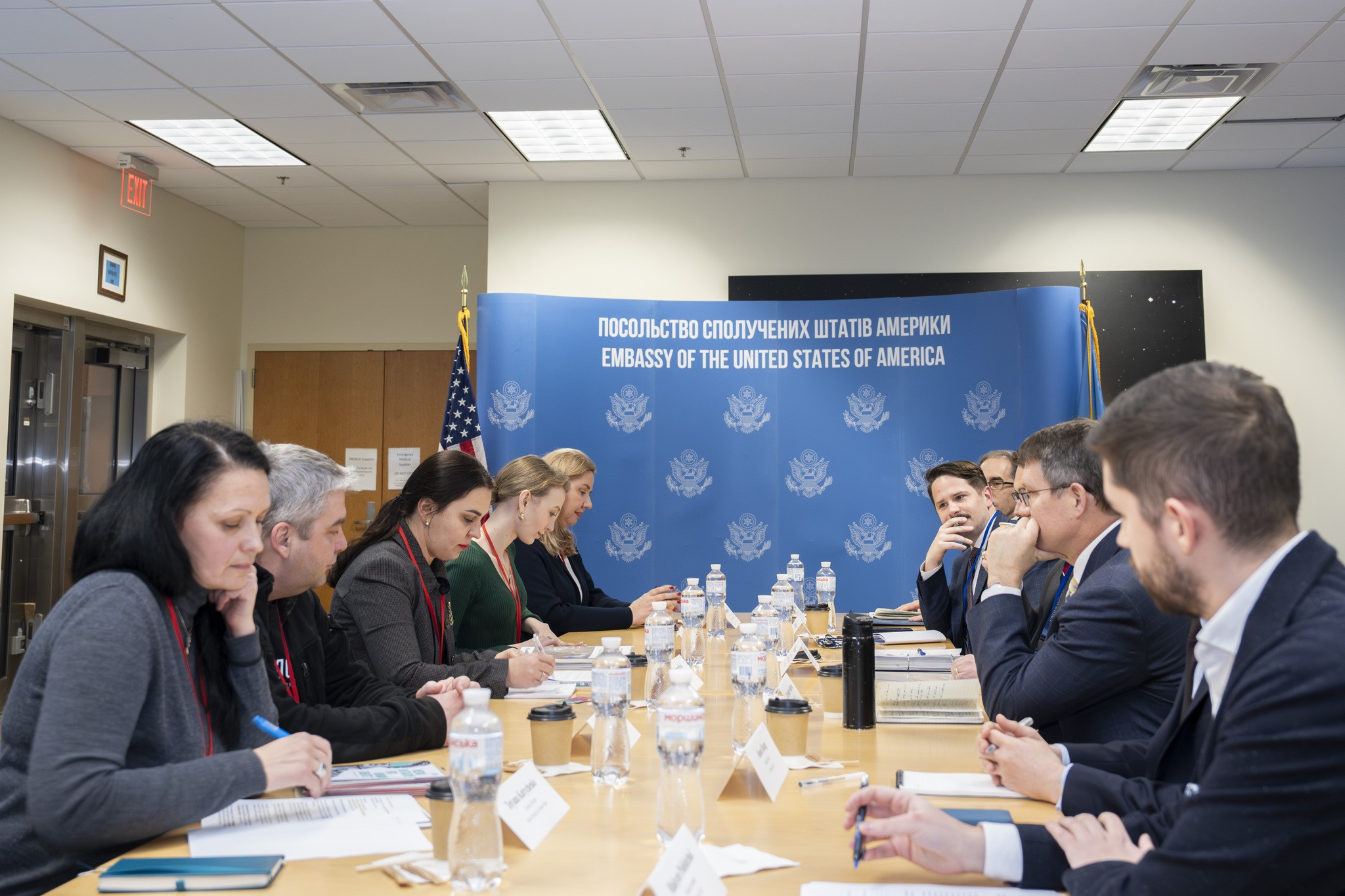
During the meeting with human rights defenders, they discussed the peaceful efforts of the United States in the Russian-Ukrainian war, the return of civilians, prisoners of war and illegally deported Ukrainian children, human rights violations in the territories temporarily occupied by Russia, as well as the situation in the Ukrainian media sphere and the need to support Ukrainian editorial offices.
“The release of civilians and prisoners of war and the return of deported children is the number one issue. This should not be just one of the points in the peace plan, but its prerequisite“, said Tetiana Pechonchyk, Head of the Human Rights Centre ZMINA.
According to her, there is another issue that is not raised at all during the negotiations, namely the fate of residents of non-controlled territories, Ukrainian citizens living under occupation. “We do not know exactly how many such people there are, but we can talk about a figure of about five million people who are invisible. Their fate should also be a topic of negotiations — from the opening of humanitarian corridors to the question of how Ukraine should maintain other forms of contact with its people living under occupation“, Pechonchyk said, sharing a thematic statement with the American delegation.
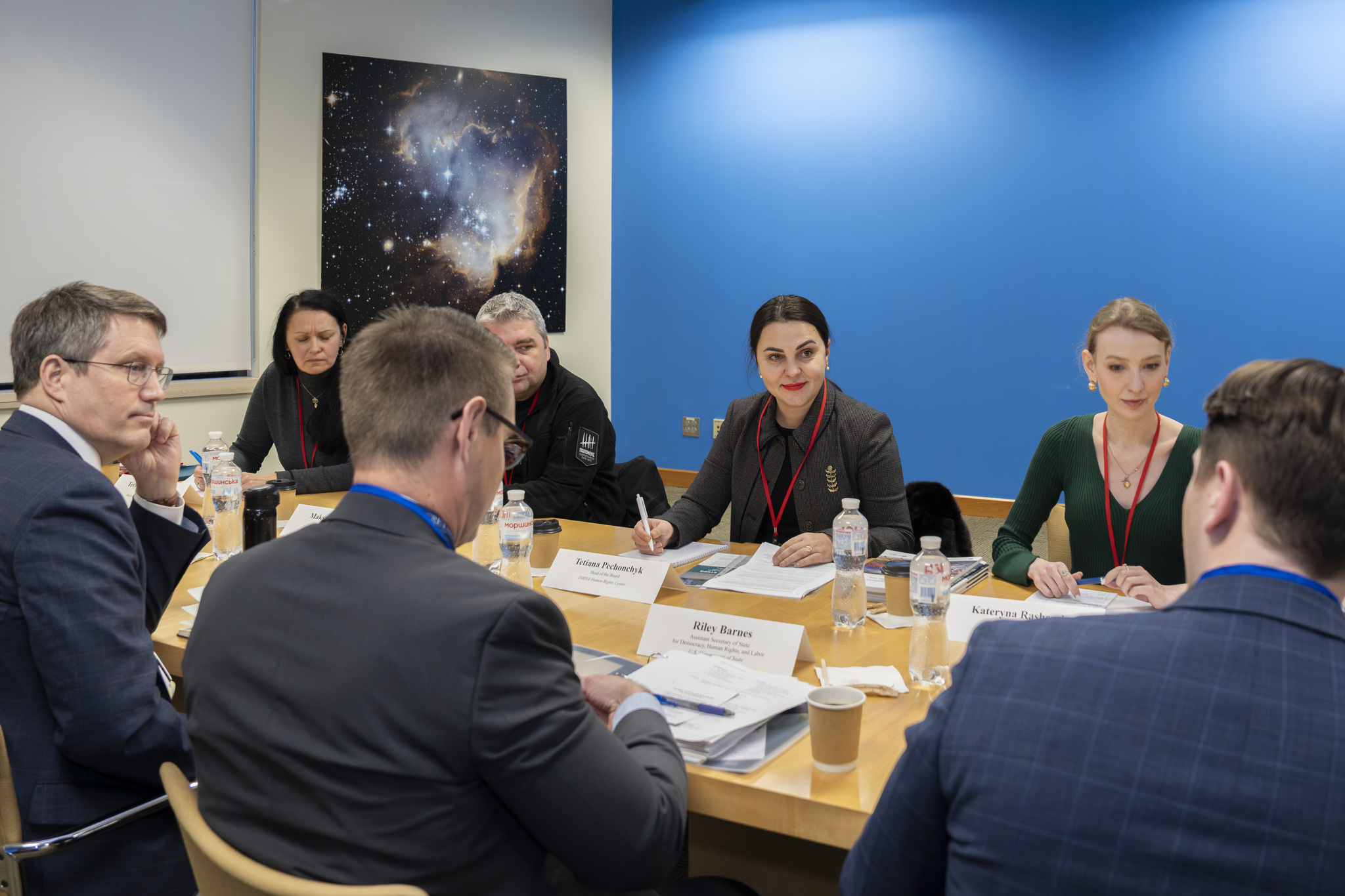
In her speech, the human rights defender also emphasised the inadmissibility of including a clause on full amnesty for war criminals in the peace plan: “Lasting peace is impossible without justice, and amnesty for war criminals would lead to significant despair and frustration in Ukrainian society. That is why the investigation of war crimes and crimes against humanity must continue, even if it takes decades, because these crimes have no statute of limitations“.
Pechonchyk also cited current statistics from the Prosecutor General’s Office of Ukraine, according to which, since the start of full-scale Russian armed aggression, more than 200,000 criminal proceedings have been registered in connection with war crimes committed in Ukraine, more than 1,000 Russian military personnel have been served with notices of suspicion (mostly in absentia), more than 700 indictments have been sent to court by the prosecutor’s office, and more than 200 people have already been convicted of war crimes by Ukrainian courts. According to her, this work must continue and receive support.
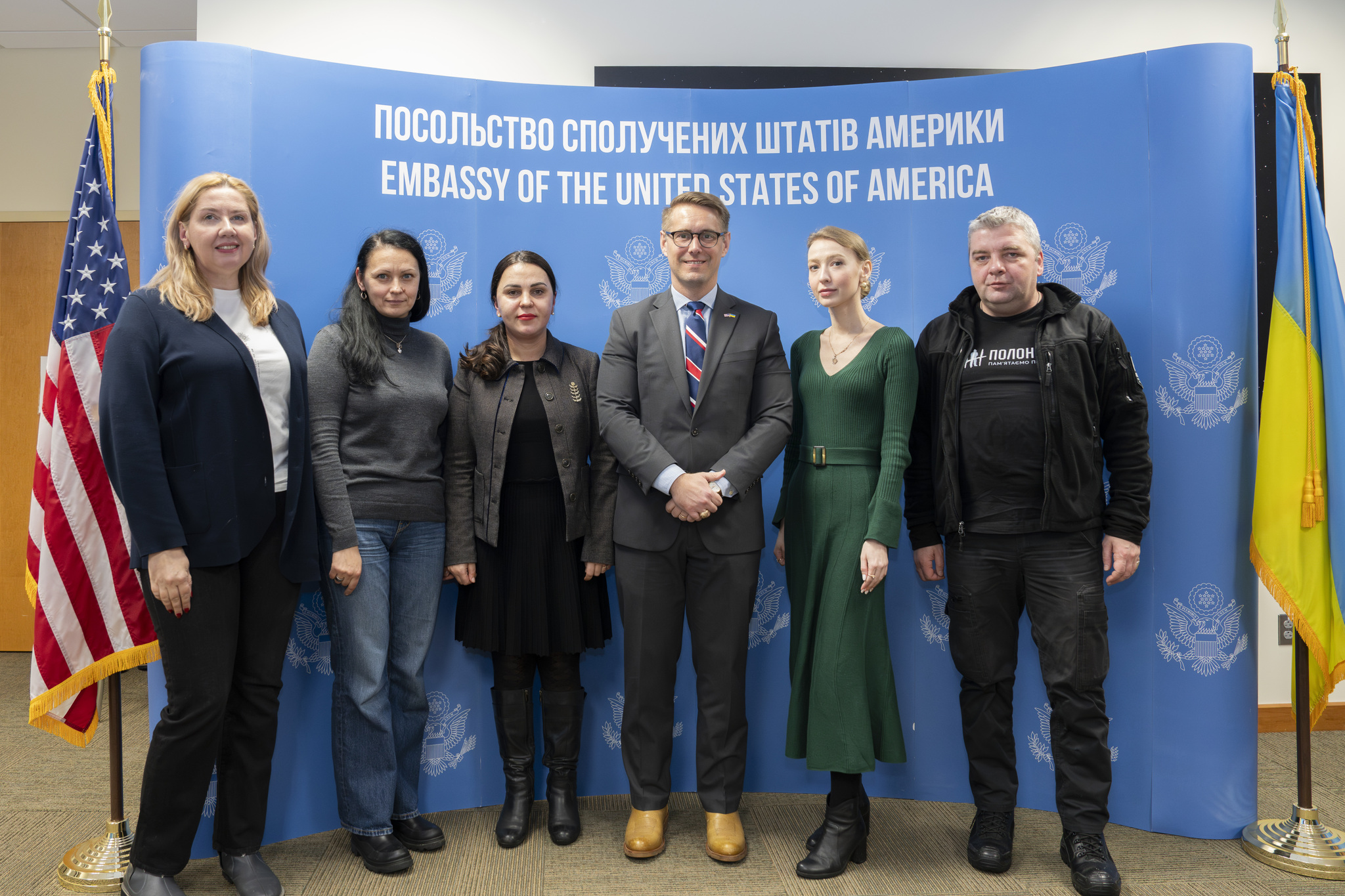 Photo: Oksana Romaniuk, Tetiana Katrychenko, Tetiana Pechonchyk, Riley Barnes, Kateryna Rashevska, Maksym Butkevych
The meeting also discussed efforts to return Ukrainians from Russian captivity.
“Since 2014, we have known that Russia does not want to return civilians. Russia is holding thousands of people hostage. It agrees to return them not for humanitarian reasons, but as part of political agreements. The release of civilians must be part of any peace negotiations. The return of people must be the basis of negotiations, the first step in negotiations“, said Tetiana Katrychenko, Head of the MIHR.
She reported that the MIHR is aware of more than 2,200 cases of civilians being held in Russia and the occupied territories, noting that this figure could be significantly higher, as information is not available on all cases of detention.
During the meeting, they also discussed the illegal prosecution of Ukrainian citizens in the Russian Federation, particularly military personnel. Katrychenko provided details of specific cases in which Ukrainian defenders are accused of terrorism, when in fact they are accused of participating in the war as part of the Defence Forces of Ukraine.
Kateryna Rashevska, an expert of the RCHR, emphasised that the unlawful deportation and forced displacement of Ukrainian children continues. Currently, these actions are primarily following the “Crimean” scenario: Russians establish guardianship or adopt Ukrainian children from the occupied territories and transport them to the Russian Federation. She emphasised the importance of monitoring isolated cases of children being relocated accompanied by adults as part of “evacuation” efforts during the seizure of new regions.
Human rights defenders have provided recommendations to the US government on protecting the rights of victims of Russian aggression in the context of peace negotiations.
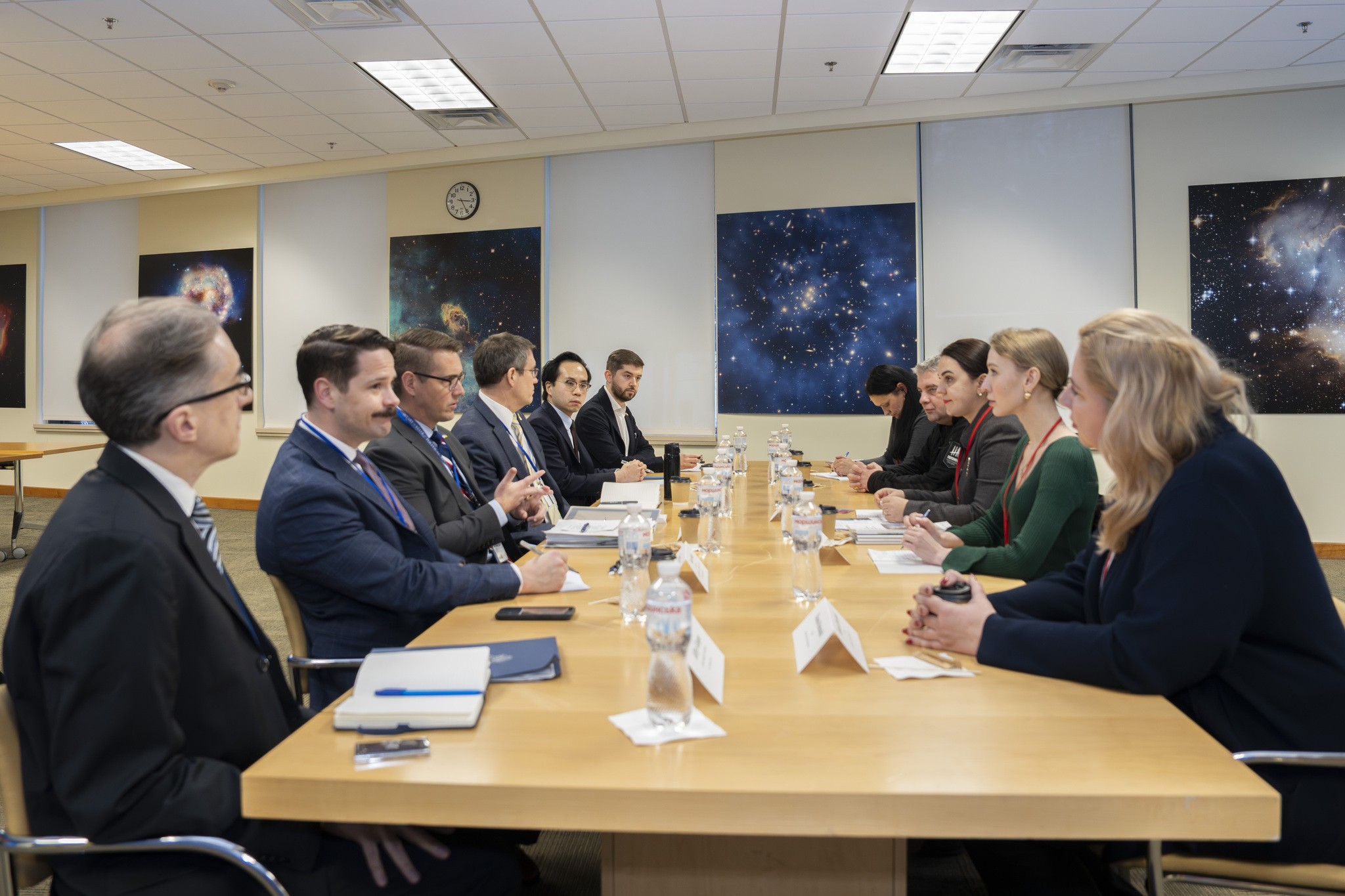
In Kyiv, the US delegation also met with Olena Zelenska, First Lady of Ukraine, Mariana Betsa, Deputy Minister of Foreign Affairs, Iryna Vereshchuk, Deputy Head of the Office of the President as well as representatives of relevant state institutions, including the Ministry of Justice of Ukraine and religious organisations.
If you have found a spelling error, please, notify us by selecting that text and pressing Ctrl+Enter.