What a human rights action plan should look like: the positions of the government and civil society
An expert discussion “From strategy to action: what the action plan for implementing the National Human Rights Strategy should look like” took place in Kyiv on 27 April 2026, organised by the Human Rights Centre ZMINA. The event brought together representatives of state institutions, parliament and civil society to discuss how to make the protection of human rights in Ukraine more systematic and effective.
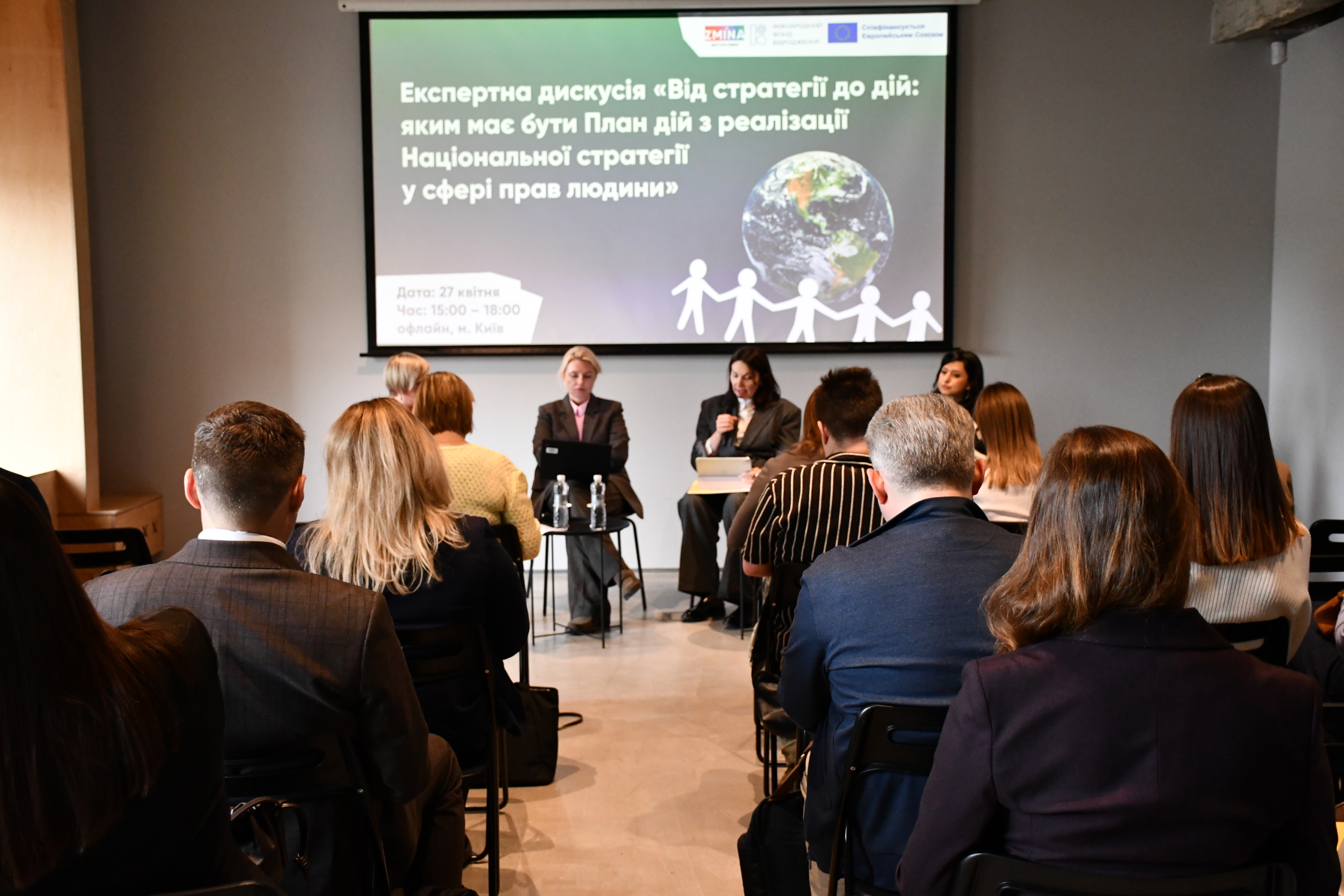
The event was opened by Tetiana Pechonchyk, Head of the Human Rights Centre ZMINA, and Olha Kvashuk, Programme Manager of the “Europe and the World” programme at the International Renaissance Foundation.
They stressed that while the National Human Rights Strategy sets out the state’s key priorities, it is the action plan that turns these priorities into tangible changes.
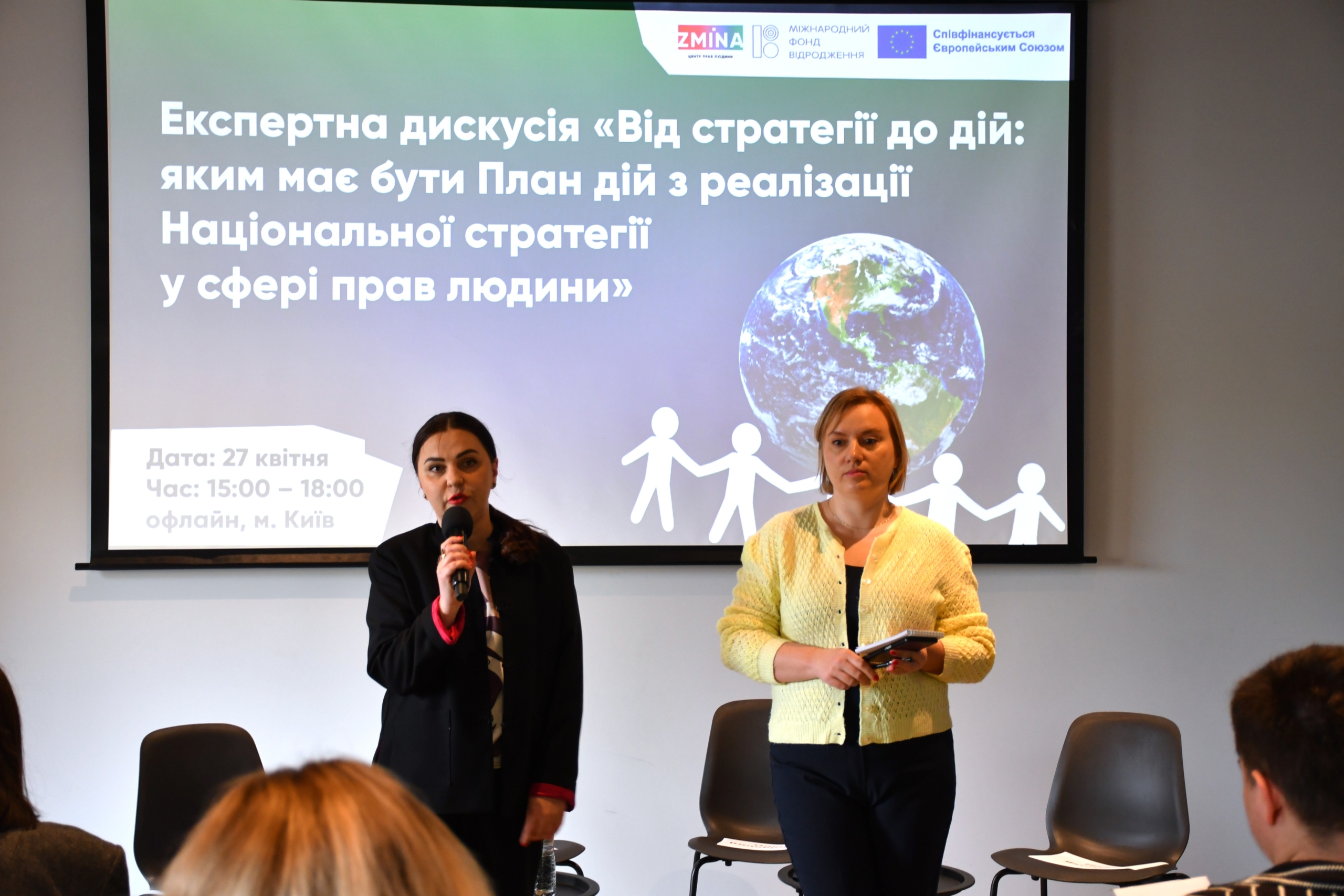 Photo: Tetiana Pechonchyk, Olha Kvashuk
The discussion focused on what the updated strategy should look like and how to ensure its effective implementation. Participants included Nataliia Panchuk, Head of Directorate for Strategy Planning and European Integration at the Ministry of Justice; Olena Kolobrodova, Representative of the Ukrainian Parliament Commissioner on Social and Economic Rights; and Nelli Yakovlieva, Deputy Chair of the Verkhovna Rada Committee on Human Rights, De-occupation and Reintegration of the Temporarily Occupied Territories of Ukraine, National Minorities and Interethnic Relations, and Chair of the Subcommittee on Human Rights and Anti-Discrimination. The discussion was moderated by Alena Lunova, Advocacy Director at the Human Rights Centre ZMINA.
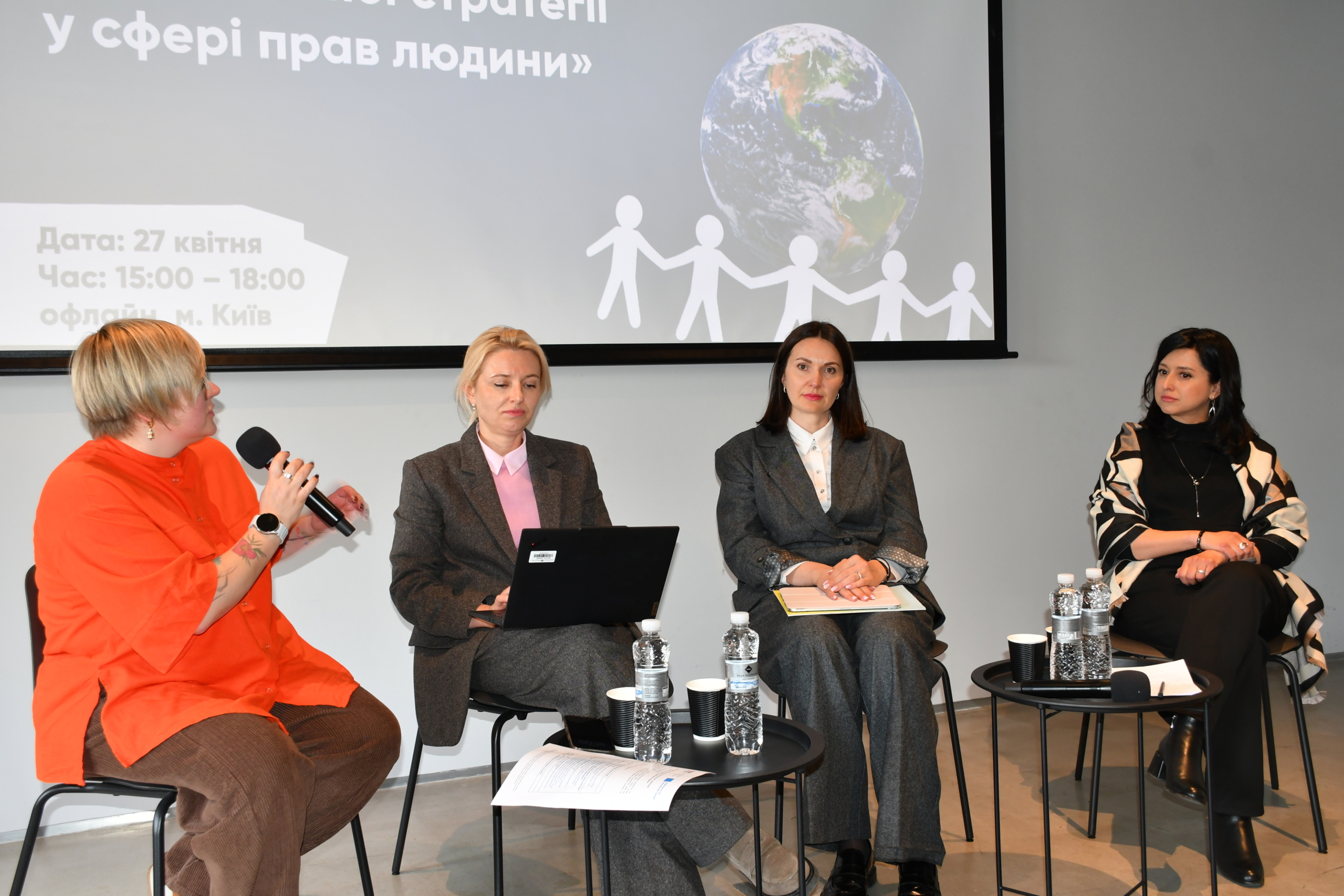 Photo: Alena Lunova, Nataliia Panchuk, Olena Kolobrodova, Nelli Yakovlieva
The first part of the discussion focused on what the updated National Human Rights Strategy should look like. Alena Lunova stressed the need to reflect not only on the content, but also on the logic of the document and the process of its preparation: “We gave considerable thought to what the national strategy should look like, as it is a document that serves as a vector for public policy and a framework within which various human rights policies develop“.
Nataliia Panchuk emphasised that the new version of the strategy was developed with the full-scale war in mind: “The previous strategy was created under entirely different circumstances – not in the context of a full-scale war. As a result, the current version is largely oriented towards the challenges we face. We looked at the experience of other countries, considered internal processes, consulted with the government, and on that basis shaped what it should look like“.
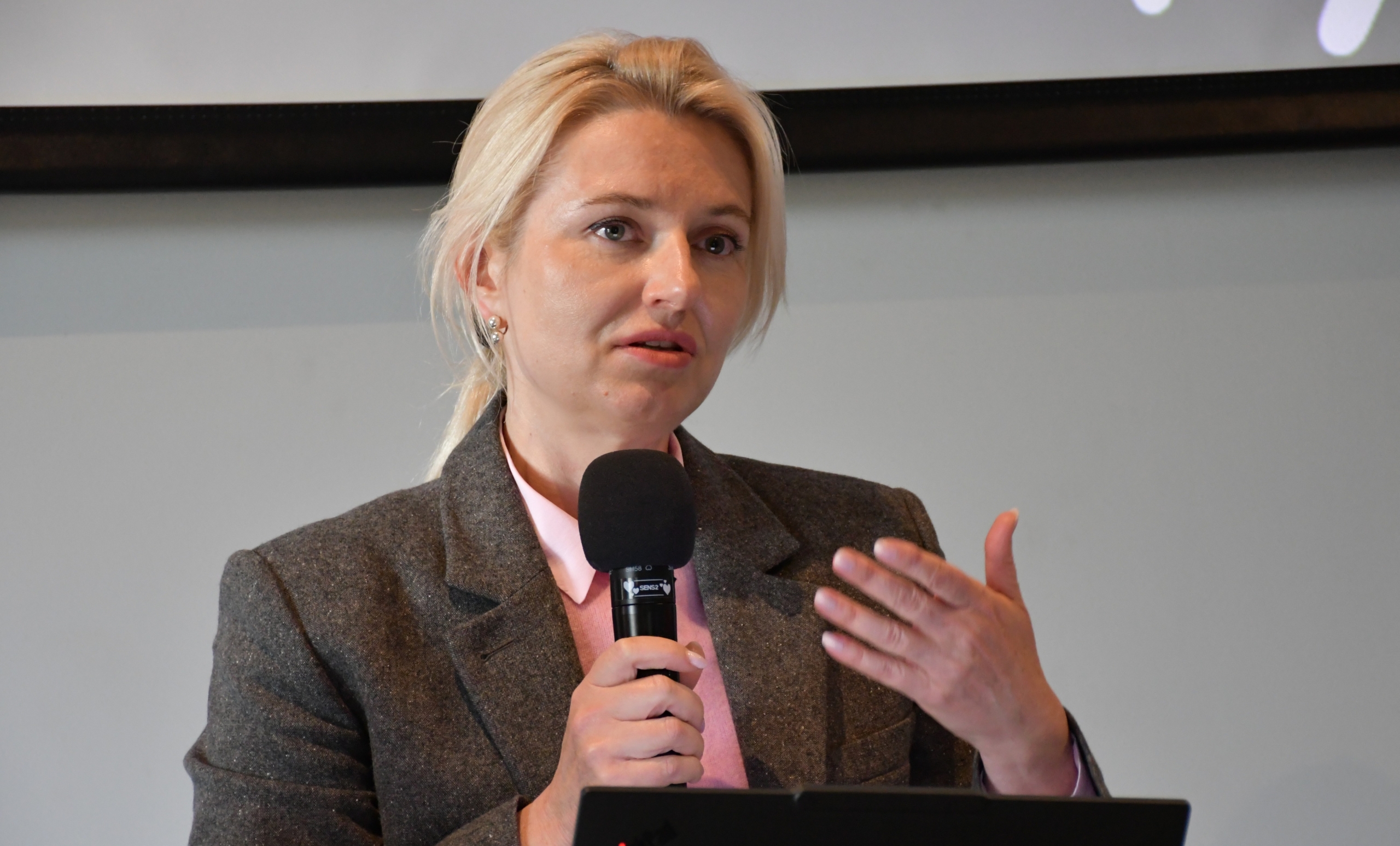 Photo: Nataliia Panchuk
Olena Kolobrodova added that the strategy has indeed undergone changes and has also become more structured, with a defined timeframe and clearer objectives: “The strategy is a guiding, fundamental document in the field of human rights protection. However, its existence does not in itself demonstrate its effectiveness in practice… We can see that some proposals have been taken into account, including those relating to cultural rights, social protection and environmental rights“.
The second part of the discussion focused on how to ensure the effective implementation of the strategy, assess its results, and who will be responsible for overseeing its implementation.
Nataliia Panchuk stressed that the key challenge lies not in adopting documents, but in their real-world impact – whether what has been approved actually works. She also highlighted the importance of monitoring and evaluation.
Olena Kolobrodova emphasised that the prolonged absence of an action plan had in practice made it impossible to implement the strategy, and that systematic oversight would be essential going forward. She added that the Ombudsman’s Office plans to conduct regular monitoring and publicly highlight gaps in implementation.
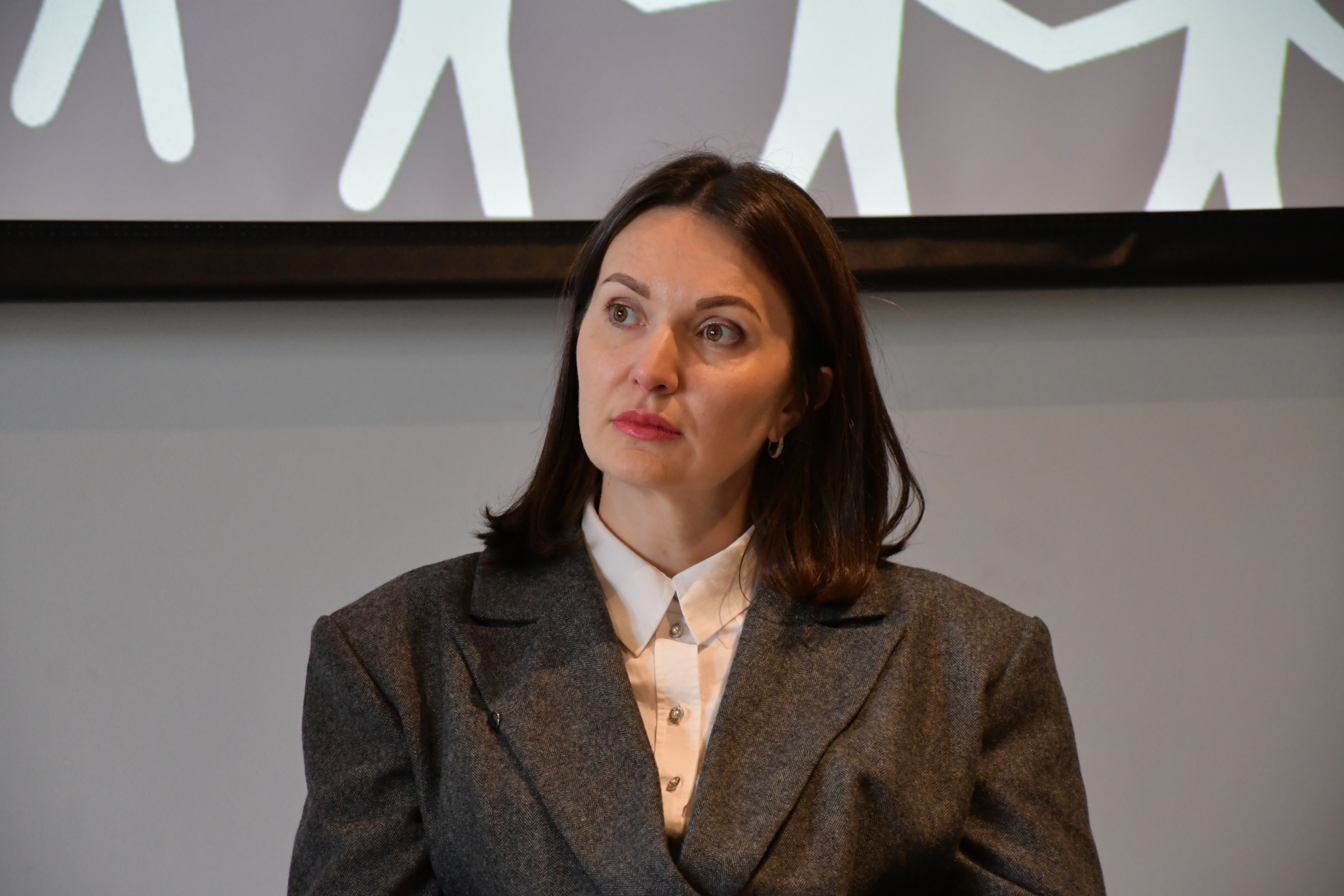 Photo: Olena Kolobrodova
Nelli Yakovlieva drew attention to the difficulty of implementing the strategy in the context of war and limited resources: “The full-scale invasion has led to such systemic human rights violations that, in reality, everything is important – and it is very difficult to prioritise“.
At the same time, she stressed the need to maintain a focus on vulnerable groups, in particular people in the temporarily occupied territories: “This issue must remain constantly in focus, as it will not disappear and will continue to be central to public policy“.
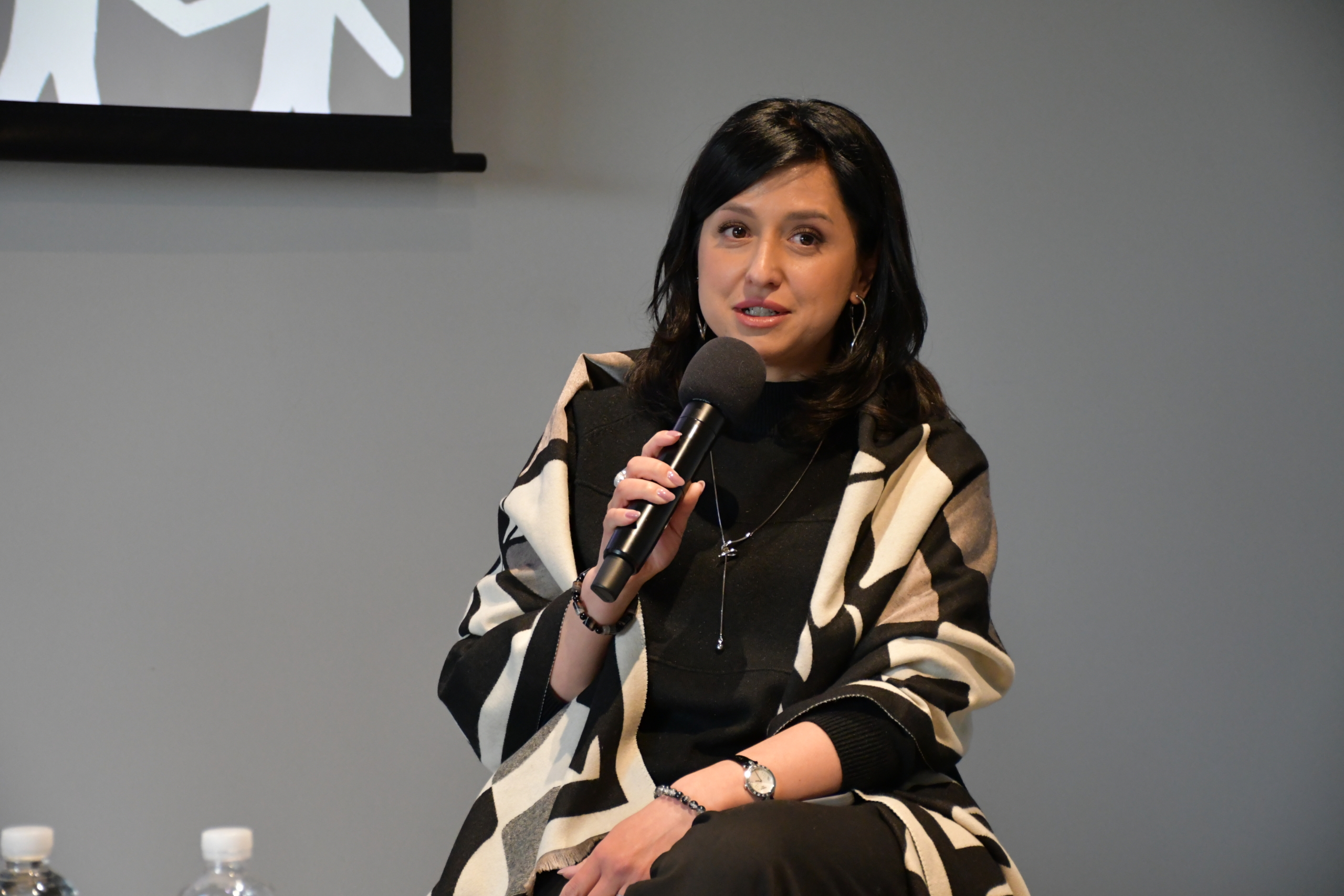 Photo: Nelli Yakovlieva
Speakers agreed that the action plan should not be a formality, but a clear and measurable document with specific indicators, timelines and monitoring mechanisms. Particular attention was paid to the challenges facing Ukraine in the context of Russia’s full-scale war, as well as in the course of European integration. Participants stressed that an effective action plan must take these factors into account and offer realistic solutions for the protection of human rights.
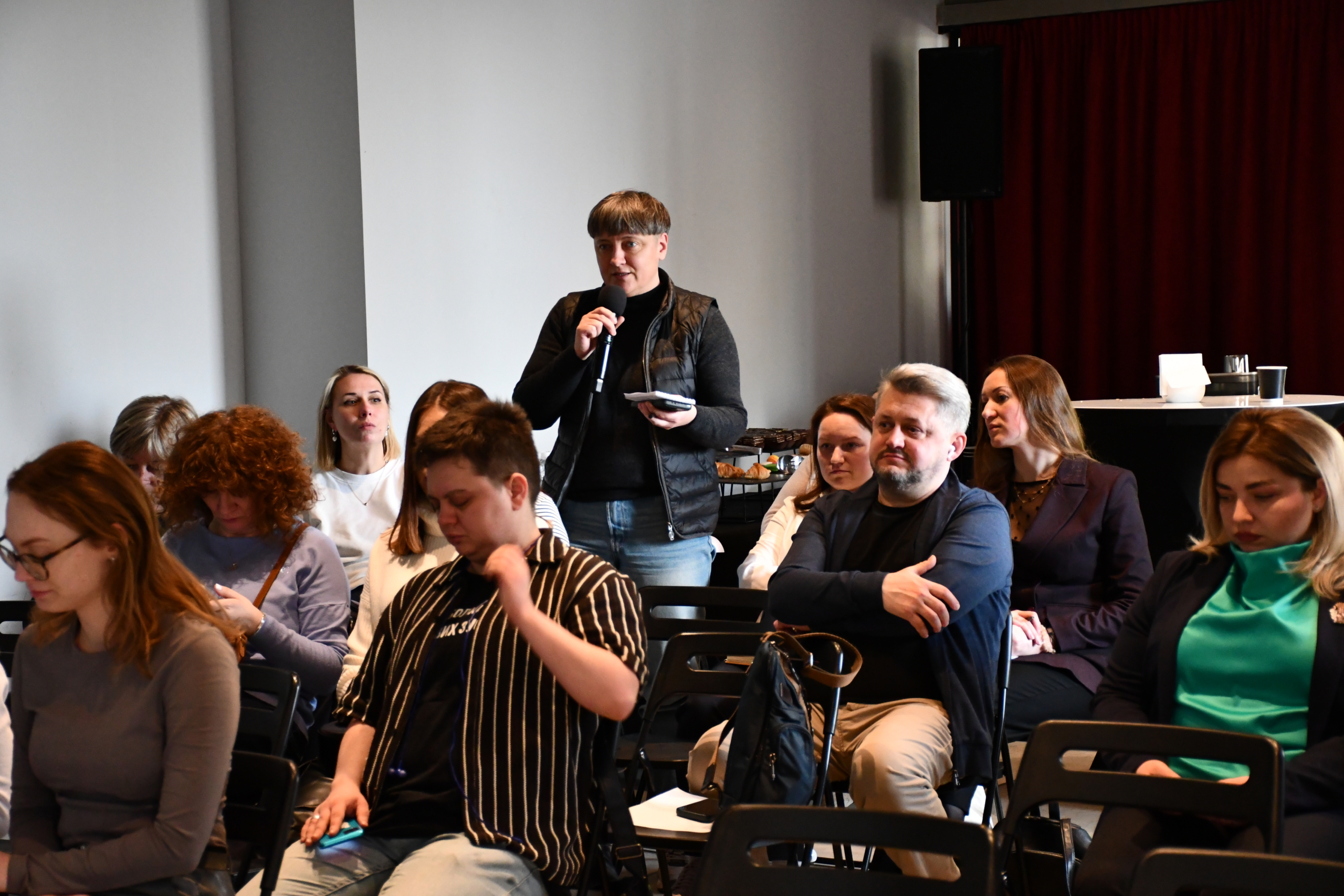
A separate part of the event was devoted to an open discussion involving all participants. Representatives of civil society emphasised the importance of their involvement in both the development and implementation of the plan, as they are often the ones working directly with those affected by human rights violations.
The event was organised with the support of the European Union and the International Renaissance Foundation within the framework of the joint initiative “Whole Society Accession”. The material reflects the views of the authors and does not necessarily represent the position of the European Union or the International Renaissance Foundation.