ZMINA took part in the Register of Damage Forum on supporting people affected by the war
On 19 March 2026, Yelyzaveta Sokurenko, Head of the International Crimes Documentation Department, represented the Human Rights Centre ZMINA at the Forum “Supporting Affected Persons on the Path to Compensation for War-Related Damage”, organised by the International Register of Damage Caused by Russia’s Aggression Against Ukraine.
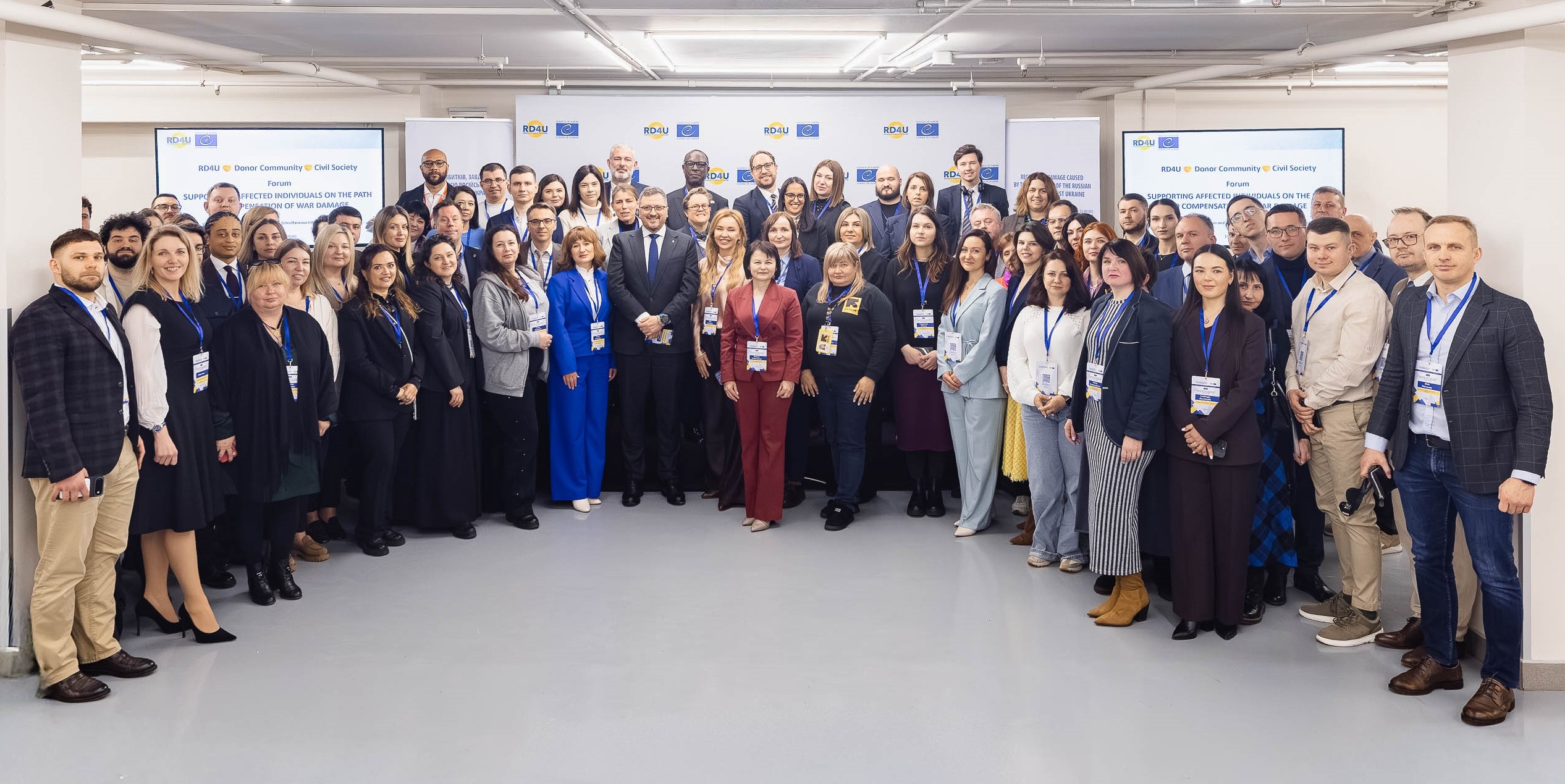 Photo credit: Register of Damage for Ukraine
The event took place in Kyiv and brought together over 100 participants – representatives of international institutions and civil society organisations. Its purpose was to strengthen support for individuals submitting claims to the Register, particularly representatives of vulnerable groups affected by Russian aggression.
The Forum served as a platform for discussing the key challenges faced by people affected by the war, and ways to address them through coordination, exchange of experience and the mobilisation of resources. Particular attention was paid to supporting people with limited access to digital technologies, older persons and people with health conditions.
The event was opened by Markiyan Kliuchkovskyi, Executive Director of the International Register of Damage. “It is important to bring donors and civil society together around the shared goal of helping people affected by the war, particularly in the context of submitting claims to the International Register of Damage. We must ensure that this support does not stop, but becomes systematic, continues to develop and is sustained in the future“, he emphasised.
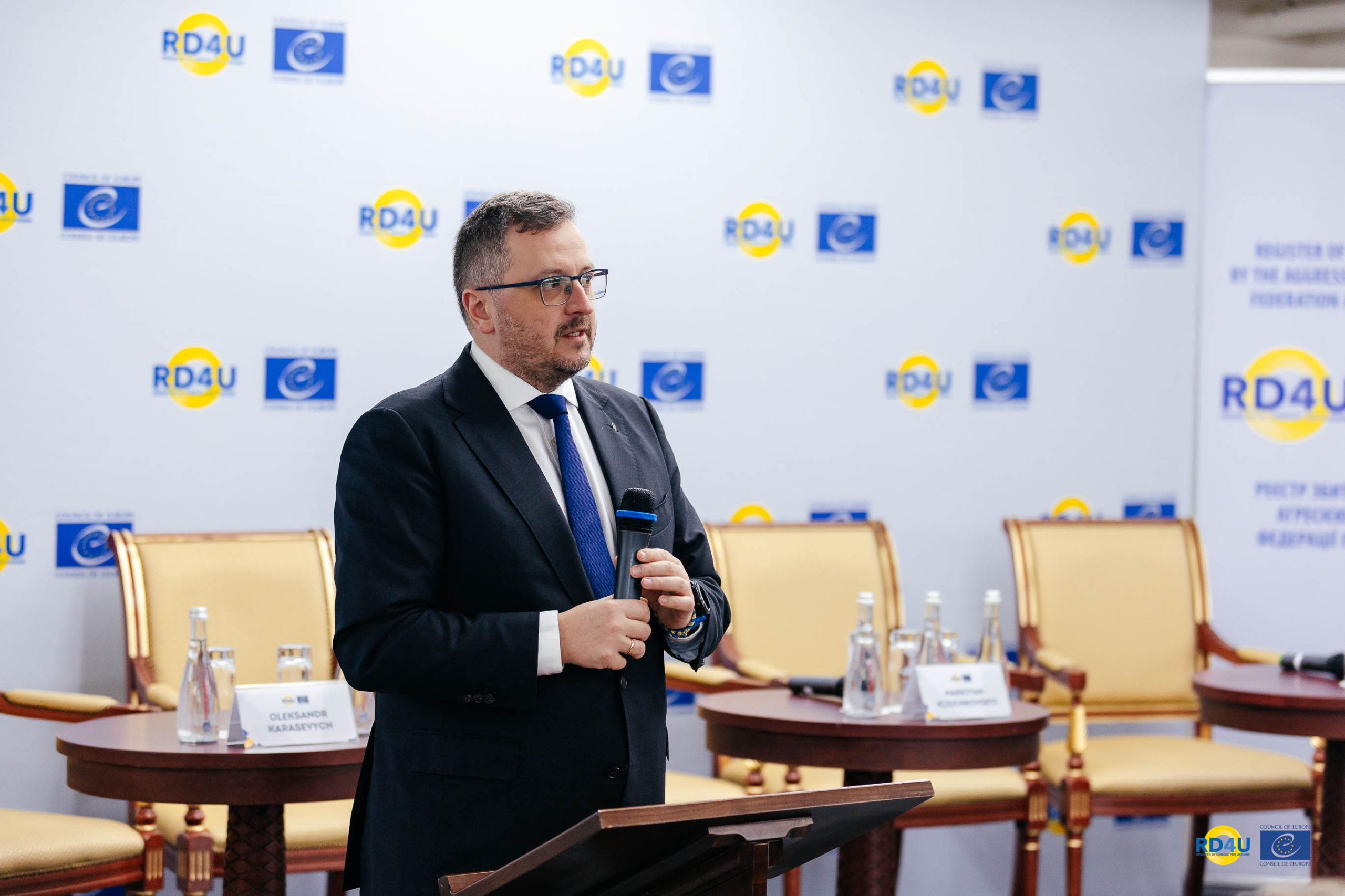 Photo: Markiyan Kliuchkovskyi. Photo credit: Register of Damage for Ukraine
During the session on documentation and advocacy, Yelyzaveta Sokurenko presented the work of the Human Rights Centre ZMINA in the context of supporting people affected by the war, in particular civilians who have suffered harm to their life and health as a result of war crimes.
In her speech, she noted that support for people affected must be comprehensive, encompassing both the documentation of damage and legal assistance, as well as clear information on available support mechanisms, including the possibility of submitting claims to the Register.
“Even though a proper compensation mechanism is not yet in place, it is important that people affected submit their claims to the Register now. The number of such claims helps to demonstrate the true scale of the damage and the number of people affected, which could speed up the establishment of a compensation fund“, said Sokurenko.
She also emphasised the need to advocate for the development of a state system of assistance for people affected by the war.
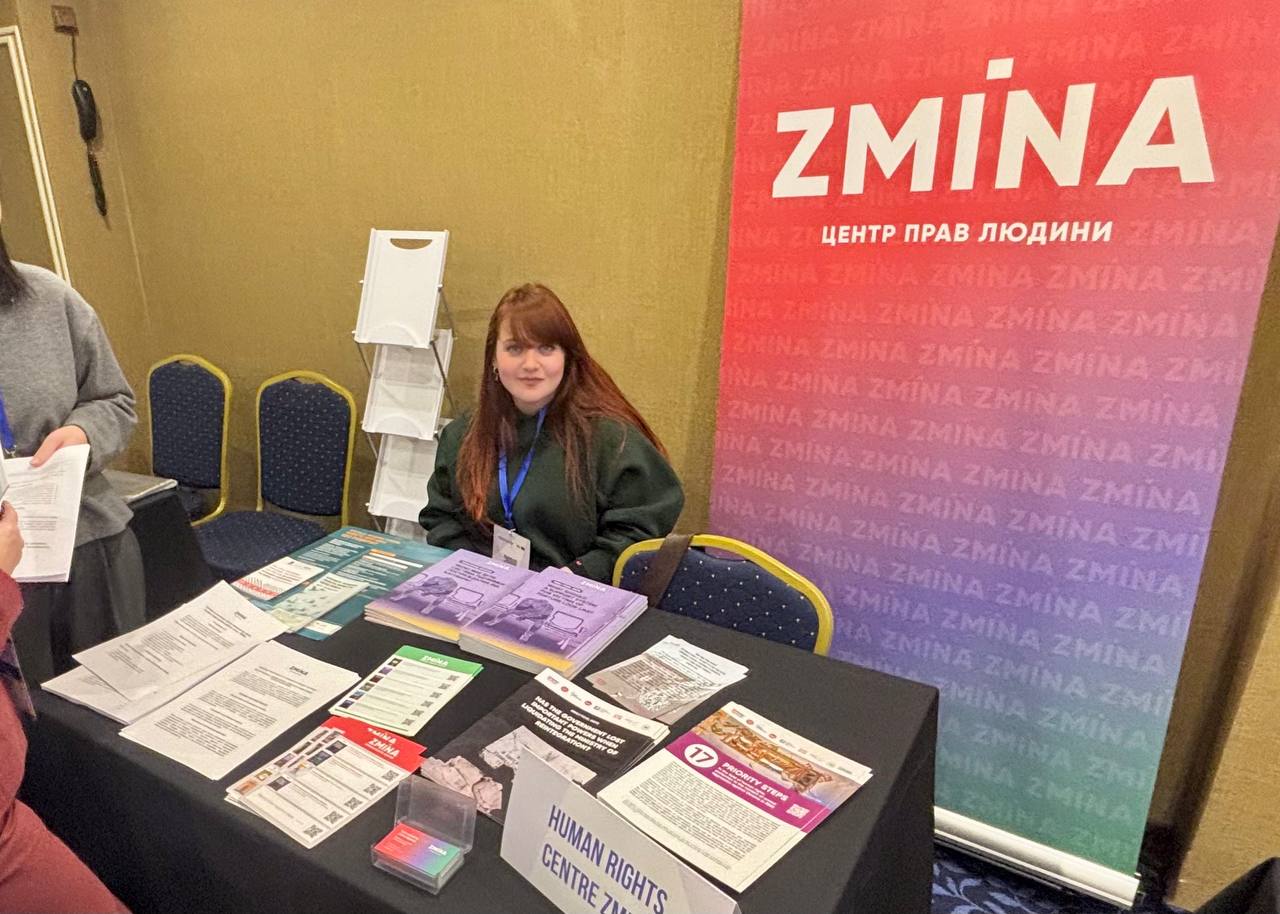 Yelyzaveta Sokurenko