Digital threats and Russian disinformation: ZMINA highlighted challenges facing civil society within the OSCE framework in Vienna
On 12 May in Vienna, thematic panels and special events dedicated to digital threats facing civil society, disinformation and the protection of democratic space took place as part of the second OSCE Supplementary Human Dimension Meeting (SHDM II). Representatives of the Human Rights Centre ZMINA – Tetiana Zhukova, Senior International Advocacy Manager, and Anastasiia Soloviova, lawyer of the Civil Society Protection Programme – took part in the events.
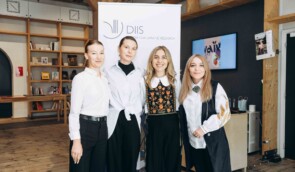
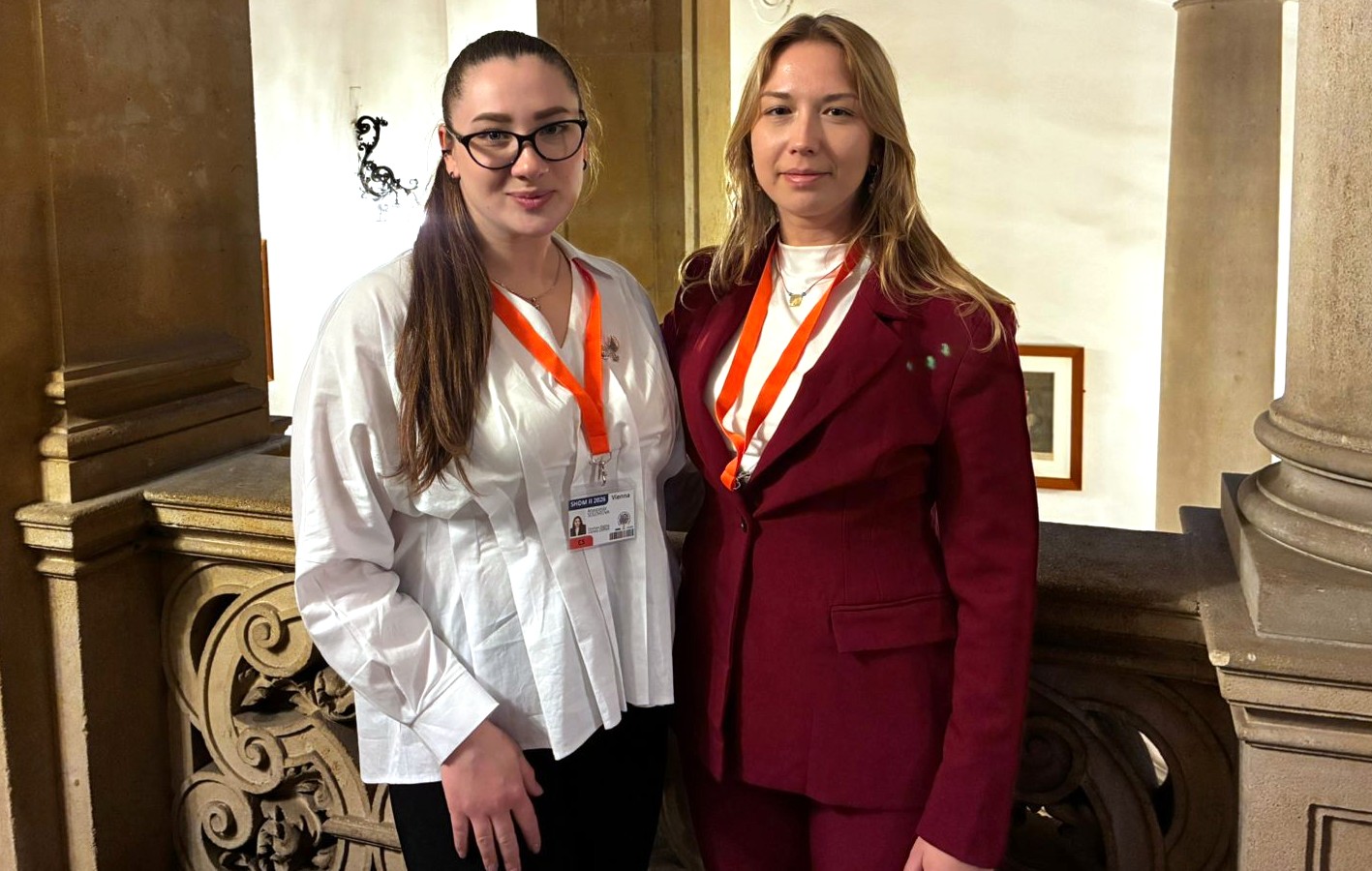 Photo: Anastasiia Soloviova, Tetiana Zhukova
ZMINA organised the special event “Digital Threats to Civil Society in Ukraine Amid War and Transformation” in cooperation with the EU Delegation to the International Organisations in Vienna, the Human Rights House Foundation, the Netherlands Helsinki Committee, the Anti-Corruption Action Centre and the Digital Security Lab Ukraine.
It was moderated by Ambassador Rasa Ostrauskaite, EU Permanent Representative to the OSCE. Participants discussed how Russia’s full-scale war against Ukraine has created not only physical, but also large-scale digital threats for activists, journalists and human rights defenders.
Russia’s war against Ukraine is also a digital war
During her speech, Anastasiia Soloviova stressed that Ukrainian civil society operates under constant digital harassment – from cyberattacks to online harassment campaigns: “This war is not only physical – it is also digital. Alongside the battlefield, Ukraine constantly faces cyber pressure targeting state institutions, media, activists and civil society“.
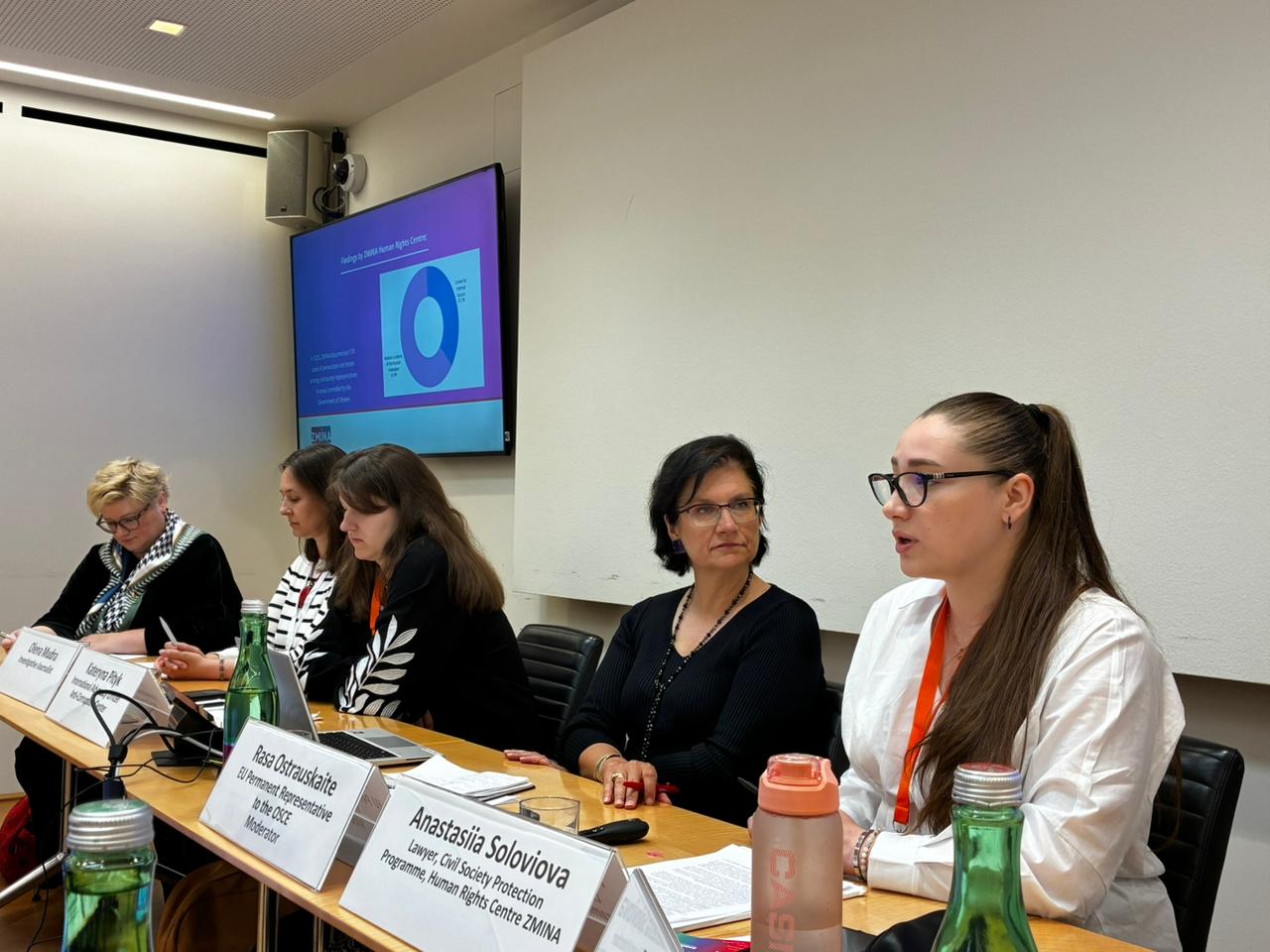
According to the ZMINA lawyer, one particularly alarming trend has been the systematic gender-based online violence targeting women journalists and activists. Anastasiia Soloviova referred to research conducted by the NGO Women in Media, according to which 81% of surveyed women journalists in Ukraine had experienced various forms of digital violence. This includes not only insults or trolling, but also coordinated disinformation campaigns, cyberstalking, threats of sexual and physical violence, and manipulation of photos and personal data.
“When journalists are silenced through fear, intimidation and persecution, society loses access to independent information and open public debate“, the ZMINA representative stressed.
She also referred to specific cases involving the persecution of Ukrainian women journalists and activists, including Martina Bohuslavets, Mariana Verbovska, Nataliia Onysko, Yaroslava Vovchak, Iryna Fedoriv and Olena Mudra.
Disinformation campaigns, deepfakes and the lack of effective protection
During the discussion, investigative journalist Olena Mudra spoke about the large-scale harassment campaign that she and her colleagues faced following their investigations into environmental violations in the Carpathian region.
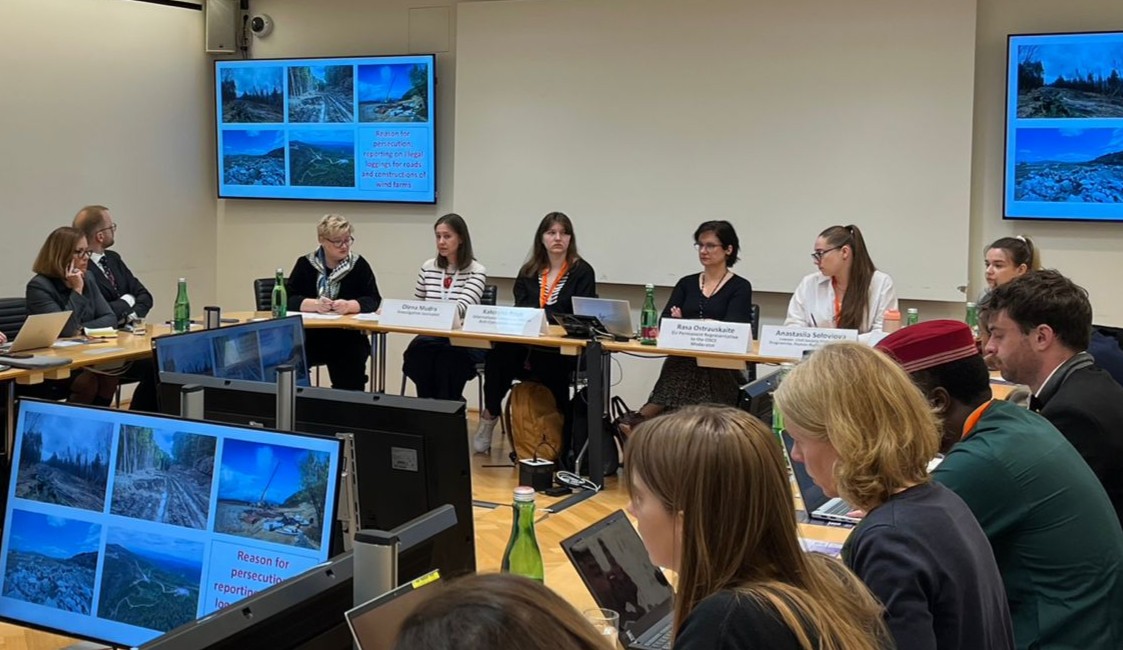
According to her, the attack lasted for several months and involved hundreds of fake publications, bot attacks, edited videos and deepfakes.
“My son was used in one of the deepfakes. All of these videos were promoted through online advertising. My father was watching a boxing match on YouTube when the broadcast was interrupted by an advert showing one of these videos“, Olena said.
Mudra added that, unfortunately, law enforcement agencies in Ukraine still lack sufficient experience and expertise to effectively protect journalists and activists from digital threats.
“All I want is to continue working as an investigative journalist in my region, because I believe that freedom of speech and independent media are truly resilient and strong when they maintain a full presence in every region of their country. They serve as a litmus test for a democratic society. I believe that despite the war and all the other challenges and risks, my country will preserve this“, Mudra concluded.
Disinformation about “civil society interference in electoral processes abroad”
During the event, participants also discussed phishing attacks, the impersonation of activists and the use of artificial intelligence to generate disinformation – methods frequently employed by the Russian Federation.
Kateryna Pityk, a representative of the Anti-Corruption Action Centre, explained that the organisation regularly becomes a target of Russian digital attacks and disinformation campaigns. She provided examples of targeted phishing attacks using personalised data, including fake emails allegedly sent by state enforcement officers containing real personal data and malicious links, as well as attempts to gain control over messenger accounts and subsequently impersonate members of the organisation in order to spread disinformation about the alleged interference of Ukrainian civil society in electoral processes abroad.
“Even the most sophisticated attacks do not always achieve their goal, but they demonstrate the level of systemic pressure that civil society faces every day“, she stressed.
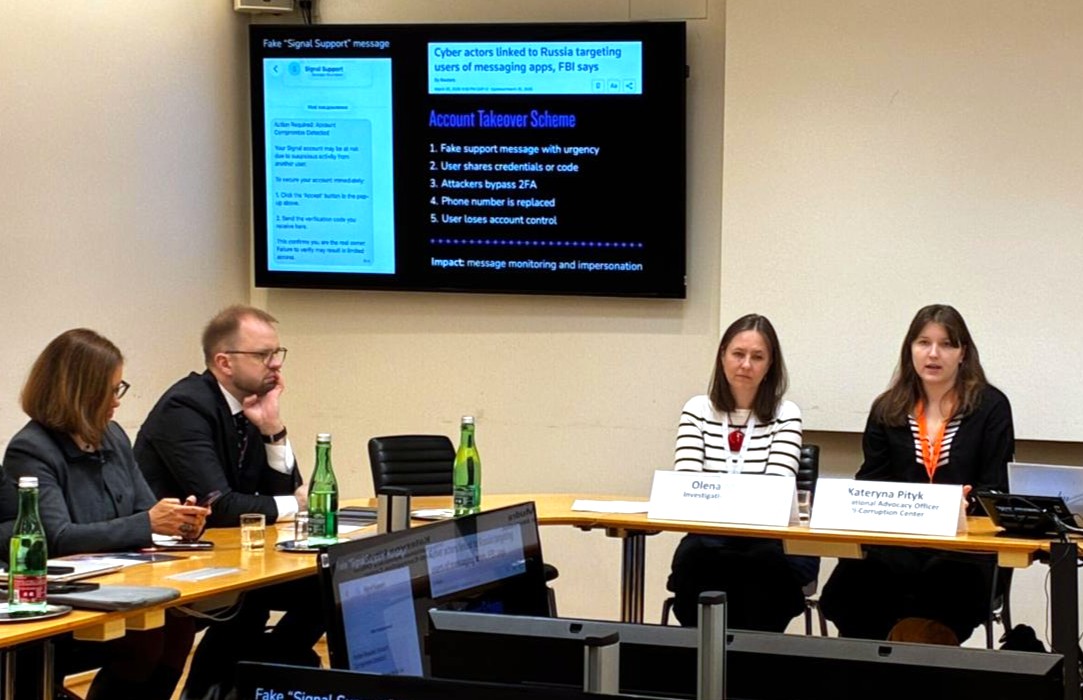
Kateryna Pityk also noted that digital attacks are often combined with legal and reputational pressure, including SLAPP lawsuits and disinformation campaigns, and stressed the importance of organisations being prepared for such challenges.
“We work with the understanding that our actions may be monitored, distorted or used against us. But that does not mean we should not be prepared“, Kateryna Pityk said.
She stressed the importance of regular digital security training, developing partnerships between organisations and fostering a culture of trust in which teams promptly report incidents.
“There is no 100% protection in the digital environment. What matters is responding to incidents quickly and openly, informing partners and explaining what happened“, Kateryna Pityk noted, adding that sharing experience and supporting civil society are key to strengthening its resilience to digital threats.
Countering digital threats on online platforms
Anna Liudva from the Digital Security Lab Ukraine shared examples of attacks, pressure and the spread of disinformation through online platforms. She stressed the importance of the effective implementation of platforms’ existing obligations at the European level.
“Enforcement mechanisms must be introduced to encourage online platforms to comply with their European obligations beyond the EU as well, in order to effectively counter digital threats“, Anna Liudva noted.
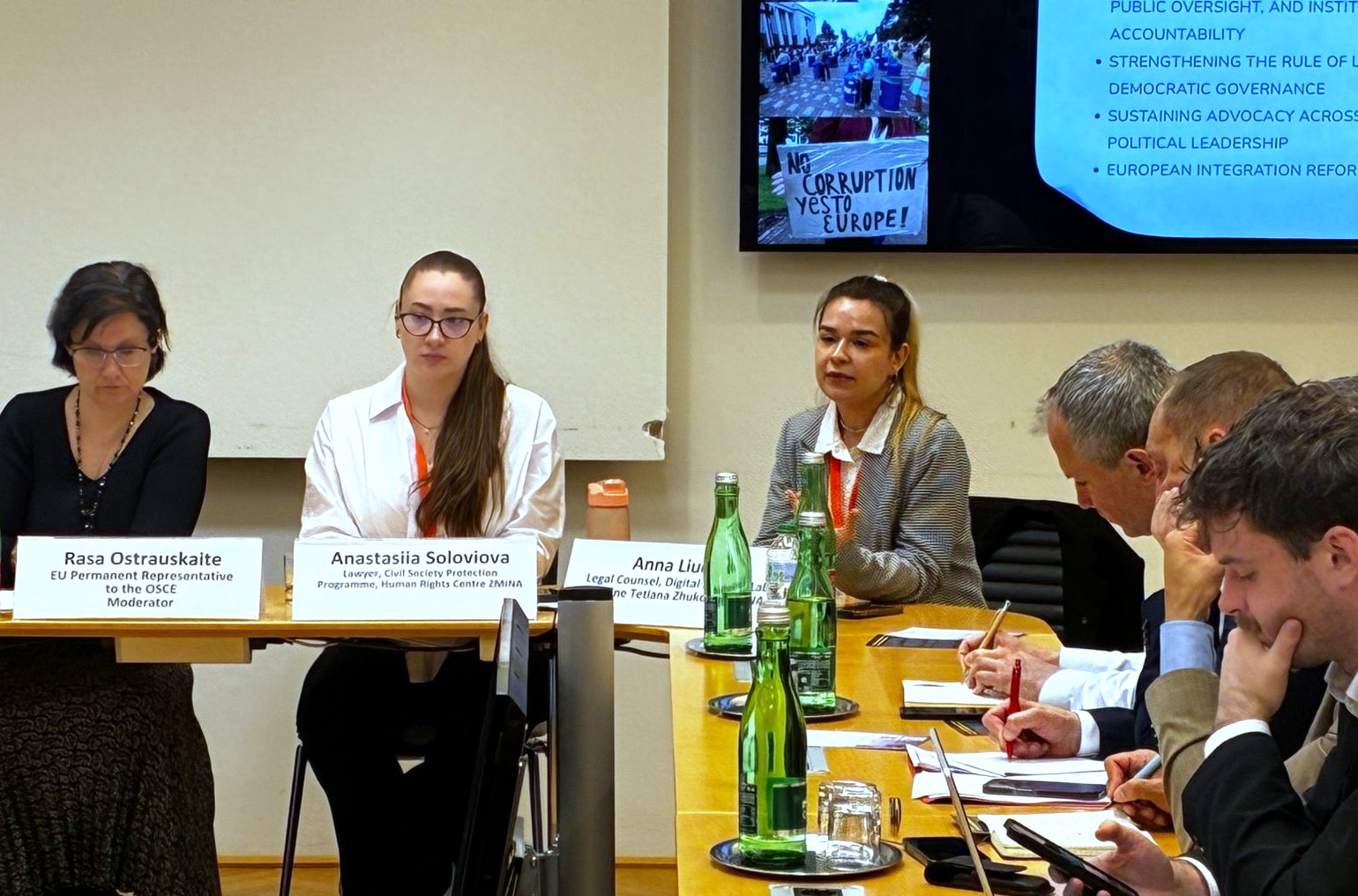
She concluded that the Russian Federation possesses an entire arsenal of digital tools used to pressure, persecute and discredit civil society, and stressed the importance of joining efforts to strengthen digital security.
Russia is waging a war against truth itself
In addition, during the second main panel of the OSCE Supplementary Human Dimension Meeting, “Disinformation and civic space: implications for human rights and democracy”, Tetiana Zhukova drew attention to the fact that Russia uses disinformation as a tool for persecuting Ukrainian activists and journalists: “The Russian Federation is waging a war not only against independent states, against Ukraine or the so-called collective West, but also against perhaps its greatest enemy – truth itself“.
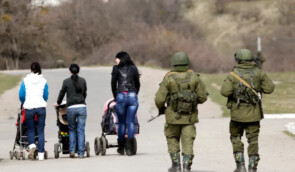
ZMINA’s Senior International Advocacy Manager recalled that in the occupied territories, Russia primarily destroys freedom of speech, persecutes journalists and activists, and spreads propaganda and hate speech.
According to her, one example of such practices is the pro-Russian Telegram channel “Crimean SMERSH”, which publishes the personal data of individuals with pro-Ukrainian views.
“These people are detained, tortured and forced to record so-called apology videos. Those who refuse may be imprisoned“, Tetiana Zhukova noted.
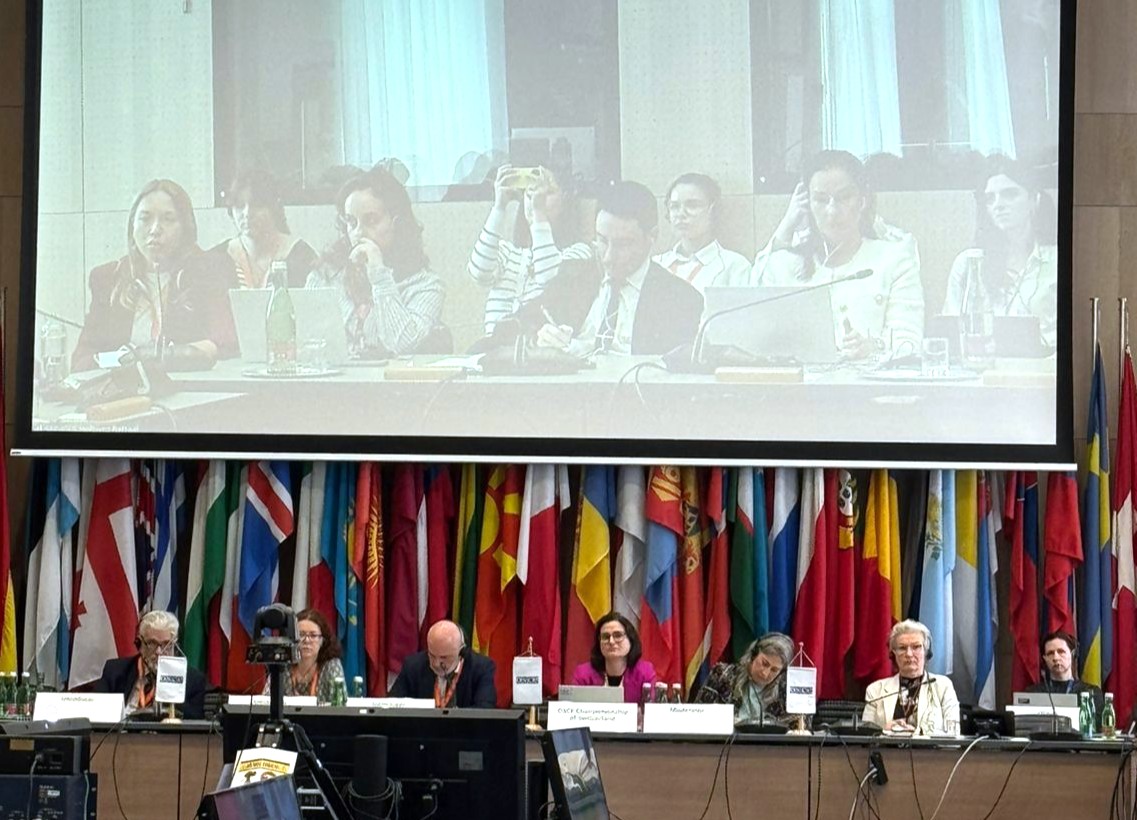
She also stressed that Russian propagandists and administrators of such channels must be held accountable for inciting the persecution of Ukrainians.
“This case to some extent echoes the history of Radio Télévision Libre des Mille Collines in Rwanda, which deliberately fuelled genocide. Likewise, Russian propagandists must be held accountable for inciting the persecution of activists and Ukrainians in general“, Tetiana Zhukova stressed.
Ukrainian diplomat in Vienna, Andrii Chesnokov, emphasised that information manipulation must be discussed as a human rights issue: “It undermines the right to life when it justifies attacks against civilians; it undermines the freedom of expression when it discredits independent media; it undermines democratic participation when it poisons citizens’ ability to make informed choices”.
A call for international support for civil society
During the third panel, “Strengthening digital resilience for the protection of civic space”, Anastasiia Soloviova presented recommendations to international partners on supporting Ukrainian civil society.
“Public visibility, cooperation between civil society organisations, media attention and international support remain the most effective tools for protecting activists and countering pressure“, Anastasiia Soloviova noted.
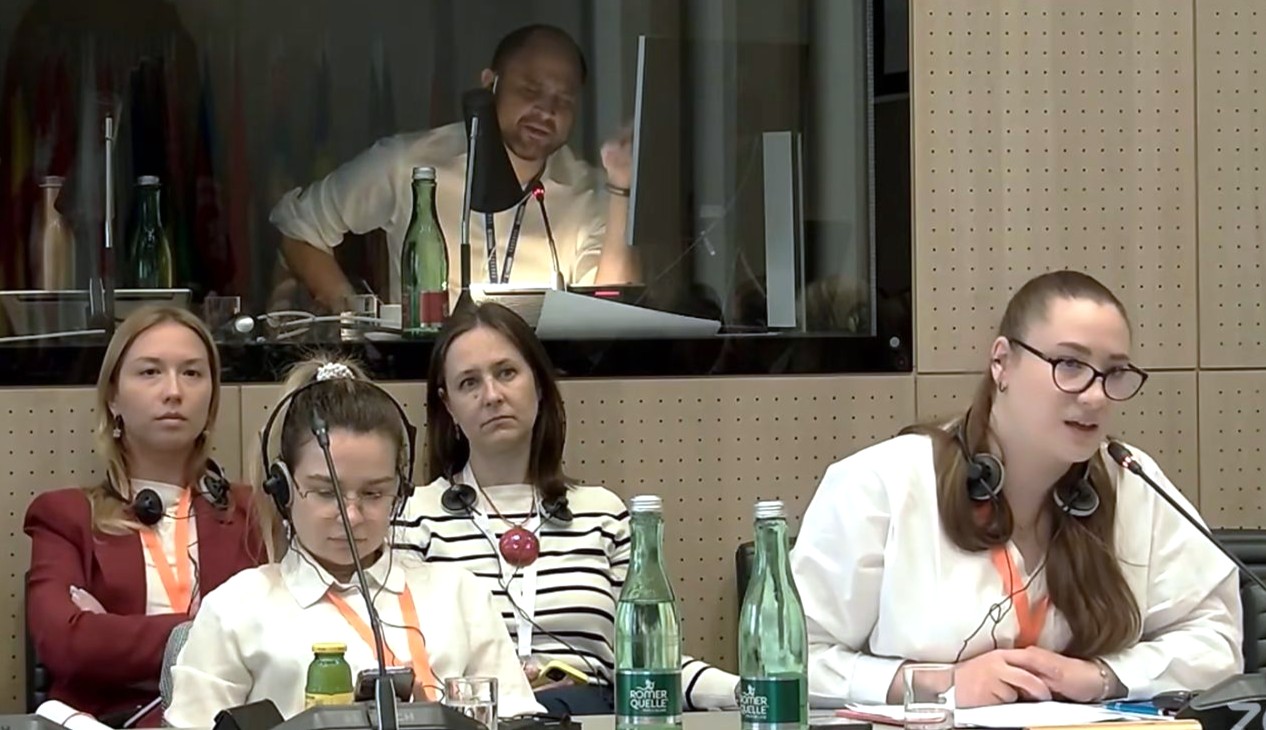
She called on international partners to strengthen protection programmes for activists, including support for legal assistance and digital, physical and psychological security for those facing pressure or persecution. ZMINA stresses that digital threats targeting civil society are becoming increasingly sophisticated and aggressive, and therefore require a systemic response from both the state and international partners.
Bilateral meetings within the OSCE framework
As part of the working programme, ZMINA representatives also held meetings with diplomats and ambassadors, including H.E. Brian Flynn, Ambassador of Ireland to the OSCE, and Andrii Chesnokov, diplomat at the Mission of Ukraine to the OSCE. During the meetings, the participants discussed the situation regarding digital threats facing civil society in Ukraine, the persecution of activists in the temporarily occupied territories, and the need for international support for mechanisms protecting human rights defenders and journalists. Particular attention was also paid to countering Russian propaganda and campaigns aimed at discrediting civil society.
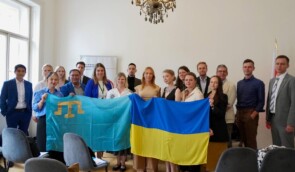
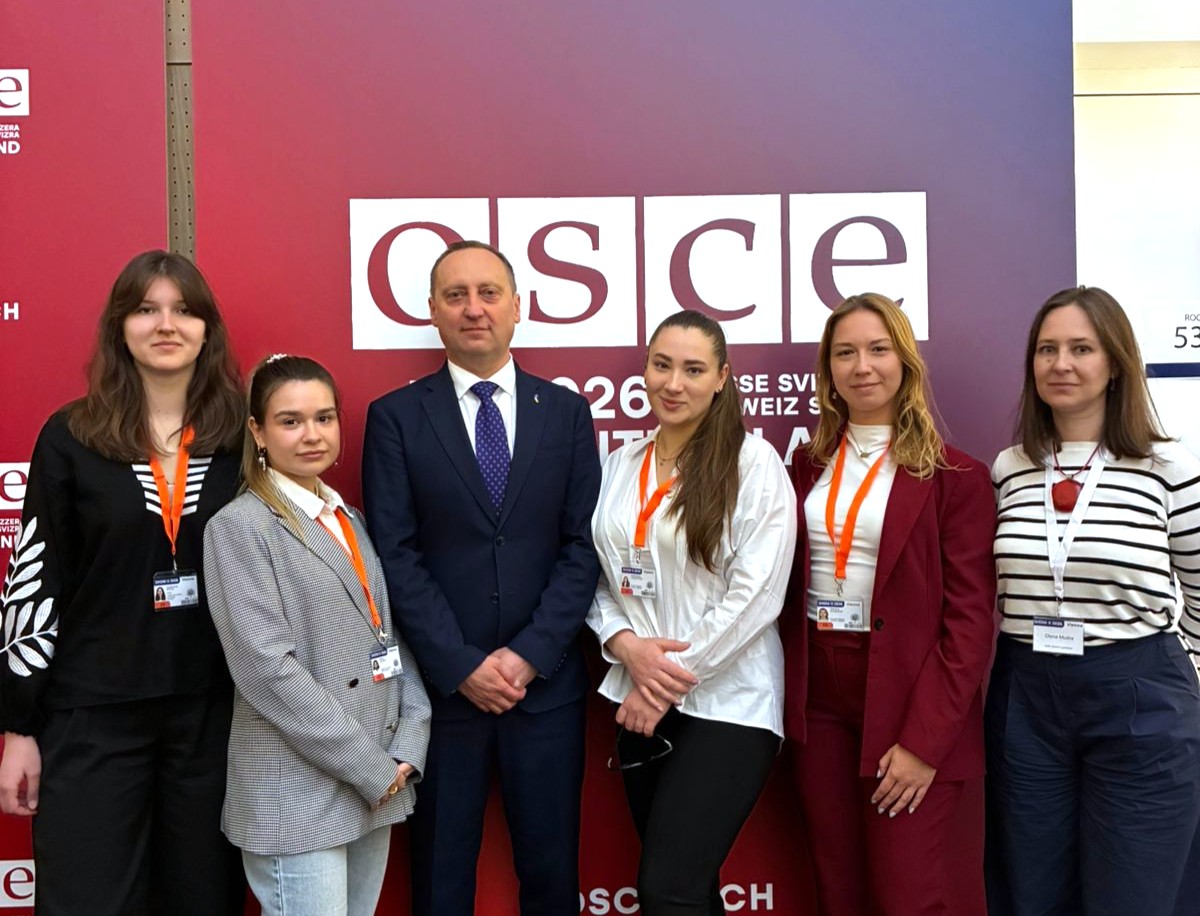 Photo: Kateryna Pityk, Anna Liudva, Andrii Chesnokov, Anastasiia Soloviova, Tetiana Zhukova, Olena Mudra
On 11 May in Vienna, ZMINA representatives took part in the pre-conference event “A Human Rights Tour Across the OSCE Region”, organised by the Human Rights House Foundation and the Netherlands Helsinki Committee, as well as in the first panel of the OSCE Supplementary Human Dimension Meeting dedicated to digital threats.
For reference
The OSCE Supplementary Human Dimension Meeting is a thematic conference organised by the Organization for Security and Co-operation in Europe (OSCE). It focuses on specific current issues related to human rights, democracy and the rule of law. The meeting brings together diplomats from OSCE participating States, representatives of international organisations and civil society.