Russia remains the greatest threat: ZMINA highlighted Ukrainian civil society at the OSCE SHDM in Vienna
On 11-12 May 2026, Vienna hosted the second OSCE Supplementary Human Dimension Meeting (SHDM), alongside a series of side events dedicated to discussing the risks and opportunities posed by digital technologies for civil society and human rights. Among the participants in the OSCE meetings and parallel events in Vienna is the Human Rights Centre ZMINA.
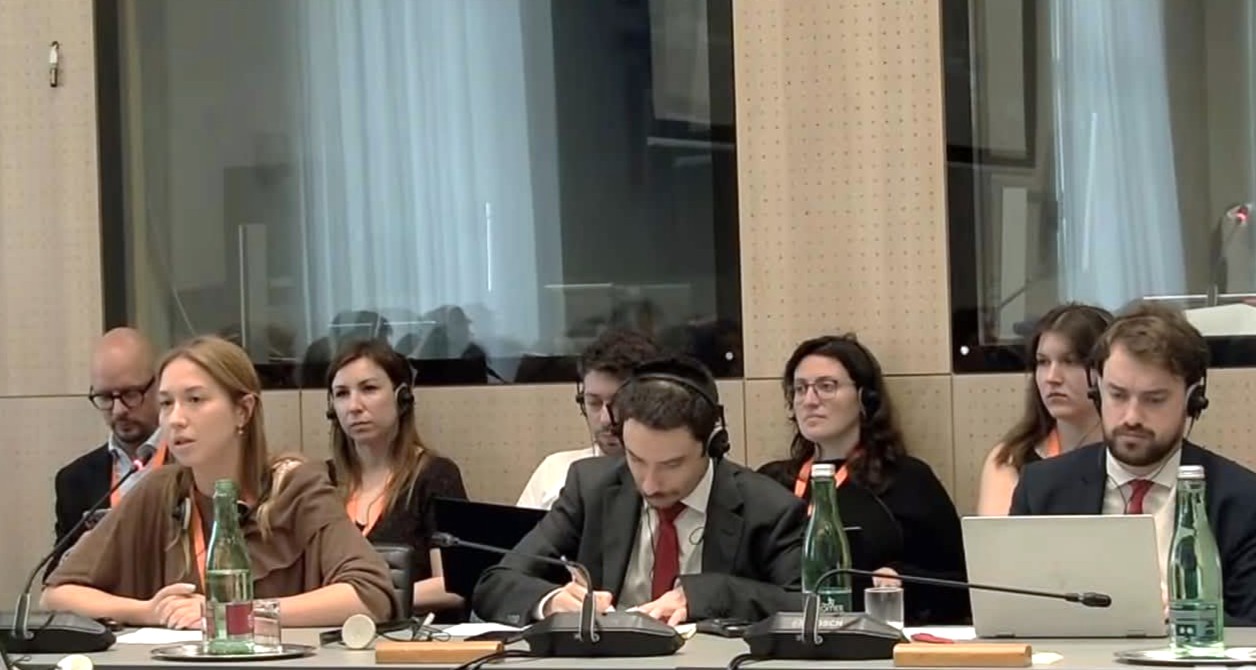
On 11 May, on the sidelines of the OSCE Supplementary Human Dimension Meeting, ZMINA representatives – Tetiana Zhukova, Senior International Advocacy Manager, and Anastasiia Soloviova, lawyer – took part in the pre-conference event “A Human Rights Tour Across the OSCE Region”, organised by the Human Rights House Foundation and the Netherlands Helsinki Committee.
Human rights defenders, journalists and experts from across the OSCE region, as well as diplomats from participating States, took part in the discussion.
Russia remains the greatest threat to Ukrainian civil society
In her speech at the pre-conference event, Tetiana Zhukova outlined the scale of the losses suffered by Ukrainian civil society as a result of Russian aggression: “The greatest threat lies beyond our eastern border – the Russian Federation. Since its invasion in 2014, it has brought suffering, death and destruction“.
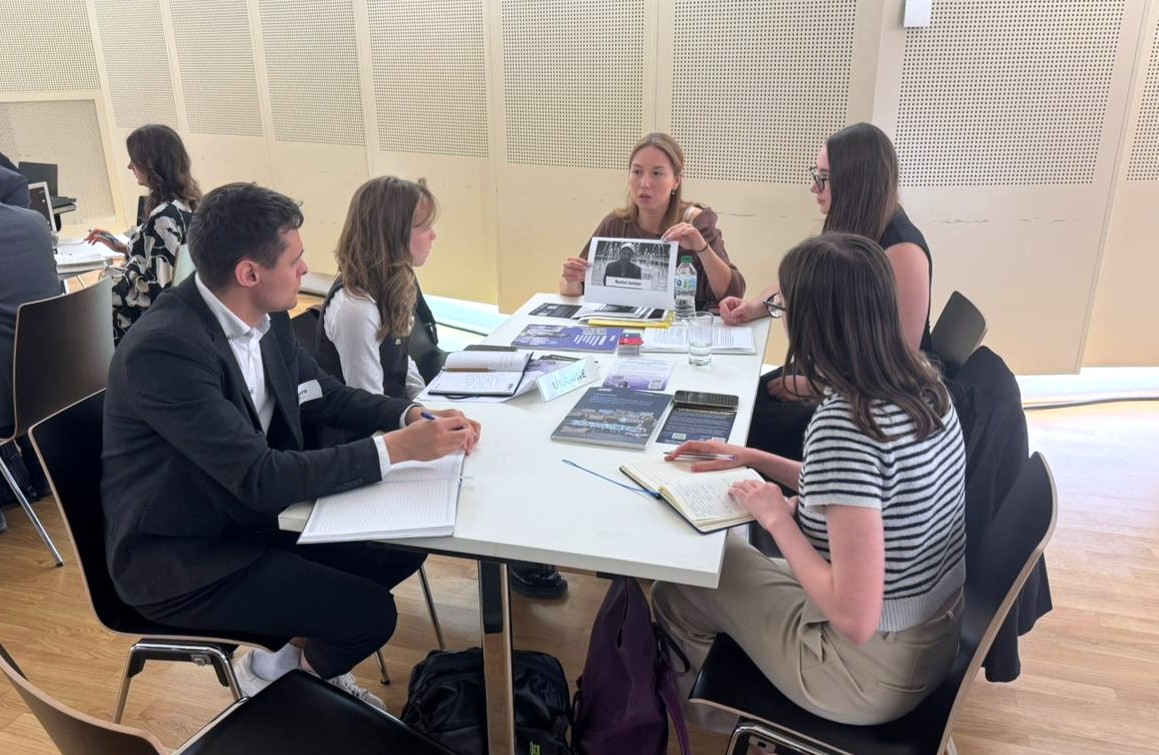
She recalled the first victims of the occupation of Crimea, including Reshat Ametov, the first Crimean Tatar activist killed during the occupation, as well as the systematic persecution of activists and human rights defenders that has continued for more than a decade.
“We are aware of at least 149 civil society representatives who have been killed by Russia since 2022“, Tetiana Zhukova stressed.
She also referred to cases of targeted killings of civilians, journalists and volunteers, as well as the unlawful detention of Ukrainian citizens.
The state of civil society in Ukraine in 2025
Anastasiia Soloviova presented the results of ZMINA’s study on the state of civil society in Ukraine in 2025. According to her, the documented cases demonstrate the complex and multi-layered nature of the risks faced by activists in Ukraine. Some of these risks are directly linked to Russian aggression, while others stem from internal factors.
“ZMINA documented 178 cases of persecution, pressure or harm targeting representatives of civil society in government-controlled areas of Ukraine. Of these, 112 cases were linked to the actions of the Russian Federation, while another 66 were connected to internal factors, including the actions or inaction of state authorities, local authorities, law enforcement agencies or non-state actors“, Anastasiia Soloviova noted.
She also stressed that such incidents are not isolated cases, but rather form part of a systemic pattern of pressure targeting active segments of civil society, including anti-corruption initiatives and human rights organisations.
In this context, ZMINA lawyer cited examples of cases, including that against Vitalii Shabunin, where the pressure involved a combination of legal instruments, information campaigns and attempts to discredit him.
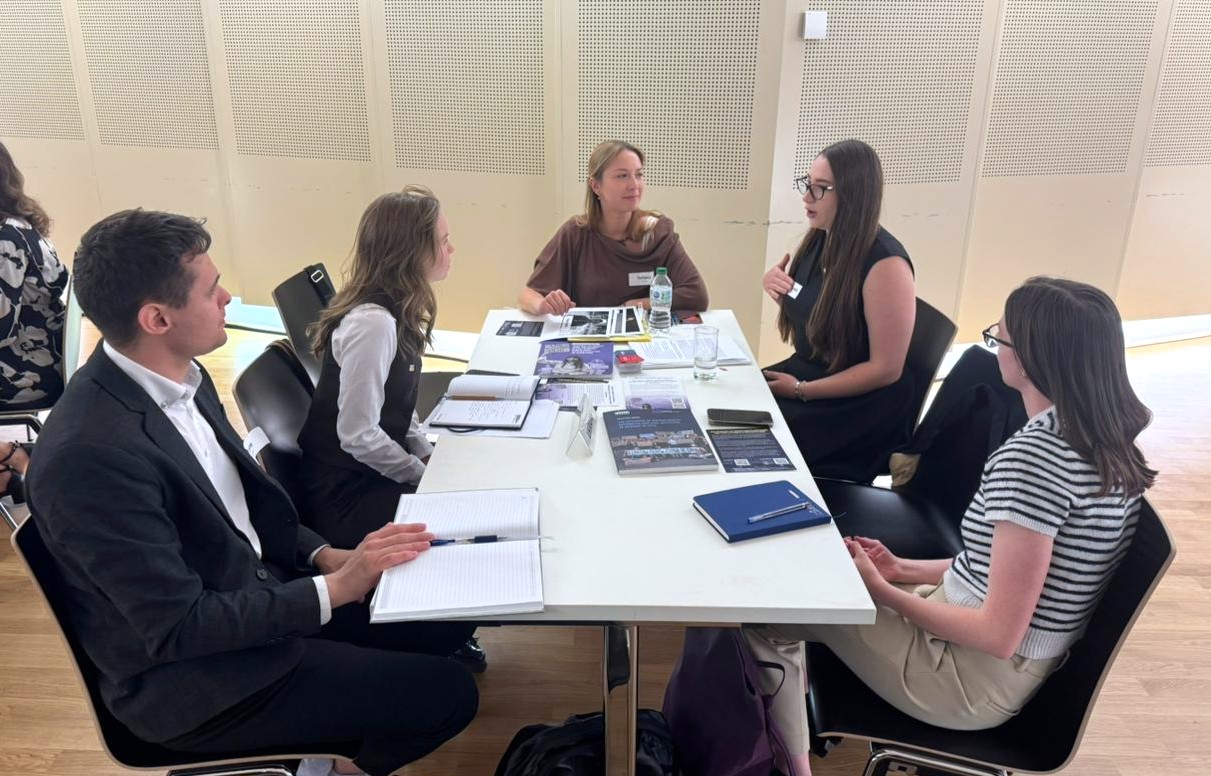
At the same time, Anastasiia Soloviova stressed that despite ongoing risks, civil society in Ukraine continues to operate and respond to emerging challenges. She noted that publicity, international attention and legal support play an important role in protecting activists and, in a number of cases, help prevent the escalation of pressure. At the same time, according to her, ZMINA’s monitoring results demonstrate the need for a systemic approach to protecting civic space at both the national and international levels.
Digital threats as part of the war against civil society
Later that day, on 11 May, the first panel of the OSCE Supplementary Human Dimension Meeting took place, focusing on digital threats. During the discussion, Dave Elseroad, Head of Advocacy at the Human Rights House Foundation, drew attention to the differing nature of digital threats across the OSCE region and specifically referred to the situation in Ukraine, particularly in the occupied territories.
“In the occupied territories of Ukraine, device checks at checkpoints or during searches can expose messages, photos, contacts or evidence of civic activity. Digital traces can directly lead to interrogations, detention or other serious consequences“, he stressed.
Dave Elseroad added that digital risks are not abstract, but are directly transformed into instruments of persecution and control targeting civil society.
In her speech, Tetiana Zhukova stated that digital tools have today become an integral part of the pressure exerted on civil society in the context of the war.
“Ukrainian activists, human rights defenders and journalists suffer not only from targeted Russian attacks, killings, injuries and the destruction of offices, but also from cyberattacks and information operations“, noted ZMINA’s Senior International Advocacy Manager.
She described in detail the methods of digital pressure used against Ukrainian civil society: “These methods include online harassment, disinformation campaigns, reputational attacks, the disclosure of personal data, image manipulation, account hacking and cyberstalking“.
She also noted that ZMINA itself had become a target of digital attacks: “Fake emails were sent on our behalf to various organisations in an attempt to collect sensitive information“.
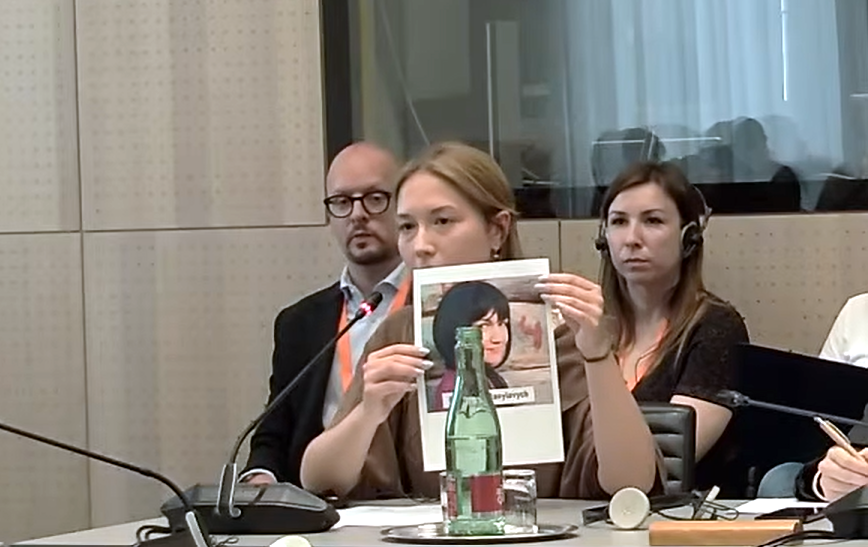
Tetiana Zhukova also referred to the persecution of activists in temporarily occupied Crimea, in particular the unlawful detention and sentencing of citizen journalist Iryna Danylovych, which began with digital attacks and online harassment. She called on the international community to strengthen human rights protection mechanisms, counter digital threats and ensure accountability for crimes committed against civil society.
The Human Rights Centre ZMINA will continue its work within the OSCE framework, with a particular focus on documenting violations, conducting international advocacy and protecting civic space in the context of the armed aggression against Ukraine.
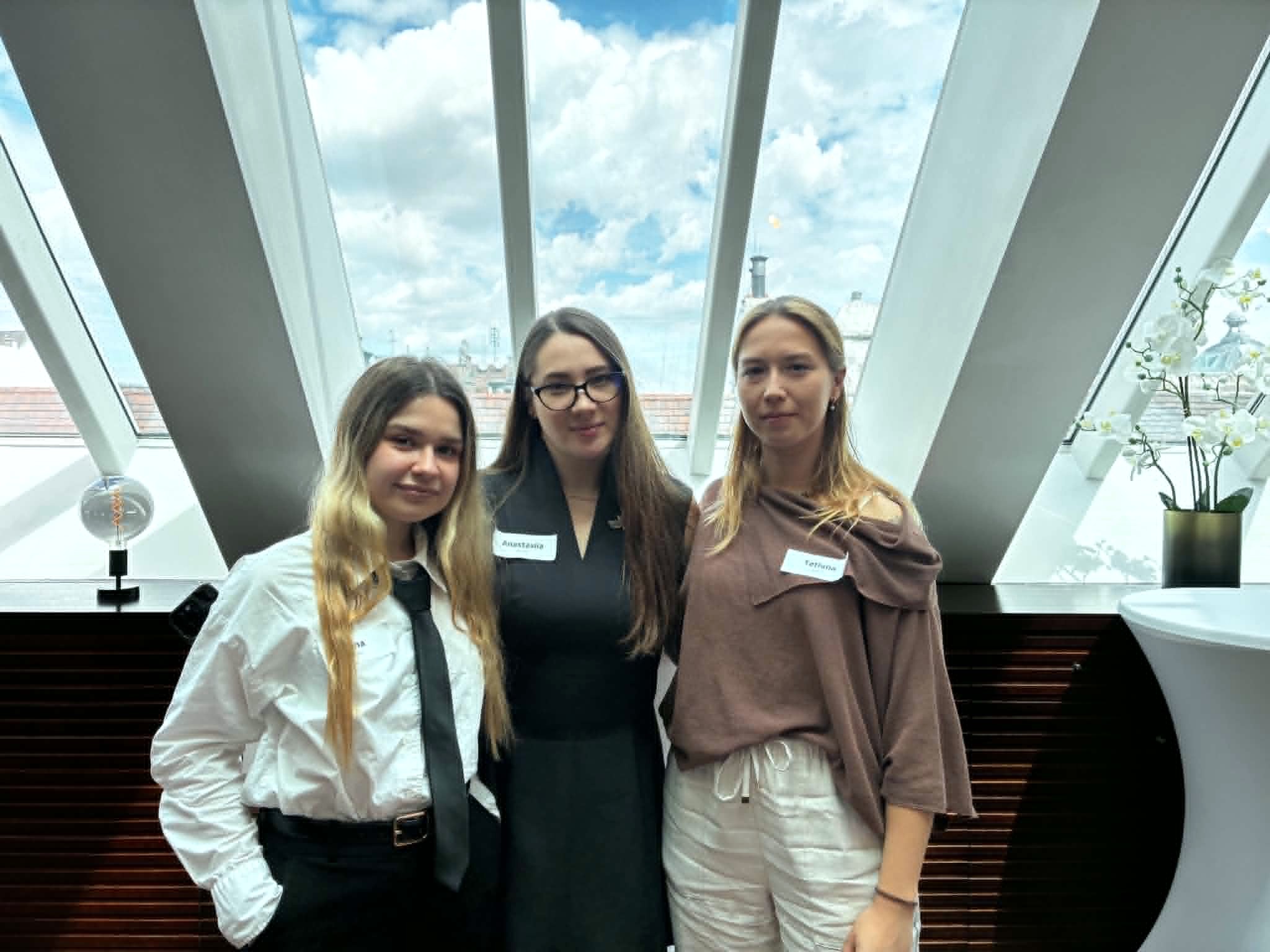 Фото: Анна Людва (Лабораторія цифрової безпеки), Анастасія Соловйова та Тетяна Жукова (ZMINA)
For reference
The OSCE Supplementary Human Dimension Meeting is a thematic conference organised by the Organization for Security and Co-operation in Europe (OSCE). It focuses on specific current issues related to human rights, democracy and the rule of law. The meeting brings together diplomats from OSCE participating States, representatives of international organisations and civil society.