Mass protests, hundreds of pages of amendments – what comes next? Human rights defenders and media professionals call for revisions to the draft Civil Code
On 20 May 2026, a coalition of civil society organisations held a press conference in Mariinskyi Park in Kyiv entitled “Civil Code: Mass Protests, Hundreds of Pages of Amendments – What Comes Next?”, organised by the Human Rights Centre ZMINA. The participants stated that they had prepared hundreds of pages of amendments to the draft new Civil Code of Ukraine, which, in their view, contains systemic risks to human rights and freedoms.
 Photo: Oksana Romaniuk, Oleksandr Demenko, Oleh Maksymiak, Dmytro Kyryliuk, Alena Lunova
Human rights defenders, representatives of the media community, the notarial sector, and LGBT military personnel stressed that the document requires substantial revision before the second reading.
The event moderator, Alena Lunova, Advocacy Director at ZMINA, recalled that the Verkhovna Rada adopted the new version of the Civil Code at first reading less than three weeks after its registration. According to her, such a rapid review of the document did not allow for proper consideration of its content or public input.
“And, in fact, yesterday (19 May – Ed.) was the deadline for submitting proposals to the draft law. And these proposals were submitted“, the Advocacy Director at ZMINA noted.
Oleh Maksymiak, Advocacy Manager at the NGO Fulcrum UA, said that more than 10 civil society organisations working in different areas of human rights protection had contributed to the amendments.
According to him, civil society organisations had submitted their proposals to the first version of the code during closed consultations back in December, but these proposals were ignored.
“At that point, we had produced 75 pages of amendments in nine-point font to this draft code. But media organisations also joined us, including the coalition led by the Institute of Mass Information, and as a result, the table of amendments grew to more than 100 pages“, Maksymiak said.
He noted that the coalition had submitted the amendments to more than 60 MPs, and more than 15 parliamentarians had registered them either in full or in part.
Civil society organisations are also calling for representatives of civil society to be included in the working groups that will revise the code ahead of the second reading.
Among the key problems of the draft, Maksymiak highlighted discriminatory provisions, outdated approaches towards persons with disabilities, the absence of regulation of civil partnerships, and risks to freedom of expression.
“We insist on transitioning from a model of deprivation of legal capacity to a model of supported decision-making, as provided for by the UN Convention on the Rights of Persons with Disabilities. Unfortunately, the current draft of the code still preserves an outdated Soviet model that effectively leaves a person without rights“, stressed the Advocacy Manager at the NGO Fulcrum UA.
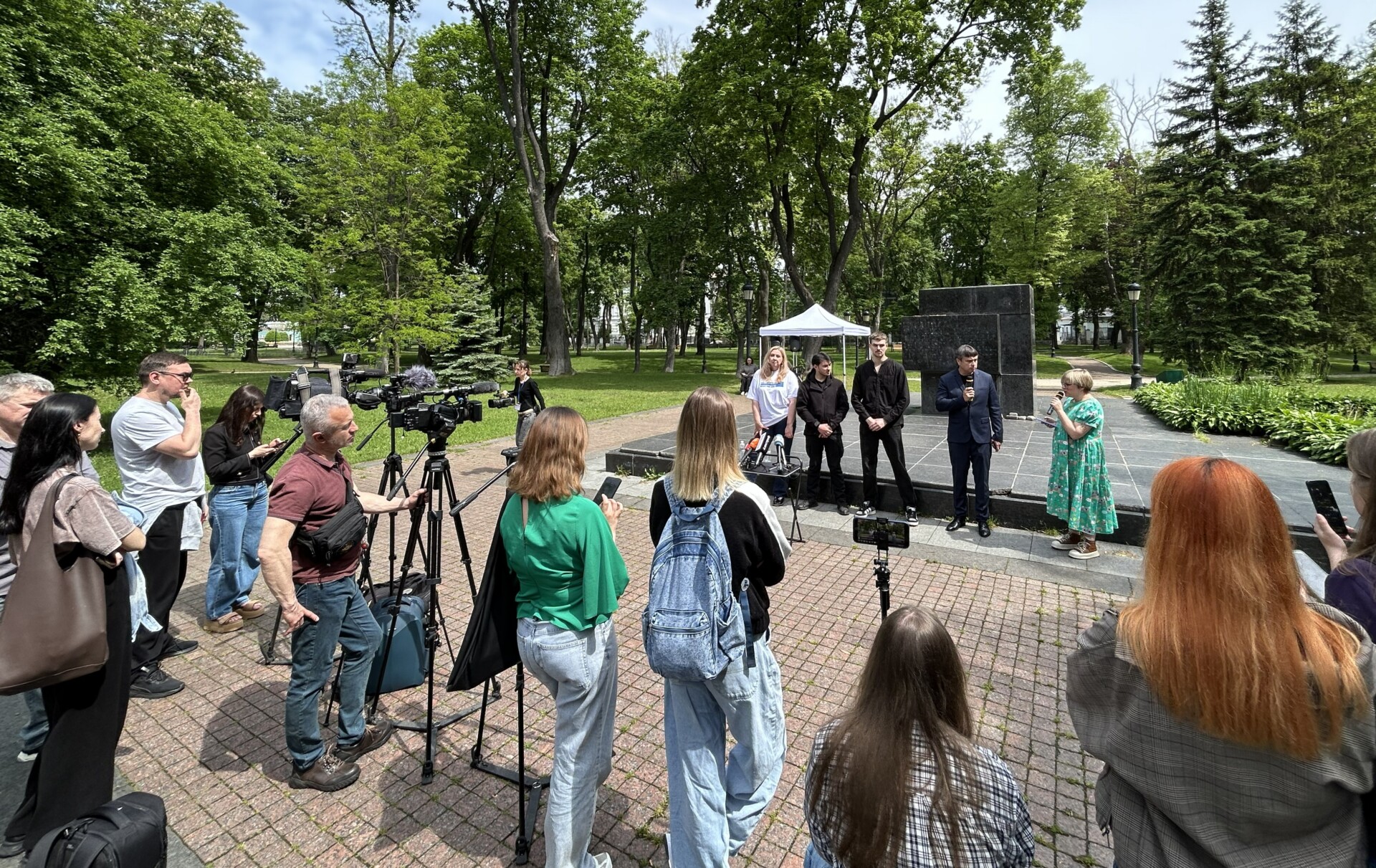
Notary and member of the Notary Chamber Dmytro Kyryliuk stated that the notarial community supports the reform of civil legislation, but warns against rushed and unsystematic changes.
“The Civil Code is a living organism, and an attempt to radically overhaul it without properly taking legal practice into account may lead to legal chaos“, Kyryliuk said.
He drew attention to the risks in the areas of inheritance law, property rights, and state registers. Particular criticism was directed at Article 1917 on notarial reform in Book 9 of the code: “This book introduces the concept of ‘registry priority’: this means that entries in the electronic register will take precedence over other property rights. The risks primarily concern unregistered state and municipal property“.
According to Kyryliuk, without harmonising the new code with land, commercial, and registration legislation, the new provisions could create serious practical problems.
Oleksandr Demenko, Head of the NGO Ukrainian LGBTIQ+ Military and Veterans for Equal Rights and a defender of Mariupol and Azovstal, stated that the draft code not only ignores the rights of LGBT couples, but also creates risks of restricting the rights of military personnel: “I defended Mariupol and Azovstal and survived Russian captivity not so that my freedoms could be restricted by the country for whose freedom I fought“.
He criticised the provisions concerning the so-called digital identity, under which military personnel are proposed to be included among the categories of persons for whom restrictions on the dissemination of information may be imposed.
“Among other things, the new Civil Code effectively legalises discrimination against military personnel online”, stated the Head of the NGO Ukrainian LGBTIQ+ Military and Veterans for Equal Rights.
Demenko also stressed that the current version of the code provides no guarantees for same-sex partners of service members: “Today, if a serviceman or servicewoman is killed on the frontline or sustains a serious injury, their partners have no legal rights whatsoever“.
The organisation is calling for the inclusion in the code of the institution of registered partnerships and a prohibition of discrimination on the grounds of sexual orientation and gender identity.
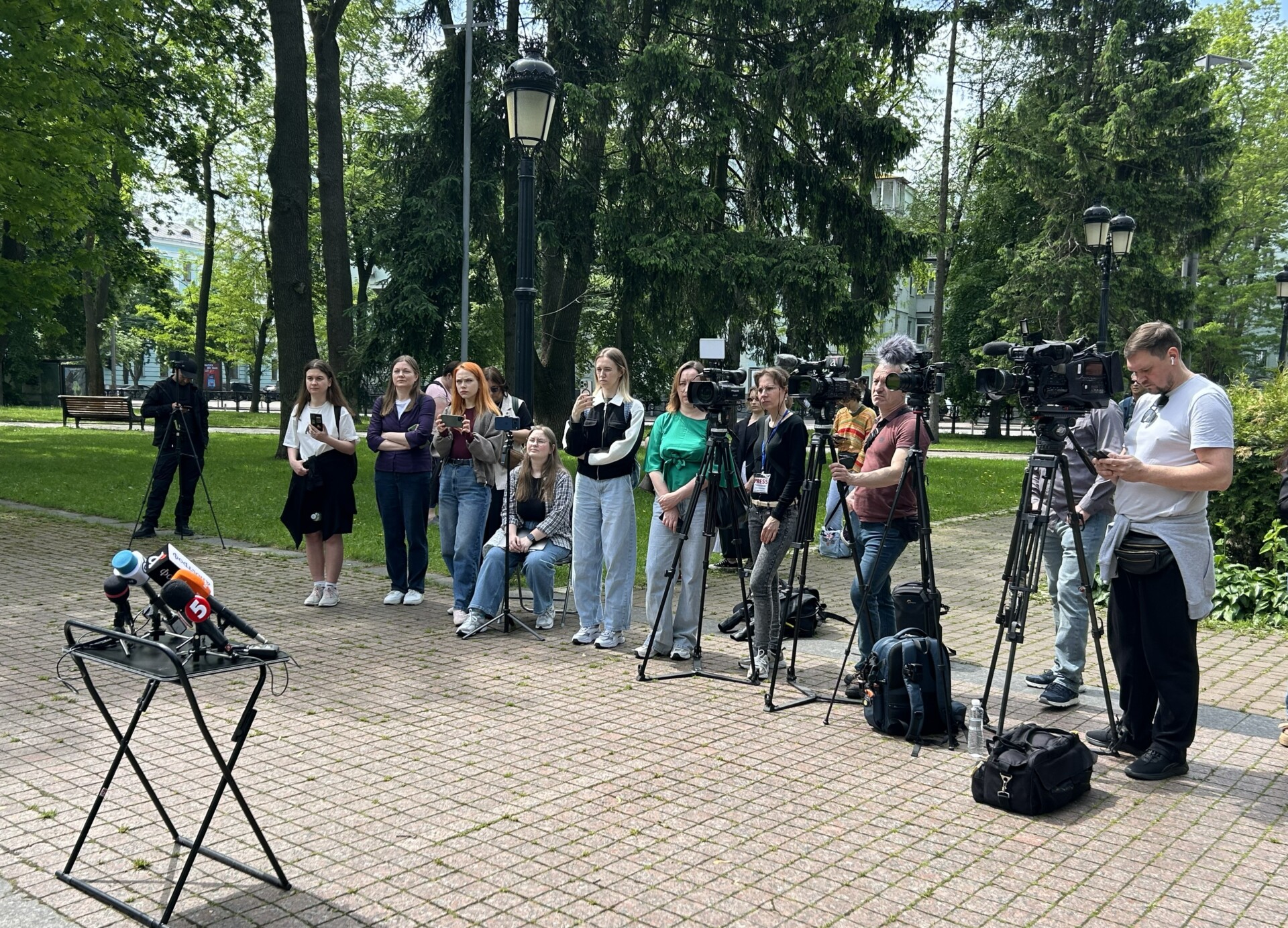
Oksana Romaniuk, Head of NGO Institute of Mass Information, warned about serious risks to freedom of expression and investigative journalism.
According to her, one of the most dangerous provisions is contained in Article 26 of the draft code, which prohibits the dissemination of information about a person without their consent if such information “discredits” them.
“Any information, any journalistic investigation into corruption or the assets of public officials, inevitably discredits that person in the eyes of society“, Romaniuk said.
She warned that if the provision is adopted in its current form, public officials and subjects of anti-corruption investigations will be able to demand the removal of materials or block them through the courts: “We believe this is a direct path to censorship“.
According to Romaniuk, media lawyers and civil society organisations submitted a separate table of amendments aimed at eliminating risks to freedom of expression, access to public information, and the openness of court proceedings.
The participants of the press conference stated that they would continue advocating for their amendments in parliament and insist on an open revision of the draft Civil Code with the participation of civil society.
On 14 May 2026, the Human Rights Centre ZMINA already held a coordination meeting entitled “Good Customs vs Human Rights: What Common Approaches Could Be Used to Advocate for an Adequate Version of the Civil Code of Ukraine?”, which brought together more than 60 participants – human rights defenders, media experts, lawyers, and representatives of civil society organisations. During the meeting, participants discussed the key risks posed by the draft new Civil Code, particularly in the areas of freedom of expression, protection against discrimination, privacy, the rights of children, persons with disabilities, the LGBTQ+ community, and property rights.
The press conference was organised by the Human Rights Centre ZMINA with the financial support of the European Union. Its contents are the sole responsibility of the Human Rights Centre ZMINA and do not necessarily reflect the position of the European Union.