Participants of the international “Crimea Global” conference visited the Chornobyl Exclusion Zone
On 17 October, a delegation of experts from Africa, Asia and Latin America who had travelled to Ukraine to attend the fourth international conference “Crimea Global. Understanding Ukraine through the South” visited the Chornobyl Exclusion Zone.
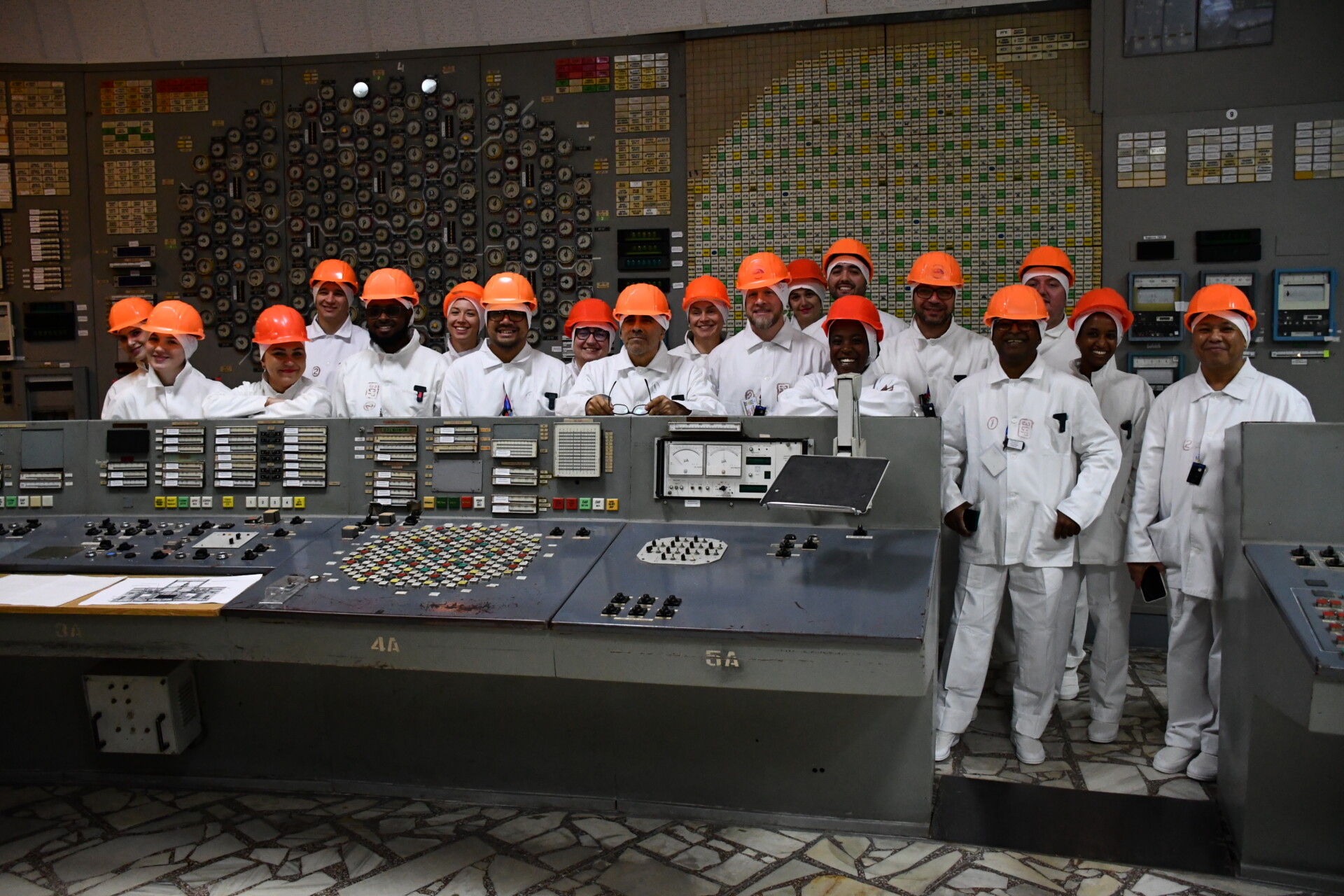
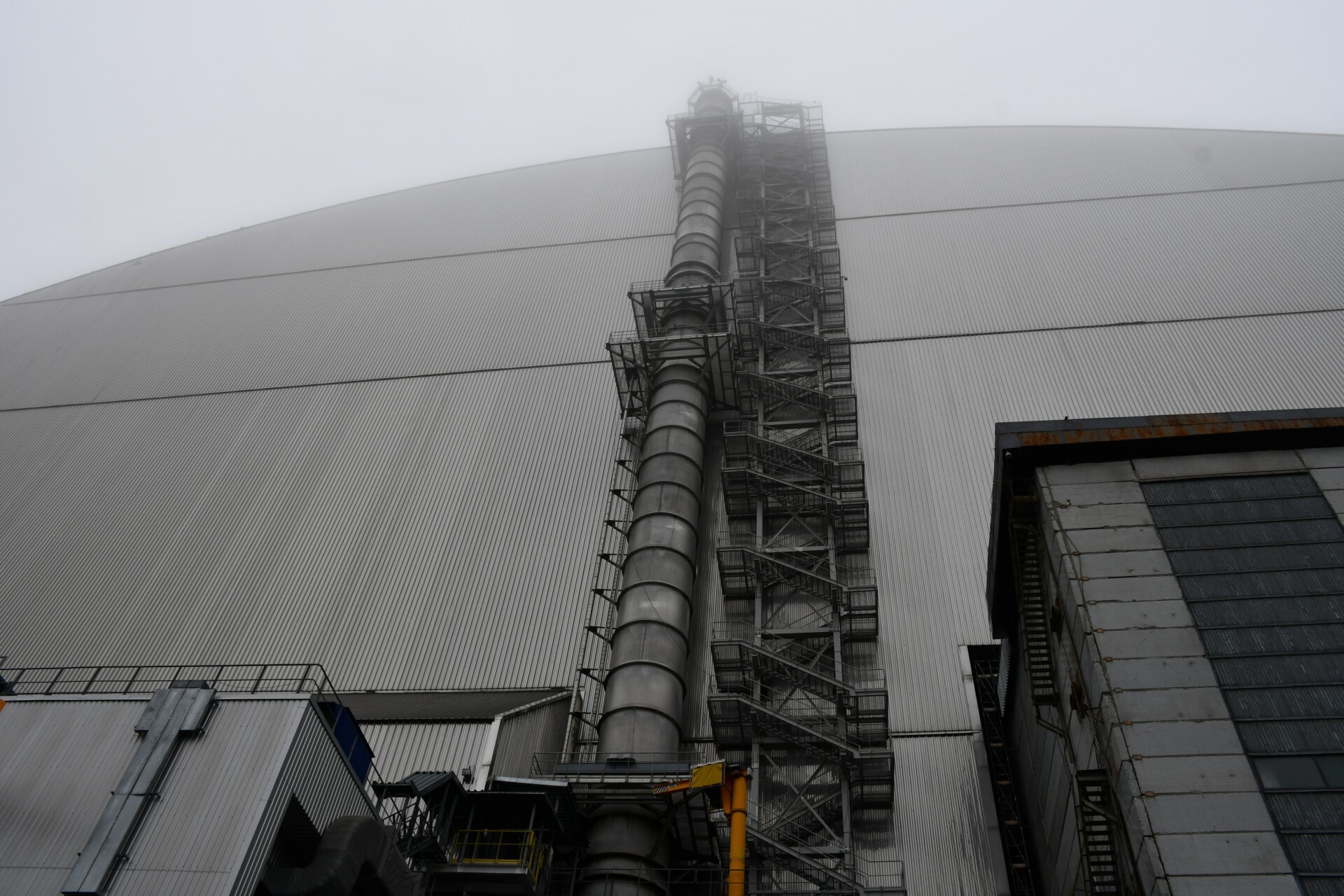
During the visit, the international guests toured the Chornobyl Nuclear Power Plant (ChNPP), where they saw the Shelter Object — a protective enclosure built over the destroyed Unit 4 following the 1986 disaster — as well as the New Safe Confinement, a modern arch-shaped structure designed to provide additional containment of the damaged reactor and protect the environment from the spread of radioactive substances.
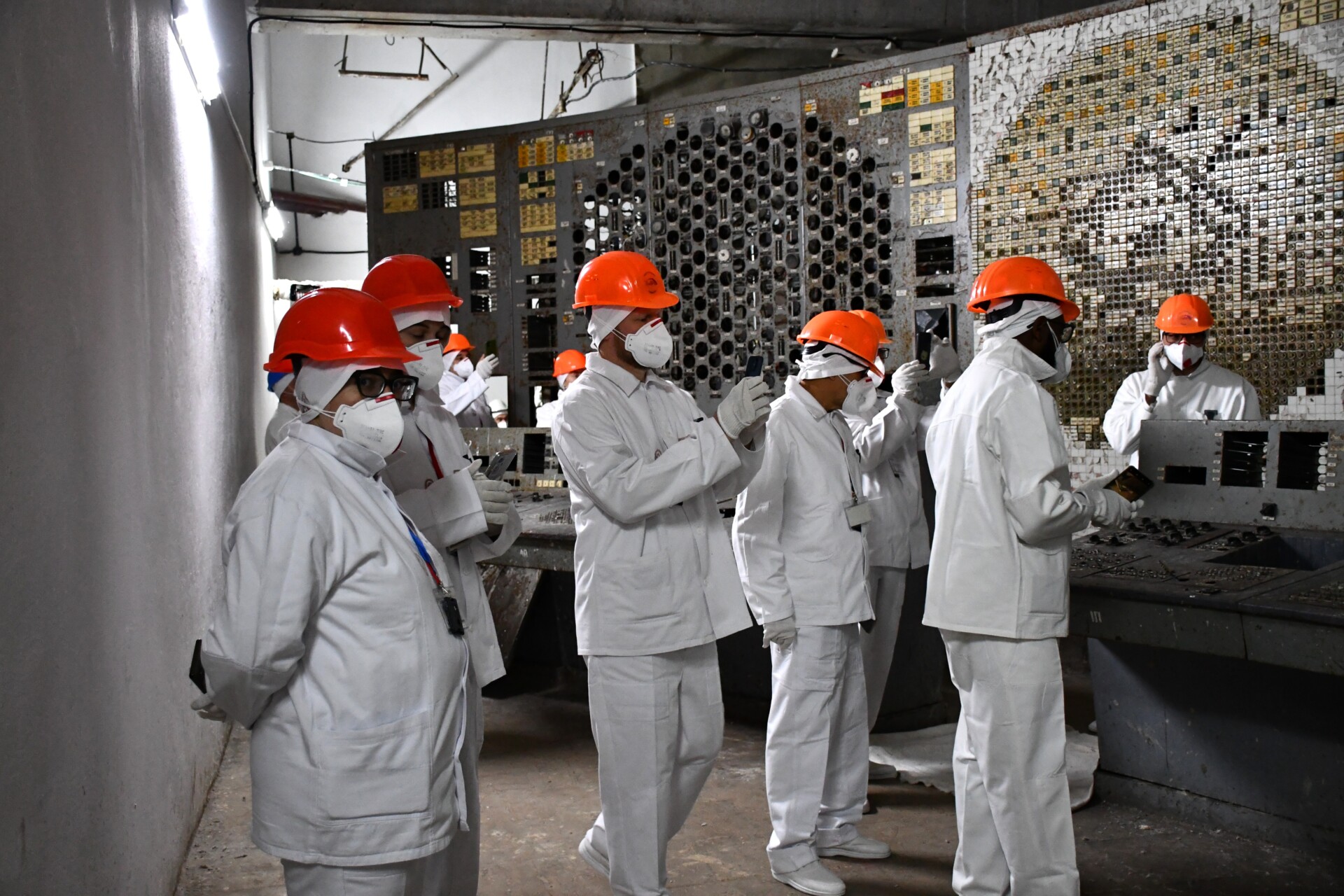
The delegation also learned about the history of the Chornobyl Nuclear Power Plant, the consequences of the 1986 disaster and Russia’s occupation of the plant at the start of its full-scale invasion in 2022.
On 24 February 2022, Russian troops seized the Chornobyl Nuclear Power Plant site. At the time, plant employees and members of the National Guard of Ukraine responsible for guarding the nuclear facility were present. Russian forces held the plant’s staff captive and took the National Guard personnel prisoner when they withdrew in late March. Ukrainian forces regained control of the plant’s industrial site in early April 2022.
During their visit to the Chornobyl Nuclear Power Plant, the participants met a former serviceman who had been stationed there. In February 2022, Russian forces captured him and around 180 other National Guard personnel. He was later released as part of an official prisoner exchange facilitated by the Ukrainian government. He now works at the plant.
Three defenders of the Chornobyl Nuclear Power Plant — a military unit commander, his deputy and a contract serviceman — remain in Russian captivity. The former serviceman urged the delegation to help secure the release of the plant’s defenders and all civilian detainees and prisoners of war subjected to severe torture and inhuman treatment in Russian captivity.
“In 2022, following the full-scale invasion, we witnessed an act of nuclear terrorism committed by a state for the first time in world history. Russia flagrantly violated all international norms. At the same time, it spreads lies about what happens in captivity. Ukrainian servicemen held in Russian captivity are subjected to torture, beatings, electric shocks and other forms of abuse. I want the world to know the truth about this. The Ukrainian state is doing everything possible to bring our captives home. The President, the government and the Coordination Headquarters for the Treatment of Prisoners of War are working systematically towards this goal. I also want to appeal to you as representatives of the international community: if you have the opportunity, through your governments, human rights and international organisations, or the media, please help secure the release of Ukrainians unlawfully held in Russian captivity,” the plant employee told the international guests.
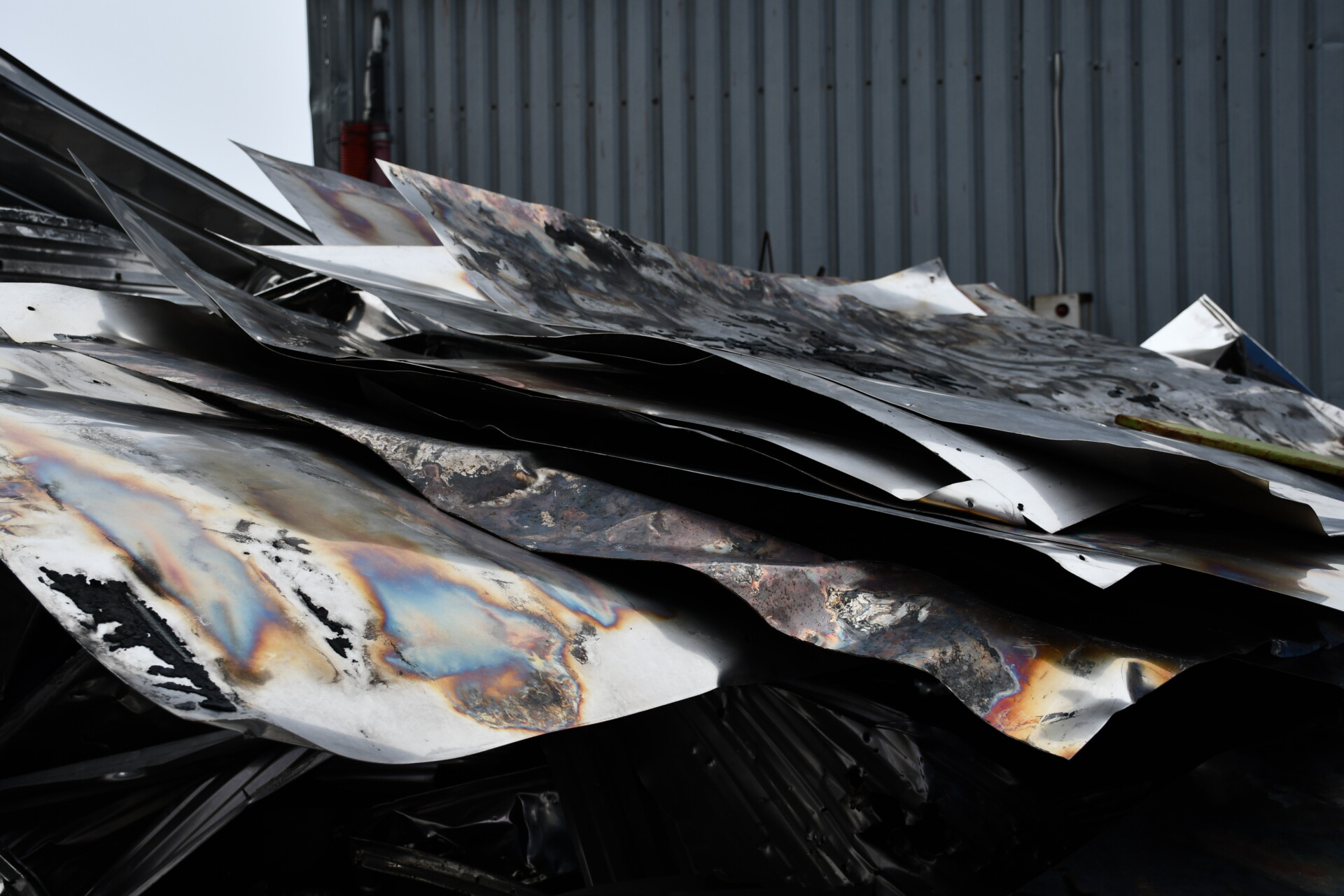
During their visit to the Chornobyl Nuclear Power Plant, particular attention was paid to the consequences of the Russian attack on the new protective arch. On the night of 13–14 February 2025, a Russian Geran-2 attack drone struck the structure. The strike damaged its outer shell and internal sealing structures and caused a fire. As a result, the arch can no longer fully function as an airtight barrier to contain radioactive substances. According to plant staff, €500 million is needed to restore the structure.
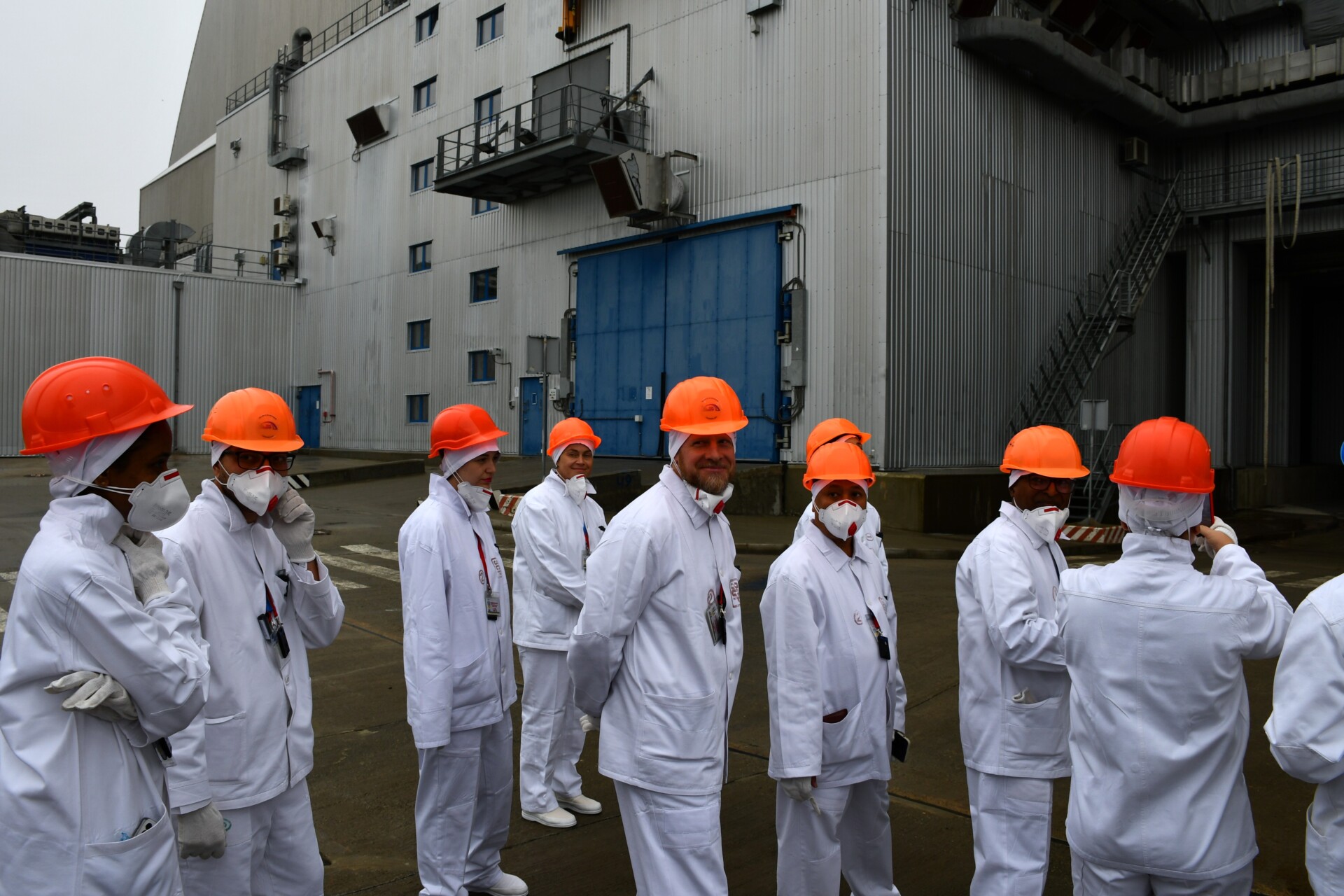
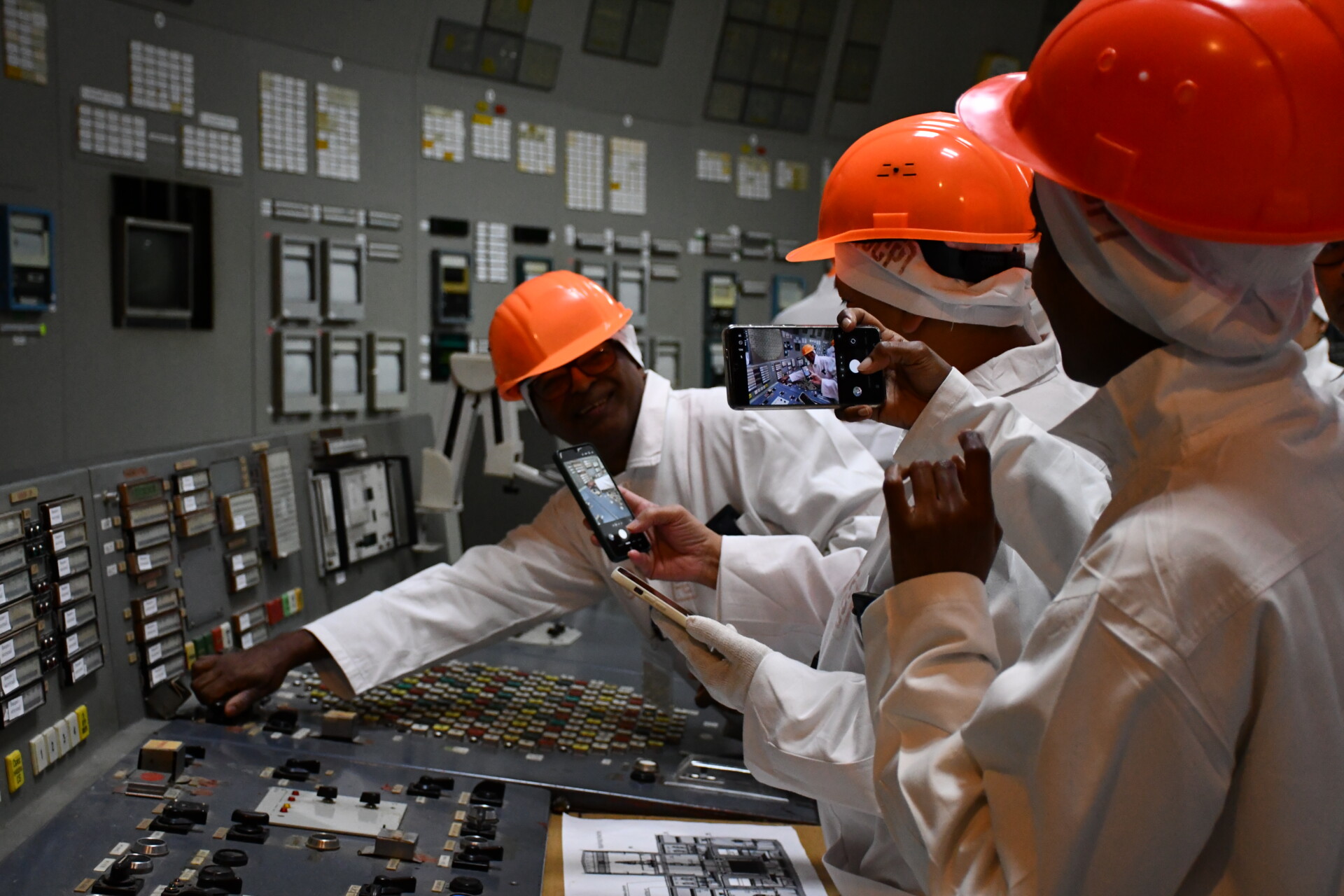
The participants shared their impressions of the visit. Kenyan journalist Paul King’ori Wangechi said that visiting the Chornobyl Exclusion Zone had helped him gain a deeper sense of the history of a place he had previously only read about.
“As I walked through these corridors, I felt as though I were one of the people who had worked here. The story we heard was a deeply human one, and the tour helped me truly feel and understand what people had gone through,” Paul said, adding that he would like to return to Ukraine as a tourist to visit other places.
Egyptian representative Mohamed Lotfy emphasised that the Chornobyl disaster was a global tragedy that occurred on Ukrainian soil during the Soviet era. He noted that Ukrainians had managed to overcome the consequences of the disaster and were now once again dealing with the aftermath of another tragedy – Russia’s invasion of Ukraine.
“I hope the Ukrainian people will once again demonstrate their strength,” Mohamed Lotfy said.
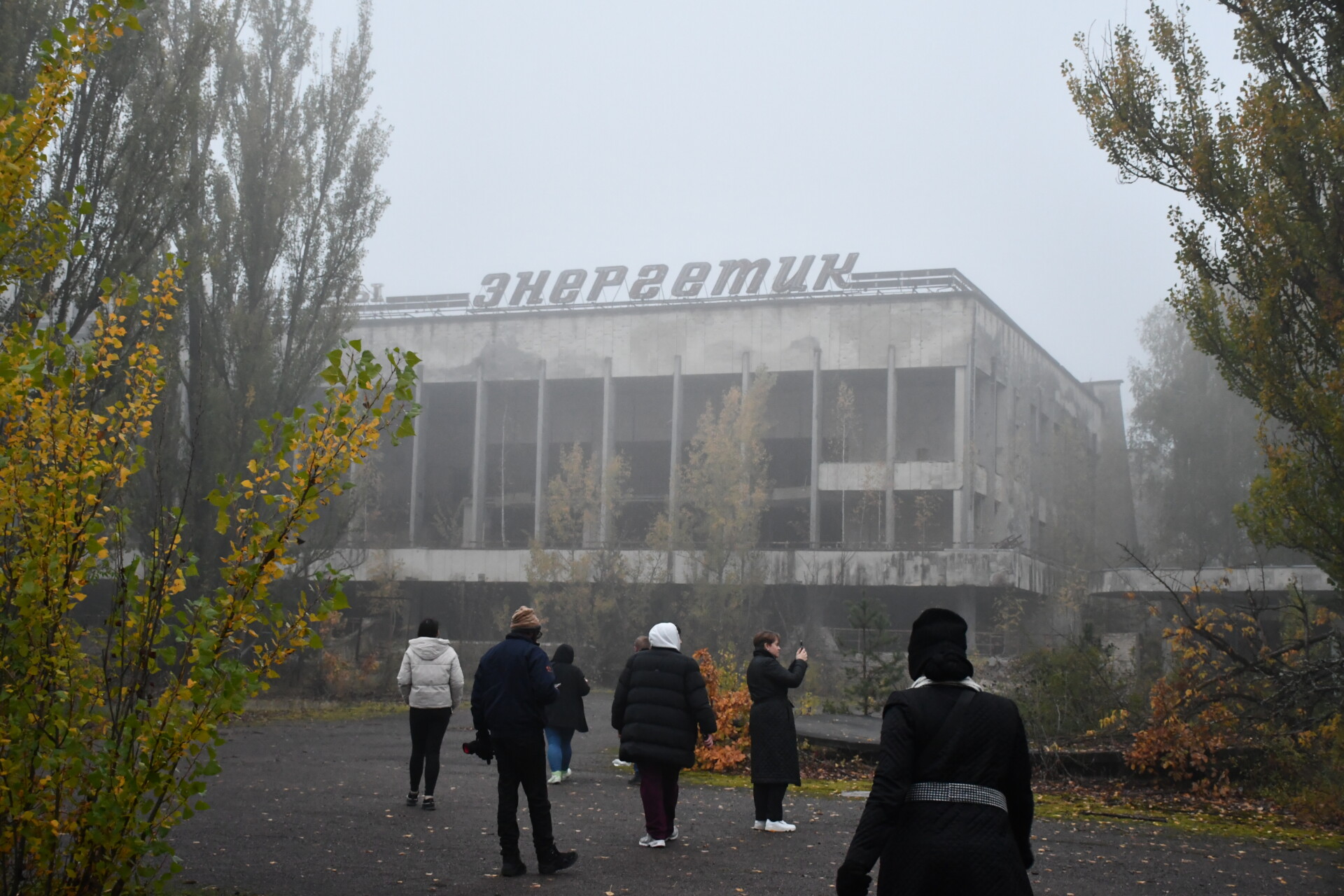
The delegation also visited the ghost town of Prypiat, abandoned after the Chornobyl nuclear disaster. After concealing information about the disaster for several days, the Soviet authorities announced a temporary “three-day” evacuation on 27 April 1986. Within just a few hours, around 45,000 people left their homes, never to return.
We sincerely thank the State Exclusion Zone Management Agency and the State Specialised Enterprise “Chornobyl NPP” for the opportunity to learn about the history of the Chornobyl Exclusion Zone, the consequences of the disaster and the experience gained in dealing with its aftermath.
The visit to the Chornobyl Exclusion Zone was part of the programme of activities organised alongside the international conference “Crimea Global. Understanding Ukraine through the South”, aimed at deepening dialogue between Ukraine and countries in Africa, Asia and Latin America, discussing the consequences of Russian aggression, including the occupation of Crimea, and strengthening international solidarity with Ukraine.
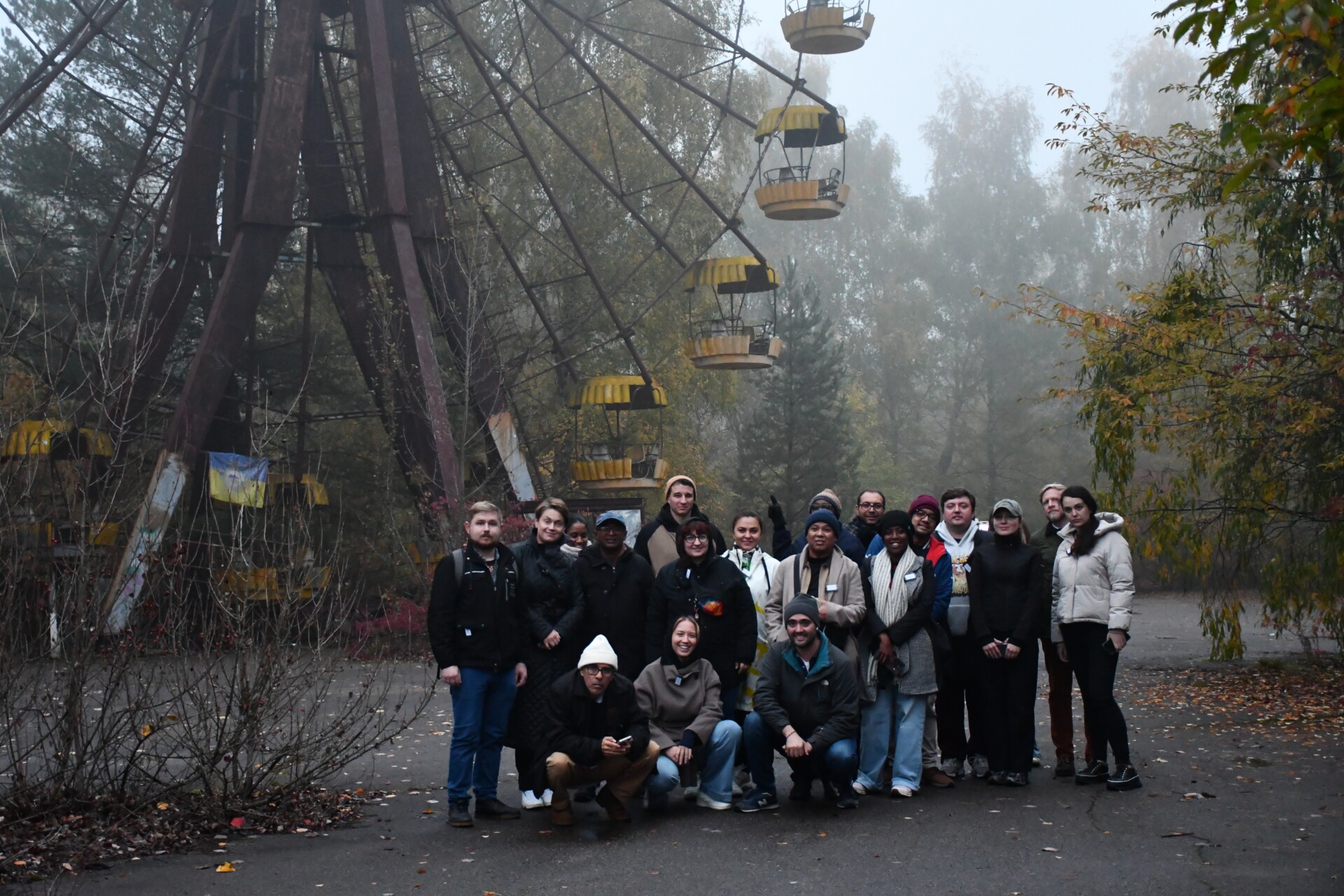
Earlier, on 15–16 October, the “Crimea Global” delegation visited Lviv and Kyiv as part of their trip to Ukraine.
In Lviv, the international guests paid tribute to fallen Ukrainian defenders at the Field of Honorary Burials at Lychakiv Cemetery, visited the UNBROKEN rehabilitation centre, learned about the city’s experience in creating an accessible environment and met with city officials.
In Kyiv, the delegation visited Saint Sophia Cathedral, saw civilian facilities destroyed or damaged by Russian attacks and learned about the work of rescue workers from the State Emergency Service of Ukraine.
For more information about Crimea Global’s work in previous years and the latest updates, visit the official conference website: https://www.crimea-global.com/
Organisers: Mission of the President of Ukraine in the Autonomous Republic of Crimea / Office of the Crimea Platform, the Human Rights Centre ZMINA, the Media Initiative for Human Rights.
Partners: Ministry of Foreign Affairs of Ukraine, Ukrainian Institute, Transatlantic Dialogue Center.
The event was organised with the support of: International Renaissance Foundation, Askold and Dir Fund, administered by ISAR Ednannia with funding from Norway and Sweden, Hanns Seidel Foundation, Forum 2000 Foundation, and the Czech organisation People in Need as part of the SOS Ukraine initiative.