Thousands of people may lose their chance to access housing: civil society organisations and hundreds of displaced people call on the government to halt the merger of Derzhmolodzhytlo and Ukrfinzhytlo
A coalition of organisations dealing with the protection of the rights of victims of armed aggression against Ukraine warns that the planned merger of Derzhmolodzhytlo and Ukrfinzhytlo could jeopardise access to affordable housing loan programmes for thousands of internally displaced persons (IDPs), veterans, young people and other vulnerable groups.
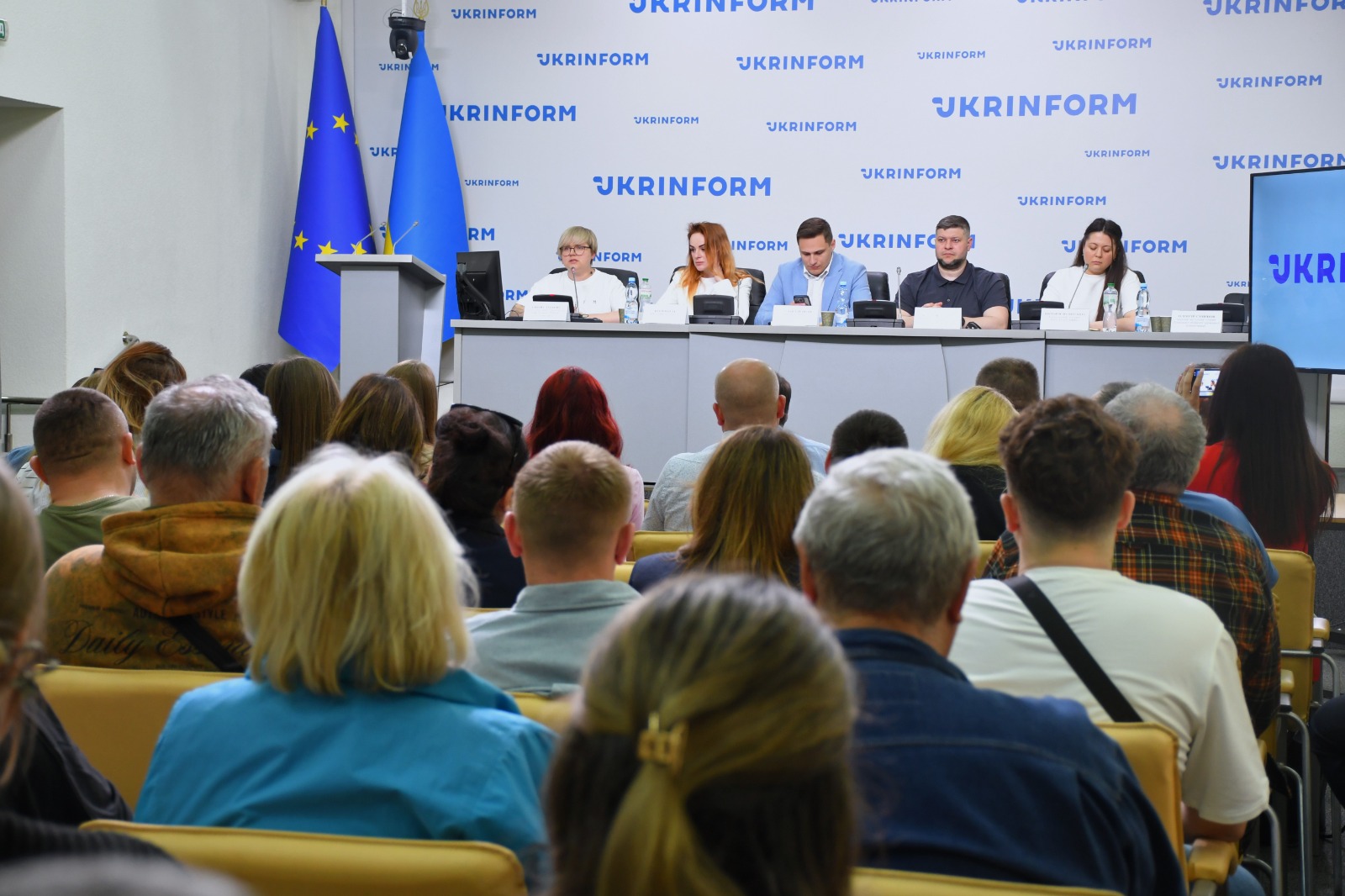
On 6 May 2026, representatives of the coalition held a press conference at the Ukrinform news agency, where they outlined the key risks associated with the decision and called on the government to abandon the reorganisation.
The participants included Kseniia Hedz, Advocacy Coordinator at the Right to Protection Charitable Fund; Viktoriia Zolotukhina, Executive Director of the “Civil Holding “GROUP OF INFLUENCE”; Yaroslav Taranets, Senior Lawyer at CF East SOS and member of the Council for Internally Displaced Persons under the Kyiv City Military Administration (KCMA); Serhii Karelin, civic activist and internally displaced person; and Oleksii Smyrnov, First Deputy Head of the Luhansk Regional State Administration (online).
Moderator: Alena Lunova, Advocacy Director at the Human Rights Centre ZMINA.
According to civil society representatives, this is not a matter of technical “optimisation”, but a decision that could have far-reaching social, legal and international consequences.
Derzhmolodzhytlo is a non-profit state institution implementing socially oriented housing programmes, including those for internally displaced persons. Ukrfinzhytlo, by contrast, operates as a commercial structure through banking mechanisms and relies on market-based approaches. According to experts and human rights defenders, merging such fundamentally different models could result in the effective dismantling of preferential housing programmes.
Viktoriia Zolotukhina stressed that Derzhmolodzhytlo is effectively the only efficient instrument for providing housing to economically active internally displaced persons: “This is confirmed not by assumptions, but by data. According to the impact assessment of the preferential mortgage programme conducted in 2025 with the support of a Council of Europe project, 92% of borrowers reported improved housing conditions, 93% noted improvements in their emotional well-being, and 77% said they had gained the ability to plan for the future. At the same time, the programme also influences people’s strategic decisions: 21% changed their minds about returning to their previous place of residence, and 18% decided against moving abroad. Institutions like this should be strengthened and developed, not drawn into reorganisation processes that create additional risks for people and undermine trust in existing programmes and in the state itself“.
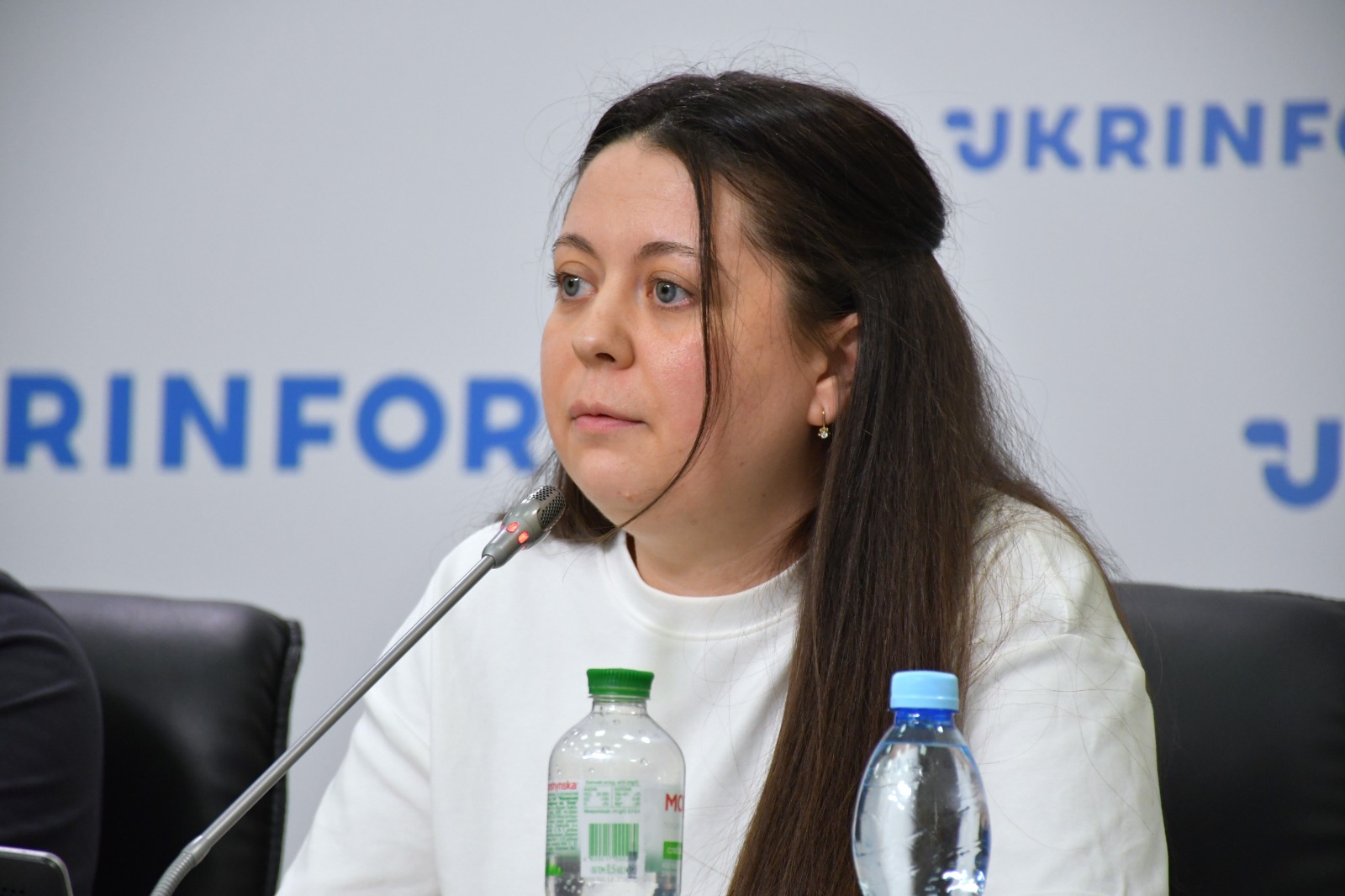 Photo: Viktoriia Zolotukhina
Human rights defenders stress that the “Housing for IDPs” programme has already proven its effectiveness and is being implemented with the support of international partners, including the Government of Germany, the Council of Europe Development Bank, the International Organization for Migration and other donors. Changing the legal model without coordination with international partners creates risks of suspended or lost funding and undermines trust in Ukraine as a reliable partner in implementing social programmes.
Yaroslav Taranets noted that housing support for IDPs is already being implemented through a combination of state, international and local programmes. However, the existing solutions developed for economically active displaced persons remain vulnerable and risk being discontinued.
“In addition to the national programme implemented by Derzhmolodzhytlo together with international partners, Ukraine currently has 65 local programmes operating in cooperation with local communities and regional military administrations. This demonstrates that local authorities are becoming engaged, looking for solutions and helping people obtain housing. The Council on IDPs under the Kyiv City Military Administration, together with Derzhmolodzhytlo, developed its own mortgage lending programme and had effectively reached the final stage of its preparation. However, today this programme is also under threat. State support for IDPs has narrowed significantly and is now provided primarily to vulnerable groups among the displaced population. At the same time, economically active displaced persons who work conscientiously and pay taxes often receive no support at all. Preferential mortgages remain one of the few instruments that give such displaced persons a real opportunity to obtain housing. And it is precisely this opportunity that may now be lost“, Yaroslav Taranets noted.
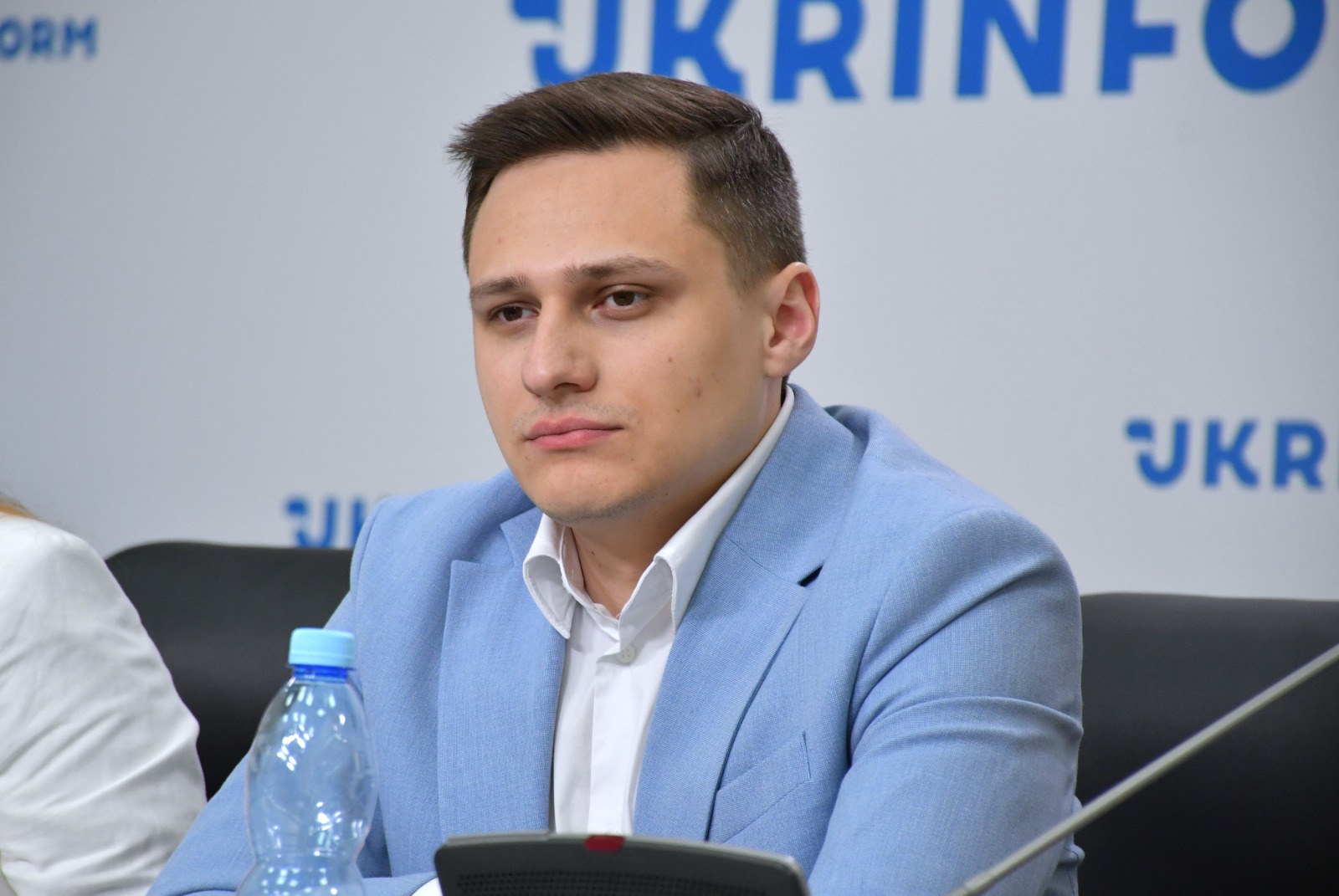 Photo: Yaroslav Taranets
The coalition also warns that if housing support programmes are shifted to an exclusively banking-based model, this will lead to stricter borrower requirements and reduce access to housing for those who need it most.
Kseniia Hedz stressed that the proposed merger carries multi-layered consequences – from legal and budgetary to international – and could destabilise the existing housing support system, particularly amid the large-scale housing crisis caused by the war: “The decision to merge the non-profit Derzhmolodzhytlo with the commercial Ukrfinzhytlo simultaneously creates numerous risks – legal, budgetary, institutional and international. Such a decision lacks a proper regulatory basis, contradicts the logic of the distribution of powers between executive authorities, jeopardises commitments to international partners, threatens funding for national and local housing programmes, and will inevitably lead to the destabilisation of mechanisms that are already functioning“.
In the expert’s view, such decisions are particularly dangerous in the context of a prolonged war and the mass destruction of housing stock, when millions of people have already lost access to housing.
“As of the end of 2025, nearly 14% of Ukraine’s housing stock had been damaged or destroyed, housing for more than 3 million households had been destroyed or damaged, and housing recovery needs are estimated at nearly USD 90 billion. Under these circumstances, the government has no right to experiment with people’s basic needs and the right to housing guaranteed by the Constitution of Ukraine by introducing decisions detached from the existing housing support architecture“, Kseniia Hedz stressed.
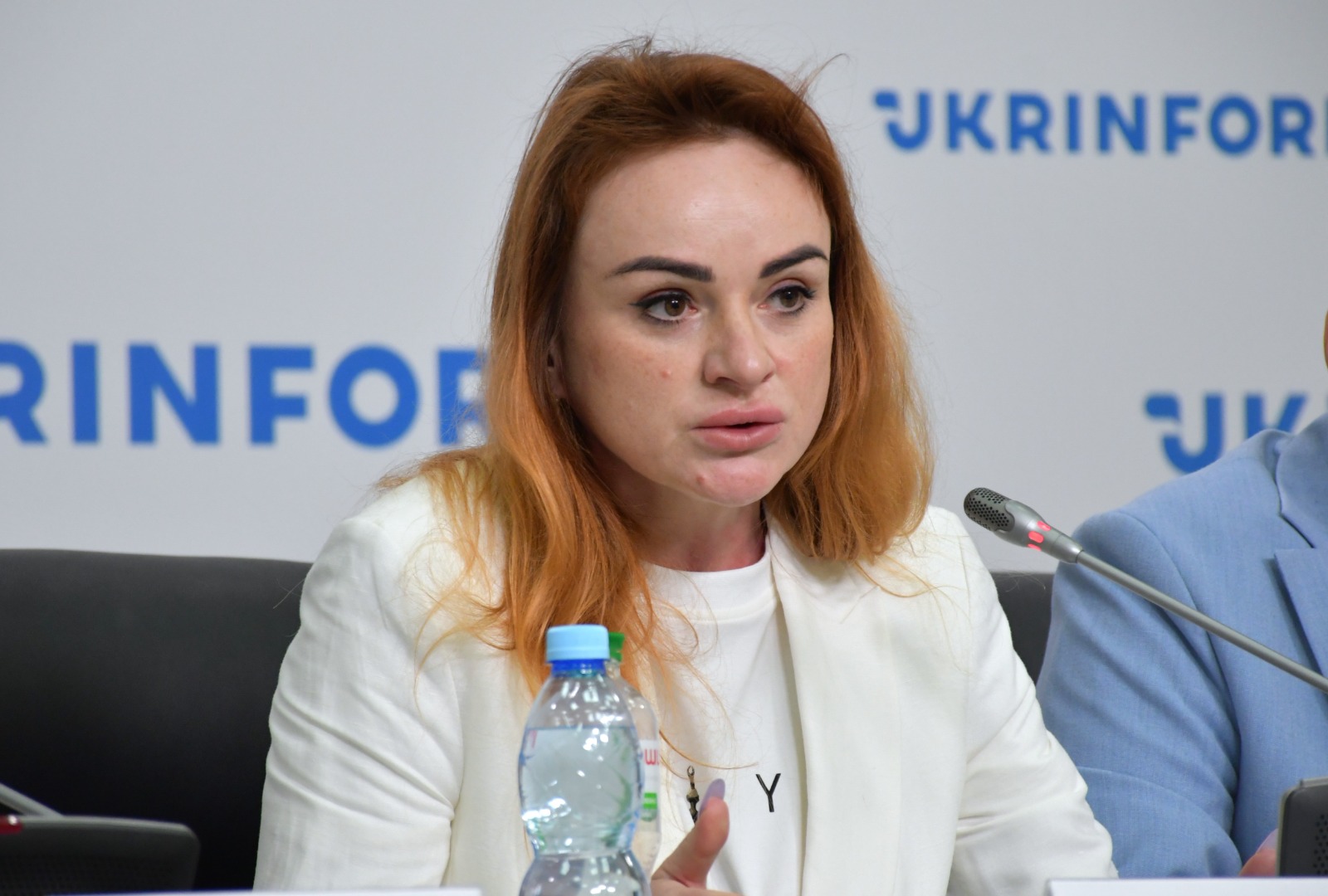 Photo: Kseniia Hedz
Of particular concern is the risk that the needs of IDPs may lose their priority status. Representatives of civil society organisations note that, in the event of a merger, specialised programmes could become diluted among other funding priorities.
Serhii Karelin, who himself experienced internal displacement after the start of the war in 2014, stressed that preferential housing programmes remain for many IDPs virtually the only real opportunity to obtain housing of their own and regain a sense of stability and home.
“Apart from preferential loans, there is effectively no other opportunity for IDPs to obtain housing of their own. Our family is no exception, and if it had not been for the fair programme provided by Derzhmolodzhytlo, we would still be living in rented accommodation – without a sense of ownership, the ability to build our own well-being, or a feeling of home“, Serhii Karelin shared.
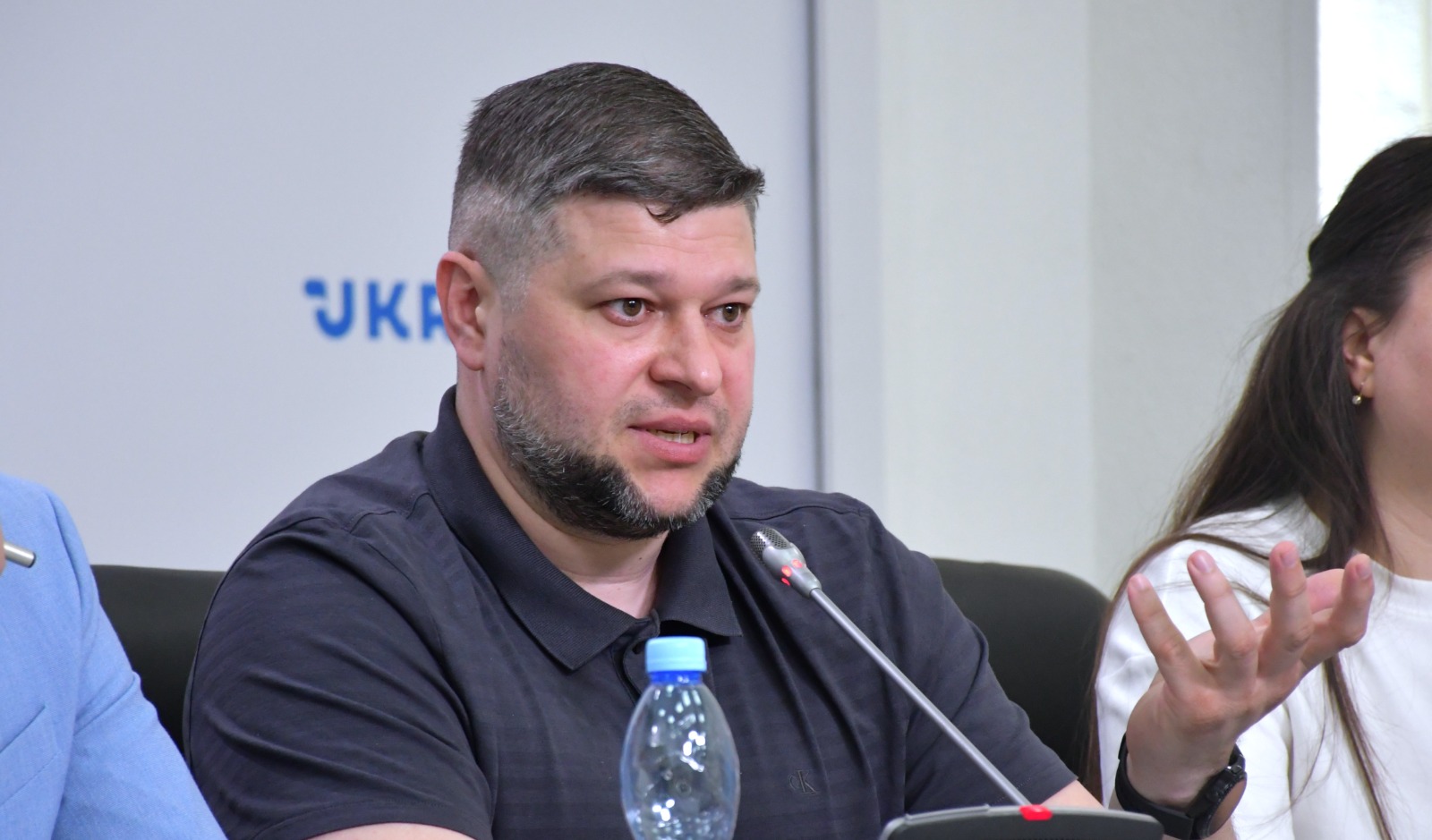 Photo: Serhii Karelin
He also warned that the reorganisation of effective institutions could have long-term consequences for people who already depend on housing programmes today.
“It is very easy to merge or separate state bodies and institutions through political decisions, but it is much harder afterwards to preserve institutional memory and the effectiveness of such organisations. Over all the years these programmes for IDPs have been operating, I have not heard a single bad word about Derzhmolodzhytlo, and this deserves great respect and, most importantly, trust. All of this can be lost with the stroke of a pen and lead to consequences that will be impossible to manage. My proposal is simple: do not break what is working well“, Serhii Karelin urged.
Oleksii Smyrnov drew attention to the importance of preserving the current model for administering housing programmes at the regional and community levels, stressing the risks that any change could pose to already operational support mechanisms: “Under the housing loan programmes of the Luhansk region, Derzhmolodzhytlo has been designated as the administrator responsible for selecting candidates, concluding loan agreements and overseeing their implementation. In 2026, the programmes are being implemented both at the regional and local levels, where communities have already introduced the relevant mechanisms. Replacing the administrator would be inappropriate, as it creates risks of programme disruption, loss of control over budget funds and failure to fulfil obligations towards IDPs“.
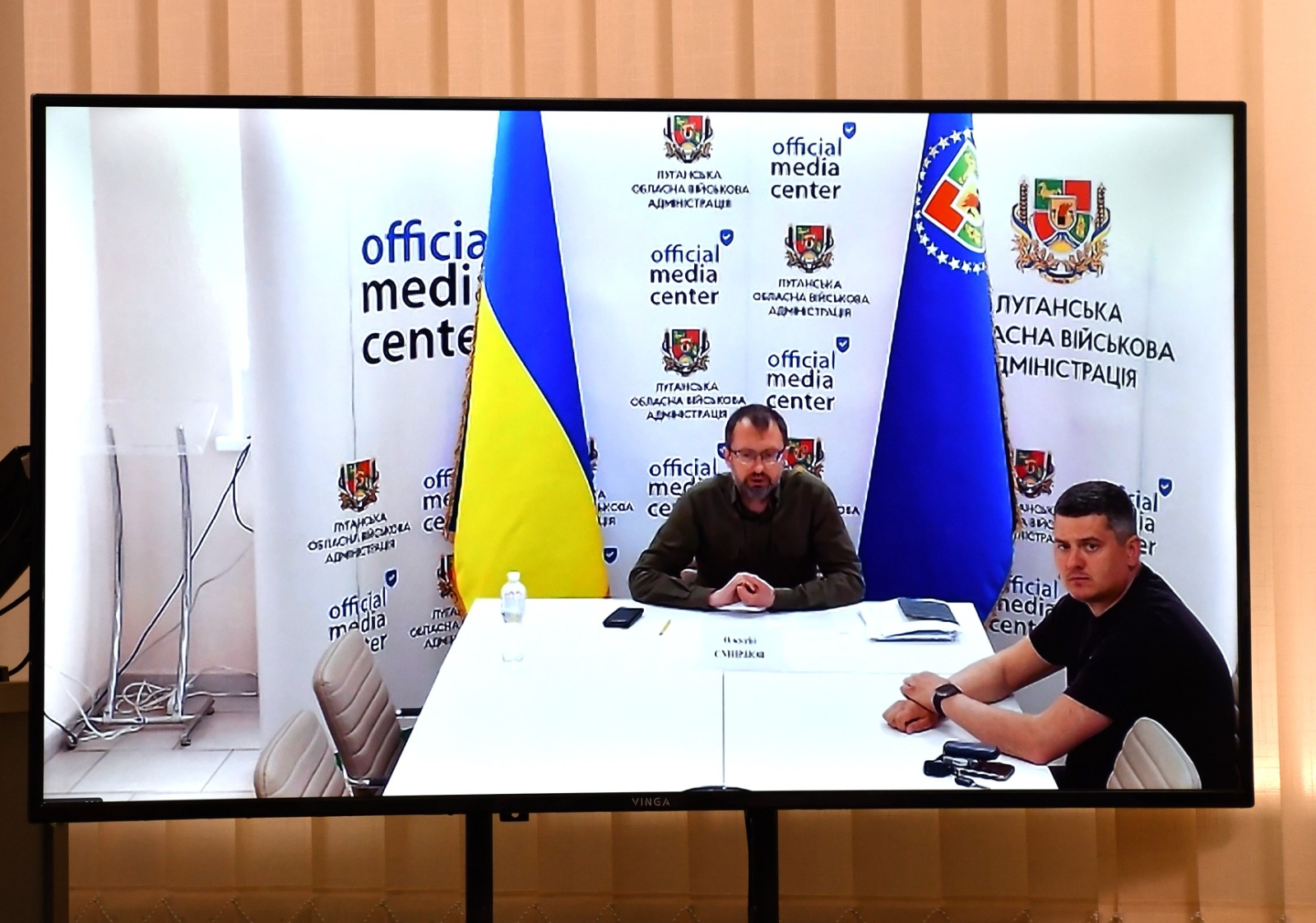 Photo: Oleksii Smyrnov
Human rights defenders and experts stress that the reorganisation process itself could significantly disrupt the functioning of existing programmes for an extended period due to the transfer of assets, changes in procedures, documentation and internal systems.
The coalition of civil society organisations has appealed to Prime Minister of Ukraine Yuliia Svyrydenko to halt the merger process and take into account the concerns raised by experts, donors and the public. Coalition members stress that the state should strengthen social housing support mechanisms rather than endanger existing programmes that remain for many families the only chance to obtain housing of their own.
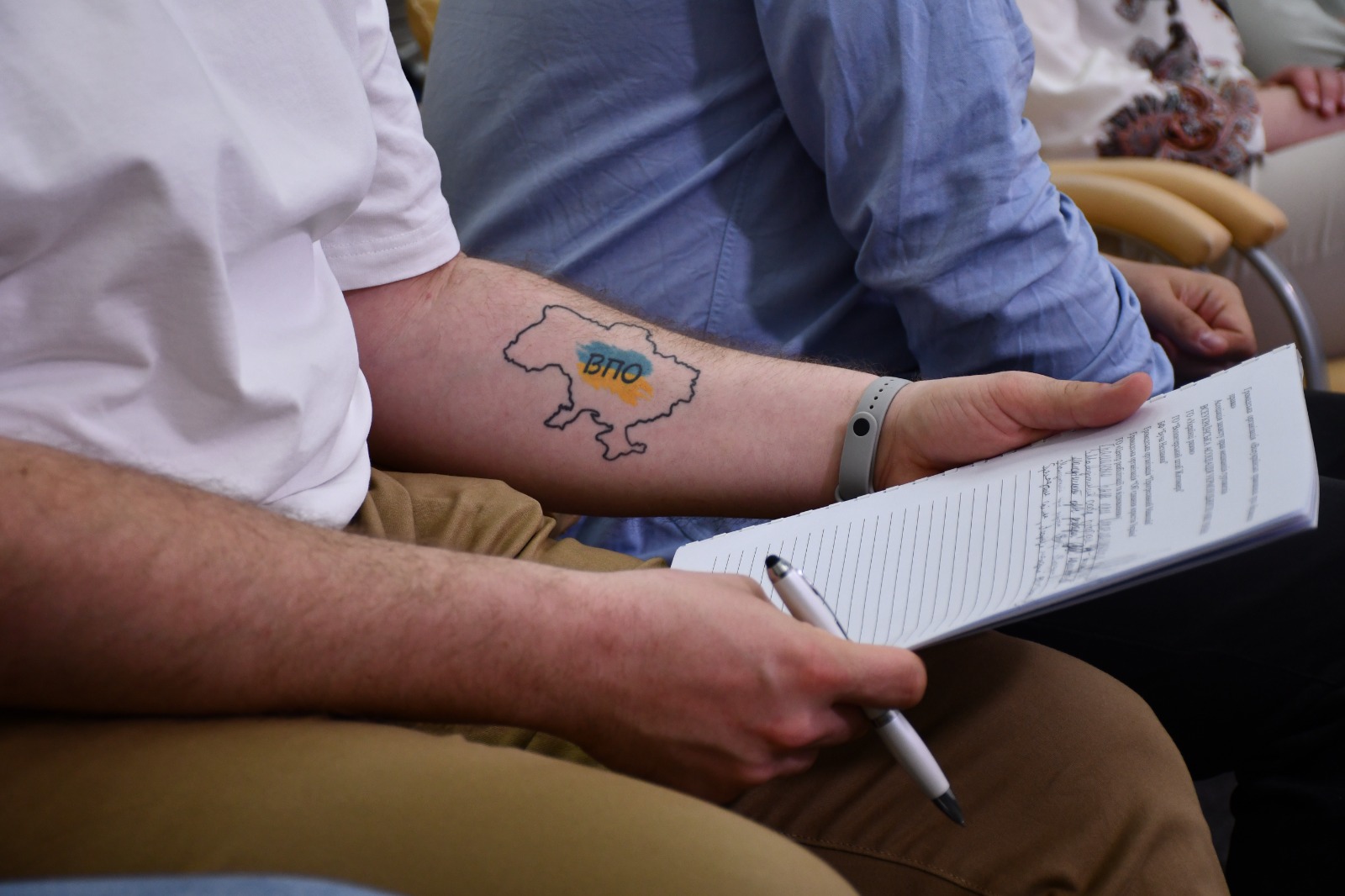
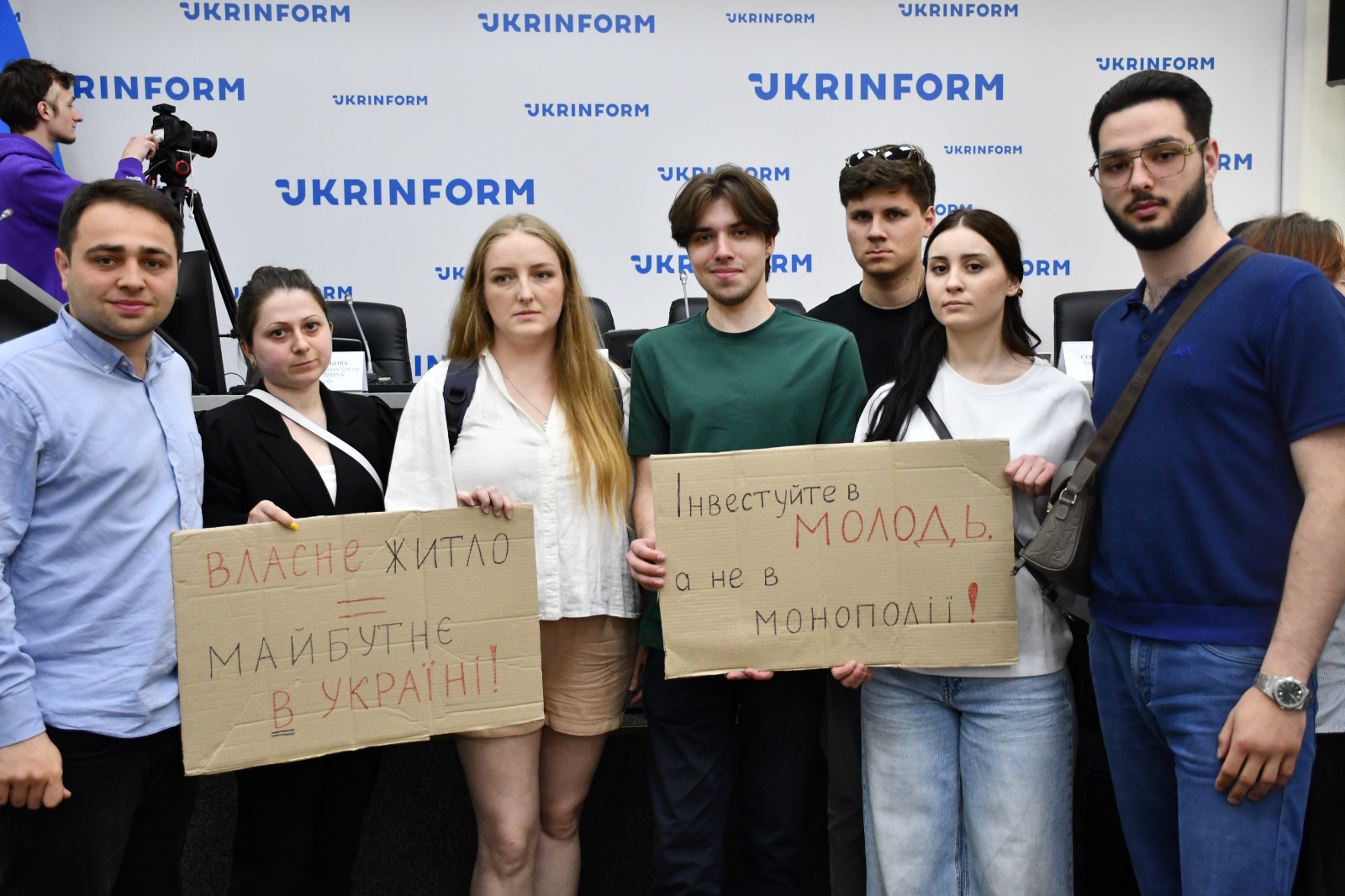
Support for the coalition’s statement was also expressed directly by those most affected by the decision: more than one hundred people attended the press conference, including internally displaced persons currently waiting for access to housing. They joined the event to personally support the coalition’s appeal and publicly urge the government not to adopt a decision that could undermine access to preferential housing programmes.
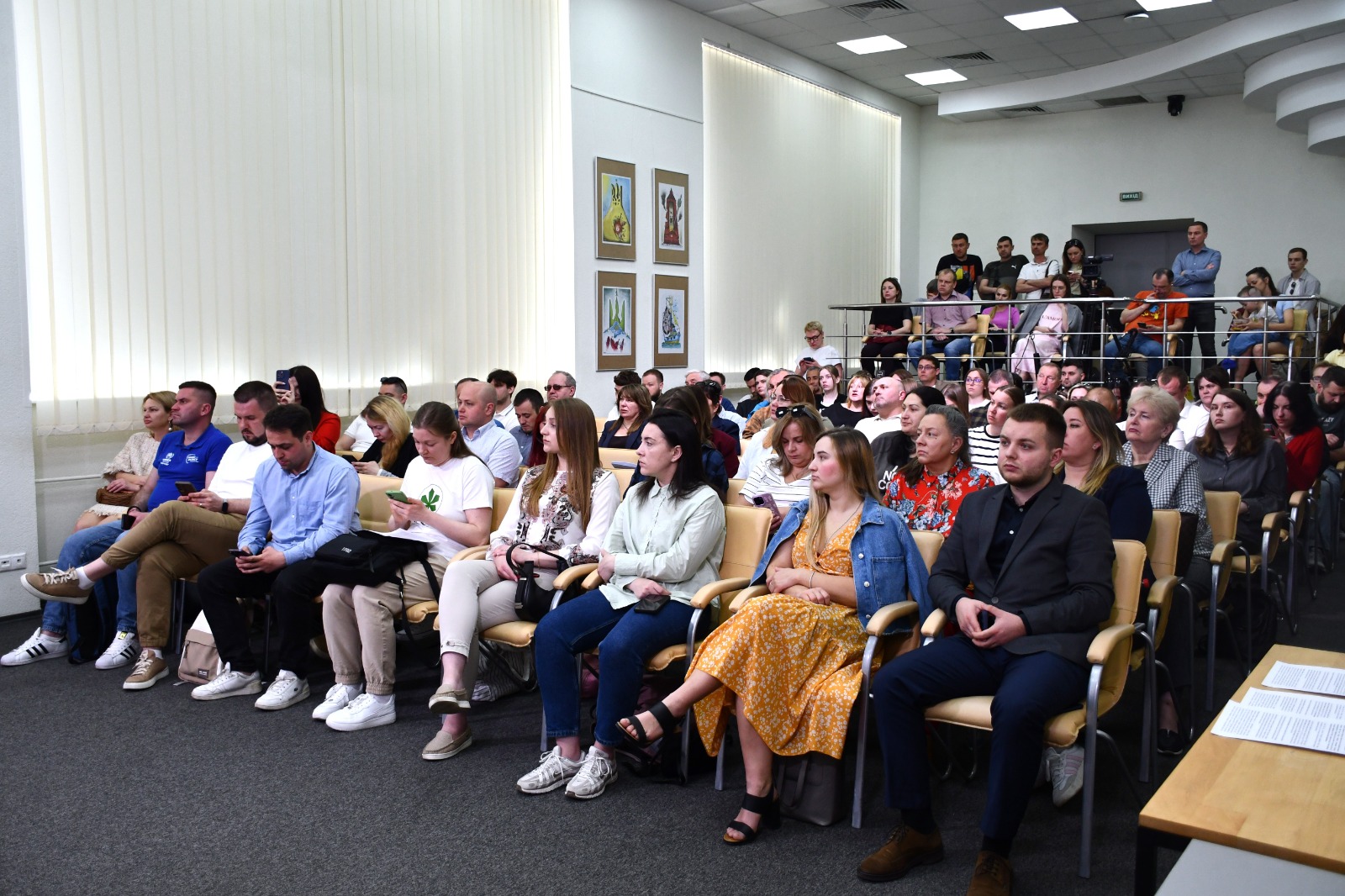
We call on citizens to support the coalition’s appeal to the government and contribute to raising public awareness of an issue that directly affects thousands of people’s access to housing in Ukraine.
The full video recording of the event is available via the Ukrinform YouTube channel at the following link.
For reference
The coalition includes: NGO Donbas SOS, NGO CrimeaSOS, the Right to Protection Charitable Foundation, CF East SOS, the Civil holding “GROUP OF INFLUENCE”, the Human Rights Centre ZMINA, Charitable Foundation Stabilization Support Services, the Crimean Human Rights Group and NGO Crisis Insight.