Ukraine needs a coordinated policy framework for supporting victims – Alena Lunova took part in a discussion on transitional justice policy
On 13 March 2026, Alena Lunova, Advocacy Director of the Human Rights Centre ZMINA, took part in a discussion on the prospects of a comprehensive accountability policy and support for victims of Russian aggression. The event took place during the presentation of an analytical study by the International Centre for Transitional Justice (ICTJ) on common myths regarding the nature and timing of transitional justice.
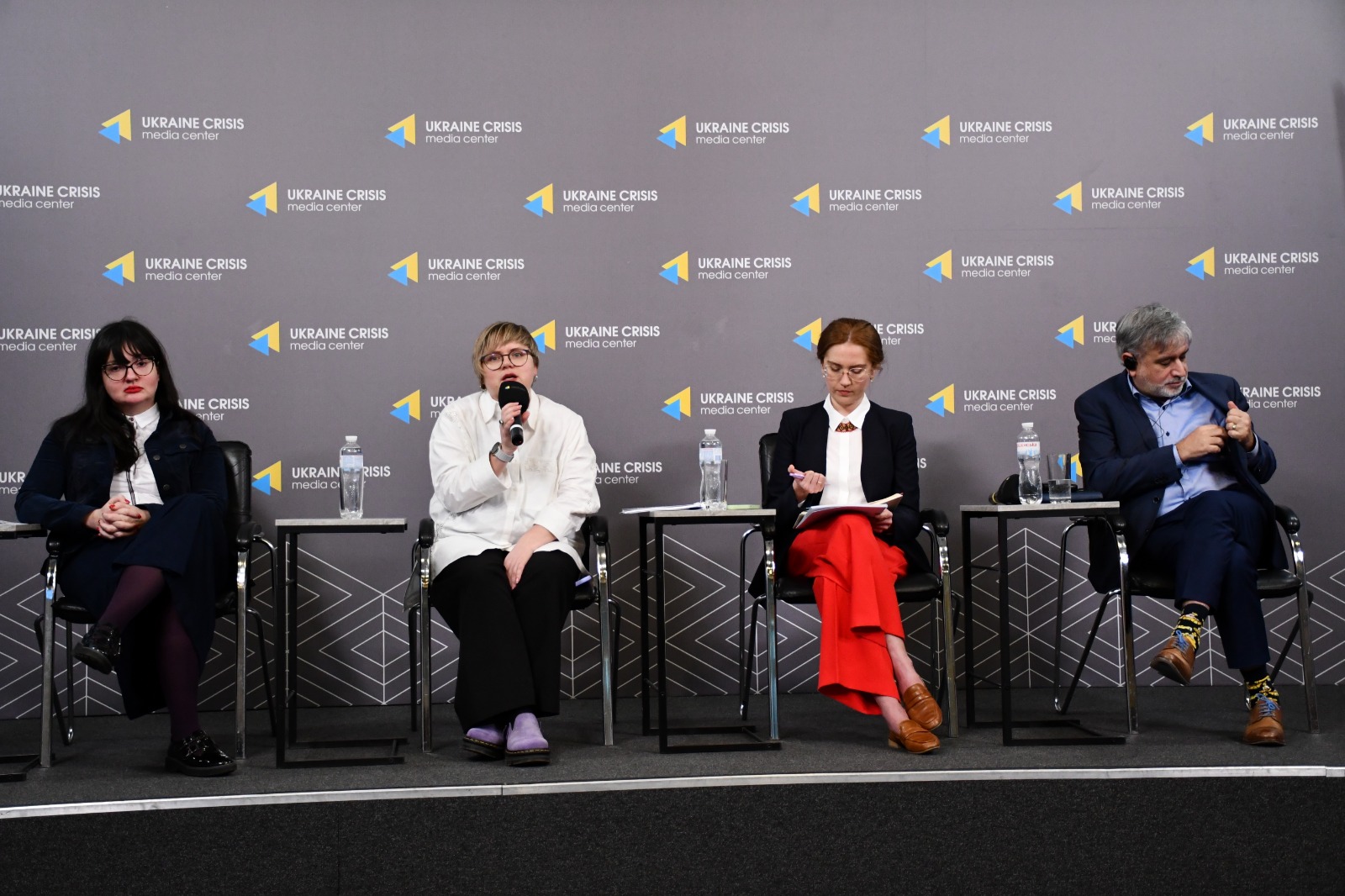 Photo: Veronika Plotnikova, Alena Lunova, Kateryna Busol, Asier Santillan Luzuriaga
During the event, experts discussed whether Ukraine should resume the development of a framework policy on transitional justice at the current stage of Russian aggression, as well as which comprehensive justice mechanisms can ensure support for victims and accountability for international crimes.
Kateryna Busol, Legal Adviser of the International Center for Transitional Justice and Associate Professor of the National University of Kyiv-Mohyla Academy, presented an ICTJ study analysing common myths about transitional justice. In particular, one such myth is the perception that these mechanisms can only be applied after the end of the war or a full transition to democracy.
According to her, international experience demonstrates that elements of transitional justice are often implemented even during conflicts. She cited examples of Colombia and Syria, where civil society actively documented violations and worked on accountability mechanisms even before the end of hostilities. Busol also recalled the experience of Germany after the Second World War and following the country’s reunification, as well as that of Central and Eastern European countries, which carried out lustration and opened archives after the fall of communist regimes.
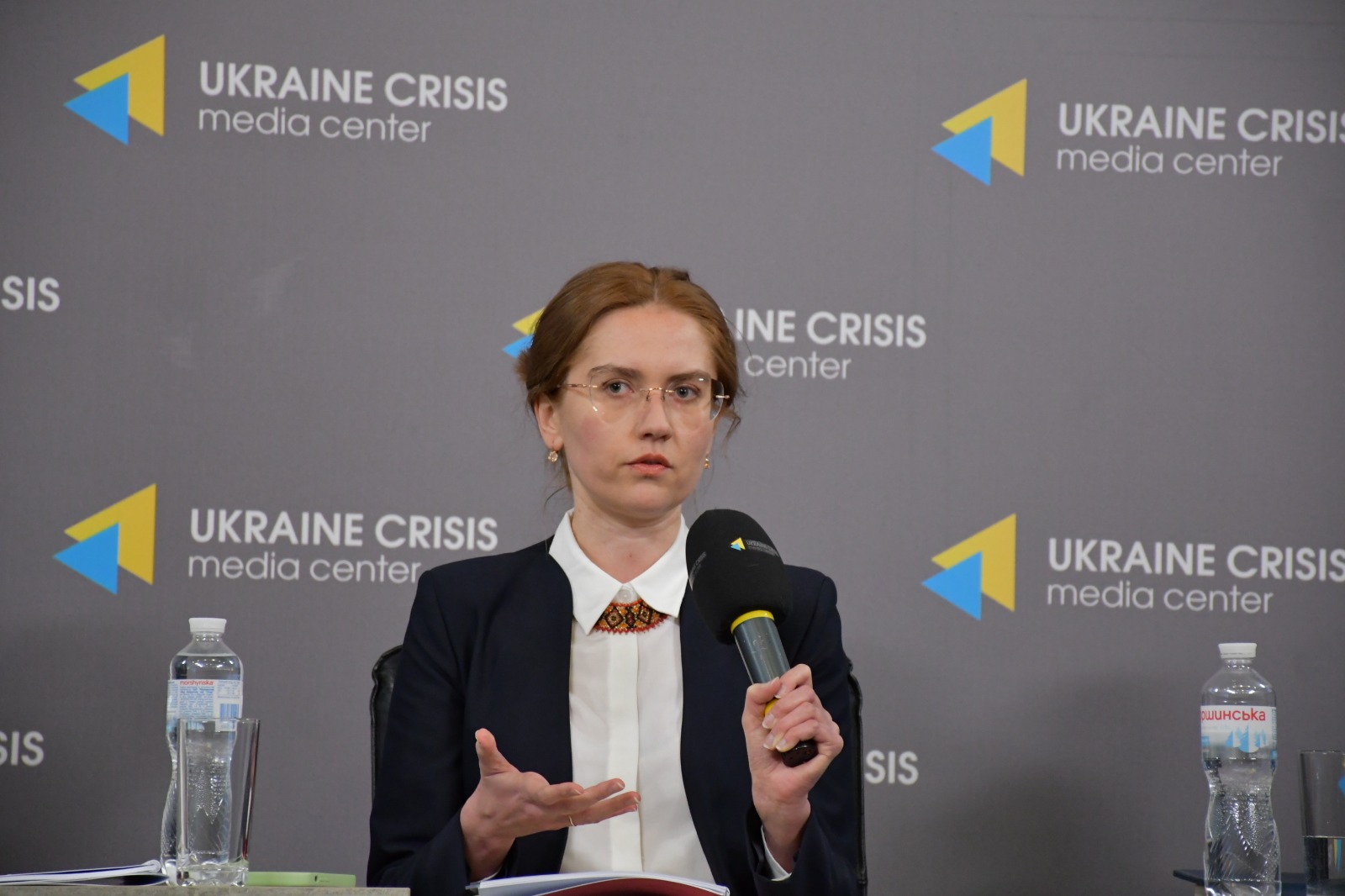 Photo: Kateryna Busol
The expert emphasised that a comprehensive approach to justice, combining criminal investigations, reparations, memorialisation, and support for victims, can become an important tool for countering Russian propaganda and strengthening the rule of law in Ukraine.
Alena Lunova emphasised in her speech that, although Ukraine still lacks a comprehensive state framework for transitional justice, many of its elements are already being implemented in practice: “We can say that, unfortunately, we still lack a comprehensive vision and a framework that would cover all the pillars of transitional justice. However, measures traditionally regarded as transitional justice measures have been implemented in Ukraine for a long time. And since 2022, there have been significantly more of them“.
According to Lunova, since 2014 the state has introduced various support mechanisms for specific categories of victims of Russia’s armed aggression – from internally displaced persons to children affected by the war. At the same time, these mechanisms remain fragmented, and there is still no overarching framework to ensure coherence between these policies.
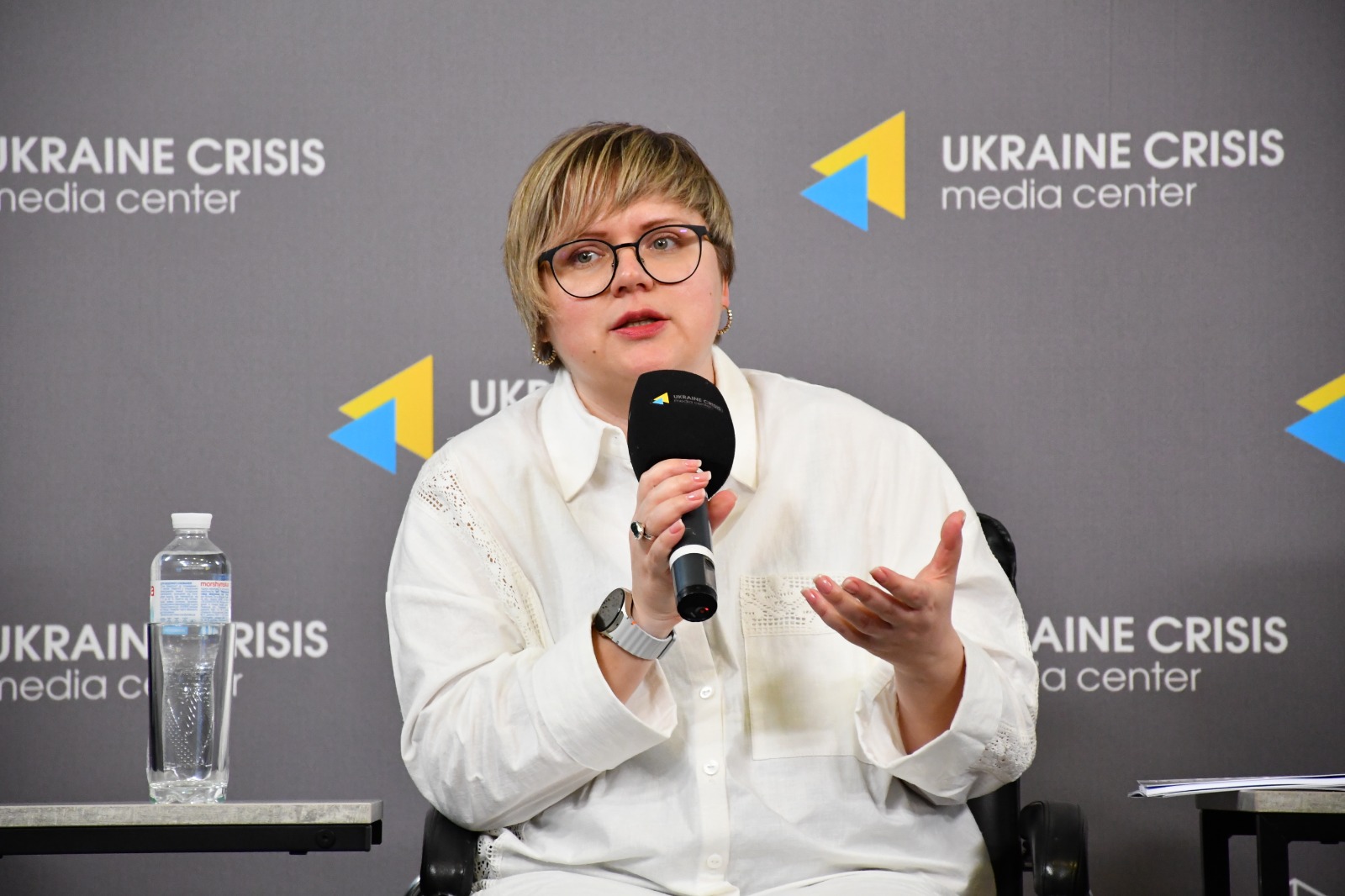 Photo: Alena Lunova
According to the Advocacy Director of ZMINA, the key task today is to establish a coherent national system for supporting victims and to designate a state authority responsible for shaping such a policy.
As Lunova noted, one of the important steps in this direction could be the development of a governmental concept of transitional justice, which is to be prepared in 2026 by the Ministry for Development of Communities and Territories in accordance with the Government’s action plan.
Veronika Plotnikova, Head of the Coordination Centre for the Support of Victims and Witnesses at the Prosecutor General’s Office, emphasised the importance of a clear allocation of responsibilities among the various institutions working with victims.
According to her, the establishment of a coordination mechanism will be effective only if each involved body understands its role within the system of support for victims. She also emphasised the importance of taking into account the role of local self-government bodies and communities, as, following decentralisation, a significant share of social services is provided at the local level.
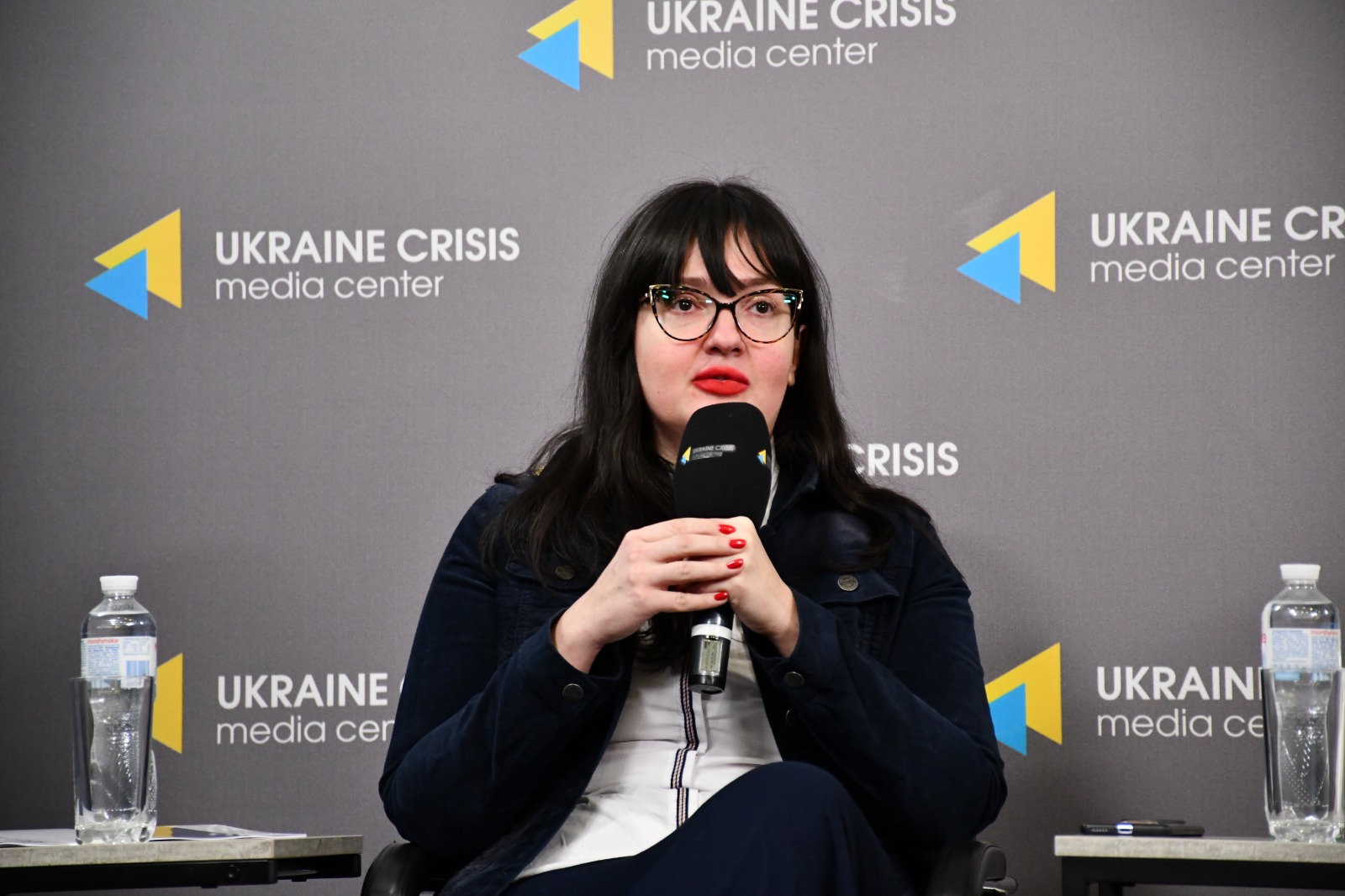 Photo: Veronika Plotnikova
Plotnikova added that transitional justice policy should take into account the future reintegration of de-occupied territories and work with communities that have experienced occupation.
Asier Santillan Luzuriaga, Head of the Section for European Integration, Governance, Rule of Law and Civil Society of the EU Delegation to Ukraine, emphasised that transitional justice processes must be aimed primarily at supporting victims and restoring social cohesion.
He noted that accountability for international crimes should not be limited solely to the criminal prosecution of those responsible, as it is also important to support victims, restore trust within society and ensure that such violations are not repeated.
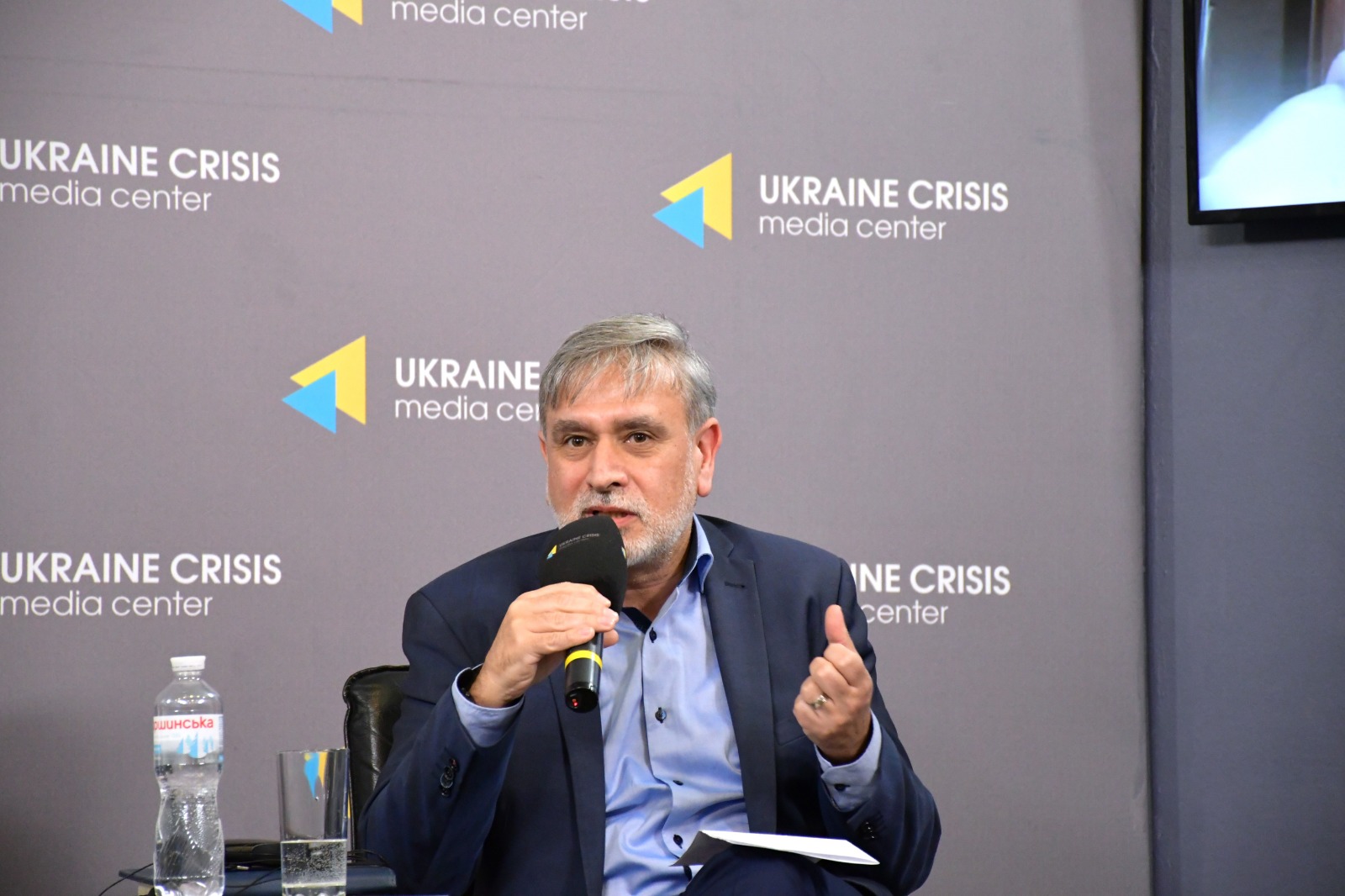 Photo: Asier Santillan Luzuriaga
According to him, Ukrainian society and state institutions must play a key role in this process. He emphasised that the experience of other regions, particularly the Western Balkans, highlights the risks involved when transitional justice processes are largely determined by international actors rather than national institutions.
Anna Myriam Roccatello, Deputy Executive Director and Director of Programmes of the ICTJ, joined the discussion online. She emphasised the importance of international cooperation in ensuring accountability for international crimes and supporting victims, and stressed that Ukraine’s experience is already making an important contribution to global discussions on the development of transitional justice mechanisms during conflicts.
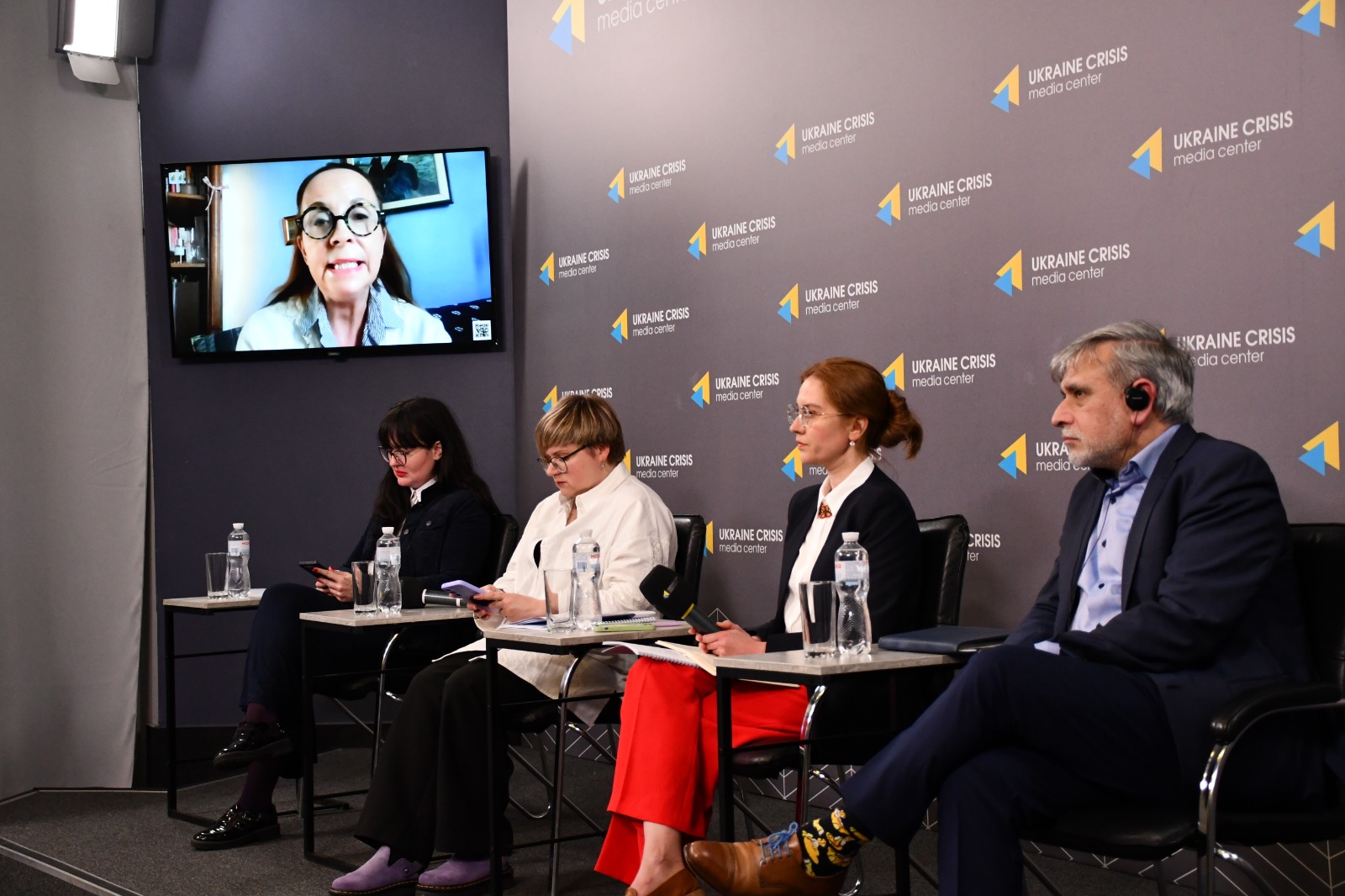 Photo: Anna Myriam Roccatello (online), Veronika Plotnikova, Alena Lunova, Kateryna Busol, Asier Santillan Luzuriaga