“Crimea Global” participants explored Kyiv’s cultural heritage, saw the aftermath of Russian attacks and met young people brought back from occupied Crimea
On 16 October, a delegation of journalists, human rights defenders, academics and experts from Africa, Asia and Latin America who had travelled to Ukraine to attend the fourth international conference “Crimea Global. Understanding Ukraine through the South” visited Saint Sophia Cathedral, civilian sites in Kyiv damaged by Russian attacks, and Save Ukraine, an organisation that helps children and families affected by Russian occupation.
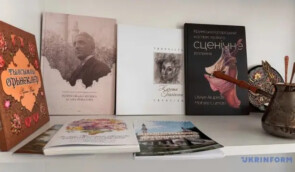
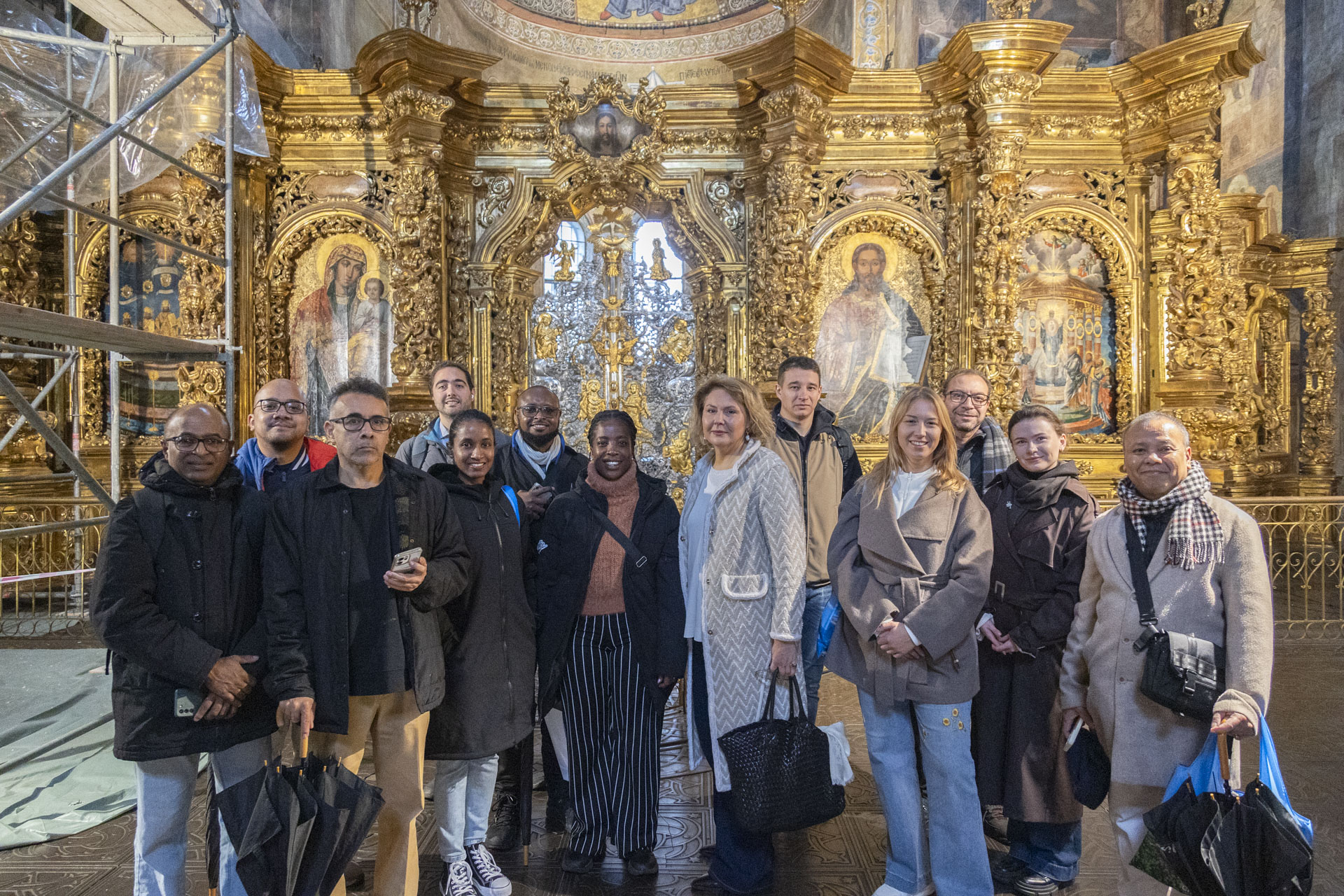
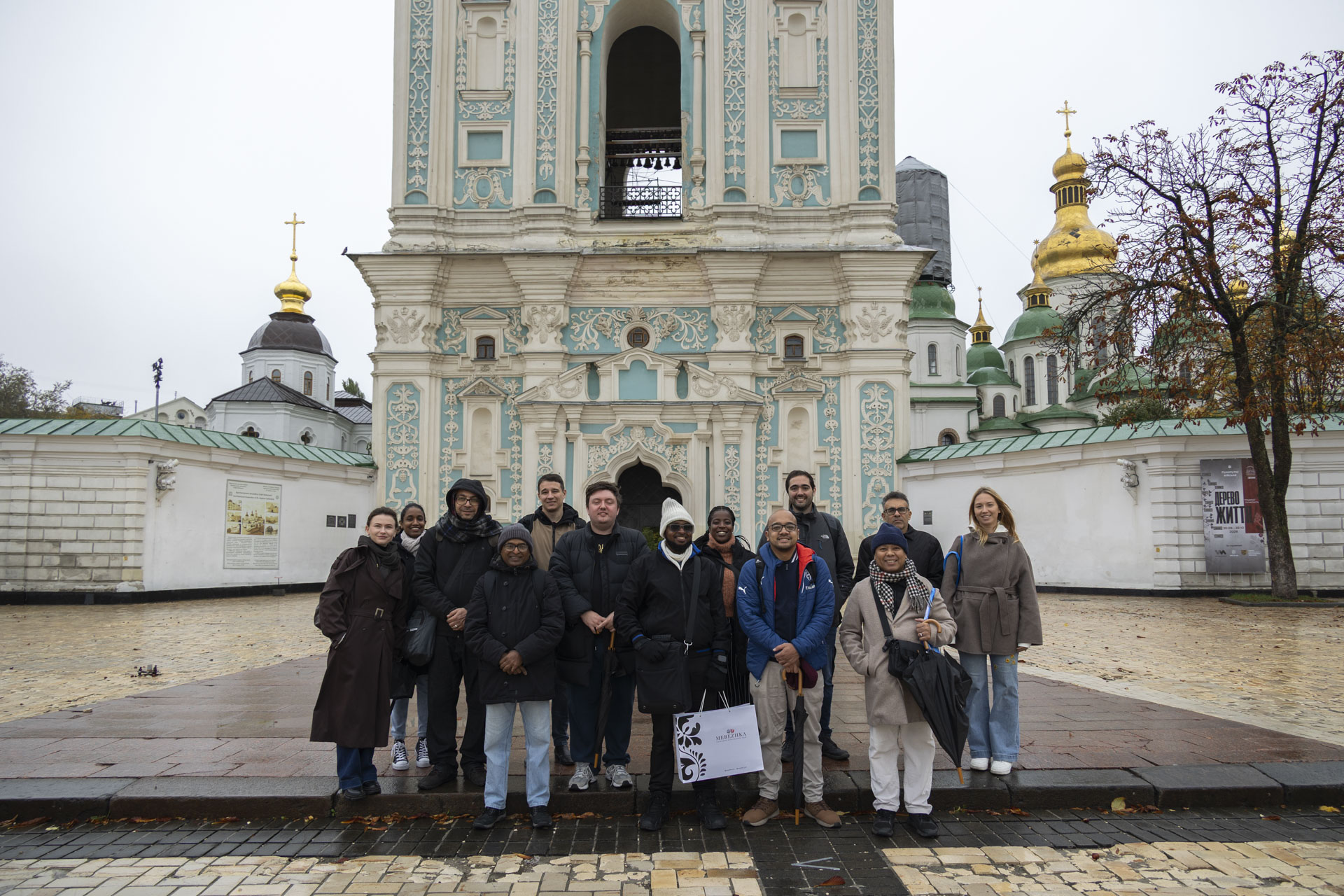
The international guests were given a guided tour of Saint Sophia Cathedral – one of Ukraine’s most significant historical and cultural landmarks and a UNESCO World Heritage Site. Nataliia Kryvda, Doctor of Philosophical Sciences and Chair of the Supervisory Board of the Ukrainian Cultural Foundation, spoke about Ukraine’s centuries-old history, the cathedral’s architectural and artistic heritage, and its significance for Ukrainian statehood. The tour also explored the connection between historical heritage and the contemporary challenges Ukraine faces as a result of Russian aggression.
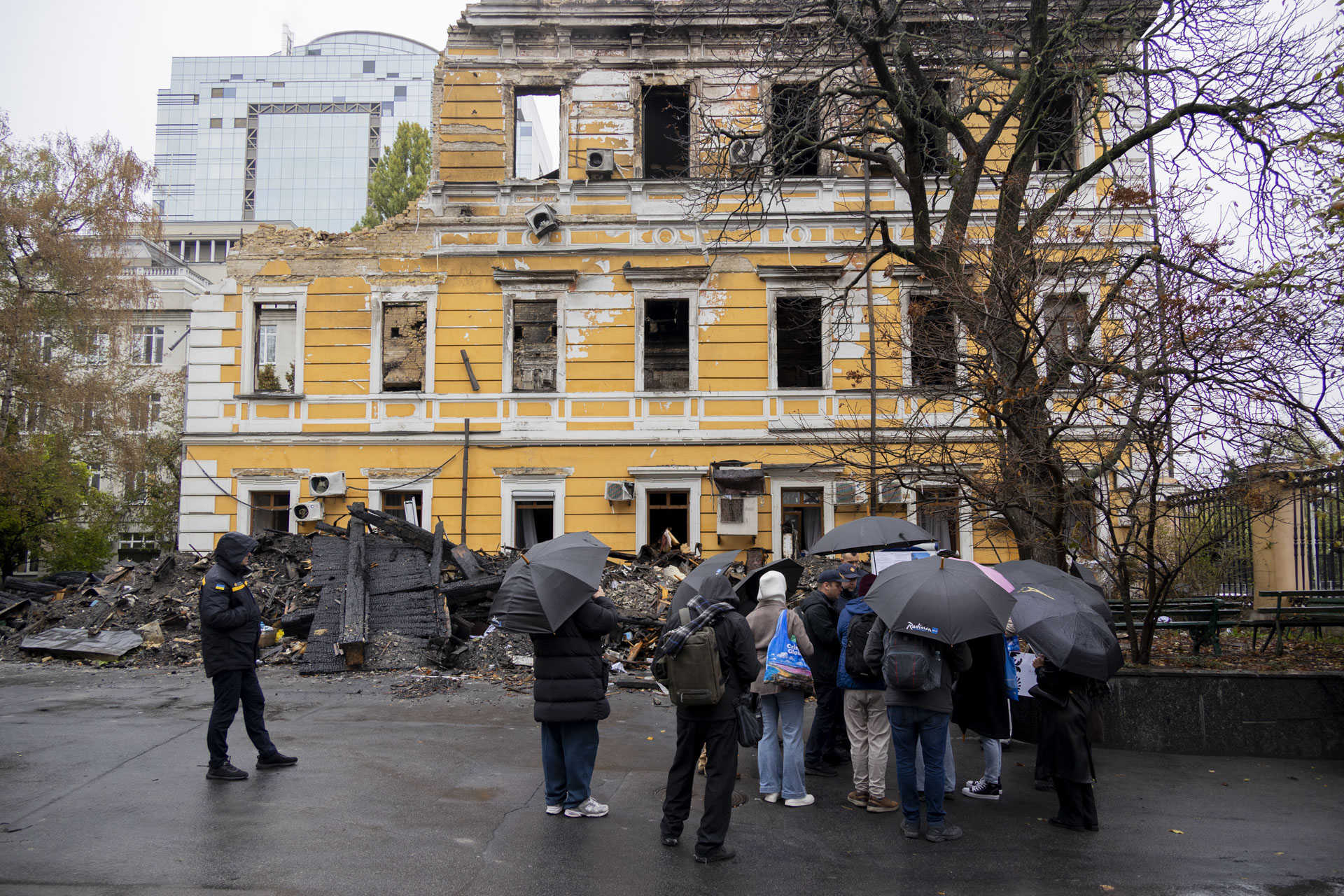
The delegation then visited civilian sites in the capital damaged by Russian attacks, including a building belonging to the National Academy of Sciences of Ukraine. Representatives of the State Emergency Service of Ukraine explained the extent of the destruction, how emergency rescue operations are carried out and the danger of repeated strikes during efforts to deal with the aftermath of attacks.
According to figures provided by the State Emergency Service, 131 rescue workers have been killed and more than 700 have been injured since the start of Russia’s full-scale invasion. Russian forces carry out repeated strikes on sites where rescue workers are extinguishing fires, clearing rubble and assisting those affected.
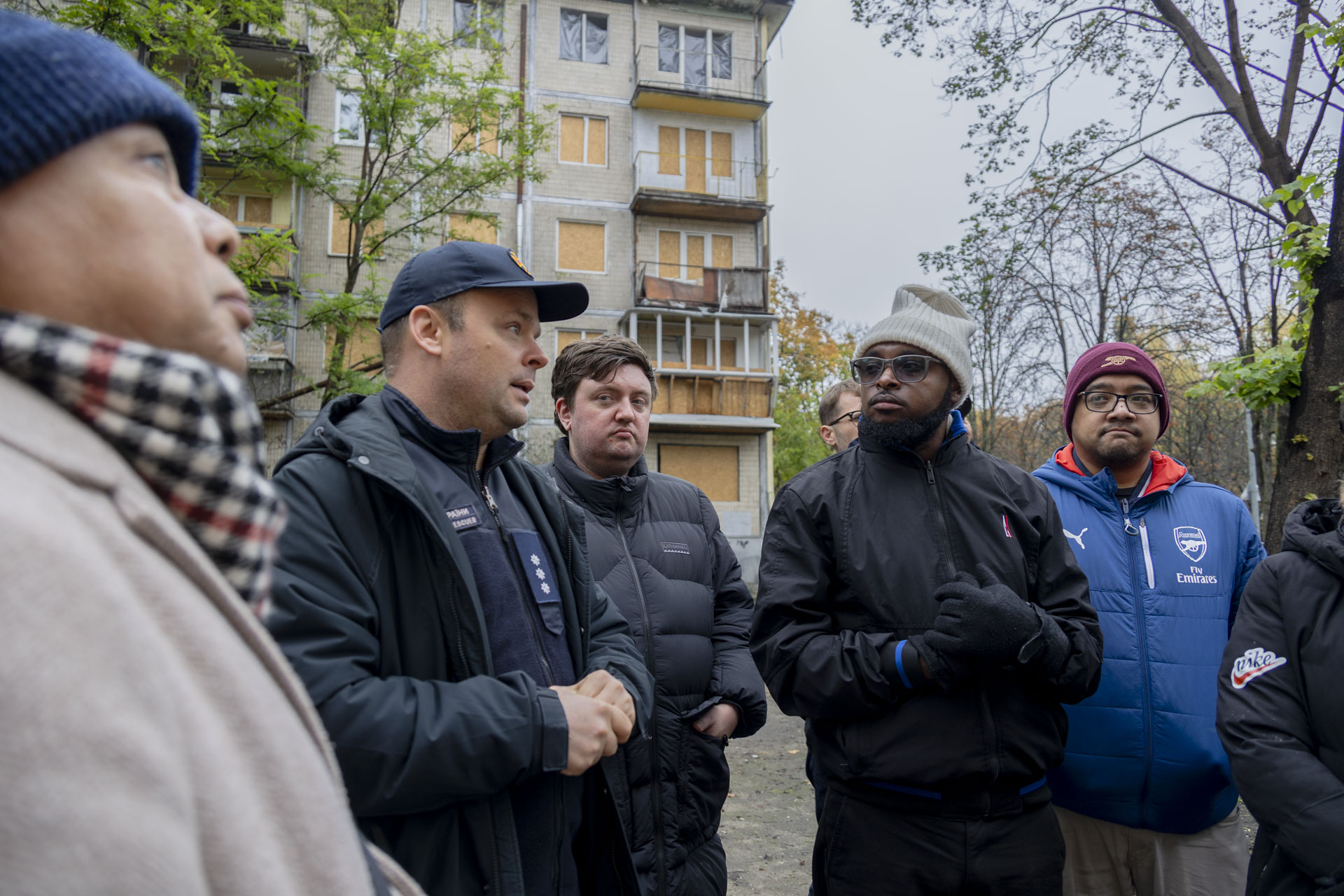
The rescue workers’ accounts of working under constant threat and the scale of the destruction caused by Russia left a strong impression on the international guests. Speaking with representatives of the State Emergency Service of Ukraine and visiting damaged sites helped the participants gain a deeper understanding of the impact of the full-scale war on Ukraine’s civilian population and the challenges faced by rescue workers who risk their lives every day to save others.
Another part of the programme was a visit to Save Ukraine, a Ukrainian organisation that helps children and families, including by rescuing them from Russia and temporarily occupied territories, providing rehabilitation, helping restore their documents and reuniting families.
 Photo credit: Save Ukraine
The organisation’s team showed the international guests the facilities where children and families stay after being rescued, including modular homes, rooms for play and rehabilitation, and a shelter equipped for learning and leisure activities. The delegation also learned about the difficulties children face after returning to Ukrainian-controlled territory and the long process of recovering from their experiences.
“Rescuing a child does not end the moment we bring them from occupied territory to Ukrainian-controlled territory. These children arrive having experienced severe trauma, often with little trust in adults and fear of what lies ahead. Some were convinced that no one in Ukraine would look after them, that they would be left alone or even end up on the streets. That is why it is important for us not simply to bring a child to safety, but to help them feel that they are no longer alone. They need to learn to trust people again, understand who they are and where they come from, and gradually realise why it is important to stay in Ukraine. Our task is to help them become independent, strong and capable of building their own lives,” a Save Ukraine staff member explained.
Particular attention was paid to the experiences of children from Crimea who had lived under Russian occupation for years. Russia had reshaped their educational environment, imposed its own version of history and restricted access to the Ukrainian language and culture. As a result, some children have to rediscover their own identity and rebuild their connection with Ukraine after returning.
 Photo credit: Save Ukraine
The “Crimea Global” participants met young people who had returned from occupied territories, including Crimea, thanked them for their willingness to share their stories and praised their courage. Their accounts help international audiences better understand the consequences of Russian occupation for children and teenagers, the impact of Russian propaganda and the importance of supporting those who want to build their future in Ukraine.
Visits to cultural landmarks, damaged civilian sites and an organisation that helps rescued children gave the international guests an insight into different aspects of Russian aggression – from threats to Ukraine’s cultural heritage to the direct consequences of the war for civilians and the younger generation.
The visits to Kyiv and Save Ukraine were part of the programme of activities organised alongside the fourth international conference “Crimea Global. Understanding Ukraine through the South”, which will take place on 19 October. The conference aims to deepen dialogue between Ukraine and countries in Africa, Asia and Latin America, discuss shared international challenges and the consequences of Russian aggression, including the temporary occupation of Crimea, and strengthen international solidarity with Ukraine.
For more information about Crimea Global’s work in previous years and the latest updates, visit the official conference website: https://www.crimea-global.com/
Organisers: Mission of the President of Ukraine in the Autonomous Republic of Crimea / Office of the Crimea Platform, the Human Rights Centre ZMINA, the Media Initiative for Human Rights.
Partners: Ministry of Foreign Affairs of Ukraine, Ukrainian Institute, Transatlantic Dialogue Center.
The event was organised with the support of: International Renaissance Foundation, Askold and Dir Fund, administered by ISAR Ednannia with funding from Norway and Sweden, Hanns Seidel Foundation, Forum 2000 Foundation, and the Czech organisation People in Need as part of the SOS Ukraine initiative.