ECtHR adopted judgment in case concerning abducted Ukrainian children: ZMINA and other NGOs submitted analysis of Russia’s policies targeting Ukrainian identity
The European Court of Human Rights (ECtHR) will publicly deliver its judgment on 1 December 2026 in a case concerning ten Ukrainian children who came under Russian control following the occupation of Crimea and were subsequently placed for adoption. The Chamber adopted the judgment on 13 October.
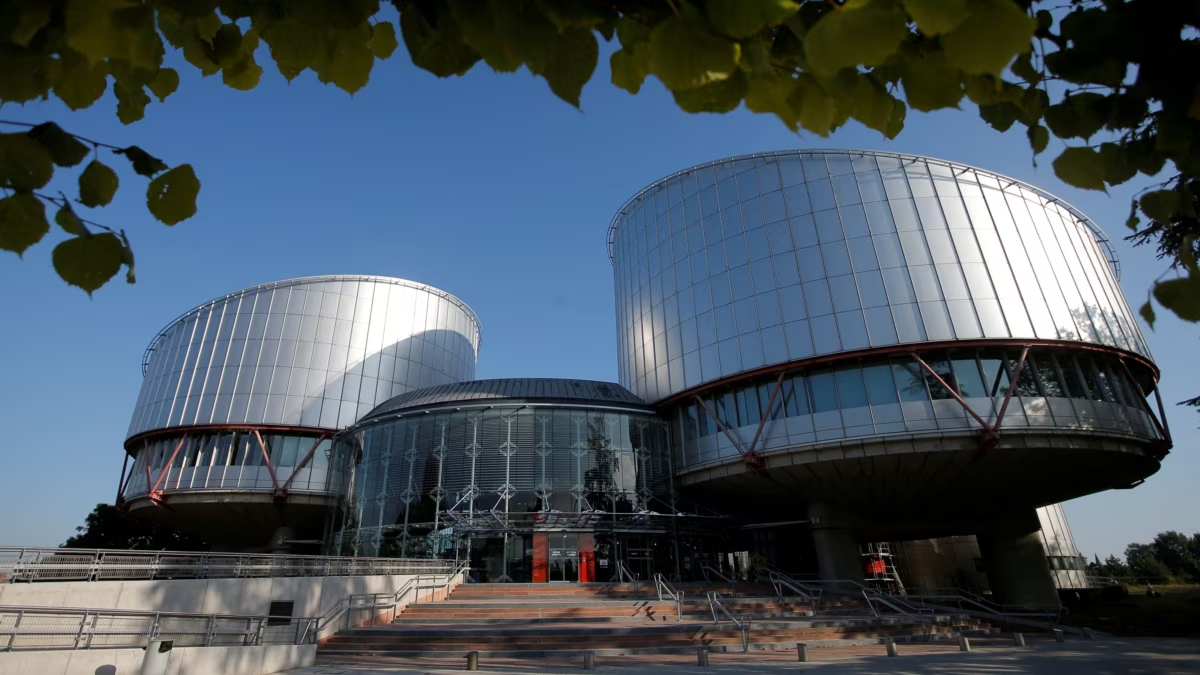 Photo credit: Vincent Kessler/REUTERS
The judgment will be delivered at 9:30 a.m. local time at the European Court of Human Rights in Strasbourg. The Court notified the applicants’ representatives, including the Human Rights Centre ZMINA, of the date in an official letter. The judgment will also be published on the ECtHR’s official website that day.
The case in question is application no. 6719/23, Ukrainian Helsinki Human Rights Union on behalf of ten Ukrainian children v. Russia.
According to Serhii Zaiets, a lawyer with the Ukrainian Helsinki Human Rights Union (UHHRU), who shared the information, the judgment was adopted on 13 October, following an oral hearing in Strasbourg on 22 September 2026 and two rounds of written exchanges between the applicants and the Court.
Zaiets described the case as the most significant of his legal career. He also noted that the ECtHR had reached a judgment relatively quickly: three years and nine months passed between the filing of the application on 13 January 2023 and the adoption of the judgment.
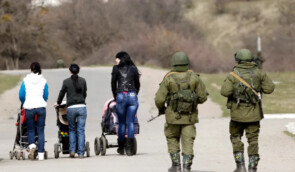
The case concerns ten Ukrainian children without parental care who came under Russian control following the occupation of the Crimean Peninsula
At the time of the occupation, the children were living in various residential care institutions in Crimea and Sevastopol. Russia declared them Russian citizens and subsequently placed them for adoption. Under the conditions imposed by the occupation authorities, only Russian citizens were eligible to adopt them.
According to the applicants’ representatives, at least some of the children are believed to have been adopted, and some may have been transferred from the occupied territory to Russia. Meanwhile, the Russian authorities refused to disclose the children’s whereabouts and withheld information about what had happened to them, including whether they had been adopted.
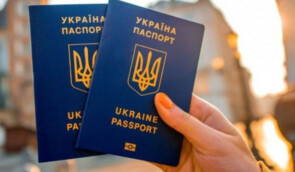
The application raises issues concerning the imposition of Russian citizenship on the children, the reshaping of their Ukrainian identity, unlawful adoption in violation of Ukrainian and international law, and enforced disappearances.
As Serhii Zaiets noted, the case raises novel legal questions for the ECtHR, particularly concerning the representation of vulnerable individuals whose representatives have had no direct contact with them, as well as new aspects of enforced disappearances.
Following the oral hearing, the Court made a further request to the Russian government on 23 September 2026, seeking observations and information about the children’s whereabouts. According to the lawyer, given the Russian authorities’ previous refusal to cooperate with the Court, they are unlikely to have provided any response this time either.
Human Rights Centre ZMINA and the Public Interest Journalism Lab joined the proceedings as third-party interveners
Onysiia Syniuk, Head of the Research Department at ZMINA, explained that the third-party submission sought to provide a broader context for violations of Ukrainian children’s rights in Crimea. It addressed the application of Russian law in the occupied peninsula, the imposition of Russian citizenship, the erosion of children’s Ukrainian identity, indoctrination, militarisation and unlawful adoption practices.
The submission also highlighted restrictions on travel to and from Crimea, which prevented children from leaving the occupied territory and denied Ukrainian authorities and international organisations access to them.
In July 2026, ZMINA reported that the ECtHR had scheduled an oral hearing in the case. At the time, lawyer Serhii Zaiets stressed that the Court’s judgment could set an important precedent for protecting other Ukrainian children who had been unlawfully transferred or placed for adoption by Russia following its occupation of Ukrainian territories.
As previously reported, the Ukrainian Helsinki Human Rights Union (UHHRU) lodged application no. 6719/23 with the ECtHR on behalf of ten Ukrainian children. The UHHRU is represented in the case by lawyer Serhii Zaiets and lawyers from the European Human Rights Advocacy Centre (EHRAC).
In July 2026, the ECtHR granted a request from the applicants’ representatives to hold an oral hearing. The hearing took place in Strasbourg on 22 September and addressed both the admissibility and the merits of the application. During the hearing, the Ukrainian side urged the Court to hold Russia responsible for violating the children’s rights, order it to disclose their whereabouts and ensure their return to the control of the Ukrainian authorities.
Ukrainian and international civil society organisations joined the proceedings as third-party interveners. In particular, the Human Rights Centre ZMINA and the Public Interest Journalism Lab prepared a joint third-party submission to the ECtHR. The submission outlined the broader context of Russia’s policies towards Ukrainian children, including the imposition of Russian citizenship, unlawful transfers and adoptions, indoctrination, militarisation and the erosion of Ukrainian identity.
Following the oral hearing, the ECtHR made a further request to the Russian government on 23 September 2026, seeking observations and information about the children’s whereabouts. According to lawyer Serhii Zaiets, the Russian authorities are unlikely to have taken this opportunity to respond or provide any explanations.
In April 2025, the ECtHR notified the Russian government of the application and invited it to submit formal observations. In July 2026, the Court scheduled an oral hearing, and on 13 October 2026, the Chamber adopted its judgment in the case. The judgment will be publicly delivered in Strasbourg on 1 December 2026 at 9:30 a.m. local time.