
Ukraine’s implementation of the concluding observations of the UN Committee against Torture discussed in Kyiv
On 23 July 2026, the Human Rights Centre ZMINA held an expert discussion in Kyiv on the submission to the UN Committee against Torture concerning Ukraine’s implementation of the concluding observations issued following the Committee’s 82nd session.
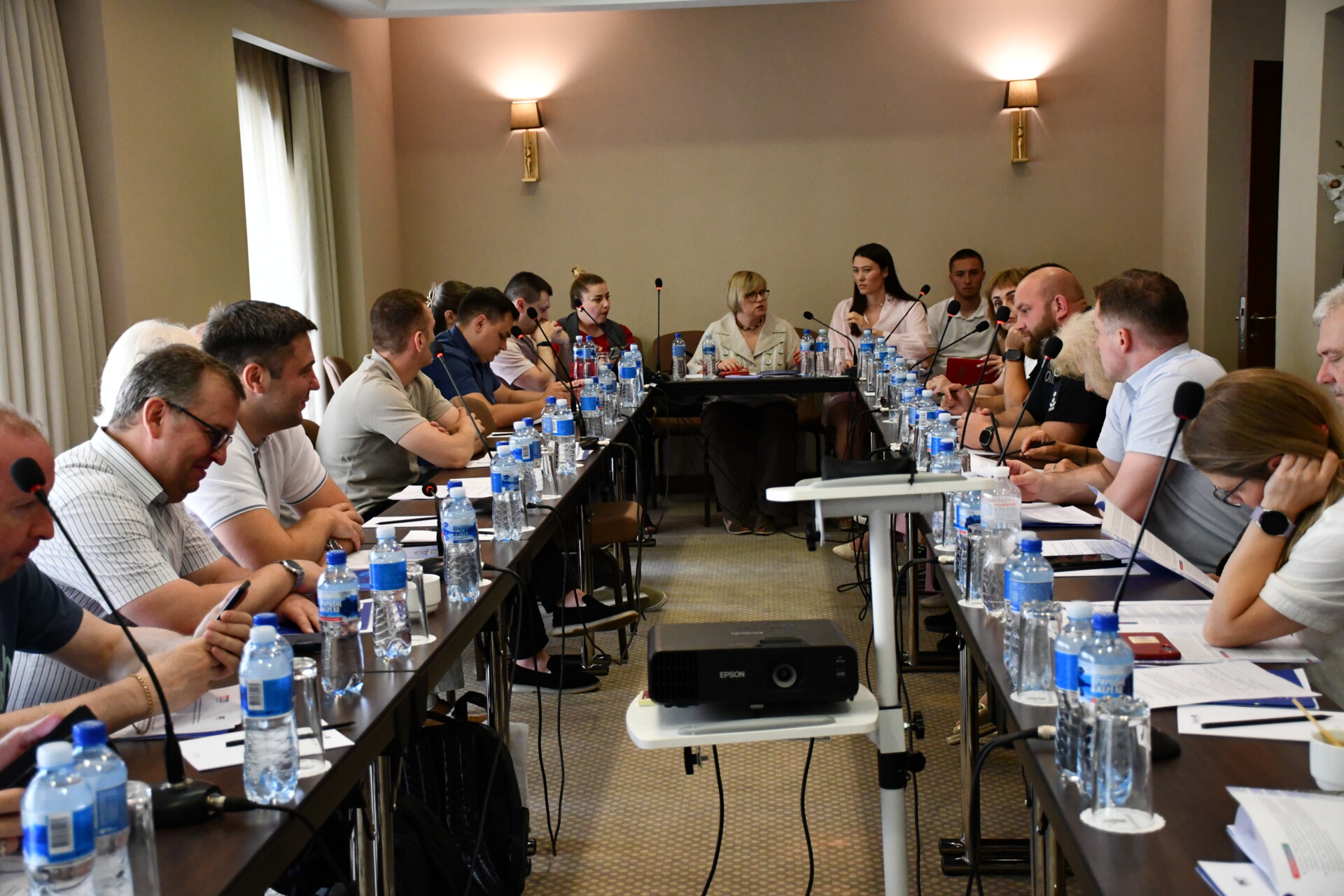
The event brought together more than 30 participants, including representatives of the State Criminal Executive Service of Ukraine, the State Bureau of Investigation, the Office of the Prosecutor General, the National Police, international and human rights organisations, and the media, as well as lawyers, academics and other professionals working in the field of human rights protection.
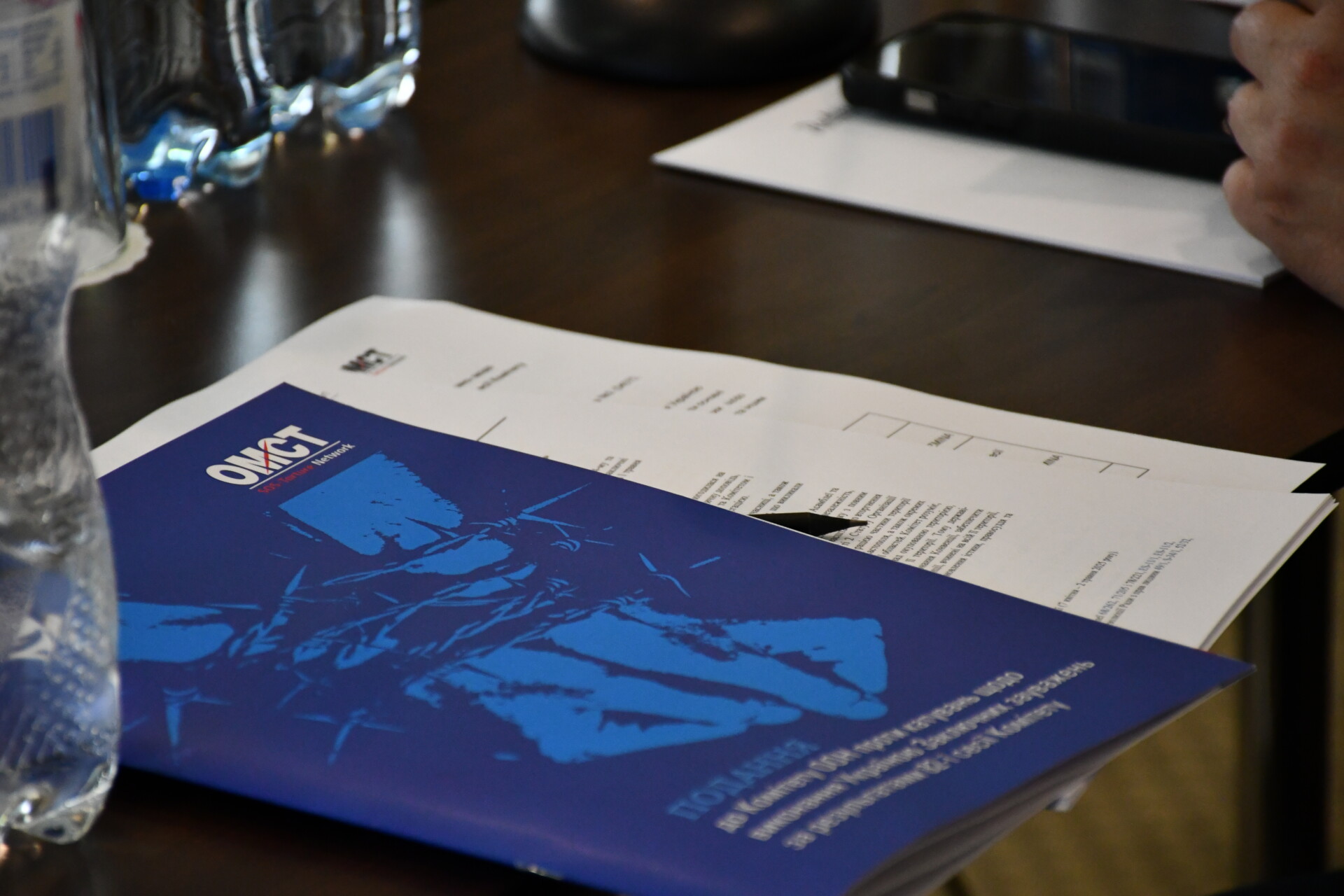
Alena Lunova, Advocacy Director at ZMINA, opened the expert discussion. She noted that ZMINA experts had prepared the submission in cooperation with the World Organisation Against Torture (OMCT). The submission assesses Ukraine’s implementation of the UN Committee against Torture’s concluding observations following its consideration of Ukraine’s seventh periodic report on the implementation of its international obligations under the Convention against Torture and Other Cruel, Inhuman or Degrading Treatment or Punishment.
Maryna Demura, Human Rights Expert at ZMINA, presented the contents of the submission to the participants. During the presentation, the experts examined in detail the implementation of the four recommendations identified by the UN Committee against Torture for follow-up and outlined the progress made, systemic problems and recommendations for addressing them.
 Alena Lunova, Maryna Demura
The first thematic block focused on ensuring the right of every detainee to a free medical examination by an independent doctor or a doctor of their own choice.
Maryna Demura stressed that the exercise of this right directly depends on the proper documentation of the actual deprivation of liberty. The participants discussed the findings of monitoring visits conducted under the National Preventive Mechanism, which revealed that several law enforcement agencies lacked officials responsible for safeguarding detainees’ rights, that instances of actual deprivation of liberty were not properly documented, and that there were risks of violations of the right to medical care.
Particular attention was paid to problems with documenting the transfer of individuals to Territorial Recruitment Centres and Social Support, as well as to the findings of monitoring conducted at the National Anti-Corruption Bureau of Ukraine and the State Bureau of Investigation.
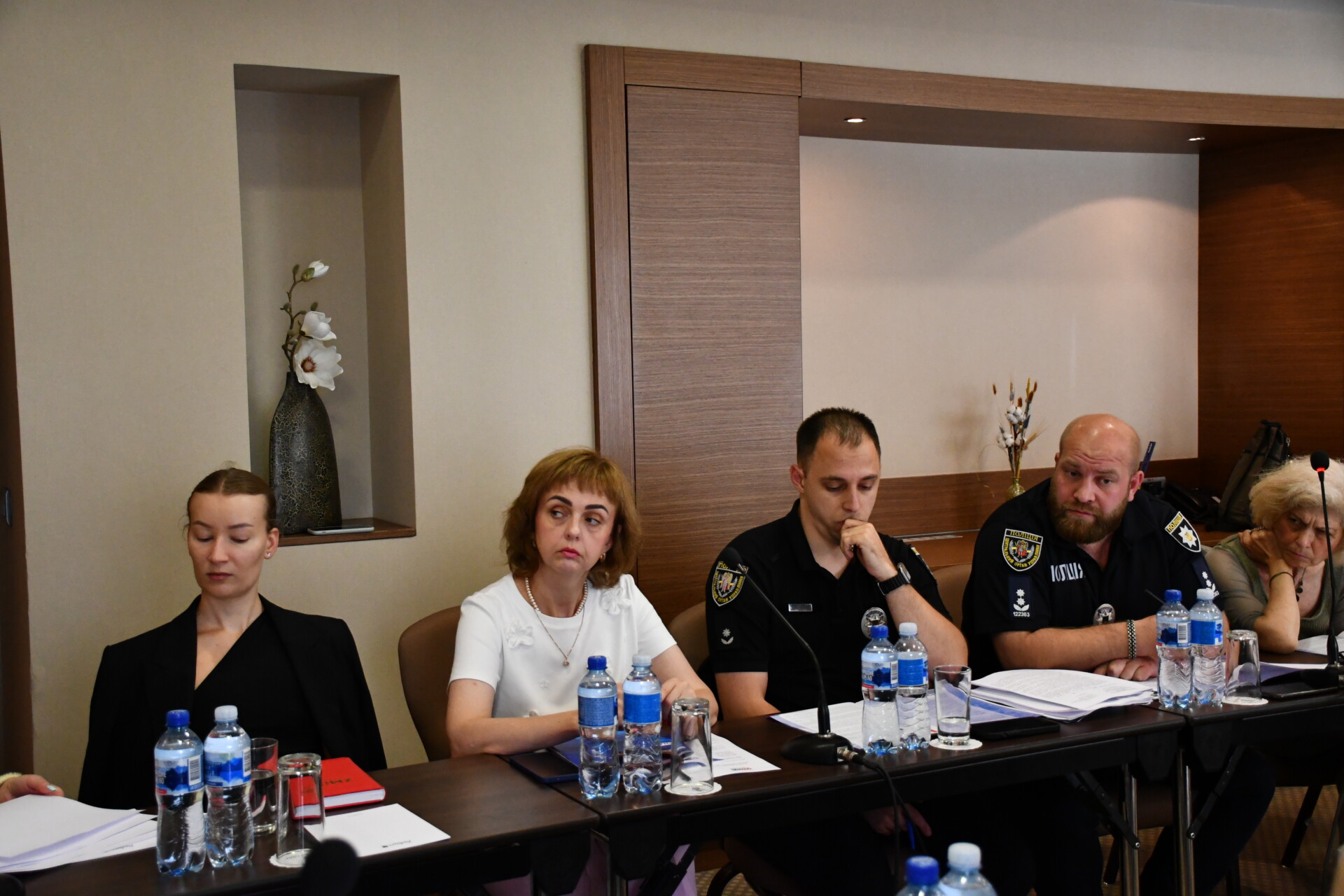
The second thematic block concerned procedural safeguards for Russian prisoners of war from the moment of capture until internment and throughout the entire period during which they remain under state control.
The submission notes positive developments in the regulatory framework and operation of prisoner-of-war camps, including adequate living conditions, the provision of medical care and the findings of monitoring visits conducted under the National Preventive Mechanism to all five camps operating in Ukraine.
At the same time, the experts drew attention to the lack of a specialised regulatory framework governing the operation of the camps, certain problems with labour arrangements for prisoners of war and the need to guarantee their procedural rights from the moment of capture.
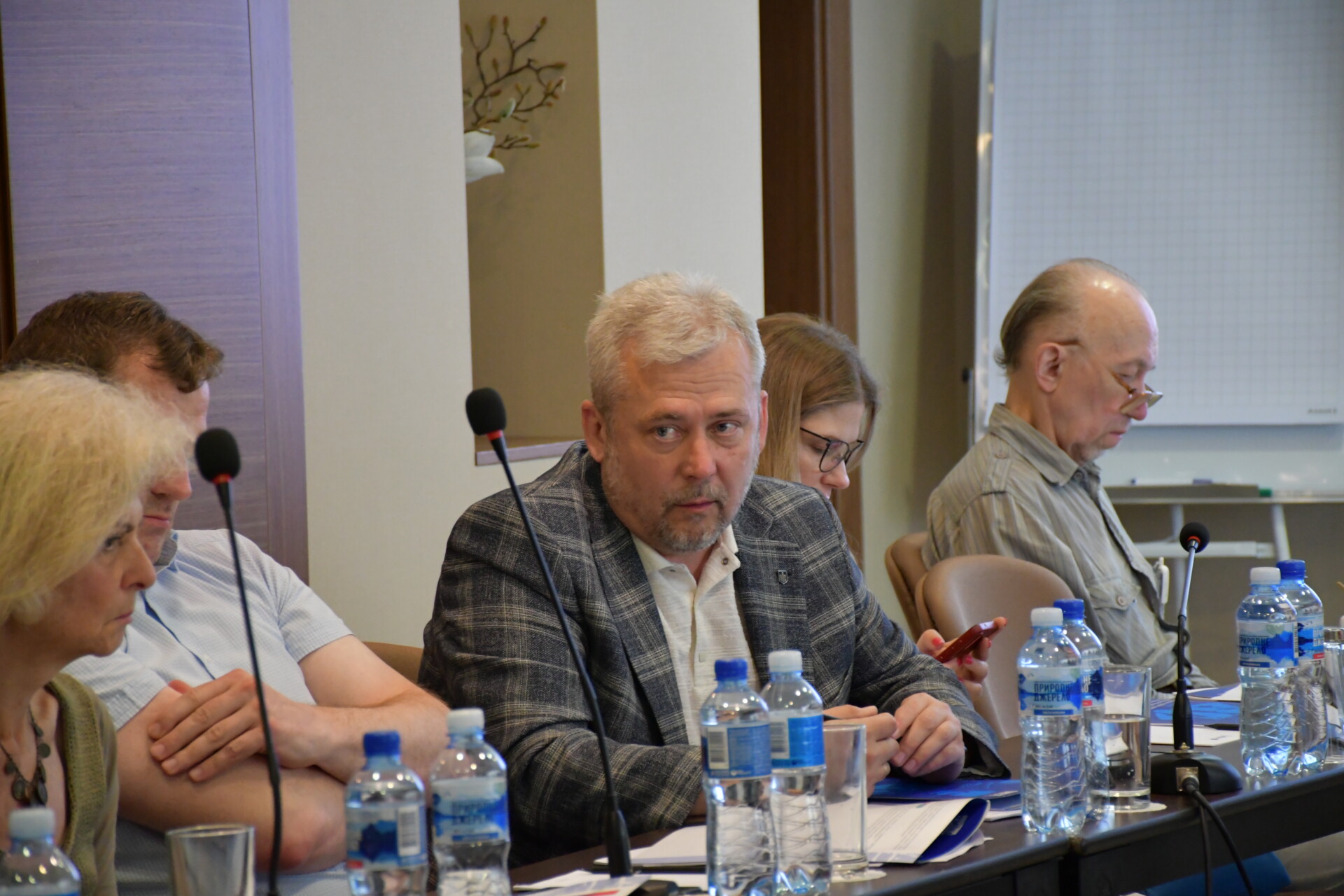
During the third thematic block, the participants discussed the implementation of the recommendation to ensure that heads of institutions and other officials who knew or should have known about instances of torture or ill-treatment, but failed to take the necessary measures to prevent or stop them, are held accountable.
In particular, the discussion addressed the amendments to Article 127 of the Criminal Code of Ukraine and the introduction of the principle of command responsibility following the ratification of the Rome Statute of the International Criminal Court.
At the same time, the participants stressed that the practice of holding those in leadership positions accountable is only beginning to develop.
The final thematic block focused on ensuring security in places of detention and implementing the recommendations concerning the activities of the internal security units of the State Criminal Executive Service of Ukraine.
During the presentation, the experts noted that penitentiary staff undergo professional training. At the same time, the principles of dynamic security have yet to be formally incorporated into the regulatory framework as a distinct element of the operation of penal institutions.
The experts also drew attention to the lack of mandatory video recording of the actions of internal security unit personnel and the incomplete documentation of cases involving the use of coercive measures. This poses risks both to the protection of prisoners’ rights and to the staff of the institutions themselves.
The presentation was followed by a discussion of the submission and its recommendations. The participants shared their practical experience, discussed Ukraine’s progress in fulfilling its international obligations concerning the prevention of torture and identified the next steps for implementing the recommendations of the UN Committee against Torture.
The full text of the Submission is available in English and Ukrainian.