Searching for missing persons and meeting families and state authorities: ZMINA took part in a visit to Mexico
Alena Lunova, Advocacy Director at the Human Rights Centre ZMINA, took part in an international mission to Mexico to share experience of the search for missing persons, the work of family associations and the development of a state support system for victims.
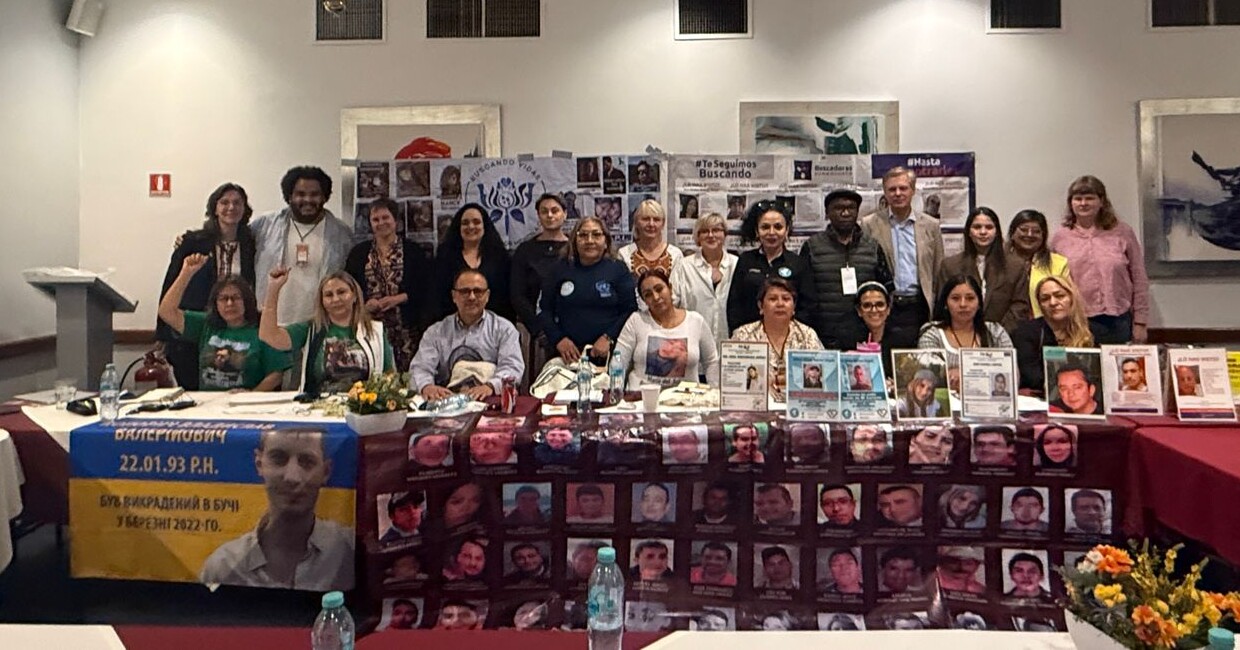
The Ukrainian delegation, invited with the support of the International Renaissance Foundation, included relatives of civilians who are missing or unlawfully held by Russia, people who had themselves been unlawfully imprisoned, including former Kremlin political prisoner Leniie Umerova, and representatives of human rights organisations. The mission also included representatives from Brazil and the African countries of Kenya and Eswatini (known as Swaziland until 2018).
Alena Lunova said that, although Mexico’s experience differs from Ukraine’s, it offers valuable insights into how families of missing persons can come together, support one another and influence public policy.
According to official figures, around 135,000 disappearances have been recorded in Mexico since 2008. A substantial proportion are linked to drug cartel activity and the authorities’ failure to investigate such cases.
Faced with inaction or even obstruction of searches by the Mexican authorities, relatives of missing persons began forming associations across the country’s states. These groups consist mainly of women – mothers and sisters who have spent years searching for their loved ones.
“First, they search together for their missing loved ones, conduct what are known as “field missions” and gather a wide range of information that could help with the search. Second, these associations, or collectives, provide mutual support for people searching for their relatives. And third, they work together to influence the state and its policies on searching for missing persons, ensuring families’ safety and providing them with support”, ZMINA’s Advocacy Director said.
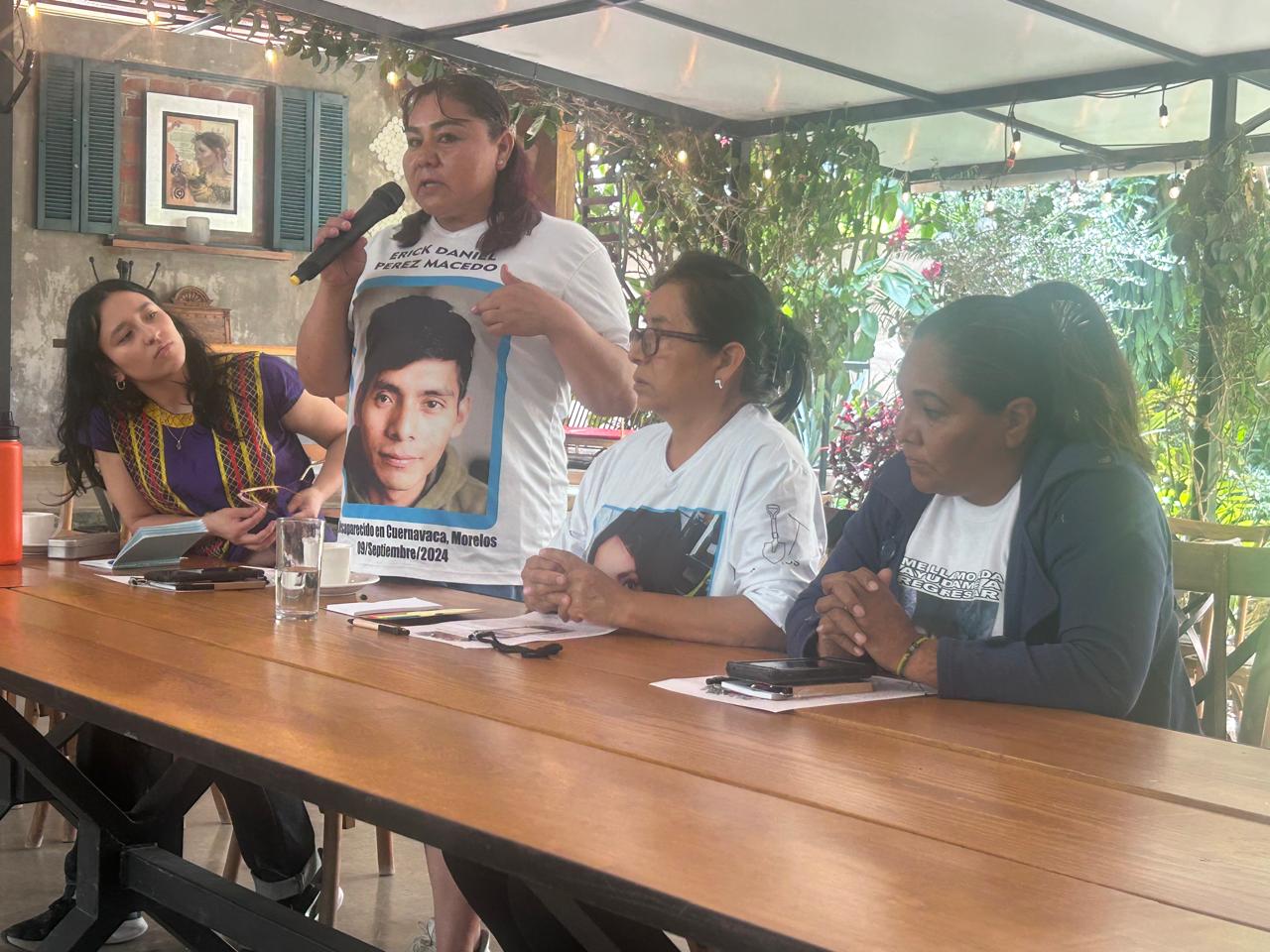
During meetings with Mexican “collectives” – groups of families of missing persons – the Ukrainian delegation saw many parallels with the experiences of Ukrainian families. Relatives of missing persons, for example, brought posters and banners displaying photographs of their loved ones.
“It feels like déjà vu, because families searching for their loved ones in Ukraine have the same kinds of posters and banners with photographs of their relatives. I think these grassroots efforts – initiatives by families who take it upon themselves to search for their loved ones – are a strong common thread linking the experiences of both countries”, Alena Lunova said.
According to ZMINA’s Advocacy Director, the families’ persistence ultimately helped bring about the adoption of legislation on missing persons (the General Law on Enforced Disappearance of Persons and Disappearance Committed by Individuals) and the establishment of the National Search Commission and corresponding commissions in 32 states.
In Mexico City, Alena Lunova visited one such commission, where police, prosecutors and search teams work in the same complex.
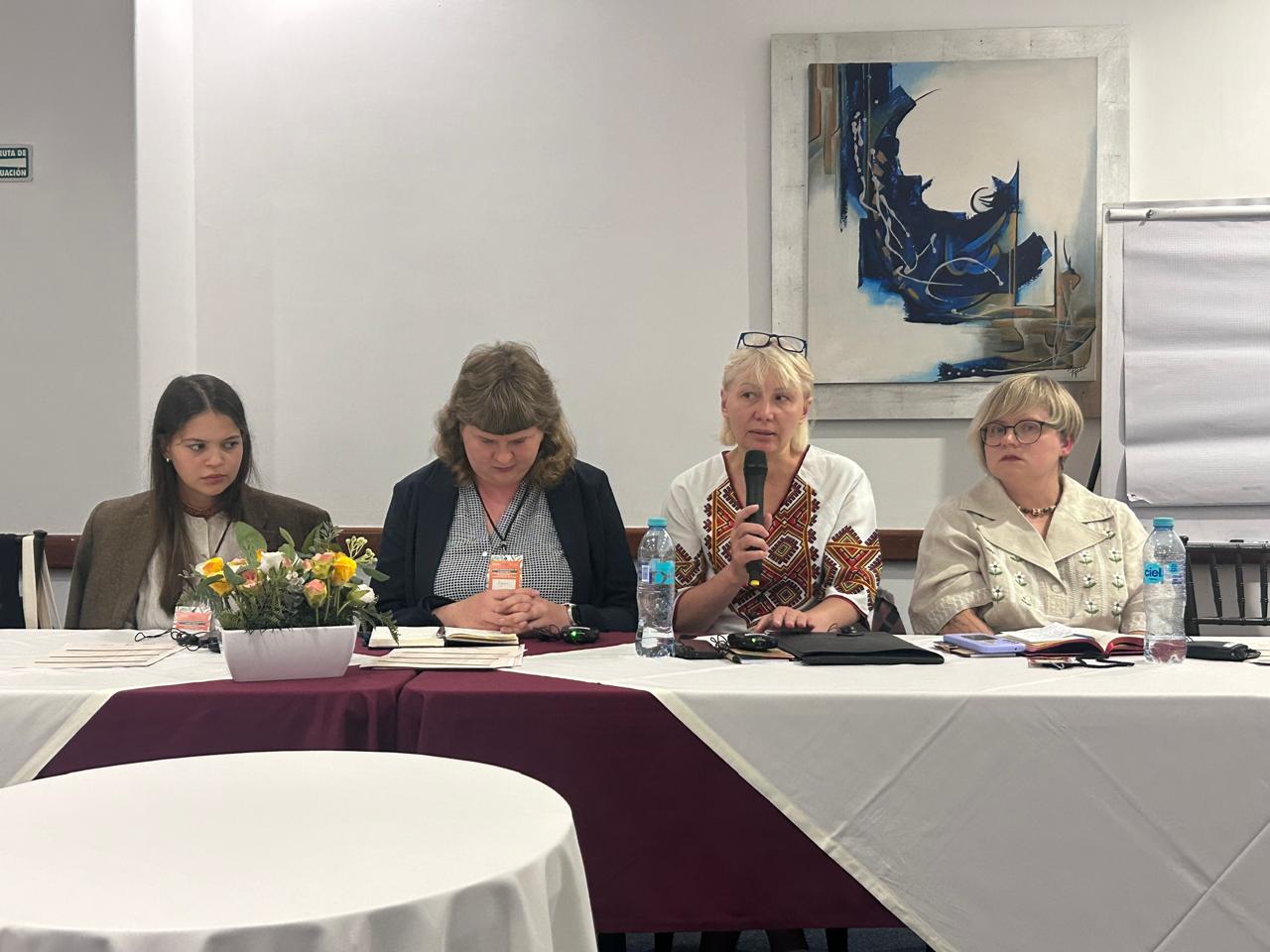
However, she said that Mexico’s victim support system still does not work effectively enough. There is no specific law on support for families of missing persons, but a broader legal framework for assisting victims of crime provides for social, legal and psychological support, as well as compensation.
ZMINA’s Advocacy Director sees the search for truth as a key element shared by the Ukrainian and Mexican experiences.
She added that the circumstances surrounding disappearances in Ukraine and Mexico differ significantly. In Ukraine, occupation, hostilities and landmines often prevent families from accessing areas where their missing relatives may be. Nevertheless, the experience of Mexican families organising themselves shows how those affected can come together, support one another and help shape public policy.
The visit formed part of an international mission to share experience of the work of victims’ movements and associations, organised by the Mexican organisation IDHEAS (Idheas, Litigio Estratégico en Derechos Humanos), Justiça Global and the International Renaissance Foundation, in coordination with the Open Society Foundations.