Alena Lunova took part in a meeting of the International Coalition for the Return of Ukrainian Children
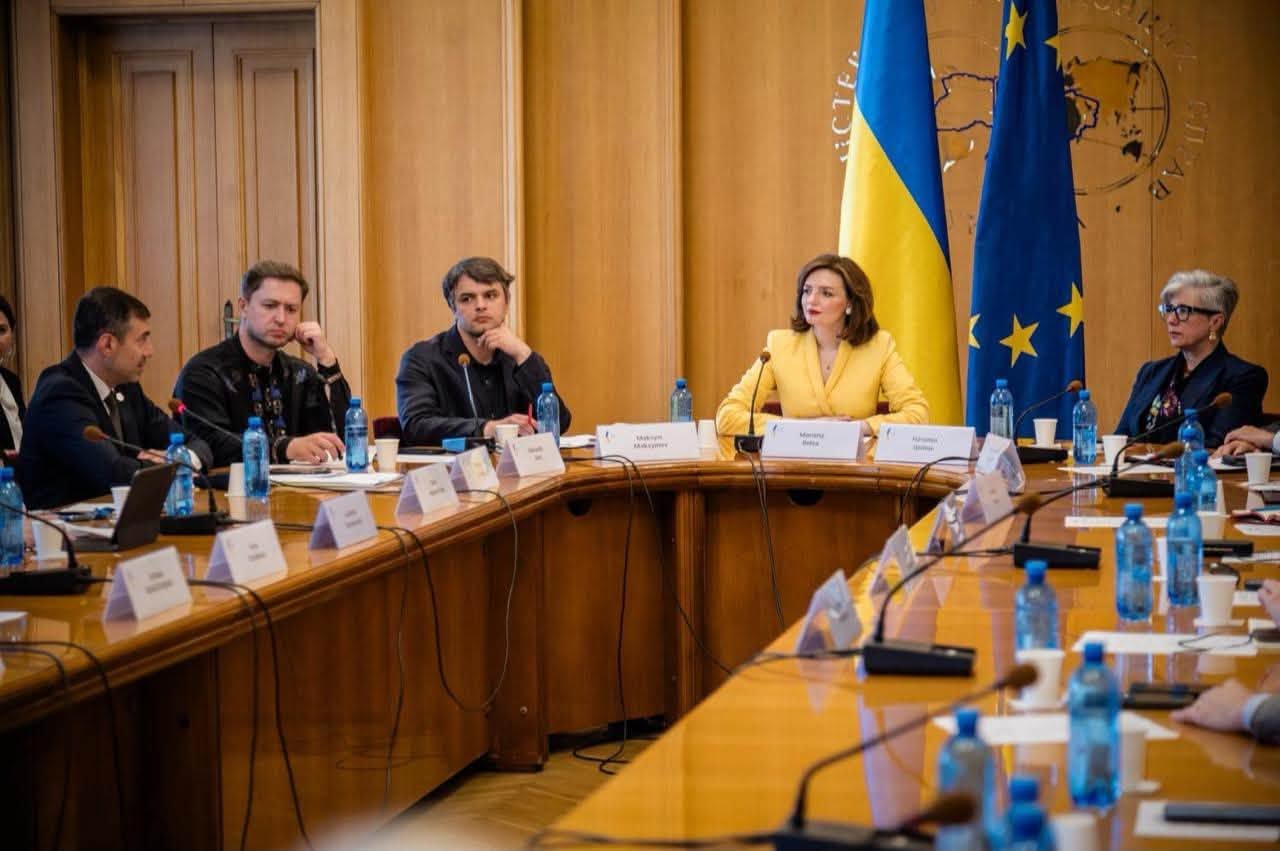
On 17 July 2026, the Ministry of Foreign Affairs of Ukraine hosted a meeting entitled “Between Brussels and Toronto: Ensuring Continuity in the Work of the International Coalition for the Return of Ukrainian Children”.
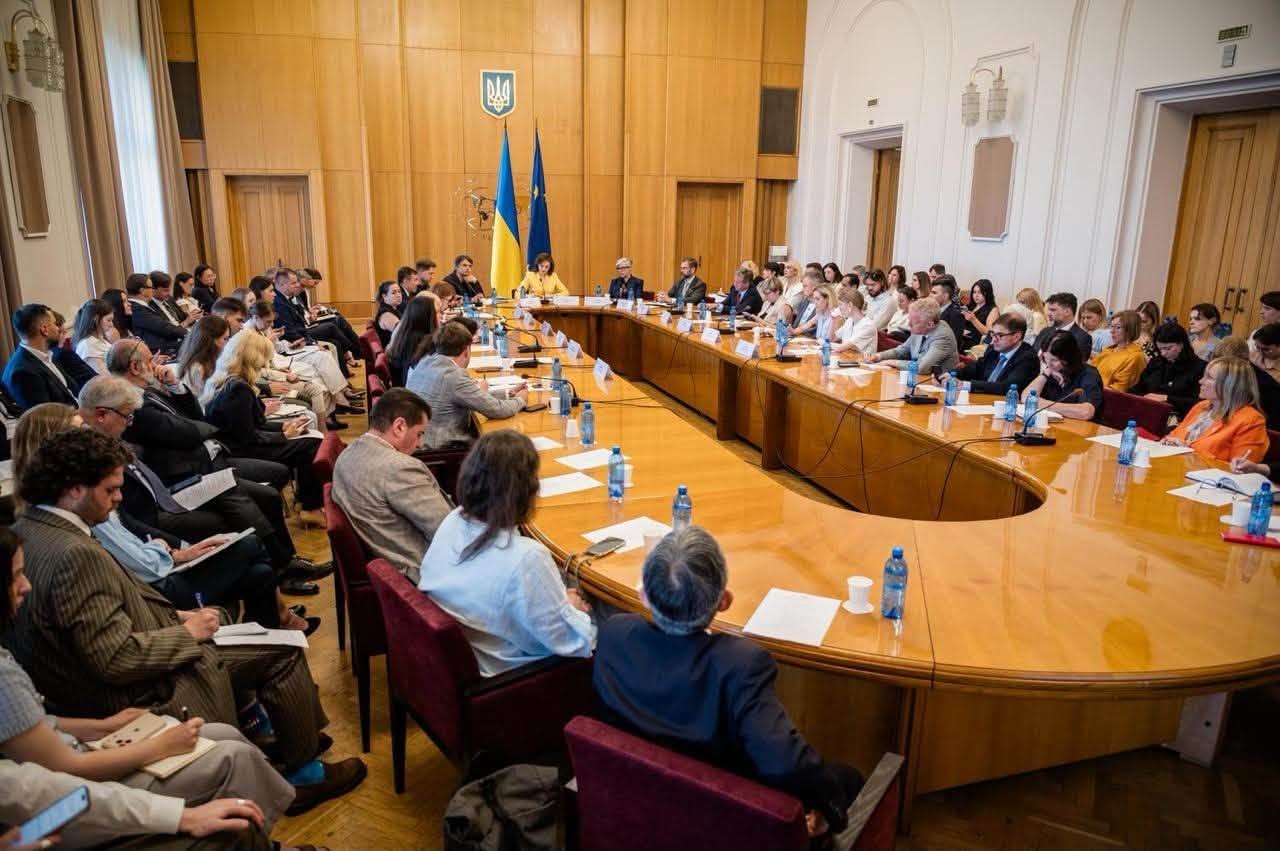
The event, held as part of the President of Ukraine’s Bring Kids Back UA initiative, was attended by Maksym Maksymov, Head of Bring Kids Back UA; Daria Herasymchuk, Adviser – Presidential Commissioner for Children’s Rights and Child Rehabilitation; Liudmyla Shemelynets, First Deputy Minister of Social Policy, Family and Unity of Ukraine; Dmytro Lubinets, Ukrainian Parliament Commissioner for Human Rights; Oleksandr Bevz, Presidential Cabinet Adviser at the Office of the President of Ukraine; and representatives of the Ministry of Justice of Ukraine, the Office of the Prosecutor General, the Coordination Center for Family Upbringing and Child Care Development, Coalition member states, partner countries, international organisations and leading civil society organisations, including Alena Lunova, Advocacy Director at the Human Rights Centre ZMINA.
Participants discussed the results of the International Coalition’s work since the high-level meeting in Brussels, further steps to return Ukrainian children unlawfully deported and forcibly transferred by Russia, and priorities for international cooperation in 2026–2027.
Particular attention was paid to tracing and locating the children, verifying data, ensuring their return, rehabilitation and reintegration, documenting violations of children’s rights and holding those responsible to account.
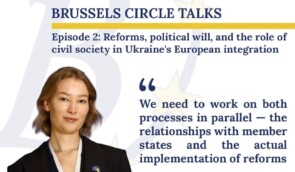
Alena Lunova noted that the recommendations developed by Ukrainian civil society ahead of the Coalition’s high-level meeting in Brussels remained relevant: “Our recommendations, developed during Civil Society & Expert Day on 30 April, remain relevant. We continue to advocate for all of them – from increasing sanctions pressure on Russia to supporting the state in reintegrating returned children“.
 Alena Lunova
She separately emphasised the need to protect the International Criminal Court from political pressure. Alena Lunova also stressed the importance of ensuring that international representatives, including the International Committee of the Red Cross, have access to Ukrainian children in the temporarily occupied territories of Ukraine and in Russia.
“We must continue to promote the idea of granting international actors, including the International Committee of the Red Cross, access to these children, or seek other states that could act as intermediaries and obtain such access. This is important for locating the children, monitoring respect for their rights and facilitating their return“, said Alena Lunova, Advocacy Director at ZMINA.
The meeting also marked the start of consultations on the preparation of the International Coalition for the Return of Ukrainian Children’s Agenda for 2026–2027. The document is intended to provide a common framework for coordinating the work of Coalition member states, Ukrainian state institutions and civil society.
“The return of Ukrainian children unlawfully deported and forcibly transferred by Russia remains a priority for Ukraine and the international community. A just peace in Ukraine is impossible without bringing all Ukrainian children home“, said Mariana Betsa, Deputy Minister of Foreign Affairs of Ukraine.
Participants also discussed preparations for the Second International Conference on the Return of Ukrainian Children, Unlawfully Detained Civilians and Prisoners of War, which will take place in Toronto in September 2026. The conference will be co-hosted by Canada, Norway and Ukraine.
On 11 May 2026, Brussels hosted a high-level meeting of the International Coalition for the Return of Ukrainian Children, co-organised by Ukraine, Canada and the European Union. The meeting brought together delegations from 63 countries and international organisations.
Ahead of the meeting, Civil Society & Expert Day was held in Kyiv on 30 April, during which more than 40 Ukrainian civil society organisations developed a joint statement containing 12 recommendations for Coalition member states.
In the statement, the civil society organisations called for increased political and sanctions pressure on Russia, support for mechanisms to identify and return Ukrainian children, the enforcement of International Criminal Court warrants, and greater support for the reintegration and rehabilitation of returned children.
Onysiia Syniuk, Head of the Research Department at the Human Rights Centre ZMINA, presented the document to Andrii Sybiha, Minister of Foreign Affairs of Ukraine. The proposals developed by Ukrainian civil society helped shape the discussions in Brussels and were shared with participants in the high-level meeting.
Photo credit: Ministry of Foreign Affairs of Ukraine