Torture, isolation and fabricated cases: Ukraine’s Foreign Ministry urged the release of Ukrainian journalists unlawfully imprisoned by Russia
On 1 July 2026, Ukraine’s Ministry of Foreign Affairs hosted a meeting of the Human Rights, Gender Equality and Diversity Council dedicated to freedom of expression, the safety of journalists, and countering disinformation.
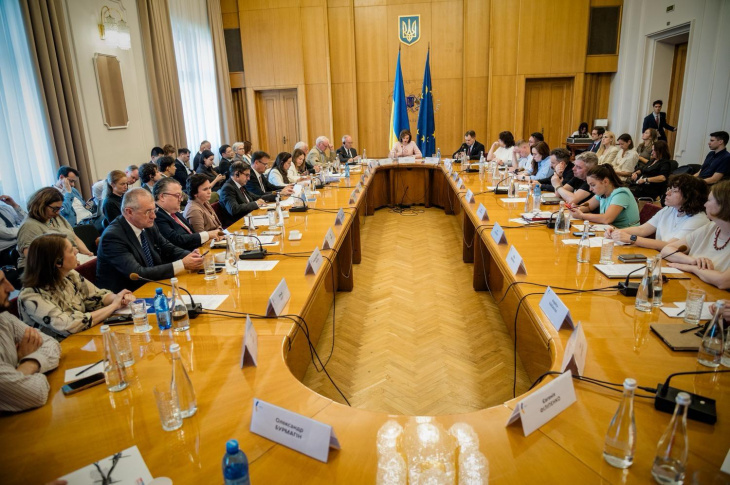
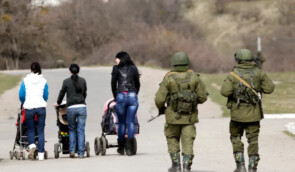
Participants, including human rights defenders and representatives of international organisations and state institutions, stressed that the persecution of journalists forms part of Russia’s systematic policy of suppressing independent reporting in the occupied territories. This includes abductions, unlawful detention, torture, isolation from the outside world, fabricated criminal cases, and lengthy prison sentences.
Opening the meeting, Mariana Betsa, Deputy Minister of Foreign Affairs of Ukraine, said that 132 Ukrainian and foreign journalists have been killed since the start of Russia’s full-scale invasion.
“The death of Ukrainian journalist Viktoriia Roshchyna in Russian captivity was tragic proof that Russia persecutes journalists because of their professional work and commitment to telling the truth. The aggressor state must be held accountable for its crimes“, she said, adding that Ukraine is working to strengthen international awareness of the threats posed by Russian disinformation, including at the United Nations General Assembly.
 Photo: Mariana Betsa
According to the Human Rights Centre ZMINA, at least 26 Ukrainian journalists remain in Russian captivity, including 17 from occupied Crimea, the majority of whom are Crimean Tatars. Most have already been convicted on fabricated charges of “terrorism”, “extremism”, “high treason” or “espionage” and sentenced to between three and 26 years’ imprisonment.
Danielle Bell, Head of the UN Human Rights Monitoring Mission in Ukraine, said the mission continues to document systematic torture, sexual violence, and other serious human rights violations against Ukrainians unlawfully detained by Russia. She noted that lengthy prison sentences imposed on journalists, including Oleksandr Malyshev, who was sentenced to 26 years’ imprisonment, form part of a broader campaign of persecution.
Maksym Butkevych, human rights defender, journalist and serviceman, who survived Russian captivity, said the Russian authorities make no distinction between journalism and propaganda because they believe only the state has the right to determine what constitutes “correct” information. He said that, in Russia’s view, any independent media outlet automatically becomes “hostile propaganda”, making journalists targets for persecution.
“This is particularly evident in the occupied territories, where any form of independent reporting is immediately suppressed. That is why journalists become some of the first victims of repression“, he stressed.
 Photo: Maksym Butkevych
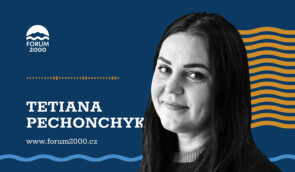
Tetiana Pechonchyk, Head of the Board of the Human Rights Centre ZMINA, drew attention to the fact that some journalists are held for years after being abducted without ever being formally charged.
“Most journalists unlawfully detained by Russia have already been sentenced in fabricated criminal cases on charges of “terrorism”, “extremism”, “high treason” or “espionage”. Sentences range from three to 26 years’ imprisonment, with 12–14-year sentences being the most common“, she stressed.
Pechonchyk also highlighted the lengthy prison sentences imposed on other journalists from the temporarily occupied territories, including Maksym Rupchev, Heorhii Levchenko and Vladyslav Hershon.
Pechonchyk also stressed the inhumane conditions in which journalists are being held. She said they have reported torture, psychological pressure, prolonged confinement in punitive isolation cells, denial of medical care, restrictions on contact with their families, and the systematic transfer of detainees to remote regions of Russia.
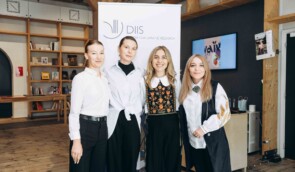
 Photo: Olha Skrypnyk, Anhelina Kariakina
Participants also drew attention to the growing pressure on journalists and human rights defenders who remain free. On 26 June, Russia’s Ministry of Justice designated the “Crimean Solidarity” movement as a so-called “foreign agent” and added a number of its members, including citizen journalists, to the register of so-called “participants of a foreign agent”.
Participants called on international partners to continue raising the issue of Ukrainian journalists unlawfully imprisoned by Russia during negotiations with Moscow, seek their inclusion in prisoner release lists, and keep international attention focused on their cases.
Photo credit: Ukraine’s Ministry of Foreign Affairs.