ZMINA presents assessment of Ukraine’s human rights record at UPR pre-session in Geneva
On 20 November, the UPR Info-organised pre-session of the Universal Periodic Review (UPR) on Ukraine took place in Geneva. Representatives of Ukrainian civil society organisations briefed diplomats on the human rights situation in the country and presented recommendations ahead of Ukraine’s upcoming review by the UN Human Rights Council.
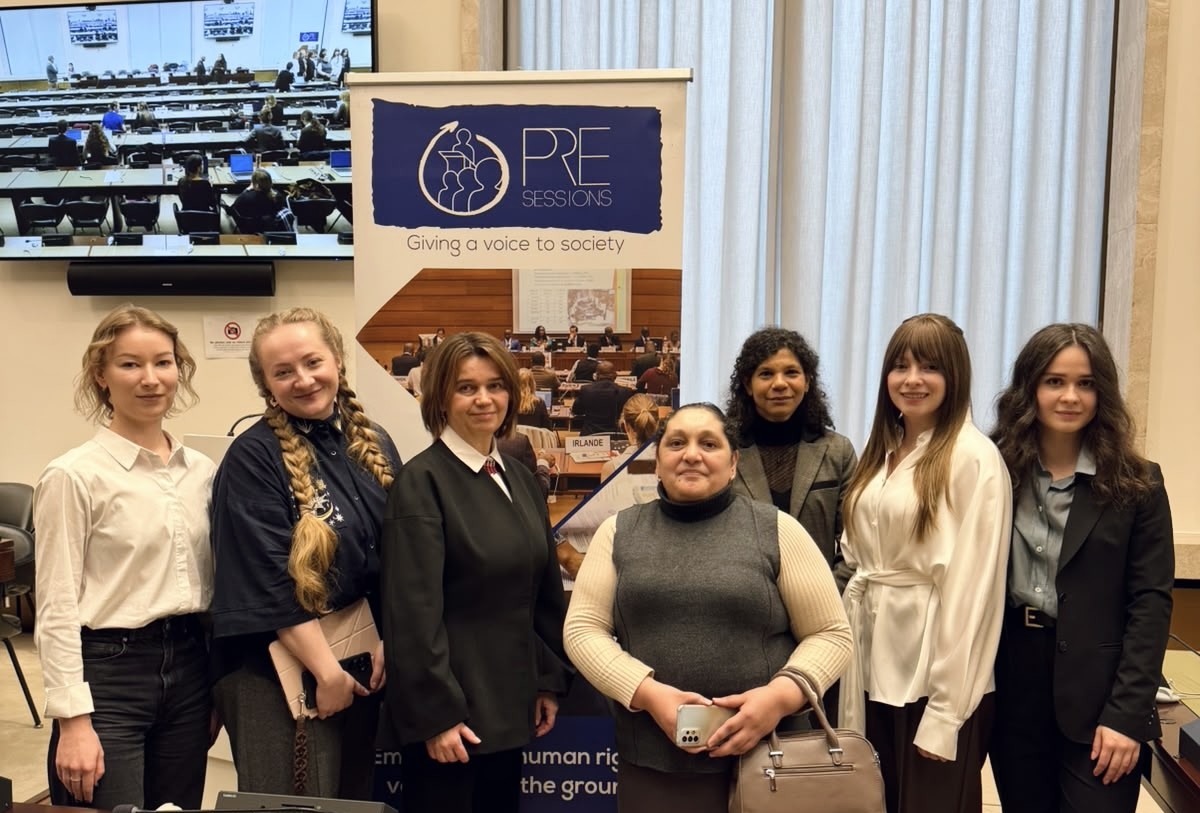
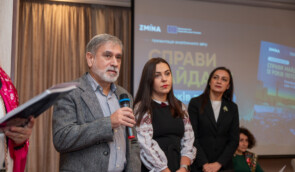
Anastasiia Datsiv, Advocacy Manager for European Integration at the Human Rights Centre ZMINA, took part in the event with the support of the Front Line Defenders. She presented an assessment of Ukraine’s implementation of recommendations from the previous UPR cycle, focusing on the situation of civil society, freedom of expression and media freedom, the independence of the Ukrainian Parliament Commissioner for Human Rights, and the National Human Rights Strategy.
The Universal Periodic Review is a UN mechanism entailing every country’s human rights record to be examined by other UN Member States, which then issue recommendations for improvement. Ukraine’s previous review took place in November 2017. At the time, Ukraine received 190 recommendations from 47 states, accepting 163 and noting 27.
ZMINA analysed 25 recommendations from the previous UPR cycle related to the organisation’s areas of work. The assessment found that three of them had been fully implemented, while most were either still in the process of implementation or had seen limited progress.
Among the concerns she highlighted was the insufficient involvement of civil society organisations in developing public policies and legislative changes. In particular, civil society must be meaningfully involved in drafting the new Civil Society Development Strategy. Ukraine should also adopt legislation simplifying the online registration of civil society organisations.
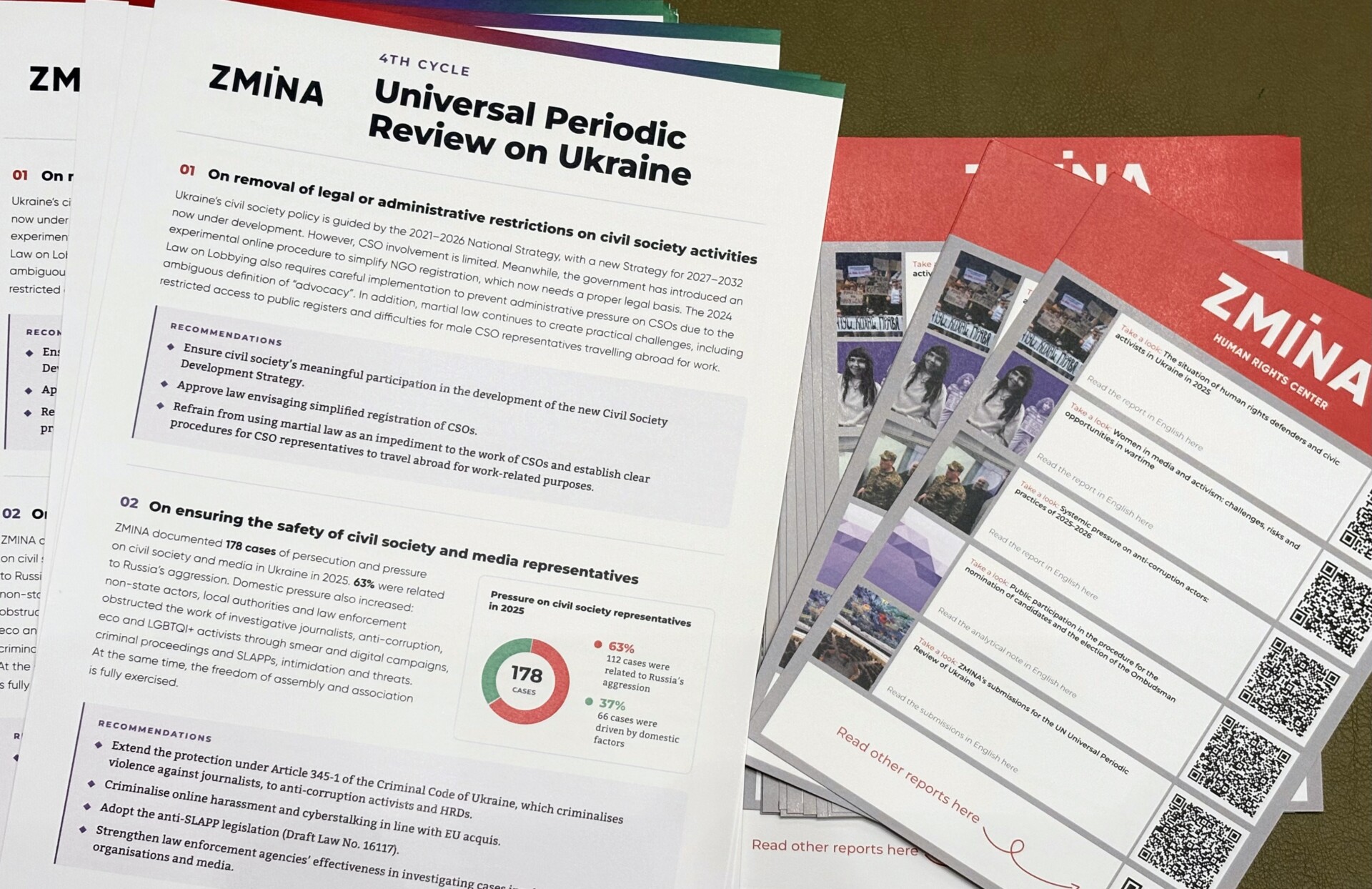
Datsiv also drew attention to the safety of civil society representatives and journalists. Over the course of a year, ZMINA documented 178 cases of persecution, pressure and harm affecting civil society and media representatives in Ukraine. More than 60% of these cases were related to Russia’s aggression. At the same time, domestic pressure has also increased: activists and journalists face threats, smear campaigns, criminal proceedings and lawsuits used to intimidate them.
“We recommend extending the legal protection currently provided to journalists under the Criminal Code to anti-corruption activists and human rights defenders, ensuring that threats against them are promptly registered and investigated, criminalising online harassment and cyberstalking in line with the EU acquis, adopting anti-SLAPP legislation, and strengthening law enforcement agencies’ capacity to investigate cases involving civil society organisations and the media,” stated Datsiv.
Another issue raised was the growing risks to freedom of expression and media pluralism. ZMINA called for a review of the United News telethon broadcasting, greater access to information of public interest and safeguards against legislative changes that could undermine investigative journalism.
Datsiv also highlighted the need to strengthen the independence of the Ukrainian Parliament Commissioner for Human Rights. ZMINA recommends involving civil society in nominating and selecting candidates for the Ombudsperson position and introducing additional safeguards to protect the institution’s independence.
The presentation also addressed the implementation of Ukraine’s National Human Rights Strategy until 2035, approved in October 2026. During consultations with civil society, only around 10% of the recommendations submitted were incorporated into the document. ZMINA therefore stresses the need for measurable implementation indicators and meaningful civil society participation in developing the Strategy’s action plan.
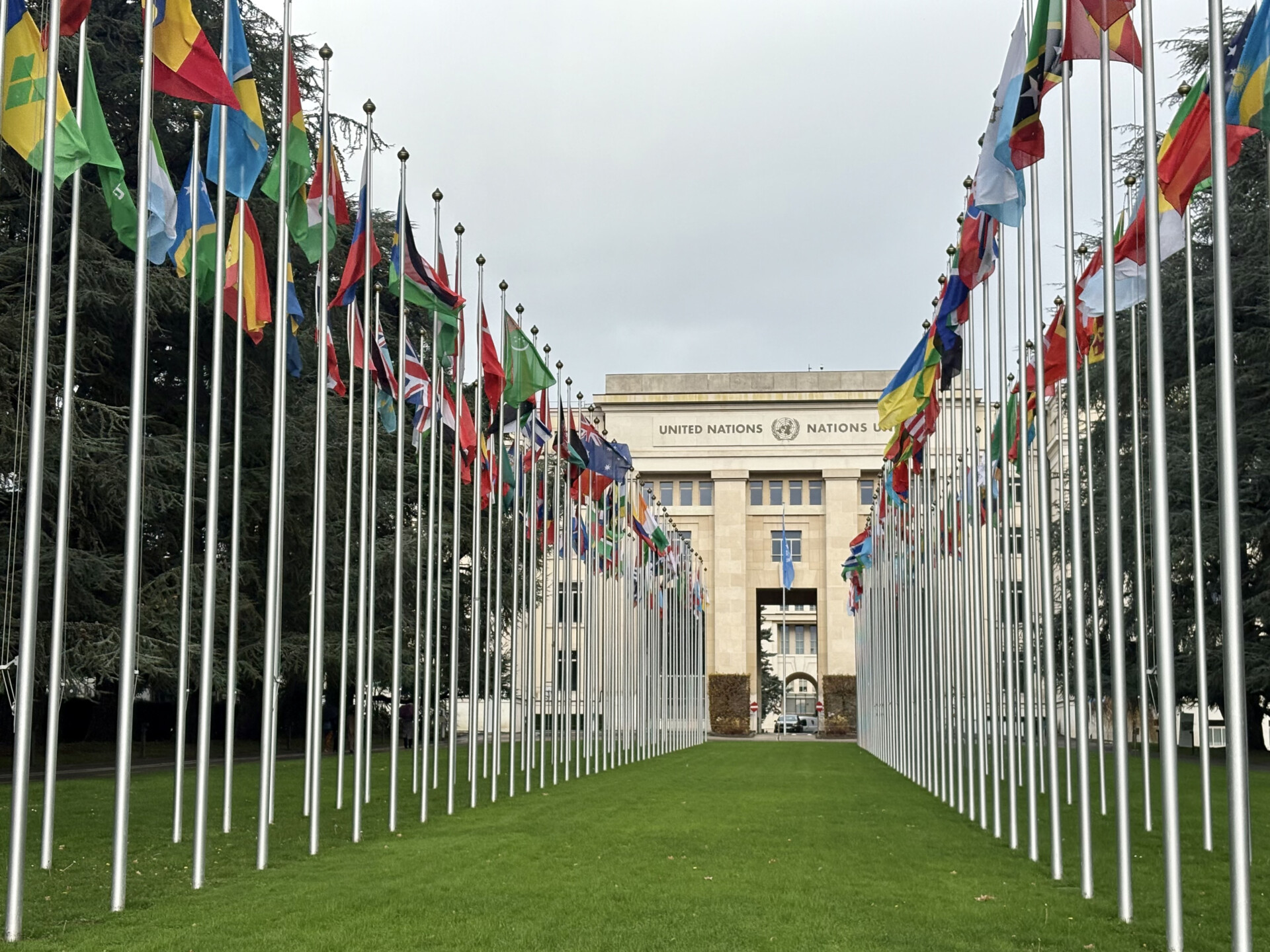
“Most of the current challenges in implementing the recommendations stem from Russia’s ongoing aggression against Ukraine and the difficulties caused by martial law introduced in response to the full-scale invasion in 2022. At the same time, some delays are also due to domestic factors, such as parliamentary bottlenecks and a lack of political will,” Anastasiia Datsiv said.
During her visit to Geneva, Anastasiia Datsiv also held a series of meetings with diplomats from various countries and representatives of UN mandates to further present the Ukrainian civil society perspective on pressing human rights issues.
As part of the fourth UPR cycle, ZMINA prepared one individual submission and co-authored two coalition submissions. One focuses on people affected by Russia’s armed aggression against Ukraine, while the other addresses the treatment of people and conditions of detention in places of deprivation of liberty. Read more about the submissions on ZMINA’s website.