ZMINA’s Ana More highlights the challenges faced by Ukrainian civil society at the High-Level Council of Europe Meeting
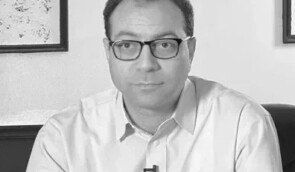
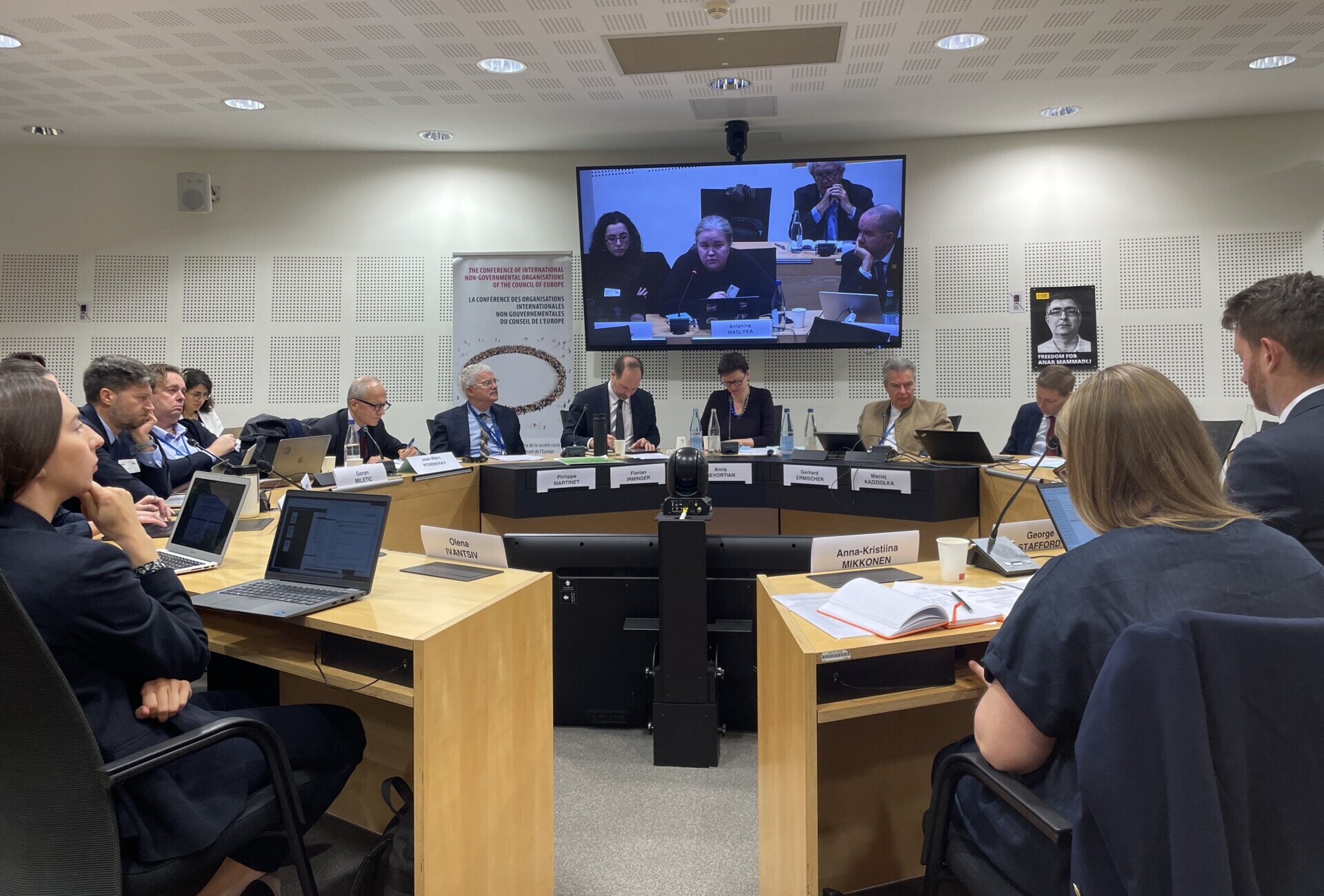
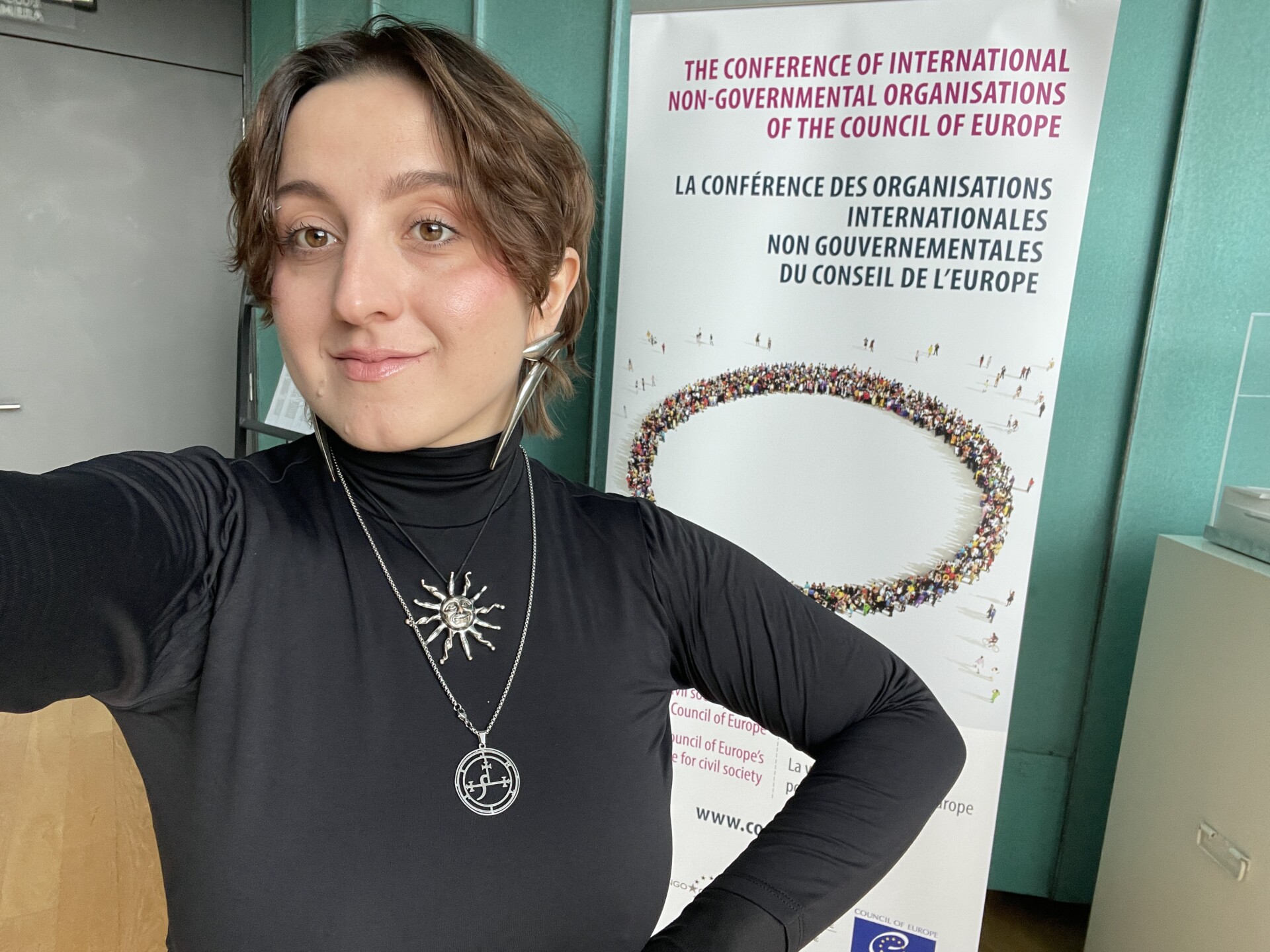
Ana More, Head of the Civil Society Protection Program at the Human Rights Centre ZMINA, took part in the High-Level Working Meeting on Human Rights Defenders, organised by the Conference of INGOs of the Council of Europe (CINGO) on 19 November in Strasbourg.
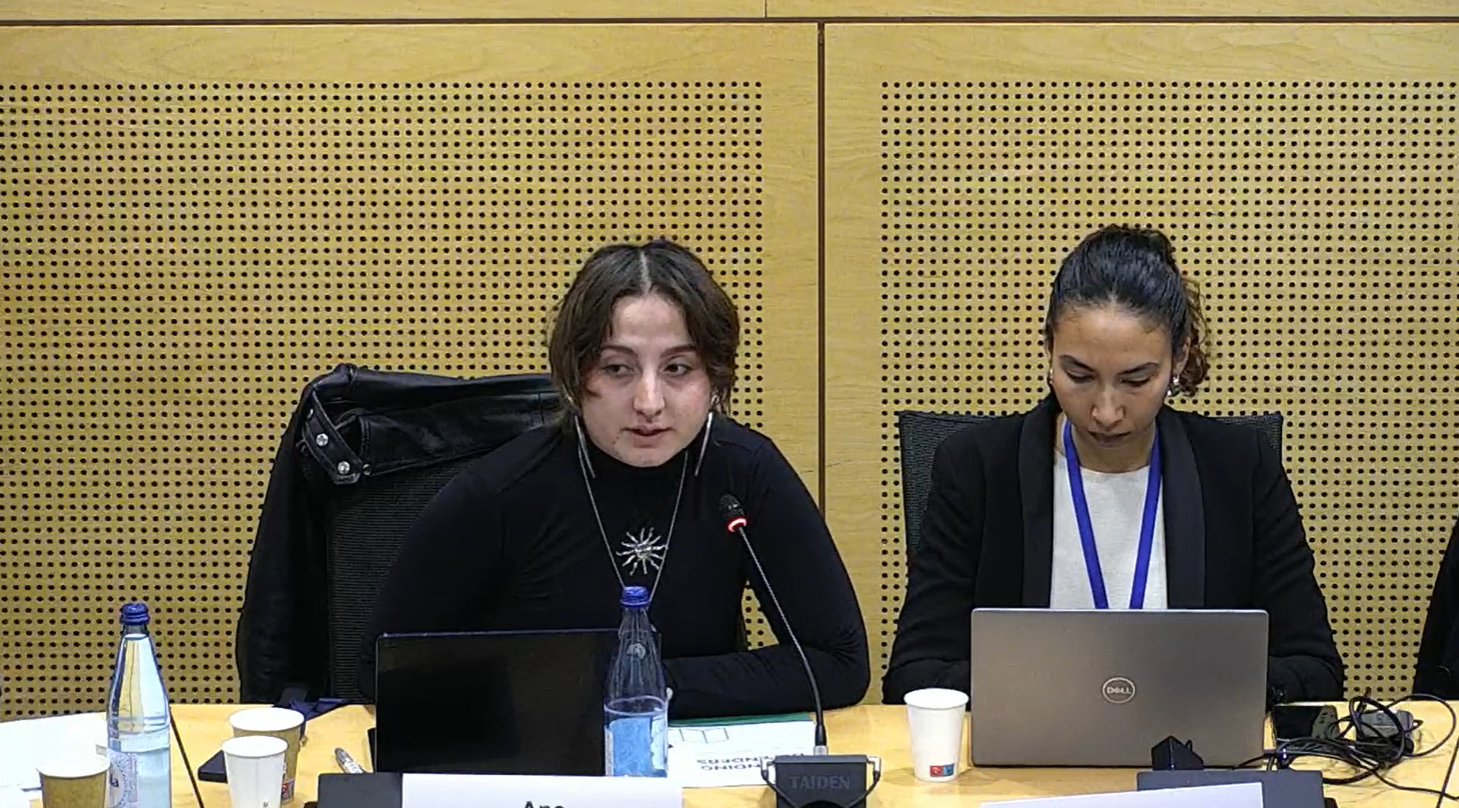
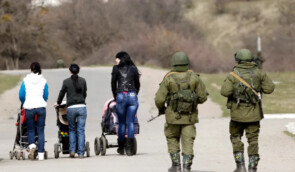
During a meeting with representatives of civil society, international organisations and CoE member states, she highlighted the impact of Russia’s war on Ukrainian human rights defenders, journalists and volunteers.
According to ZMINA’s monitoring, 178 cases of persecution, pressure and losses among civil society representatives were documented in Ukrainian government-controlled territory in 2025. Of these, 112 cases – more than 60% – were related to actions by the Russian Federation.
Volunteer centres, humanitarian warehouses, media newsrooms and vehicles used for evacuations and aid deliveries have come under Russian shelling. In various cases, journalists and volunteers were deliberately targeted while carrying out their professional or civic duties.
Over 144 media representatives have died as a result of Russian aggression: 15 while performing their professional duties, 15 as civilians killed by shelling or Russian torture, and 114 while serving in Ukraine’s Armed Forces. On 18 November, Khrystyna Lysenko from Pershyi Miskyi TV channel, was killed during a Russian attack on Odesa. In addition, 115 humanitarian volunteers have been killed as a result of Russian aggression.
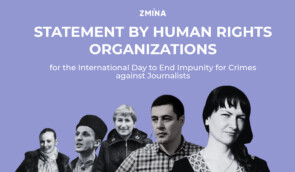
Ana More drew attention to Ukrainian media workers held in Russian captivity. At least 27 Ukrainian civilian media workers remain imprisoned by Russia. Among them is Iryna Danylovych, a Crimean civic journalist, human rights defender and nurse who was abducted by Russian security forces in 2022 in occupied Crimea and remains in detention.
Another issue raised by Ana More was the growing impact of winter conditions and attacks on energy infrastructure. Prolonged power cuts and the lack of heating pose additional risks to activists’ physical and mental health, while making it increasingly difficult for civil society organisations to continue documenting human rights violations and providing assistance to affected communities. She called on the CoE and European donors to provide dedicated winterisation and energy resilience packages for organisations and shelters.
Ana More also called on European donors to remove restrictions preventing civil society organisations from using grant funding to purchase anti-drone protection equipment. She stressed that support should also cover emergency relocation, physical protection and psychosocial rehabilitation for human rights defenders working under constant shelling and power outages.
Support for human rights defenders working in wartime conditions must go beyond declarations of solidarity. It should translate into concrete mechanisms for those who continue documenting human rights violations and assisting affected communities despite constant threats.