ZMINA urged the OSCE Representative on Freedom of the Media to pay greater attention to Ukrainian journalists unlawfully imprisoned by Russia
On 2 July 2026, the OSCE Representative on Freedom of the Media, Jan Braathu, met in Kyiv with representatives of Ukrainian media and human rights organisations. Tetiana Pechonchyk, Head of the Board of the Human Rights Centre ZMINA, took part in the meeting and raised the issue of Ukrainian journalists who have been unlawfully imprisoned by Russia.
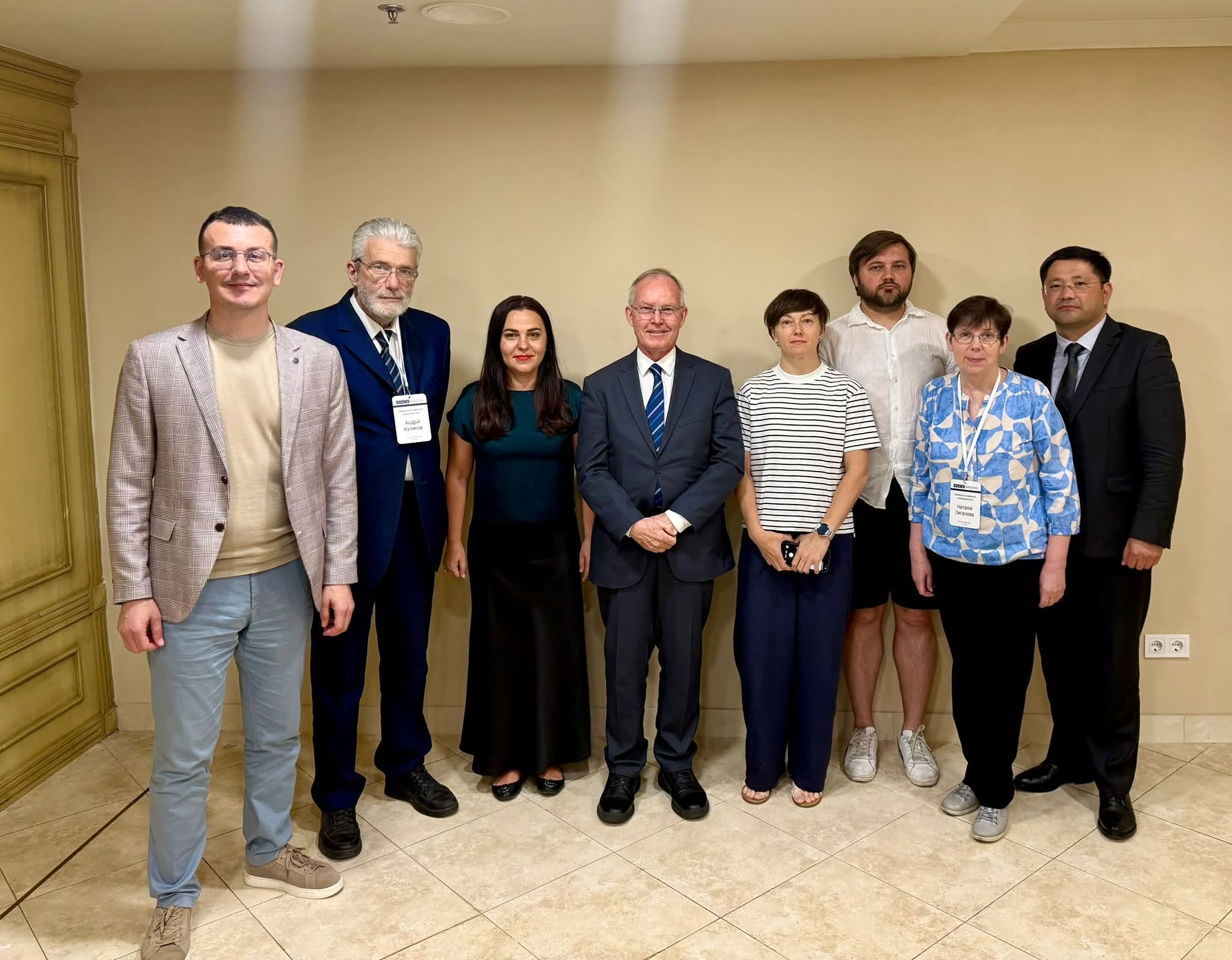
Representatives of the Institute of Mass Information, Detector Media, the National Union of Journalists of Ukraine, the Commission on Journalistic Ethics and the Digital Security Lab also attended the meeting.
According to the Human Rights Centre ZMINA, as of June 2026, Russia is unlawfully detaining at least 26 Ukrainian journalists, including 17 from Crimea, the majority of whom are Crimean Tatars.
“The overwhelming majority of them were detained because of their professional work – reporting from the temporarily occupied territories or documenting human rights violations“, Pechonchyk said.
She noted that Russian courts convict Ukrainian journalists on fabricated charges of “terrorism”, “extremism”, “espionage”, “possession of explosives” and “high treason”. Sentences range from three to 26 years’ imprisonment, with 12–14-year sentences being the most common.
The Head of the Human Rights Centre ZMINA also highlighted cases of journalists being held without having been sentenced. Four journalists – Anastasiia Hlukhovska, Aziz Azizov, Rustem Osmanov and Vilen Temerianov – remain in pre-trial detention while under investigation. Meanwhile, Iryna Levchenko and Yevhen Ilchenko have been held for more than four years without formal charges, effectively in incommunicado detention.
Pechonchyk also spoke about other human rights violations affecting Ukrainian journalists unlawfully imprisoned by Russia, including torture, psychological pressure, prolonged confinement in punitive isolation cells, denial of medical care, and isolation from their families and lawyers.
Among the cases she highlighted were Iryna Danylovych, who lost hearing in one ear after being denied adequate medical treatment, and Amet Suleimanov, who has been denied the surgery he needs despite suffering from a serious heart condition.
In June 2026, journalist Anastasiia Hlukhovska also went on hunger strike to protest the conditions in the pre-trial detention centre in Kizel, where journalist Viktoriia Roshchyna and Yevhen Matvieiev, the mayor of Dniprorudne, previously died.
Pechonchyk also stressed that Russia systematically transfers imprisoned journalists to remote regions of Russia, making it more difficult for them to access legal assistance and maintain contact with their families.
She also drew attention to the growing pressure on citizen journalists and human rights initiatives. On 26 June 2026, Russia’s Ministry of Justice designated the “Crimean Solidarity” movement and a number of its members, including journalists, as “foreign agents”.
Pechonchyk stressed that the plight of journalists unlawfully imprisoned by Russia must remain a priority on the international agenda.
“It is essential to secure their inclusion in prisoner release lists, keep international attention focused on their situation, and continue documenting these crimes so that those responsible are held accountable“, she said.
On 1 July 2026, Jan Braathu also attended a meeting of the Human Rights, Gender Equality and Diversity Council at Ukraine’s Ministry of Foreign Affairs, which focused on freedom of expression, the safety of journalists and countering disinformation.
As ZMINA previously reported, Jan Braathu last met with Ukrainian human rights defenders in July 2025 in Helsinki during the OSCE conference marking the 50th anniversary of the Helsinki Final Act.