Human rights amid EU integration and war: Anastasiia Datsiv spoke at DIIS conference in Copenhagen
On 24 September 2026, Anastasiia Datsiv, EU Integration Advocacy Manager at the Human Rights Centre ZMINA, took part in the conference “Forging a Democratic Future in Wartime”, organised by the Danish Institute for International Studies (DIIS) in Copenhagen.
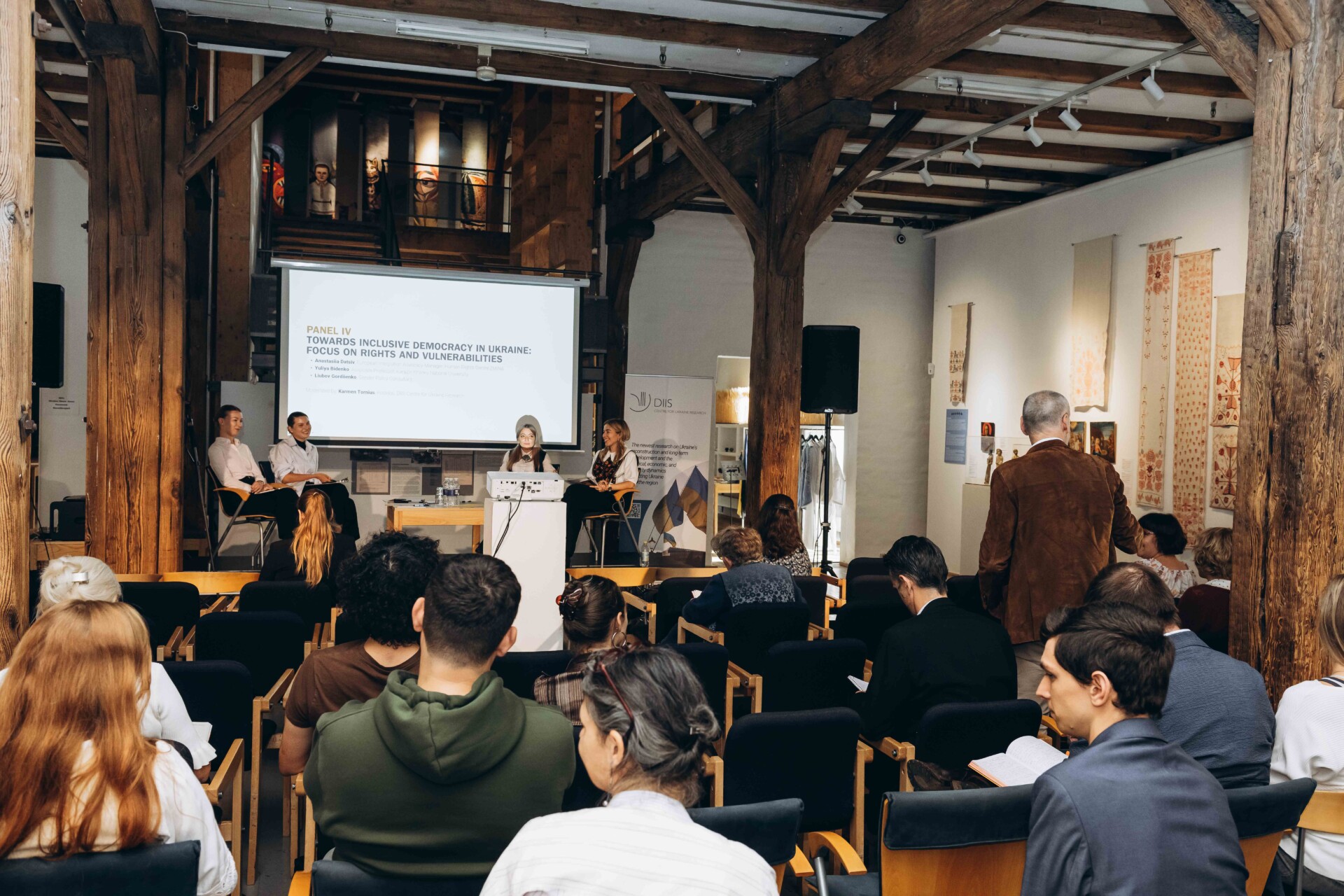
The event brought together Ukrainian and Danish experts, academics and representatives of public institutions and civil society organisations to discuss Ukraine’s reform progress, democratic governance, the rule of law and the challenges of EU integration during the full-scale war.
Anastasiia Datsiv joined the panel “Towards Inclusive Democracy in Ukraine: Focus on Rights and Vulnerabilities”, which focused on human rights and inclusive democracy.
In her remarks, ZMINA’s EU Integration Advocacy Manager discussed reform of the office of the Ukrainian Parliament Commissioner for Human Rights (Ombudsman), Ukraine’s national human rights institution, which protects people’s rights and exercises parliamentary oversight to ensure that public authorities respect human rights and freedoms. She also explained that the institution’s mandate and organisational structure had expanded over the years. The National Preventive Mechanism operates within the institution, and the Ombudsman also serves as an equality body.
However, Anastasiia Datsiv noted that legislation had not been adequately updated to keep pace with the institution’s development. Ukraine’s EU integration process has made comprehensive reform particularly pressing. This reform is set out in the Rule of Law Roadmap and is due to be completed in the fourth quarter of this year.
 Anastasiia Datsiv
 The ZMINA representative also stressed the need to safeguard the institution’s independence and ensure that the Ombudsman is elected through a transparent process. She warned that gaps in the current legislation put the institution’s independence and its ability to scrutinise public authorities at risk.
Anastasiia Datsiv also discussed civil society’s role in Ukraine’s EU integration process. She explained that government documents provide for the participation of civil society organisations (CSOs). In 2024, civil society representatives joined negotiating groups whose work informed the development of EU integration roadmaps. CSOs also play an informal role: they monitor government action, make recommendations, help draft legislation, participate in working groups and engage with public officials. Protests are equally important, as demonstrated by those concerning Ukraine’s draft Civil Code this spring.
Discussing the results of reforms in the area of fundamental rights, ZMINA’s EU Integration Advocacy Manager highlighted several positive developments: work on legislation to counter strategic lawsuits against public participation (anti-SLAPP legislation), the partial restoration of journalists’ access to the Verkhovna Rada and greater openness in the work of parliamentary committees. However, she noted that many of these changes were responses to challenges arising from the war rather than a direct result of fulfilling EU integration commitments.
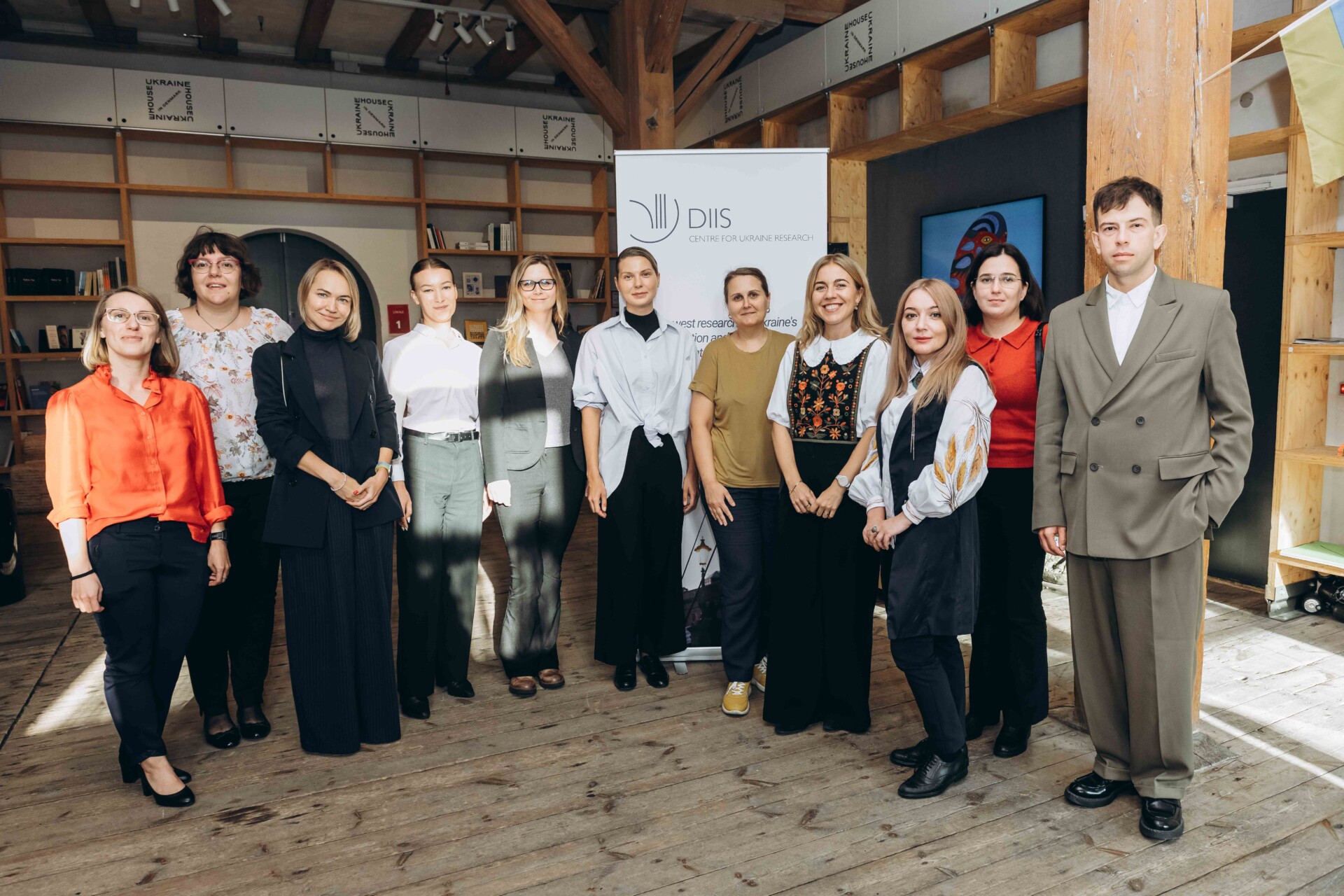
“Forging a Democratic Future in Wartime” was the inaugural conference of the newly established DIIS Centre for Ukraine Research. Discussions also covered anti-corruption reform, energy sector reform, the role of local government in EU integration and the resilience of Ukrainian institutions during the war.